


Chinese Ceramic Scholar Pot
These Chinese ceramic scholar pot examples are scholarly vessels and desk accessories crafted to hold brushes or wash ink, bringing traditional form and history to a desk.
Chinese Ceramic Scholar Pot
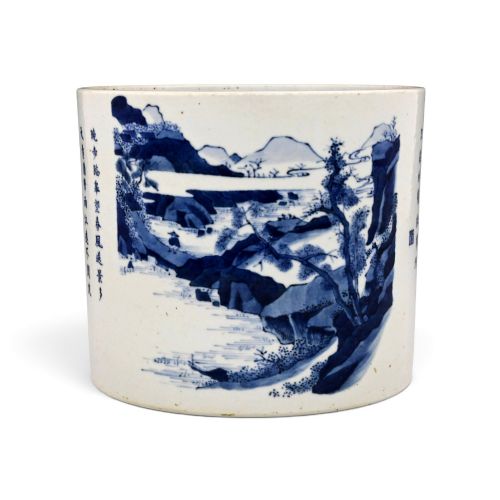
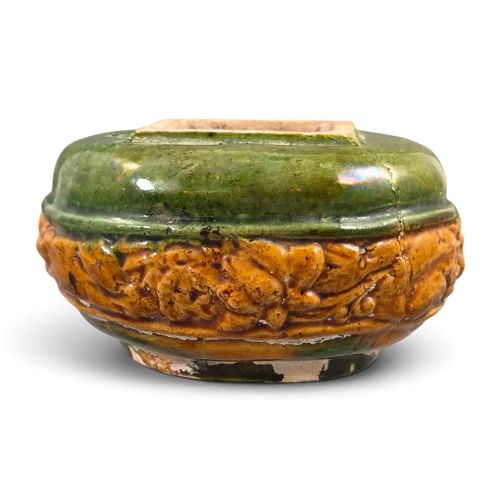
A Chinese ceramic scholar pot encompasses functional desk accessories like brush pots, water pots, and brush washers created for traditional writing desks. These pieces span periods from the Tang to Liao dynasty through to the nineteenth century, including notable seventeenth-century Kangxi examples and eighteenth-century Qing creations.
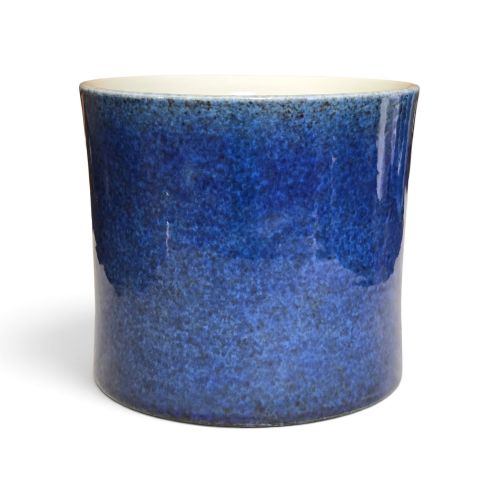
The most common forms encountered on this page are cylindrical brush pots, known as bitong, alongside water vessels and larger jardinieres or fish bowls. They serve as tangible links to the scholarly traditions of imperial China, shaped by dynasties such as the Qing.
What Varies in Quality
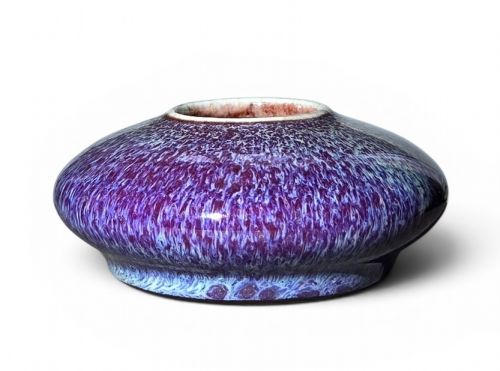
Quality rests in the precision of the form, the depth and clarity of the underglaze cobalt or overglaze enamels, and the control demonstrated in specialised finishes like flambé or powder-blue glazes. Imperial-quality pieces display superior brushwork in official and scholar scenes.
The sophistication of the potting and the stability of the glaze during firing distinguish standard decorative vessels from exceptional scholarly objects attributed to specific imperial periods.
Materials recorded across the inventory include lead glaze, cobalt underglaze, overglaze enamel, and powder-blue finishes applied to porcelain and earthenware.
The Chinese Ceramic Scholar Pot Glossary
- Bitong
- A traditional Chinese cylindrical brush pot designed for a scholar's desk. These ceramic vessels hold writing brushes upright.
- Famille Rose
- A palette of opaque overglaze enamels introduced in the Qing dynasty, dominated by pink or rose colours. It allows for nuanced pictorial scenes.
- Cobalt Underglaze
- A blue pigment applied to the raw ceramic body before glazing and firing. It defines classic blue and white porcelain.
- Flambé
- A streaked transmutation glaze achieved through complex kiln reactions during the firing process. It produces dramatic, unpredictable colour variations.
- Tangluo Xi
- A compressed form of brush washer used in scholarly pursuits. These vessels held water for rinsing brushes during calligraphy.
Chinese Ceramic Scholar Pot: Frequently Asked Questions
What is a bitong?
A bitong is a cylindrical brush pot used on traditional Chinese desks to hold writing implements upright. These ceramic vessels are central to scholarly desk accessories.
They appear in various sizes and glazes, ranging from blue and white porcelain to monochrome powder-blue finishes.
How were water pots used?
Water pots and brush washers held small amounts of water for diluting ink and cleaning brushes during calligraphy and painting.
Scholars kept these functional vessels close at hand on their desks alongside brush holders and other accessories.
How do I date a brush pot?
Dating relies on stylistic markers, glazing techniques, and specific imperial periods recorded in the piece's characteristics. Characteristics such as Kangxi or Qing dynasty attributes provide chronological clues.
Materials like early earthenware differ visibly from later refined Qing porcelain and enamel work.
What are famille verte and famille rose?
Famille verte and famille rose refer to distinct overglaze enamel colour palettes used on Qing dynasty ceramics. Famille verte relies predominantly on green tones, while famille rose introduces opaque pinks.
Both styles allowed artisans to paint detailed figures, official scenes, and narrative elements onto the ceramic surface.