



Qing Dynasty Style Porcelain
Qing dynasty style porcelain brings enduring ceramic forms into your rooms, offering traditional hand-painted motifs and layered glazes.
Qing Dynasty Style Porcelain
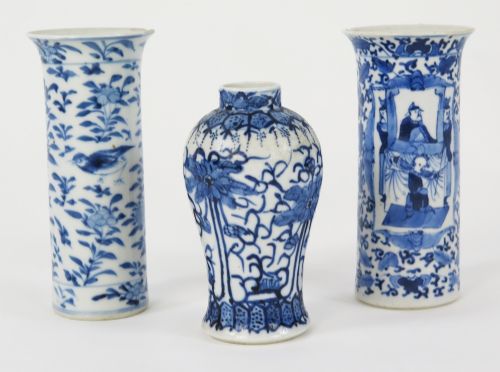
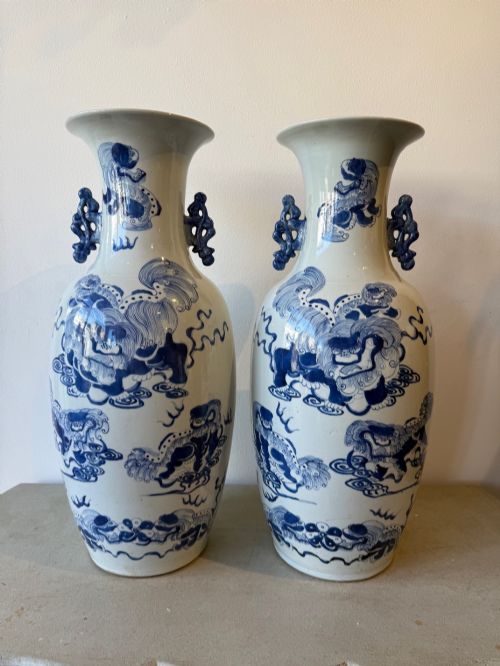
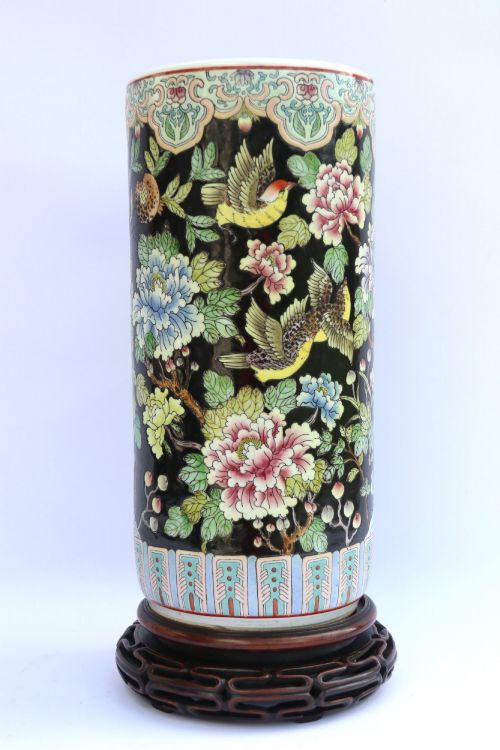
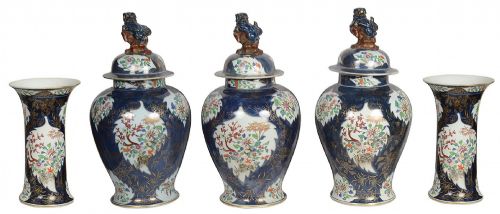
When you search for qing dynasty style porcelain, you encounter items shaped into vases, jars, bowls, plates, and table lamps from the eighteenth and nineteenth centuries. These pieces carry traditional designs that echo earlier imperial aesthetics, capturing the visual language of historic dynasties through painted cobalt or coloured enamels.
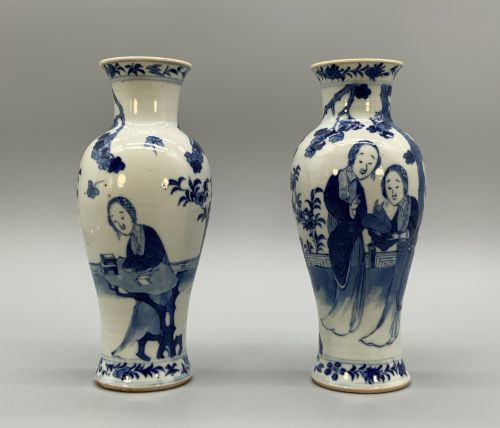
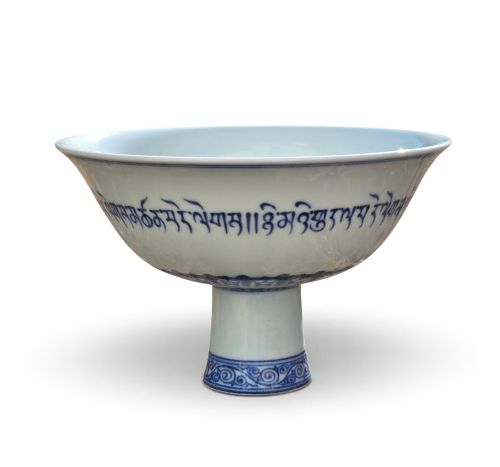
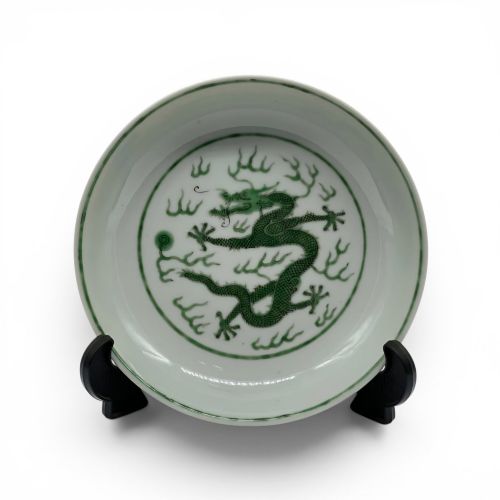
The objects appearing here span ginger jars, chargers, stem cups, and garden seats alongside adapted lighting. Many items derive their visual vocabulary from Kangxi and Qianlong periods, translating classic motifs like dragons, flora, and figural scenes onto porcelain bodies.
How qing dynasty style porcelain pieces were made
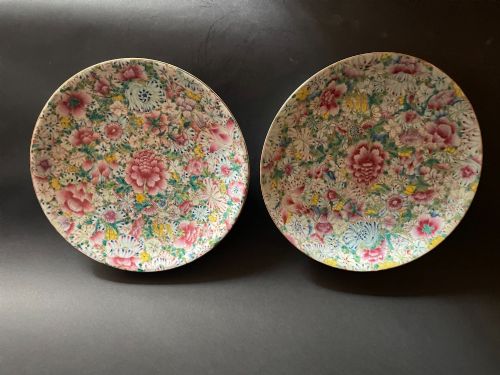
Potters shaped fine ceramic clay into vessels before applying cobalt underglaze or rich enamel colours such as famille rose, famille verte, and doucai. Artisans then fired these pieces at high temperatures to fuse the mineral pigments into the glossy glaze.
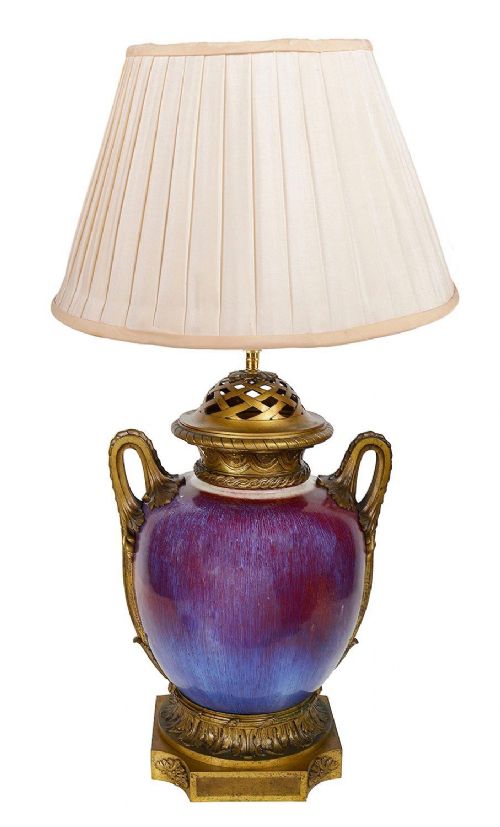
Certain objects incorporate additional elements like brass fittings, carved hardwood stands, or ormolu mounts. These supplementary materials support larger vessels or convert jars and vases into functional table lamps.
Listings here feature items from the eighteenth, nineteenth, and early twentieth centuries, rendered in porcelain, enamel, brass, and wood.
What varies in quality in qing dynasty style porcelain
The crispness of the hand-painted brushwork defines the upper tier of these ceramics, separating precise cobalt dragons and delicate flora from simpler, hurried strokes. Depth in the glaze layers and clarity in the colour saturation indicate how much care went into the kiln work.
The integrity of the porcelain body and the precision of any reign or workshop marks also shape the character of a piece. Finer examples maintain smooth surfaces and balanced proportions, whether they are small stem cups or large garden seats.
The Qing Dynasty Style Porcelain Glossary
- Cobalt underglaze
- Pigment applied to the ceramic body before glazing and firing, producing deep blue designs that sit beneath a clear shiny surface.
- Famille rose
- A palette of opaque enamels dominated by pink or rose hues, introduced during the Qing dynasty to render detailed floral and figural scenes.
- Doucai
- A technique combining underglaze blue outlines with overglaze enamel colours filled inside the boundaries, creating a contrasting decorative effect.
- Celadon-ground
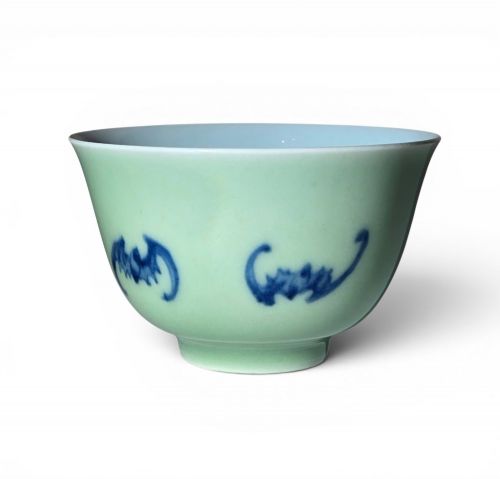
- A pale jade-green translucent glaze covering the ceramic surface, often providing a subtle monochrome background for underglaze blue motifs.
- Kangxi style
- An aesthetic referencing the late seventeenth and early eighteenth century reign, noted for vibrant blue and white porcelain and vigorous painted dragons.
Qing Dynasty Style Porcelain: Frequently Asked Questions
How do I spot qing dynasty style porcelain?
Look for characteristic motifs like dragons, floral sprays, and figural scenes painted in cobalt blue or enamel palettes such as famille verte and famille rose. Makers often included reign marks on the base, though these can reference earlier periods rather than the exact year of manufacture.
Examine the glaze for depth and consistency, as quality varies from brisk, confident brushwork to simpler decorative applications. The form itself, whether a ginger jar, vase, or garden seat, typically follows traditional Chinese shapes.
Were these pieces used daily?
Many items served decorative and functional roles in domestic interiors, from large punch bowls and dishes to brush washers and jardinières. Vases and jars were displayed in reception rooms, while garden seats found placement in courtyards and verandas.
Over time, some vases and jars were converted into table lamps by adding wiring and stands, adapting them for modern lighting needs while preserving the original ceramic body.
How should I clean my porcelain?
Dust ceramic surfaces gently with a soft dry cloth to prevent accumulation in recessed areas or around intricate handles and mounts. Avoid harsh chemical cleaners or abrasive scouring pads that can damage overglaze enamels or dull the glossy finish.
If the piece has been adapted as a lamp, ensure it remains unplugged during cleaning and keep moisture away from any electrical components or hardwood bases.
What is a ginger jar?
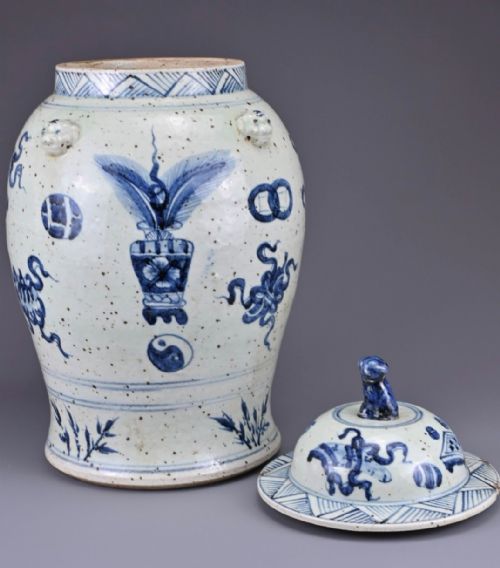
A ginger jar is a broad-shouldered vessel with a domed lid, originally produced to store spices and herbs. In later periods, these jars became valued purely for their decorative presence.
They frequently feature blue and white cobalt decoration or famille motifs, making them a prominent element in traditional interior displays.