


Chinese Ceramic Flower Vase
A chinese ceramic flower vase brings painterly colour and storied craftsmanship into a room.
Chinese Ceramic Flower Vase
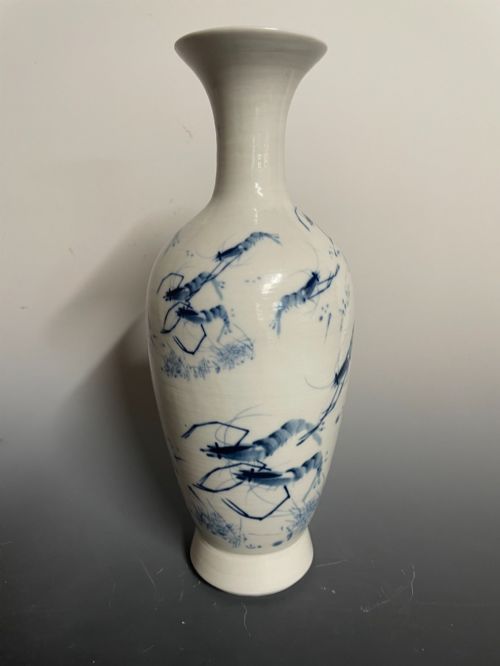
A chinese ceramic flower vase spans centuries of kiln artistry, offering forms from baluster shapes to tulipieres designed to hold stems. These vessels showcase the meticulous hand of makers working across the eighteenth, nineteenth, and early twentieth centuries.
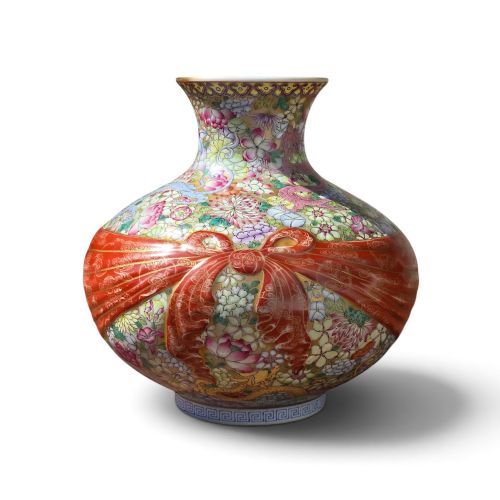
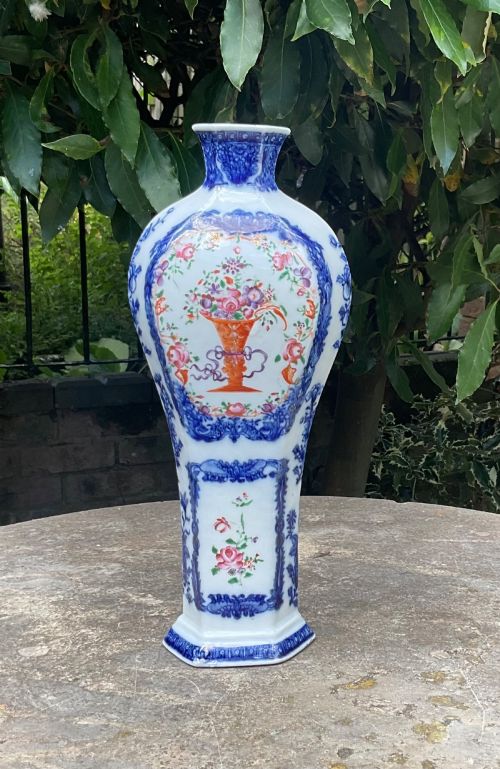
The pieces appearing here include traditional Canton porcelain, delicate millefleurs patterns, and robust famille rose decoration. Buyers encounter both single decorative vessels and matched pairs accompanied by hardwood stands.
Examples range from classic Qing Dynasty production to late Qing and early Republic periods. Each specimen demonstrates the enduring appeal of traditional Chinese ceramic design within modern interiors.
Materials and construction
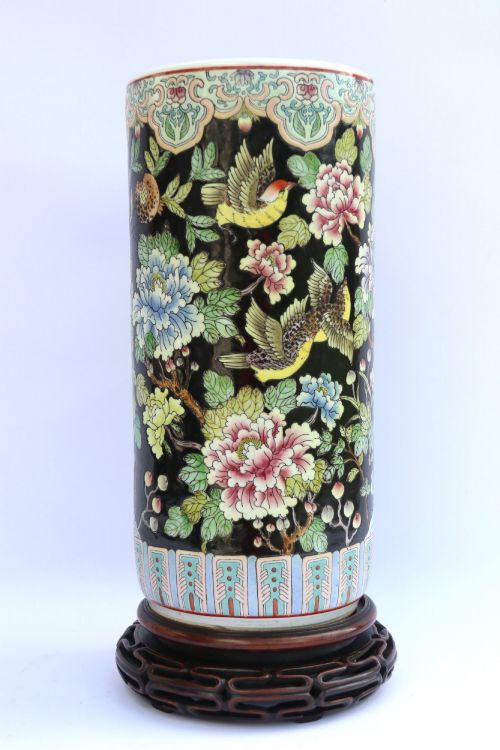
Potters shaped fine porcelain bodies before applying intricate enamel glazes, cobalt oxide, and gold leaf highlights. Skilled hands painted detailed motifs featuring birds, flowers, ribbons, and dual dragons directly onto the ceramic surface.
Certain pieces received rich famille rose and famille noire palettes fired at high temperatures to achieve lasting brilliance. Selected items incorporate original carved hardwood stands tailored to support the base of the vase.
Dual dragons chase eternal flames across nineteenth-century porcelain, keeping a watchful, scaly eye on your mantelpiece.
Distinguishing quality
The refinement of the hand-painted brushwork dictates the distinction between standard production and exceptional examples. Crisp execution in floral bands and figurative scenes separates superior pieces.
The depth and vibrancy of enamel and cobalt glazes reveal the skill applied during the firing process. Intricate detailing such as iron-red ribbons and gold leaf accents further define the upper tier.
The Chinese Ceramic Flower Vase Glossary
- Famille rose
- A major palette of opaque enamel colours introduced in the eighteenth century, dominated by pink and rose shades. It allowed for subtle tonal shading in floral and figural motifs.
- Canton porcelain
- Ware decorated in the southern Chinese port city, known for colourful hand-painted designs featuring panels of figures, birds, and flowers. This style gained immense popularity for export markets.
- Baluster vase
- A tall vessel form characterised by a rounded body that tapers toward the base and flares at the neck. The silhouette resembles an architectural baluster.
- Tulipiere
- A specialised vessel featuring multiple spouts designed to display individual tulip stems upright. These forms reflect cross-cultural trade and design influences.
- Millefleurs
- A dense decorative pattern translating to a thousand flowers, covering the entire surface in a rich tapestry of blooms. This technique demands immense patience from the painter.
Chinese Ceramic Flower Vase: Frequently Asked Questions
How do I display a chinese ceramic flower vase?
Place a chinese ceramic flower vase on a sturdy table or sideboard where its painted details can be appreciated up close. Many historical vessels function well on their own as sculptural objects without needing fresh stems.
Pair vases with their accompanying hardwood stands to elevate the height and protect furniture surfaces. Keep pieces away from direct sunlight to preserve the richness of the enamel and gold leaf decoration over time.
What periods do these vases come from?
The pieces span from the eighteenth century through the nineteenth century and into the early twentieth century. Key eras represented include the Qing Dynasty and the transition from late Qing to the early Republic period.
Dates are often indicated by reign marks or stylistic markers traditional to Chinese kilns. Each period brings distinct colour palettes and potting techniques to the form.
How do I care for antique porcelain?
Dust porcelain surfaces gently with a soft, dry cloth to prevent the accumulation of grit. Avoid using commercial cleaning products or chemical sprays that might harm historic enamel glazes.
When moving a vessel, support the base securely with both hands and remove any separate hardwood stands first. Stable placement away from busy traffic areas ensures the long-term safety of the piece.