
Chinese Oriental Figure Sculpture
These pieces of chinese oriental figure sculpture encompass centuries of master craftsmanship, offering collectors tactile representations of mythological beasts, deities, and scholars.
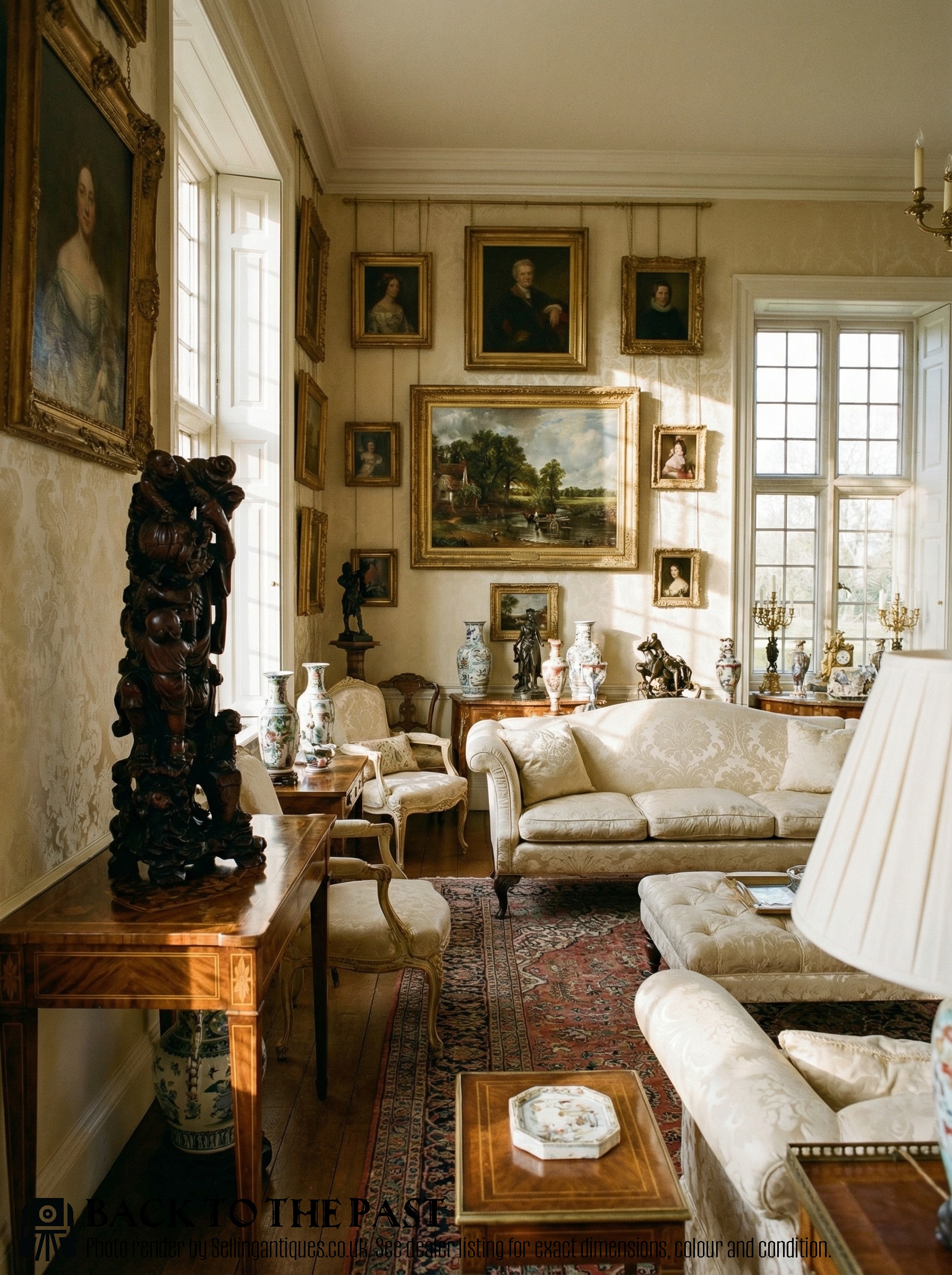
Chinese Oriental Figure Sculpture
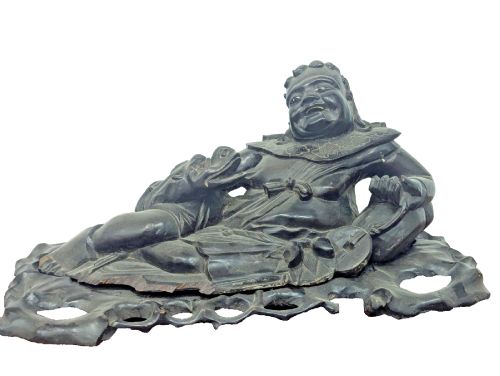
When you search for chinese oriental figure sculpture, you encounter a diverse range of artistic representations spanning ancient dynasties and later imperial periods. The selection contains figures carved from dense hardwoods, cast in bronze, moulded in pottery, and shaped from mineral stones like jade and soapstone.
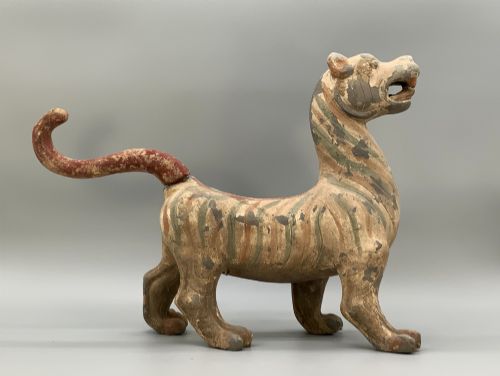
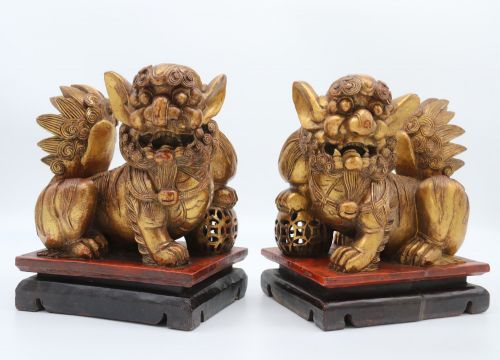
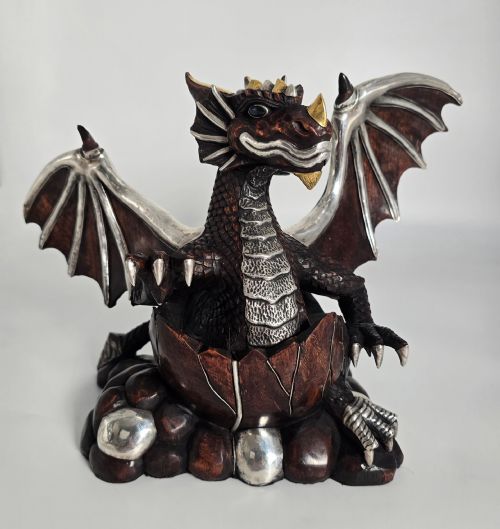
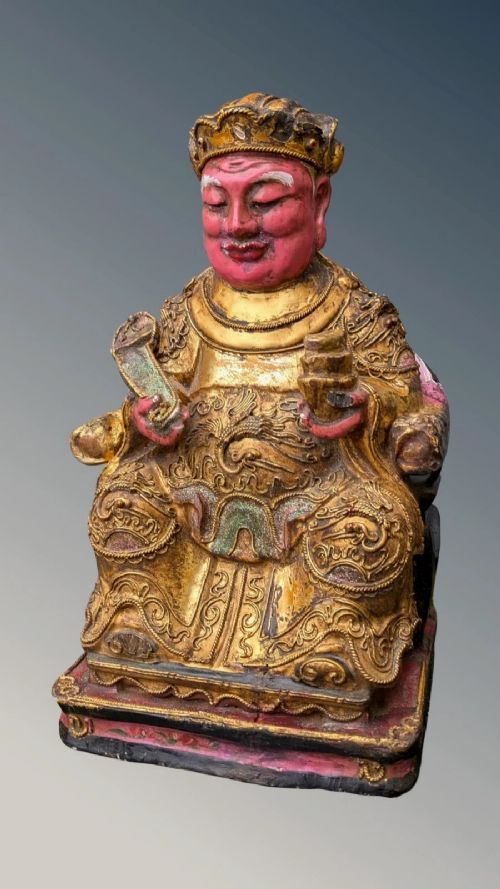
You meet representations of Buddhist lions, mythological beasts, scholars, and Daoist immortals in various postures. The forms vary from monumental guardian figures to miniature desk paperweights designed for scholars.
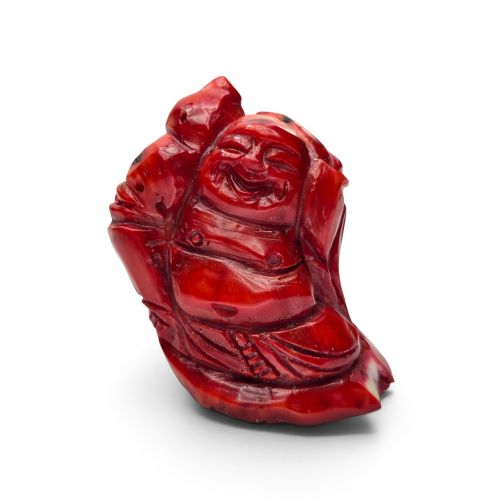
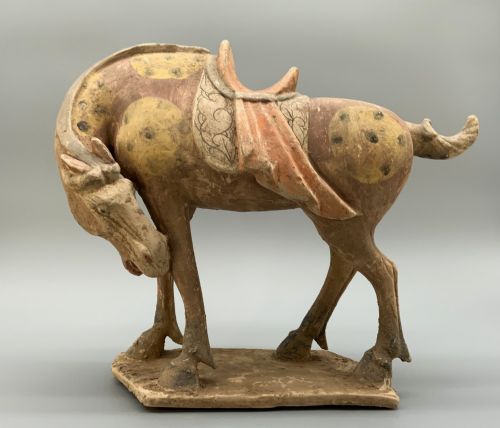
The material palette shifts from early terracotta tomb figures to intricate ivory-like coral carvings and lacquered wood. Pieces originate from multiple historic eras, reflecting traditional motifs and imperial styles.
Materials and Techniques
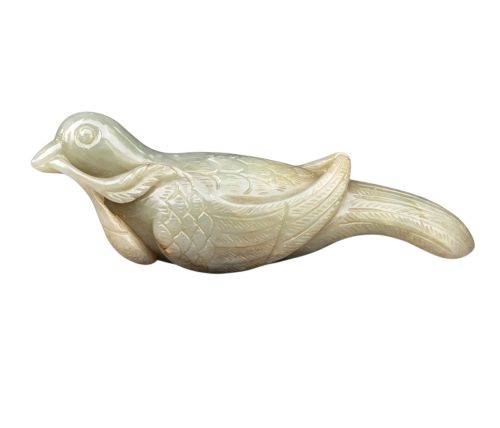
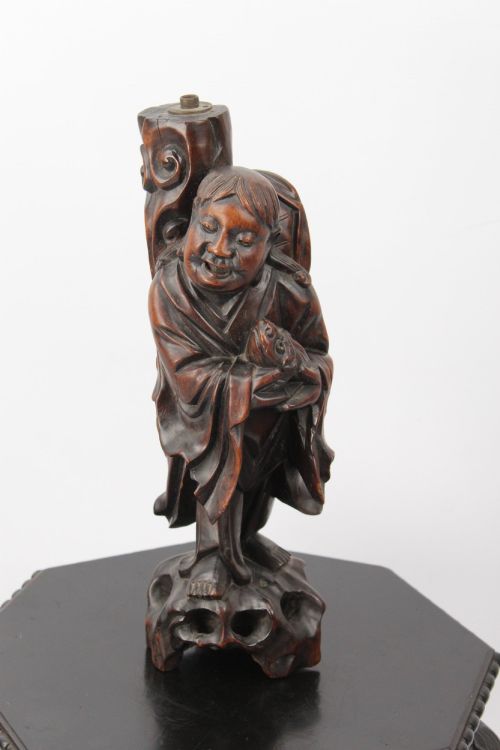
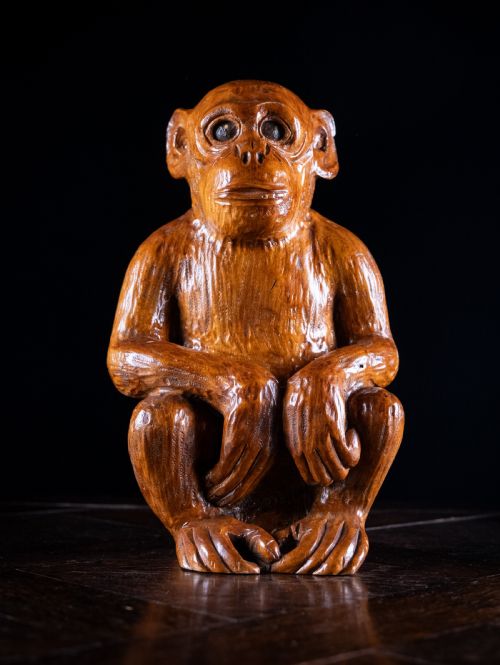
Artisans employed traditional carving methods on organic materials such as boxwood, hardwood, root wood, and bamboo, frequently detailing them with lacquer and gold leaf. Mineral carvers shaped jade, soapstone, bowenite serpentine, and red coral into intricate figural groups.
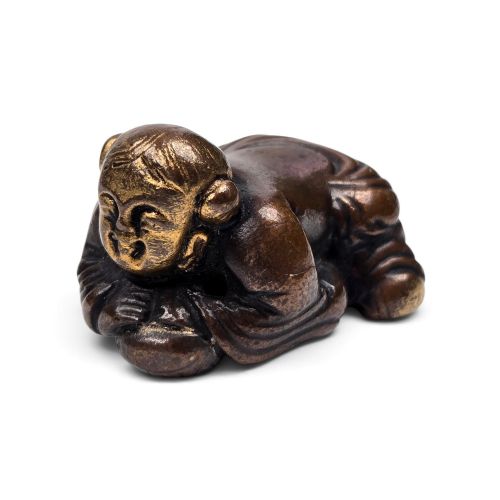
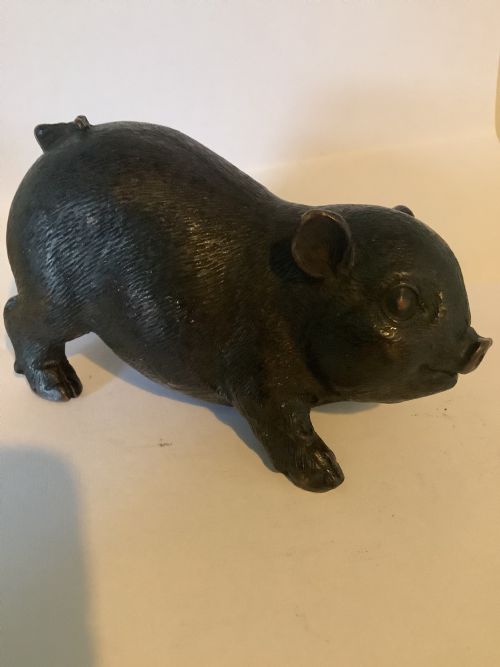
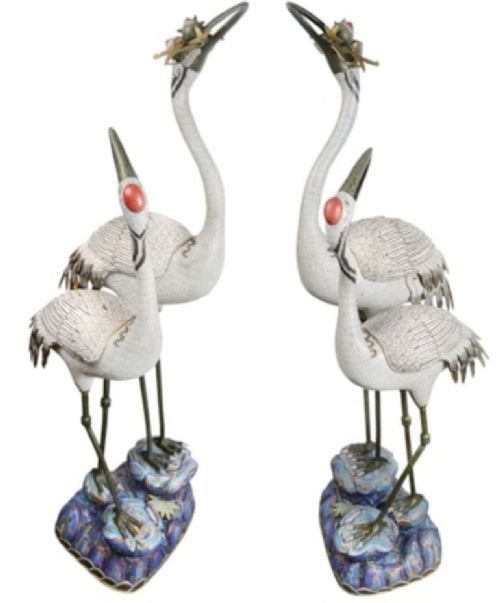
Metalworkers utilised bronze casting techniques, occasionally adding fire-gilding to highlight specific details on scholar objects and animal figures. Ceramicists moulded pottery and porcelain, applying sancai glazes, polychrome enamels, and hand-painted decorations.
Judging Quality and Execution
Quality rests in the precision of the carving and the fluidity of the form, distinguishing masterworks from standard decorative items. The depth of undercutting in hardwood and stone carvings separates skilled execution from basic shaping.
In cast bronzes and ceramics, the crispness of surface detail and the control of enamel or glaze application indicate the workshop standard. Natural flaws in stone or wood are integrated skilfully by superior makers rather than masked.
The Chinese Oriental Figure Sculpture Glossary
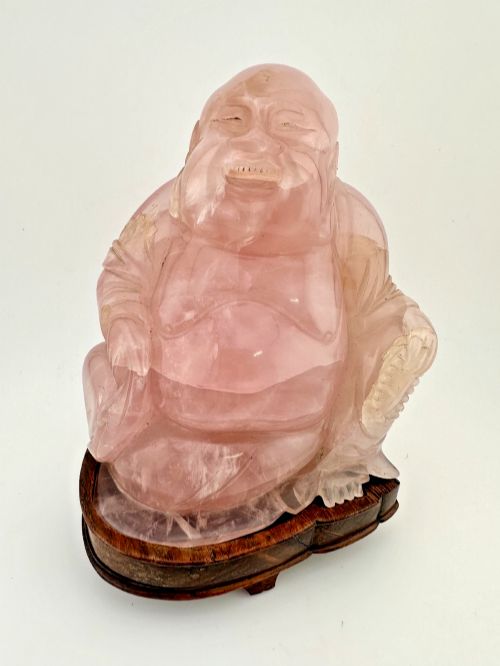
- Budai
- A representation of the laughing Buddha, typically depicted as a stout, jovial monk associated with contentment. These figures appear frequently in wood, porcelain, and stone.
- Foo Dog
- A traditional guardian lion sculpture placed to protect a space from negative influences. They are carved from stone, wood, and cast in bronze.
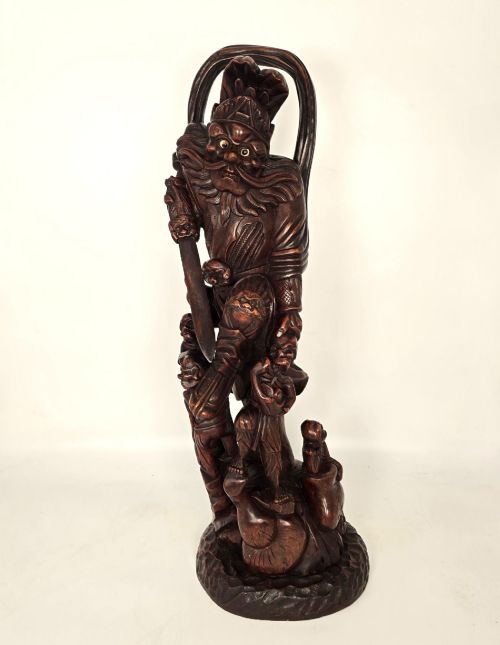
- Lokapala
- A celestial guardian king figure originating from Buddhist tradition, often rendered in a monumental scale to guard tomb sites or temples.
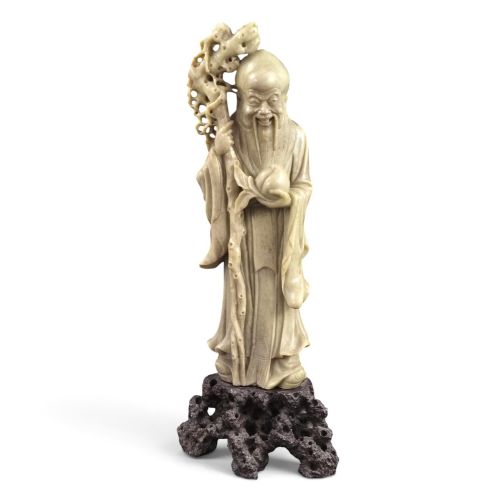
- Shoulao
- The Daoist god of longevity, usually portrayed with a high forehead and a staff. Sculptures of this figure appear in soapstone and other materials.
- Sancai
- A three-colour glaze technique utilised on pottery, combining green, amber, and cream tones. This finish is characteristic of Tang dynasty pieces and later revivals.
Chinese Oriental Figure Sculpture: Frequently Asked Questions
What materials were used?
Makers utilised a broad spectrum of organic and inorganic materials, including various hardwoods, bamboo, bronze, pottery, porcelain, and mineral stones such as jade and soapstone.
Craftsmen also applied gold leaf, lacquer, and polychrome enamels to enhance the visual depth of the sculptures.
How do I date a piece?
Dating relies on stylistic markers associated with specific dynasties and periods, such as Han dynasty pottery figures or Qianlong period porcelain.
Material patination, tool marks, and the specific iconography of garments and hair also provide reliable clues to the age of the sculpture.
Where were these figures placed?
Many figures served protective or religious functions within homes, temples, and tombs, acting as spiritual guardians or representations of auspicious deities.
Smaller objects, such as scholar's desk items, were kept in private studies for contemplation and daily use by scholars and officials.
How should I care for them?
Wooden and lacquer pieces require stable humidity levels to prevent cracking or warping of the organic material over time.
Mineral carvings and bronzes need gentle dusting with a soft, dry cloth without harsh chemical cleaning agents that might damage the surface patina.