



Chinese Export Porcelain Light
These Chinese export porcelain light pieces bring together hand-painted ceramics and metal mounts to illuminate interiors with historic character.
Chinese Export Porcelain Light
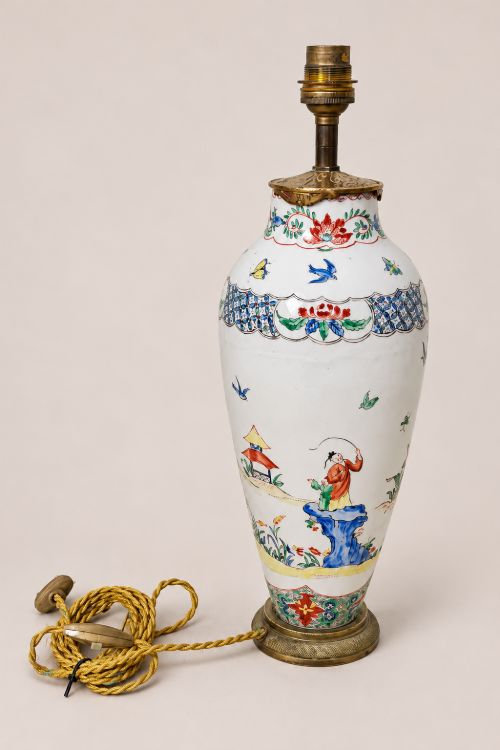
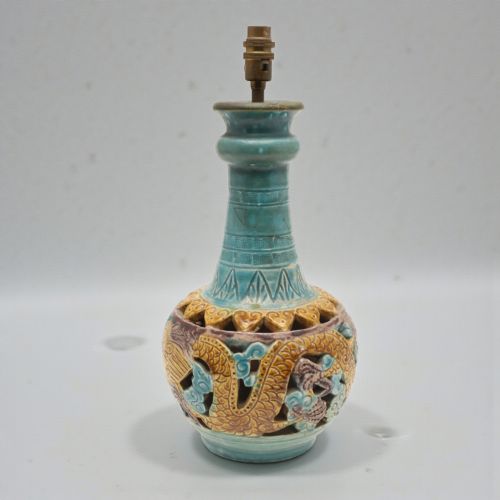
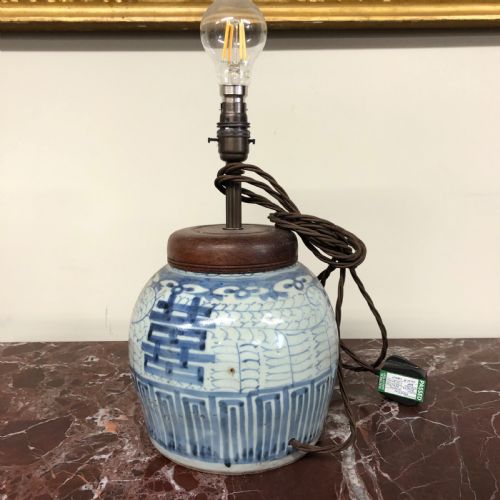
When you search for Chinese export porcelain light, you are looking at items that transform historic ceramic vessels into functional illumination. The selection centres on table lamps, oil lantern lamps, and candlesticks adapted from older containers.
Most examples originate from the nineteenth century, alongside pieces dated to the eighteenth century, Edwardian era, and nineteen-twenty. These creations often utilise vases, ginger jars, and lidded vessels as their ceramic bodies.
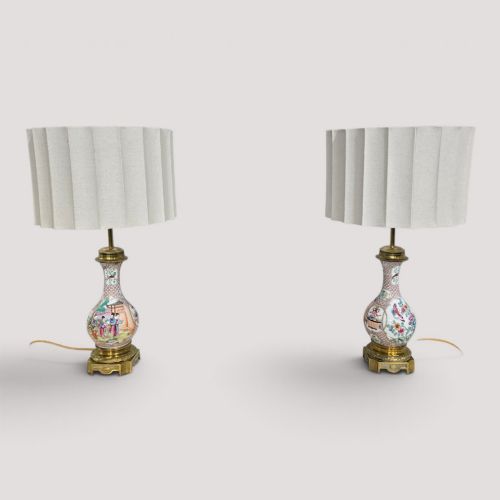
The forms span styles such as Chinese Export, Chinoiserie, Qing Dynasty, and Victorian Chinoiserie. Buyers frequently encounter pairs of lamps alongside single table lamps converted from decorative vases.
How they were made
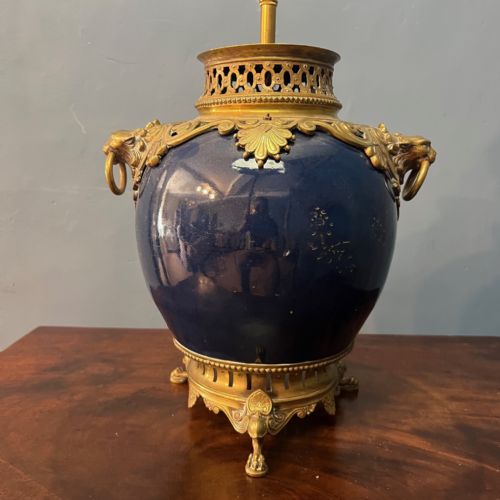
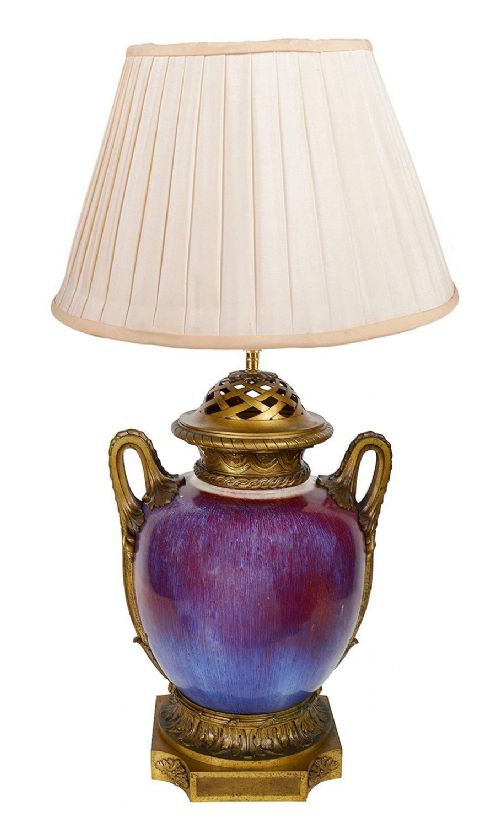
Makers utilised porcelain as the primary body, decorated with enamel palettes such as Famille Rose, Famille Verte, blue and white, Celadon, and Sang de Boeuf. These ceramic vessels were frequently paired with metal mounts including brass, ormolu, and gilt bronze.
Workshops adapted existing vases and jars by drilling the porcelain or securing metal collars to hold electrical or oil fittings. Fabric and silk elements were added for shades, while wood components sometimes formed bases for the ceramic bodies.
Chinese Export Porcelain Light Retail Price Guide 2026
Typical asking prices for chinese export porcelain light among the pieces listed under this phrase on Sellingantiques today, from the lower quarter to the upper quarter. They describe what is for sale here now, not the wider market.
Listings feature materials including porcelain, brass, fabric, gilt bronze, wood, ormolu, silk, and enamel across multiple centuries.
What varies in quality
The sophistication of the hand-painted enamel decoration and the crispness of the porcelain shaping define the upper tiers of these items. Finer examples display meticulous detail in floral and figurative motifs.
The integration of the metal mounts, whether ormolu or brass, marks another distinction. Superior pieces feature cast metalwork designed specifically to fit the contours of the ceramic body.
The Chinese Export Porcelain Light Glossary
- Famille Rose
- A palette of opaque enamel colours dominated by pink or rose, used extensively on eighteenth and nineteenth-century porcelain.
- Ormolu
- Gilded bronze mounts applied to furniture and porcelain bases, common in nineteenth-century decorative adaptations.
- Celadon
- A pale green jade-like glaze applied to porcelain bodies, originating in East Asia.
- Chinoiserie
- European decorative style reflecting Chinese artistic influences, popular across various periods.
- Ginger jar
- A wide-mouthed storage jar of rounded shape, frequently converted into a lamp base.
Chinese Export Porcelain Light: Frequently Asked Questions
What is a Chinese export porcelain light?
It is a functional lamp or lantern created by converting a historic ceramic vessel, such as a vase or ginger jar, into a lighting fixture.
These pieces combine Eastern ceramic manufacturing with Western mounting techniques, often featuring brass, ormolu, or wooden elements.
How are these lamps dated?
Dating relies on the stylistic markers of the porcelain, the specific enamel palette used, and the character of the metal mounts.
Nineteenth-century examples predominate, while eighteenth-century and Edwardian adaptations also appear within the selection.
What styles influence these lights?
The primary styles encompass Chinese Export, Chinoiserie, Qing Dynasty, and French Chinoiserie.
These designations reflect both the origin of the ceramic bodies and the European taste for decorative adaptation.
How do you live with them?
These lamps function as decorative table lighting that introduces historic colour and texture into sitting rooms and studies.
Pairs work well on sideboards or mantelpieces, while single lamps serve as accents on desks and side tables.