
Chinese Export Ceramic Dish
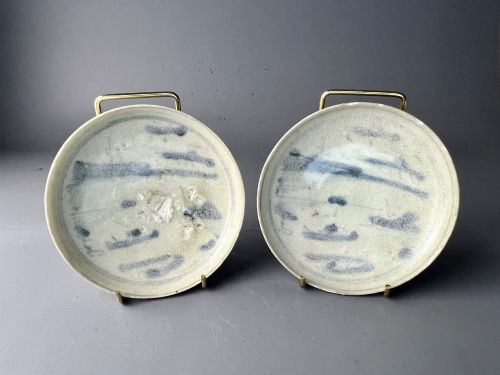
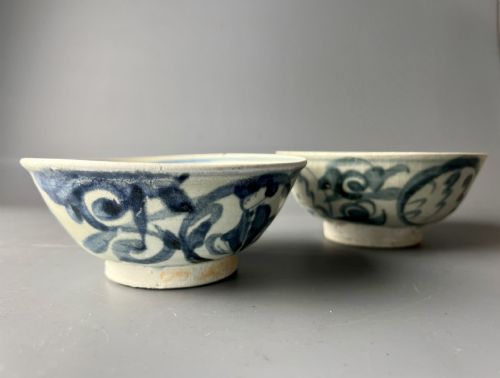
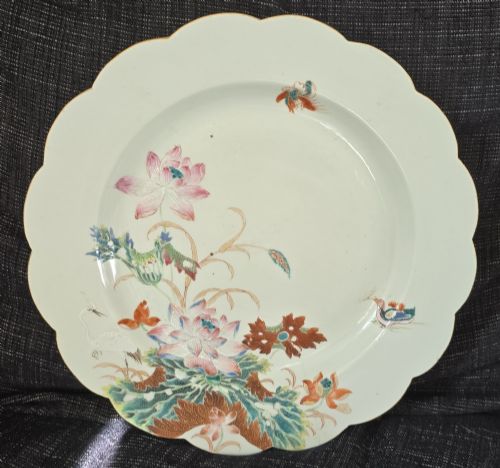
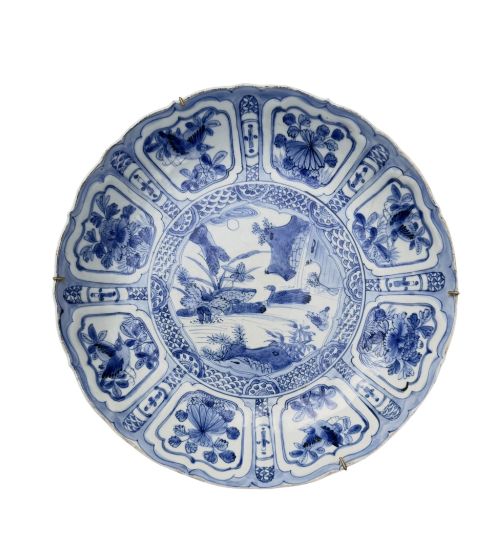
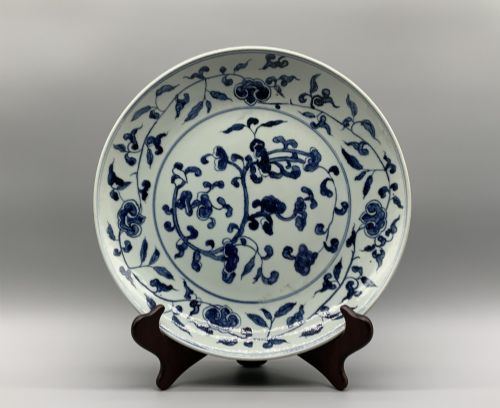
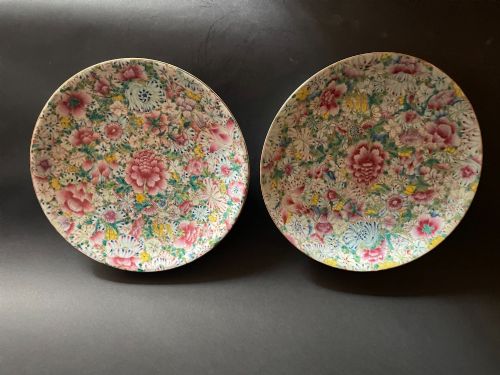
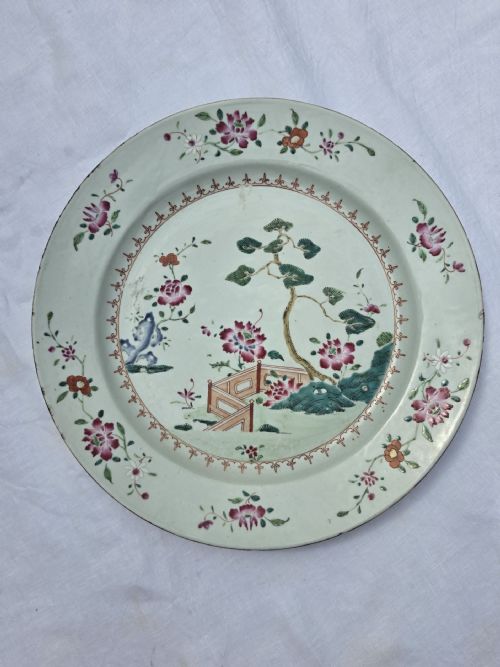
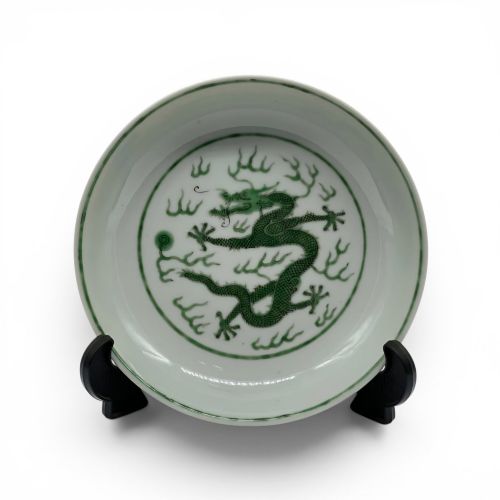
These pieces of a chinese export ceramic dish range from robust Ming Dynasty charger plates to intricate Canton famille rose bowls made for overseas markets.
Chinese Export Ceramic Dish
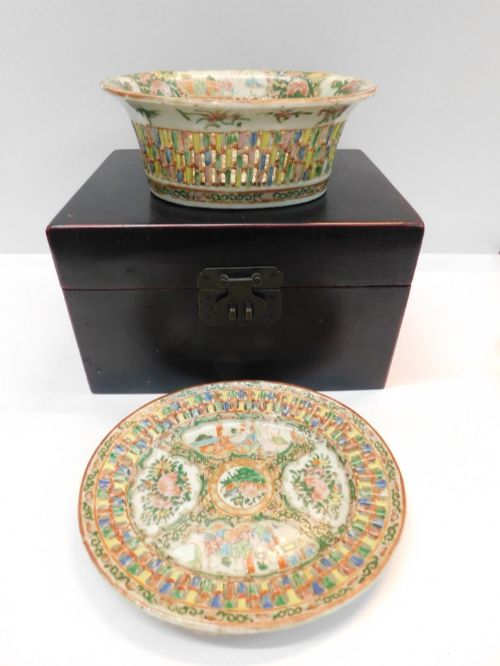
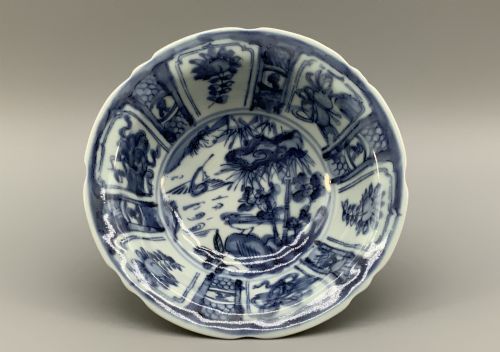
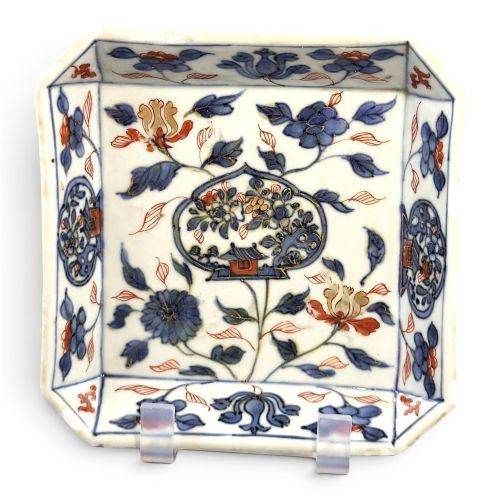
A chinese export ceramic dish encompasses plates, chargers, platters, and bowls created in China specifically for international trade from the sixteenth century onwards. The examples found here span diverse forms such as lobed bowls, reticulated chestnut baskets, and chamfered square dishes.
The objects frequently belong to distinct historical eras including the Ming and Qing Dynasties, alongside later nineteenth-century production. Buyers encounter both utilitarian serving vessels and highly decorative plates designed for display.
How they were made
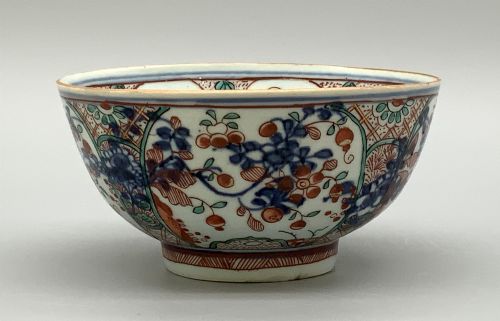
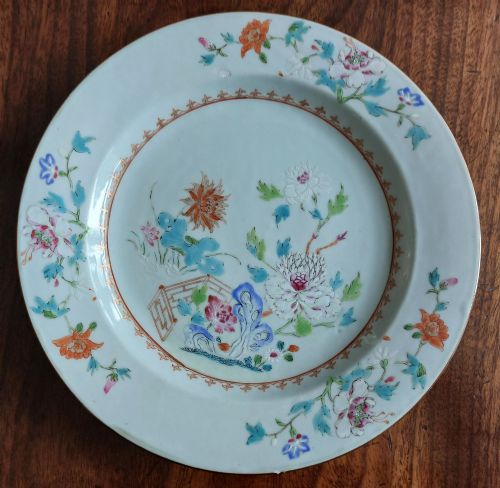
Potters utilised hard-paste porcelain shaped into plates and bowls, often finished with cobalt underglaze or rich enamel colours. Artisans applied meticulous hand-painting techniques, sometimes incorporating gilding and gold leaf to accent the detailed motifs.
Certain wares received secondary decoration in Europe, known as Amsterdam Bont, where domestic workshops added further enamel overglaze to imported white porcelain.
Listings feature hard-paste porcelain utilising cobalt underglaze, enamel, and gold leaf across the Ming and Qing Dynasties.
What varies in quality
The precision and clarity of the hand-painted cobalt blue or famille rose enamel define the upper tier of production. Crisp execution in complex pictorial scenes separates standard utility vessels from imperial-style or presentation pieces.
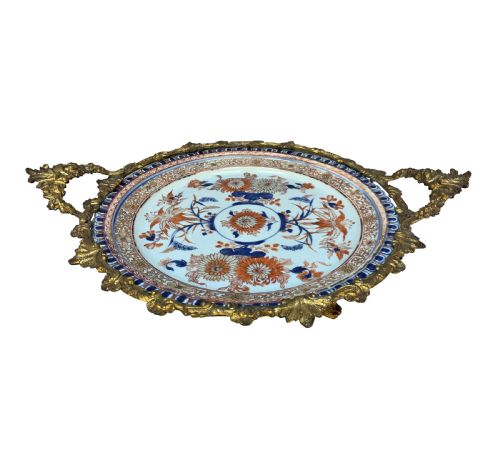
The weight, throwing consistency of the hard-paste porcelain, and the stability of any applied ormolu mounts dictate the overall structural refinement.
Edmé Samson & Cie·C.J. Mason
The Chinese Export Ceramic Dish Glossary
- Famille rose
- A palette of opaque enamel colours dominated by pink or rose hues, introduced during the Qing Dynasty. It allowed for delicate shading in floral and figural compositions.
- Cobalt underglaze
- A blue pigment applied to raw porcelain clay before glazing and high-temperature firing. This technique protects the vibrant blue decoration beneath a glassy surface.
- Hard-paste porcelain
- A dense, vitrified ceramic compound composed of petuntse and kaolin. It fires at extremely high temperatures to create a durable, non-porous body.
- Swatow ware
- A category of coarse-bodied Chinese export porcelain made in Fujian province for Southeast Asian and Japanese markets during the late Ming period. Pieces typically feature freely brushed underglaze blue or enamel designs.
Chinese Export Ceramic Dish: Frequently Asked Questions
How do I identify a Kangxi period dish?
Dishes from the Kangxi period often display brilliant cobalt blue underglaze on dense hard-paste porcelain, frequently featuring fine landscape or floral motifs. Examining the foot ring and the depth of the glaze provides further clues to this era.
Potters during this time achieved remarkable control over cobalt tones, yielding bright sapphire hues that distinguish these pieces from later nineteenth-century work.
What is Canton porcelain?
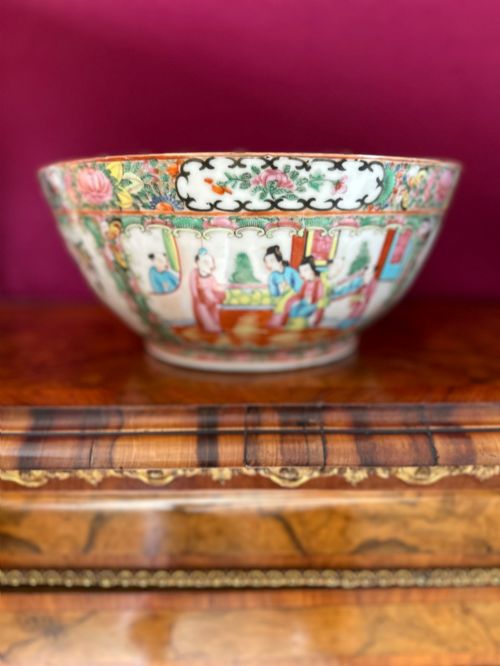
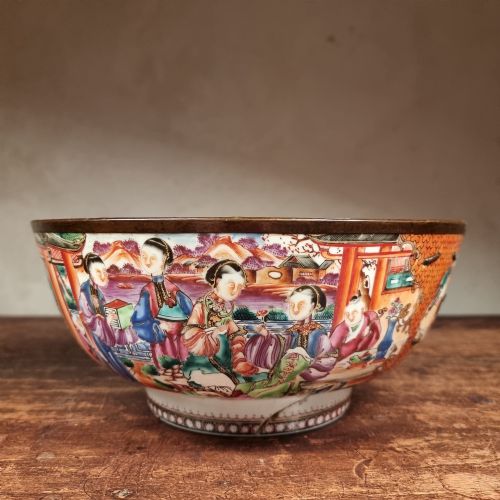
Canton porcelain refers to items decorated in Guangzhou, primarily during the nineteenth century, featuring vibrant famille rose palettes and Mandarin figural scenes. These pieces catered heavily to Western export markets.
The decoration often covers the surface densely with birds, flowers, and courtly figures framed in distinctive gilt medallions.
Were these dishes used for dining?
Many large chargers and platters served functional roles in wealthy households for serving food at large banquets, while smaller plates handled daily or ceremonial dining. Over time, numerous examples transitioned into purely decorative display objects.
Export records indicate that entire dinner services were commissioned by European and American families, complete with custom armorial crests.
How should I care for antique porcelain?
Antique porcelain requires gentle hand washing in lukewarm water with mild soap, avoiding dishwashers and harsh abrasive sponges. Proper support is essential when placing heavy chargers on display stands.
Sudden temperature changes can stress old glazes, so keeping pieces away from direct heat sources helps preserve the enamel and gold leaf.