



Chinese Dragon Table
A Chinese dragon table brings intricate carving and symbolic power into a room, offering both surface utility and distinct cultural artistry.
Chinese Dragon Table
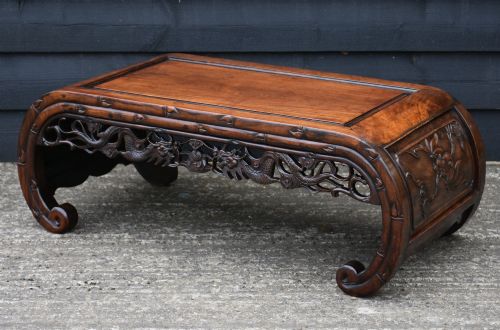
A Chinese dragon table encompasses low opium tables, side tables, and nesting sets originating from periods spanning the nineteenth century through the early decades of the twentieth century.
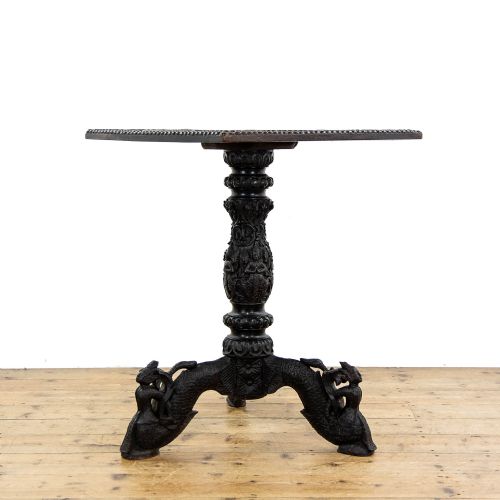
Buyers encounter forms ranging from heavy carved hardwood centre tables with inset marble tops to lighter occasional tables and coffee tables produced for export.
The aesthetic bridges traditional Qing Dynasty motifs with pieces tailored for Western interiors under Chinese Export and Chinoiserie styles.
Materials and Construction
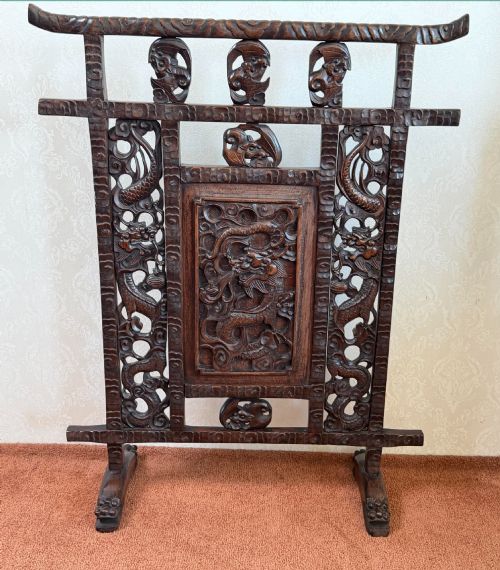
Carpenters utilised dense regional timbers such as rosewood, camphorwood, and general hardwood, often hand-carving deep relief ornamentation directly into the solid frame.
Many surfaces incorporate contrasting inserts, including smooth rouge marble panels or detailed lacquer work, secured within traditional joinery frameworks.
Listings feature items produced across the Victorian, Edwardian, and Qing Dynasty periods, utilising rosewood, hardwood, and marble.
Craftsmanship and Material Depth
The choice and stability of the primary timber dictate durability, with dense rosewood and heavy hardwoods commanding greater appreciation than secondary softer woods.
The Chinese Dragon Table Glossary
- Chinoiserie
- European artistic interpretation of Chinese decorative motifs. This style heavily influenced furniture and decorative objects during the nineteenth century.
- Hardwood
- Dense, durable timber derived from angiosperm trees. Rosewood and camphorwood fall into this category.
- Opium table
- Low furniture piece traditionally used for serving or resting. These compact items often feature short legs and detailed apron carvings.
- Marble top
- Stone insert fitted flush into a wooden frame. This surface provides coolness and resistance to heat or moisture.
Chinese Dragon Table: Frequently Asked Questions
How do I clean a carved hardwood table?
Dust regularly with a dry, soft cloth to prevent particles from settling deep into the carved recesses of the wood.
Avoid liquid polishes or silicone sprays, as moisture can damage dry antique finishes over time.
Where should I place a nest of tables?
Nesting tables function effectively beside seating areas where surface space needs to expand and contract for guests.
Keep them away from direct sunlight and heat sources to prevent the timber from drying or cracking.
What defines a Qing Dynasty style piece?
Qing design incorporates robust proportions, symbolic animal motifs such as dragons, and deep hand-carved relief work.
These characteristics reflect traditional craftsmanship standards maintained across late imperial workshops.
How do I identify rosewood furniture?
Rosewood exhibits a heavy density, a tight grain, and deep reddish-brown or dark hues that darken with age.
The natural oils in the timber give the surface a subtle sheen when polished without heavy varnishes.