





Chinese Dragon Carved Desk
These pieces known as a chinese dragon carved desk are heavy hardwood furniture items adorned with fierce mythical beasts, offering practical workspace steeped in imperial symbolism.
Chinese Dragon Carved Desk
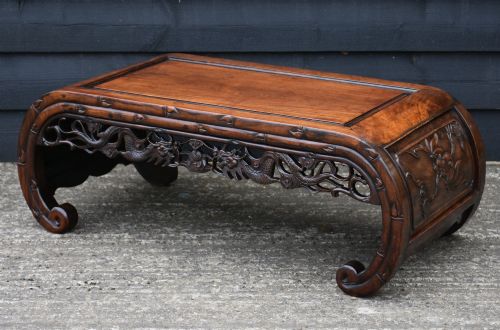
A chinese dragon carved desk represents the intersection of functional nineteenth-century workspace furniture and elaborate oriental craftsmanship. These pieces typically emerge from periods such as the Victorian and Edwardian eras, as well as the late Qing Dynasty.
Buyers encountering this category will find solid timber construction featuring intricate motif work rather than simple flat surfaces. The forms range from low tables and centre tables to dedicated writing surfaces, often incorporating regional styling like Chinese Export or Chinoiserie.
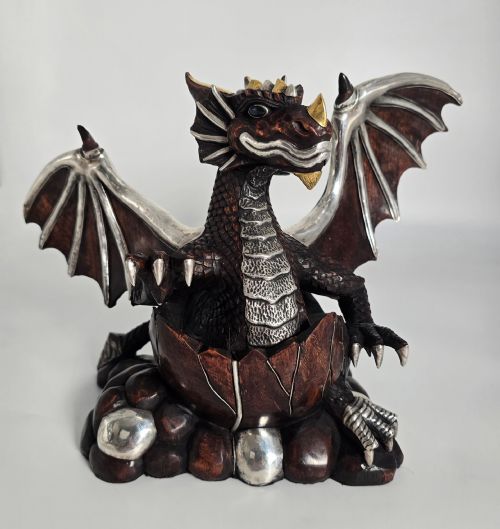
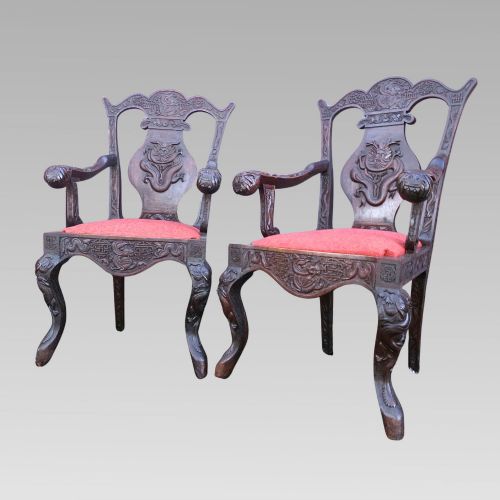
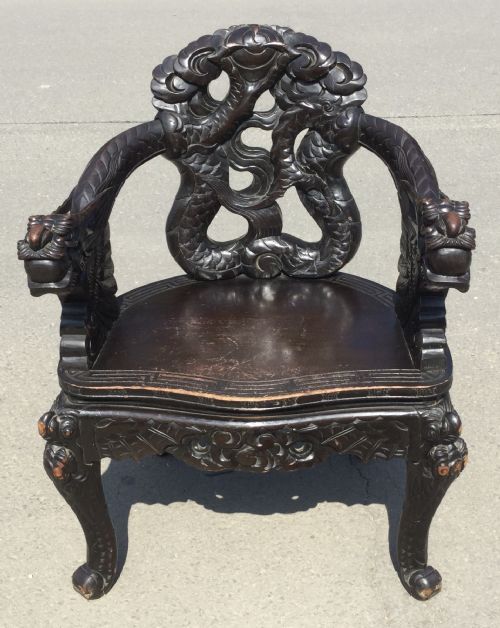
The defining characteristic across these items remains the presence of carved dragon details integrated into the structural woodwork. Such desks combine utility with distinct sculptural presence.
Materials and construction
Makers utilised dense timbers, predominantly rosewood and dark hardwood, to withstand deep relief carving without splitting. These materials provided the necessary weight and durability for heavy tables and structural stands.
Carvers employed hand-chiselling techniques to bring the dragon motifs and scale patterns into high relief across the aprons and legs. Metal mounts in brass or mixed metals occasionally reinforced the joinery and added decorative contrast.
Several pieces feature defiant dragons clutching pearls, daring you to write a single dull sentence.
Assessing the craftsmanship
The depth and fluidity of the hand-carving separate standard production items from superior examples. Master carvers imparted distinct movement and expression to the dragon figures, whereas lesser work appears stiff and shallow.
The choice of timber significantly impacts the overall integrity and finish of the piece. Dense rosewood with consistent grain and rich natural colour indicates a higher standard of material selection by the maker.
The Chinese Dragon Carved Desk Glossary
- Hardwood
- Slow-growing timber such as rosewood or elm, valued for density and deep grain. It provides the rigid foundation required for intricate relief carving.
- Chinese Export
- Furniture produced in China specifically for Western markets during the nineteenth and early twentieth centuries. It often blends traditional domestic forms with European utility.
- Qing Dynasty
- The final imperial dynasty of China, spanning from the seventeenth to the early twentieth century. Pieces from this era often feature traditional imperial iconography including dragons and cloud bands.
- Chinoiserie
- European decorative style reflecting Chinese artistic influences. This aesthetic appears in imported furniture and local adaptations inspired by oriental design.
Chinese Dragon Carved Desk: Frequently Asked Questions
What is a chinese dragon carved desk?
It is a heavy timber workspace surface decorated with hand-carved dragon motifs. These pieces date primarily from the nineteenth and early twentieth centuries.
They combine traditional Chinese woodworking techniques with the functional requirements of nineteenth-century writing furniture.
How do I date a chinese dragon carved desk?
Dating relies on examining the timber species, joinery methods, and the style of the carving. Nineteenth-century examples often display dense rosewood and deep hand-chiselled relief.
Comparing the motif work to documented pieces from the Victorian era or Qing Dynasty helps narrow the period of origin.
Where were these desks made?
Many items were produced in Chinese workshops for both domestic use and the export market. European makers also produced Chinoiserie adaptations during the same eras.
Workshop traditions varied across different regions, influencing the specific choice of hardwood and carving depth.
How should I care for a hardwood desk?
Maintain the timber by keeping the desk away from direct sunlight and sudden temperature fluctuations. This prevents the dense hardwood from drying out or splitting.
Apply occasional natural wax to nourish the grain and preserve the deep lustre of the rosewood surface.