
Qing Dynasty Desk
These pieces associated with a qing dynasty desk span scholar's accessories, hardwood furniture, and porcelain vessels from centuries of Chinese craftsmanship.
Qing Dynasty Desk
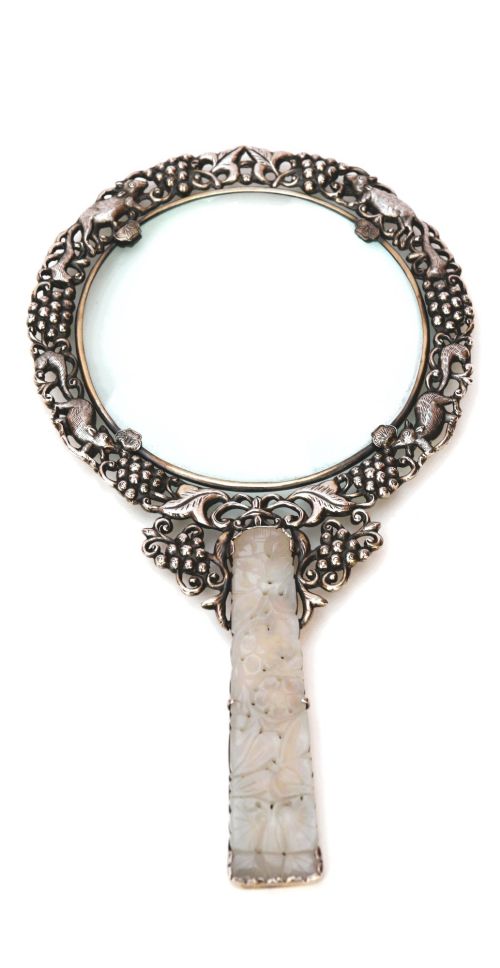
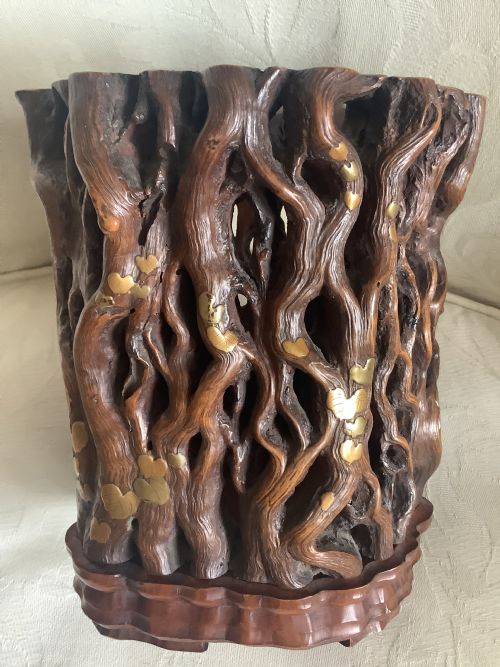
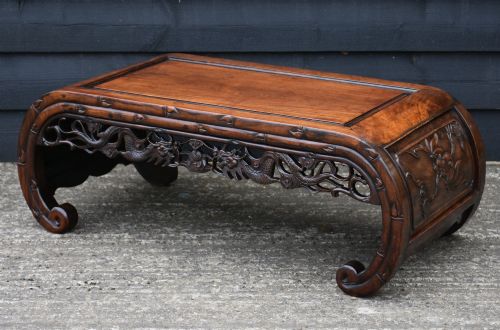
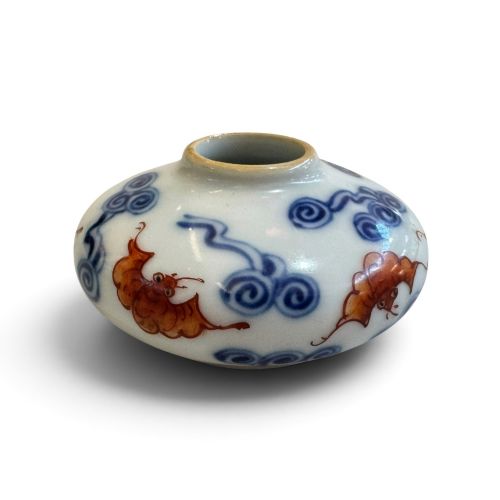
When searching for a qing dynasty desk, buyers typically encounter an array of scholar's studio items, hardwood tables, seating, and writing boxes originating from the 17th through the early 20th centuries. The selection on this page centres heavily on smaller desk accessories like porcelain brush pots, bronze censers, and jade carvings, alongside larger rosewood and elm tables.
Many of these objects served traditional functions within the scholar's studio, providing utilitarian utility for writing, brush washing, and ink preparation. Others represent seating and occasional tables designed for elite interiors during the Qing period and the late imperial transition.
Understanding quality differences
The degree of refinement in hand-carved details separates standard utility objects from top-tier scholarly pieces. Superior examples display crisp, confident incisions on jade and bamboo alongside balanced proportions and thoughtful integration of natural material flaws.
Material selection and imperial association heavily influence the standing of an item. Dense, well-finished hardwoods and richly glazed porcelains with distinct reign marks demonstrate a higher level of workshop competence than routine commercial productions.
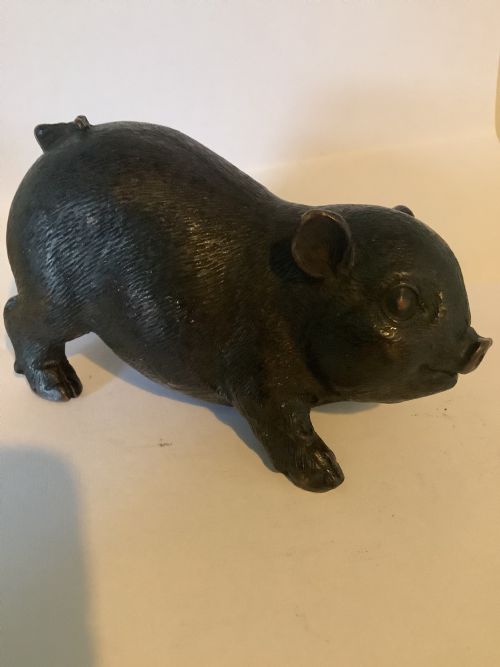
Among the scholarly companions for your desk, you might find a heavy cast bronze pig standing ready for action.
The Qing Dynasty Desk Glossary
- Bitong
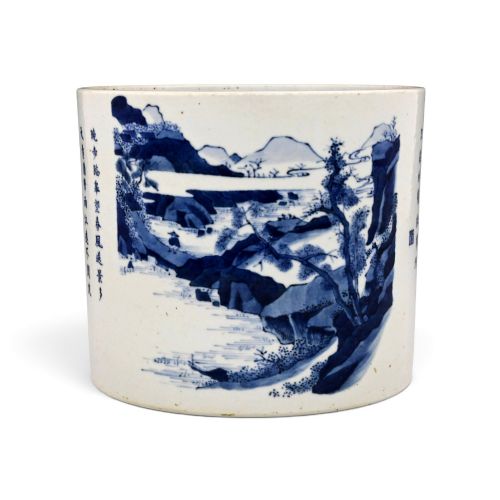
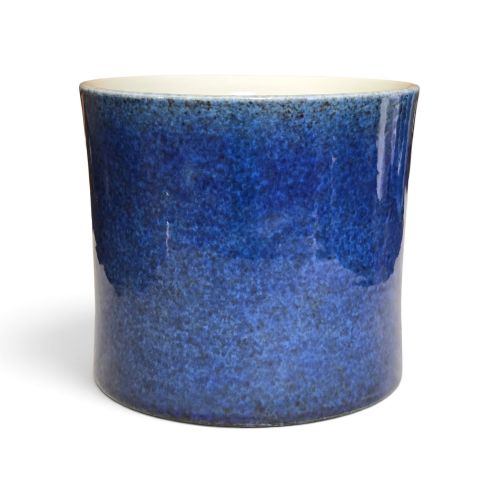
- A cylindrical brush pot used in the scholar's studio to hold writing brushes. These vessels appear in porcelain, hardwood, bamboo, and jade.
- Censer
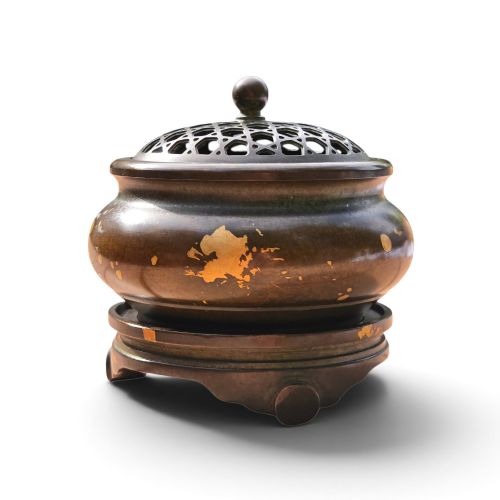
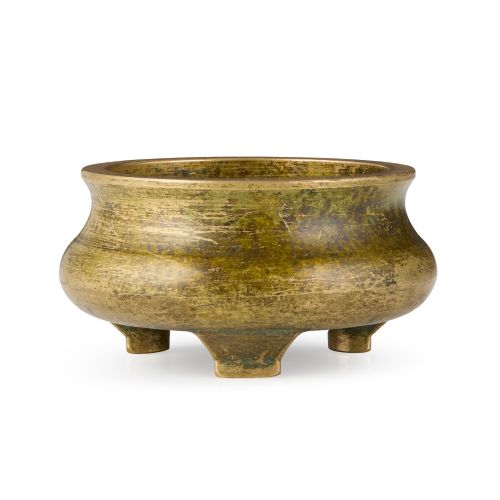
- A vessel utilised for burning incense during scholarly pursuits or meditative practices. They frequently appear in cast bronze with tripod supports.
- Celadon
- A term for ceramics featuring a pale green transparent glaze that mimics the appearance of jade. The glaze results from iron oxide in a reduction kiln.
- Famille Rose
- A palette of opaque enamel colours dominated by pink or rose hues introduced to Chinese porcelain production during the Qing dynasty.
- Scholar's Studio
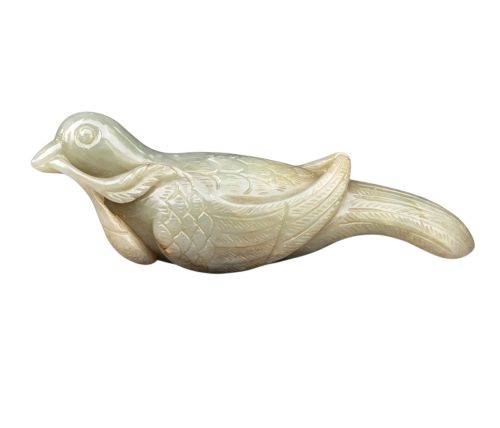
- The physical and cultural space of the traditional Chinese literati. Objects found here include brush washers, water birds, and table screens.
Qing Dynasty Desk: Frequently Asked Questions
How are Qing dynasty desks identified?
Authentic pieces from this era are recognised through traditional joinery methods, mature timber patina, and stylistic elements typical of Chinese imperial and export workshops.
Many associated items bear specific reign marks or stylistic traits that help specialists narrow down their production period to the 17th, 18th, or 19th centuries.
What materials were used on scholar's desks?
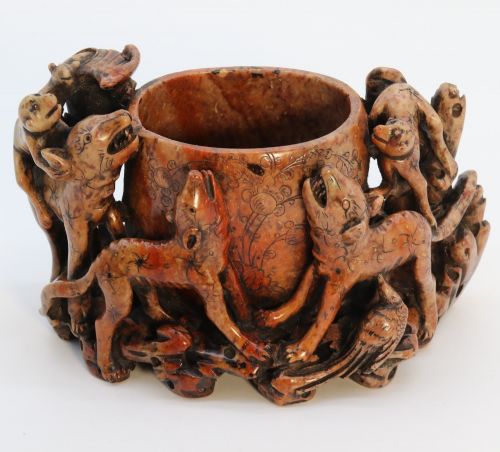
Scholars utilised desks equipped with accessories made from jade, bronze, porcelain, soapstone, and bamboo. Each material carried distinct symbolic and practical significance within the studio.
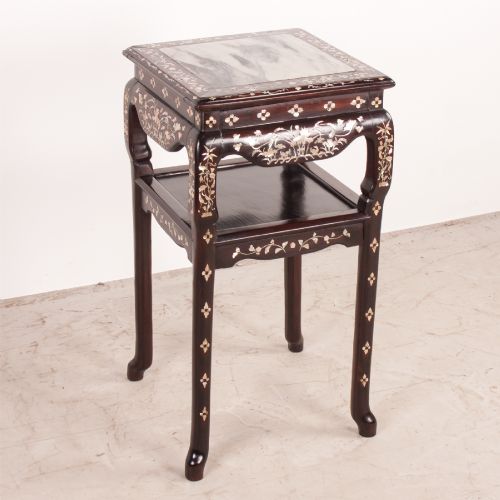
Writing boxes and low tables were typically constructed from dense hardwoods like rosewood or elm, frequently accented with brass fittings or mother-of-pearl inlay.
How do you display antique Chinese furniture?
These hardwood tables and chairs integrate effectively into modern interiors by serving as functional writing surfaces, occasional tables, or standalone statement seating.
Maintaining stable room humidity protects the aged timbers and prevents cracking in dry environments while preserving the original surface patinas.