



Chinese Decorative Enamelware
Chinese decorative enamelware brings vibrant colour and meticulous wirework into a room, offering centuries of craftsmanship in pieces from tiny snuff boxes to grand vases.
Chinese Decorative Enamelware
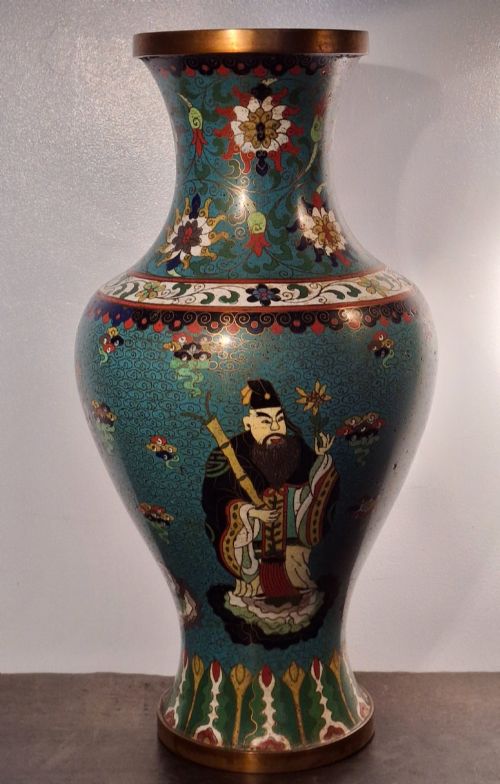
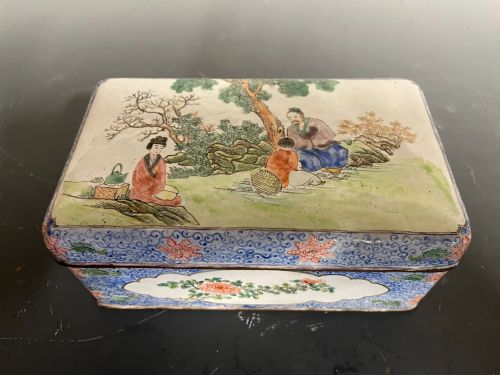
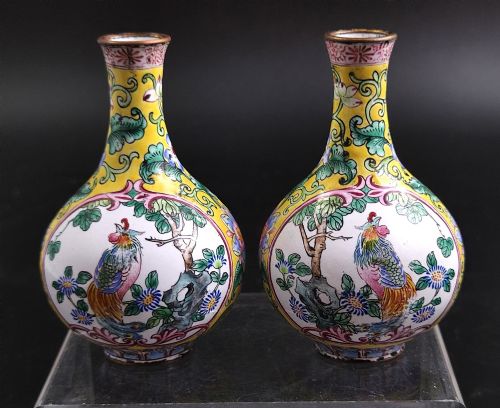
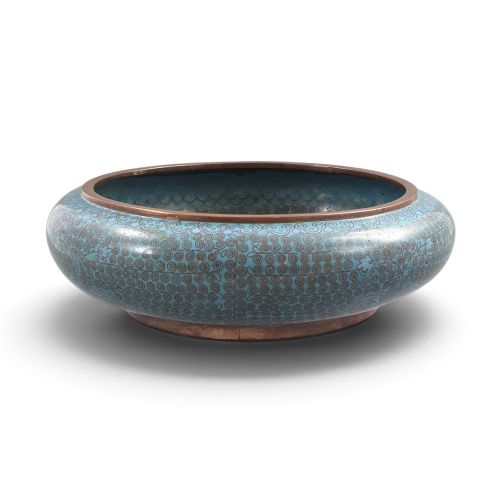
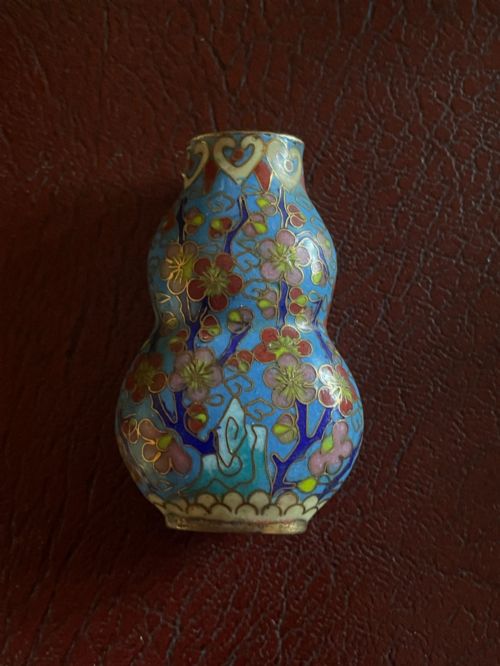
Chinese decorative enamelware encompasses a rich assortment of vessels and figures created across the eighteenth, nineteenth and early twentieth centuries. These objects range from miniature vases and scholar's brush washers to teapots, decorative bowls and large elephant sculptures.
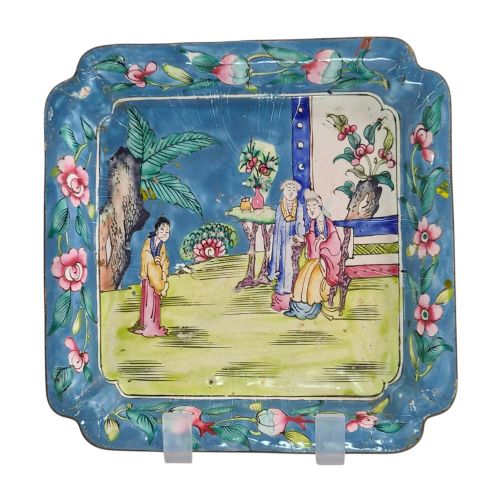
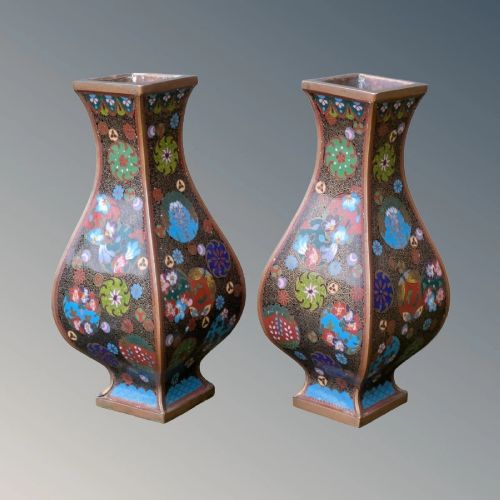
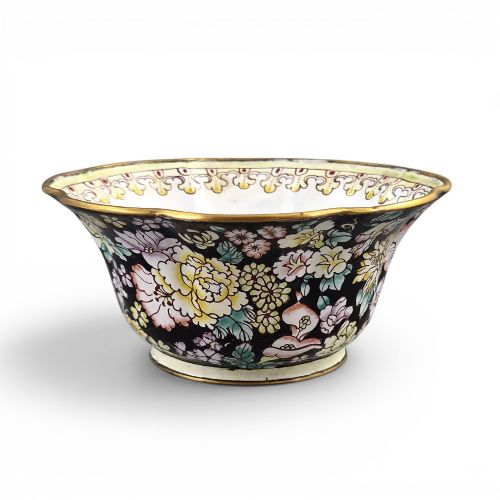
The pieces on this page heavily feature traditional cloisonné enamel alongside painted enamel on copper surfaces. Buyers encounter works originating from periods such as the Qing Dynasty and the Chinese Republic Period, as well as items influenced by Chinese export decorative art.
Vessels are often found in pairs, designed to create balanced displays on mantelpieces or cabinets. Smaller domestic items, including lidded jars and snuff boxes, demonstrate the same attention to detail on a more intimate scale.
Materials and methods
Artisans built these pieces using metal foundations of copper, brass, bronze or copper alloy. Vitreous enamel paste was then applied to the metal surfaces to create the colourful designs.
In cloisonné work, fine metal wires were soldered onto the metal body to form cells which held the coloured enamel pastes before firing. Painted enamel pieces, particularly those from Canton and Beijing, involved applying enamel directly onto hammered copper bases.
Chinese Decorative Enamelware Retail Price Guide 2026
Typical asking prices for chinese decorative enamelware among the pieces listed under this phrase on Sellingantiques today, from the lower quarter to the upper quarter. They describe what is for sale here now, not the wider market.
Evaluating quality and execution
The finesse of the wirework in cloisonné pieces dictates much of the visual appeal. Uniformity in the soldered cells and smoothness in the polished enamel surface separate standard production from superior examples.
Weight and metal gauge also influence the integrity of the object, as sturdier copper or bronze foundations provide a better base for the vitreous layers. The complexity of the palette and the crispness of the painted details dictate the standing of each piece.
The Chinese Decorative Enamelware Glossary
- Cloisonne Enamel
- A technique where thin metal wires are soldered to a metal base to create compartments for enamel paste. These wires remain visible on the finished surface to outline the colourful design.
- Canton Painted Enamel
- Enamelwork produced in the Canton region featuring pigments applied directly onto copper without wire cells. The resulting designs resemble miniature paintings.
- Beijing Enamel
- High-quality enamelware produced in imperial workshops in Beijing. These pieces are noted for their refined painted details and delicate proportions.
Chinese Decorative Enamelware: Frequently Asked Questions
What is Chinese decorative enamelware?
It refers to metal objects decorated with fused glass powder, spanning techniques like cloisonné and painted enamel. These include functional vessels and ornamental sculptures.
They reflect historical periods of Chinese craftsmanship, notably the Qing dynasty and the early twentieth century.
How were these items used originally?
Many pieces served practical functions in scholarly or domestic settings, such as washing brushes or containing tea and snuff. Others were purely ornamental items created for display.
Export pieces were also made specifically for international markets to satisfy the Western appetite for oriental art.
How do I care for antique enamelware?
Dust the surfaces gently with a soft, dry cloth to prevent accumulation in recessed wirework. Avoid harsh chemical cleaners and abrasive materials that can scratch the vitreous surface.
Keep pieces away from direct sunlight and extreme temperature fluctuations to protect the metal and enamel bond.
How can I tell the period of a piece?
Dating relies on stylistic clues, the type of metal alloy used for the base, and the characteristics of the enamel colours. Eighteenth-century pieces often display different weight and palette qualities compared to Edwardian or Republic period works.
Comparing the manufacturing technique with known historical examples helps establish an approximate date.