

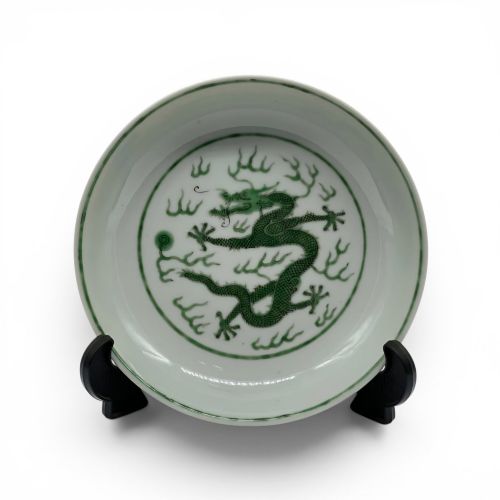


Chinese Decorative Dish
These porcelain, enamel, and metal objects offer a glimpse into centuries of craftsmanship, prized for intricate hand-painted detail and decorative form.
Chinese Decorative Dish
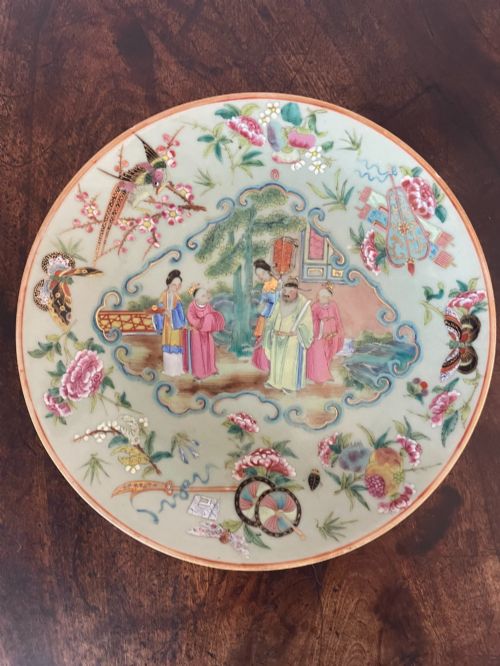
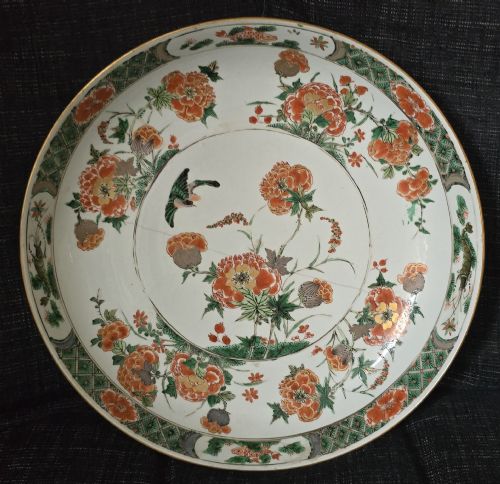
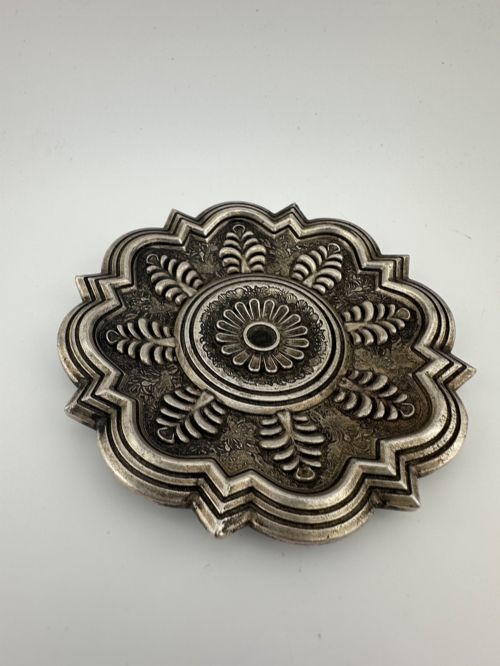
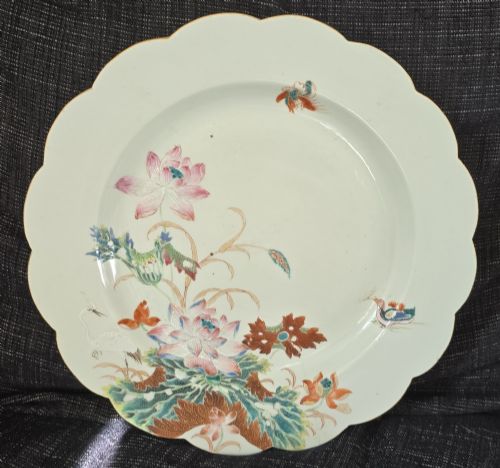
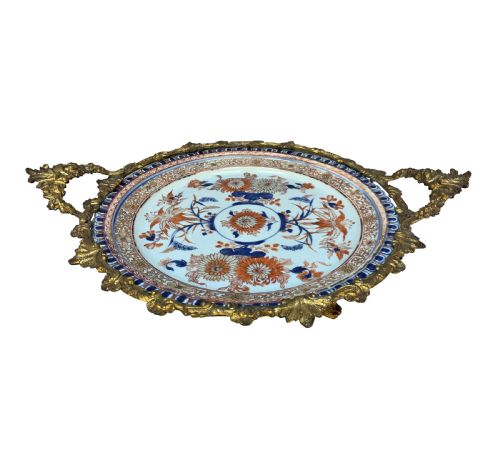
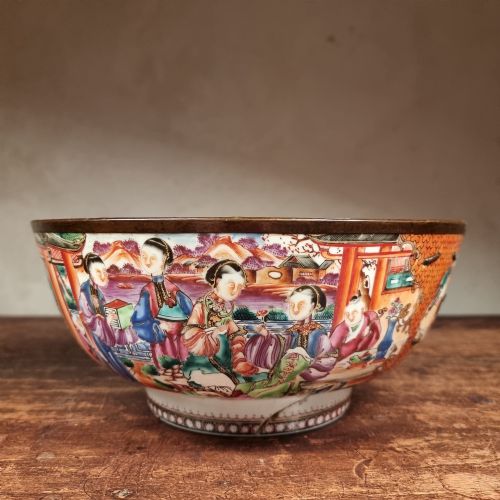
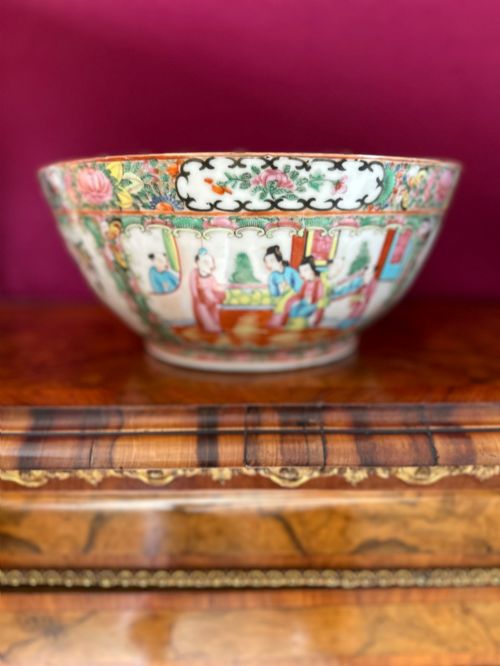
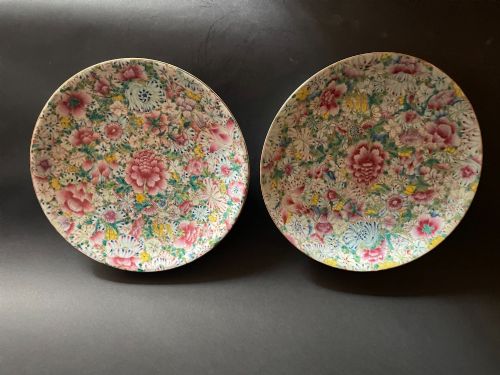
A Chinese decorative dish encompasses plates, bowls, chargers, and small vessels produced for display, dining, and scholarly use over several centuries. Buyers encounter pieces ranging from early porcelain plates bearing Kangxi period marks to later Canton enamel bowls and metal vessels.
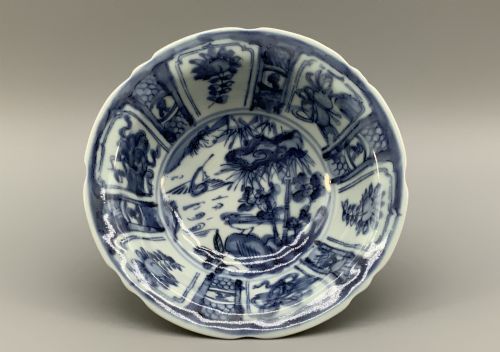
The selection includes items shaped as lobed bowls, barbed rims, and flat chargers, spanning periods from the seventeenth century through the early twentieth century. Most examples on this page reflect traditional export styles, Qing dynasty aesthetics, and European interpretations like Regency Chinoiserie.
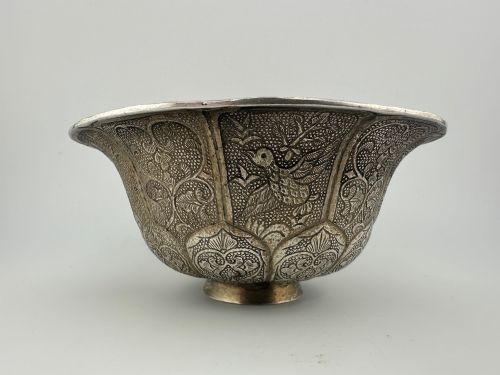
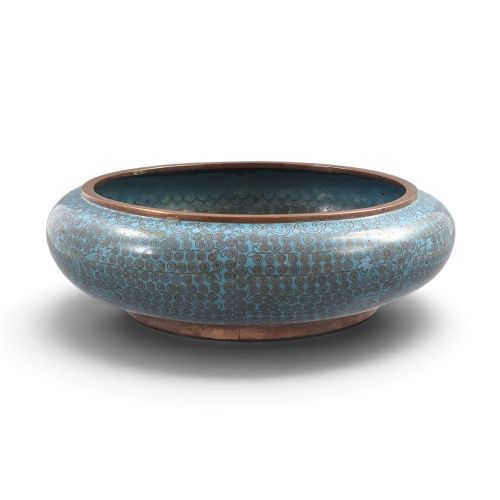
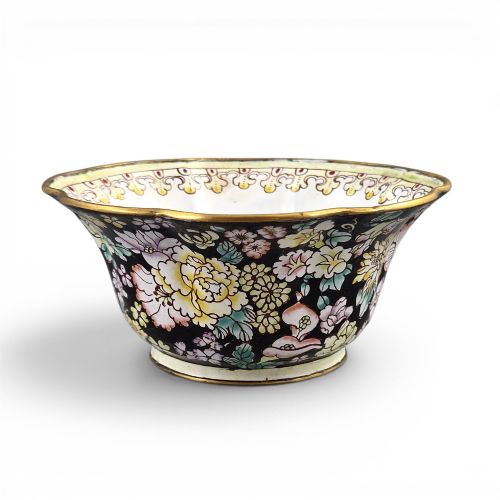
Forms vary from delicate scholar's brush washers to large chargers and deep bowls, executed in porcelain, enamel-on-copper, white metal, and brass. Each object serves primarily as an ornamental focal point rather than utilitarian tableware.
Distinctions in craftsmanship and finish
Quality rests in the precision of the hand-painted detail, the clarity of the glaze, and the crispness of moulded elements like barbed rims or lobed contours. Superior examples display balanced composition, vibrant enamel colours that adhere evenly without pooling, and well-defined reign marks.
Finer metal and enamel pieces exhibit tightly fitted cloisonné wirework and uniform surface polish, whereas lesser items show irregular cell boundaries or muted pigments. The weight and stability of the underlying porcelain or bronze body also signal the level of workshop care.
The selection includes regional Chinese export styles, Qing dynasty wares, and European interpretations such as Regency Chinoiserie.
Daisy Makeig-Jones·C.J. Mason·Wedgwood
The Chinese Decorative Dish Glossary
- Famille Rose
- A palette of opaque pink and rose enamels introduced in the Qing dynasty. This coloration allowed artists to render delicate floral and figural scenes with subtle tonal gradations.
- Cloisonné
- A metalwork technique where thin wires form raised barriers on a vessel body. Artisans fill these enclosed spaces with coloured glass paste before firing and polishing.
- Imari
- A style of ceramic decoration originating in Japan and later imitated in China and Europe. It typically combines underglaze blue with iron-red and gilt overglaze highlights.
- Charger
- A large decorative plate intended for display on a sideboard or wall rather than for serving food. These pieces often feature the most elaborate painted or moulded designs.
- Qing Dynasty
- The final imperial dynasty of China, lasting from sixteen forty-four until nineteen twelve. Many decorative items date from its later reigns, such as the Qianlong and Guangxu periods.
Chinese Decorative Dish: Frequently Asked Questions
How were these dishes originally displayed?
Dishes and chargers were often stood on wooden bases or hung on walls in European drawing rooms and Chinese scholar's studios. Their intricate painted surfaces were meant to be admired up close rather than used for daily dining.
Larger chargers occupied central positions on sideboards, while smaller brush washers and bowls sat upon desks alongside scholarly implements.
What is the difference between porcelain and enamel?
Porcelain is a hard, vitrified ceramic fired from white clay and petuntse, providing a translucent white canvas for underglaze blue or overglaze painted scenes. Enamel involves fused glass paste applied directly onto a metal base like copper, brass, or bronze.
While porcelain relies on ceramic glazes for its finish, enamel achieves vibrant opaque colours through repeated high-temperature firings on metal.
How do I care for antique ceramic and metal dishes?
Dust these pieces gently with a soft, dry brush to prevent the accumulation of particles in recessed carved areas or enamel wires. Avoid harsh chemical cleaners, immersing them in water, or placing them in areas with direct sunlight.
Metal mounts and silver components benefit from occasional professional assessment rather than aggressive home polishing, which can wear away thin gilding or surface patination.
Can I use these decorative bowls for food?
These historical items are intended solely for display and collection. Many older glazes and enamel formulations contain mineral compounds that are unsuitable for modern food contact.
Displaying them on flat surfaces or sturdy stands protects both the fragile edges and the historic painted decoration from accidental chips.