


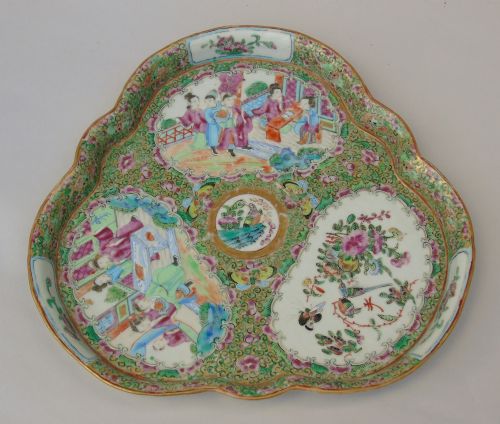
Pink Enamel Porcelain Plate
A pink enamel porcelain plate brings vibrant colour and intricate hand-painted detail to a room, offering a tangible piece of historic ceramic artistry.
Pink Enamel Porcelain Plate
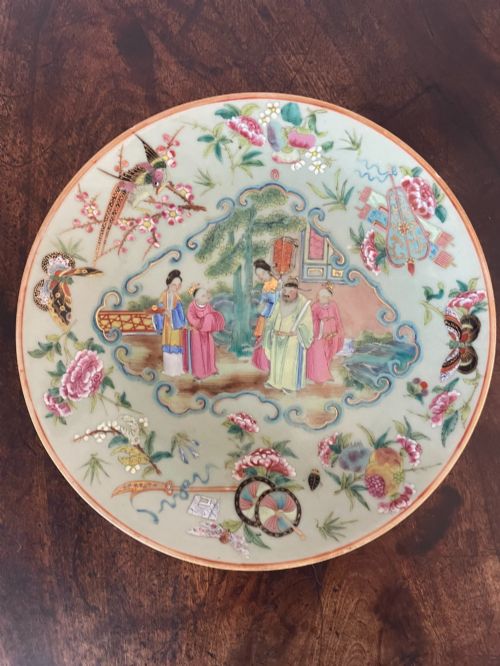
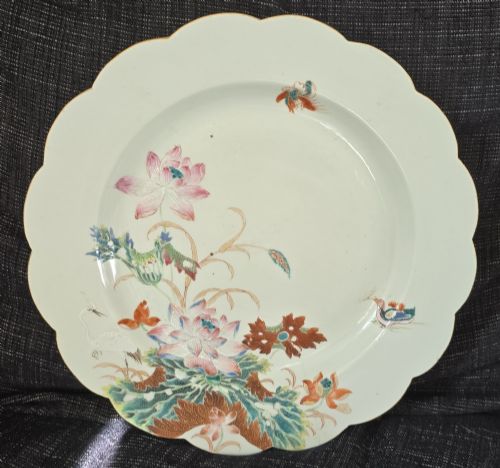
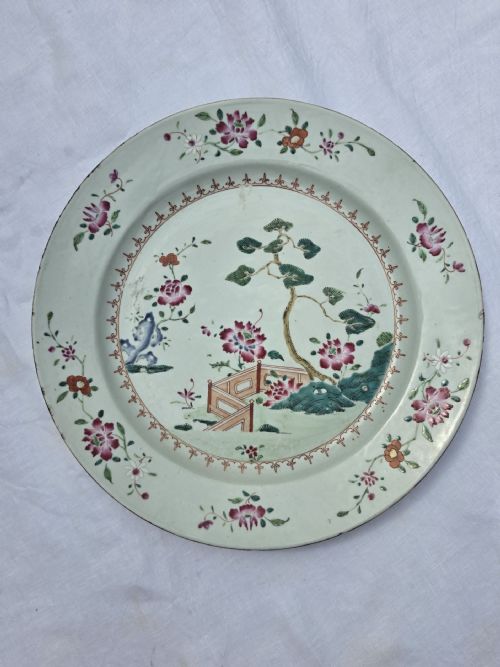
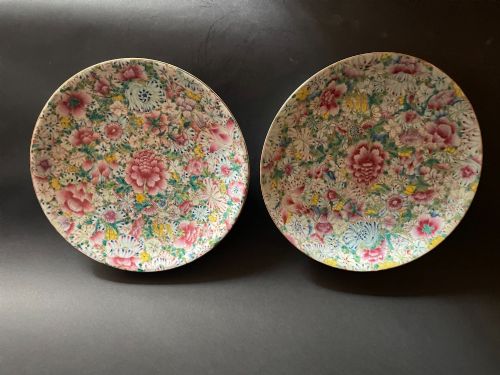
A pink enamel porcelain plate encompasses historic ceramic tableware and decorative dishes from eighteenth century and nineteenth century periods. These pieces frequently originate from Chinese Export workshops and Victorian English makers, reflecting global trade and aesthetic exchanges.
Buyers encounter forms ranging from traditional circular plates and chargers to shamrock shapes, trefoil trays, and deep dishes. Each item displays hand-painted decoration that utilises pink enamel glazes alongside floral, bird, or figural motifs.
The selection bridges Eastern and Western manufacturing traditions, uniting Qianlong era craftsmanship with Victorian porcelain production. Examining these pieces reveals varied interpretations of classical ornamentation across different centuries.
Materials and methods
Hard-paste porcelain forms the sturdy foundation of these pieces, fired at high temperatures to create a durable, smooth white body. Artisans then applied colourful enamel glazes by hand over the fired ceramic surface.
Gold leaf and gilt accents frequently complement the pink enamel decoration, adding reflective highlights to borders and pictorial scenes. This combination of painted pigments and metallic application required multiple firing stages in specialised kilns.
Among the painted scenes, astute observers might spot acrobats tumbling beside traditional floral compositions.
Judging quality and execution
The refinement of the hand-painted brushwork distinguishes exceptional examples from standard production, particularly in the precision of floral and avian details. Superior pieces demonstrate confident, fluid lines and harmonious colour saturation within the enamel palette.
The clarity and purity of the porcelain body also influence the overall standard of the object, alongside the careful preservation of gilt highlights and enamel surfaces over time.
The Pink Enamel Porcelain Plate Glossary
- Famille Rose
- A major palette of Chinese ceramic enamels introduced during the Qing dynasty, characterised by its dominant opaque pink colour derived from colloidal gold. This palette allowed artisans to render subtle tonal gradations in floral and figurative designs.
- Qianlong
- Referring to the period of the Qianlong Emperor in the eighteenth century, noted for technical innovation and high-standard craftsmanship in porcelain production. Pieces from this era often display complex compositions and rich enamel colours.
- Enamel glaze
- A vitreous composition fused to the surface of porcelain through firing, providing durable colour and a glossy finish. These glazes hold the pigment securely while creating a vibrant decorative effect.
- Hard-paste porcelain
- A true ceramic composite fired at high temperatures, composed of kaolin and petuntse to form a dense, vitrified body. It resists scratching and provides an ideal smooth ground for detailed painting.
- Charger
- A large decorative plate or platter traditionally used for display rather than for serving food at the table. These substantial pieces showcase expansive painted scenes across their wide surfaces.
Pink Enamel Porcelain Plate: Frequently Asked Questions
Can I use these plates for dining?
These historic ceramic items function primarily as decorative objects for display rather than everyday tableware. Using them for serving food can risk wearing down the delicate hand-painted enamel and gilt surfaces over time.
Appreciate the artistry by mounting the plate on a wall or exhibiting it within a cabinet. This approach protects the fragile glaze from cutlery marks and modern cleaning detergents.
How are different periods identified?
Determining the age involves examining the characteristics of the porcelain body, the style of the hand-painted motifs, and the composition of the enamel colours. Eighteenth-century pieces often display specific Qianlong or Mandarin palette traits, while nineteenth-century items reflect Victorian or Canton aesthetics.
Manufacturing traits, such as foot ring finish and glaze texture, offer further clues to the date of production. Comparing these physical details with documented examples helps establish the correct historical context.
What does famille rose mean?
Famille rose describes a palette of opaque ceramic enamels introduced in China during the eighteenth century. The defining characteristic is a distinct pink colour created using gold particles suspended in the glaze.
This innovation allowed painters to render shaded petals, garments, and complex pictorial scenes with remarkable depth. The term groups together Chinese ceramics that utilise this specific pink-dominant colour scheme.