




Chinese Cobalt Vase
A chinese cobalt vase brings deep underglaze blue and centuries of kiln mastery directly into a room.
Chinese Cobalt Vase
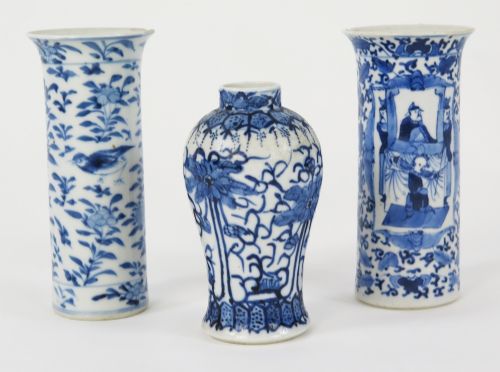
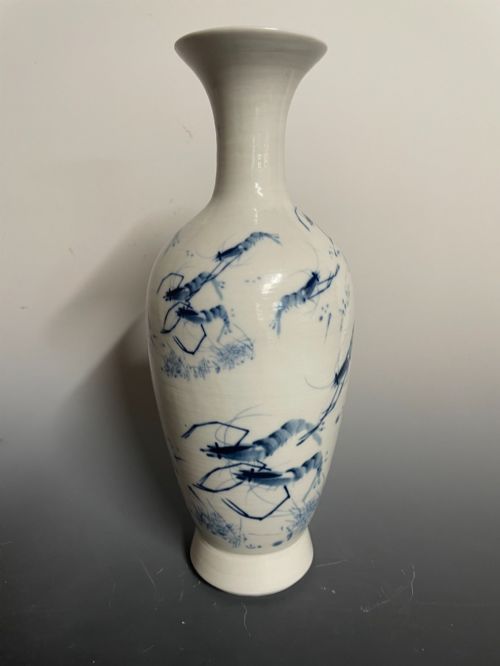
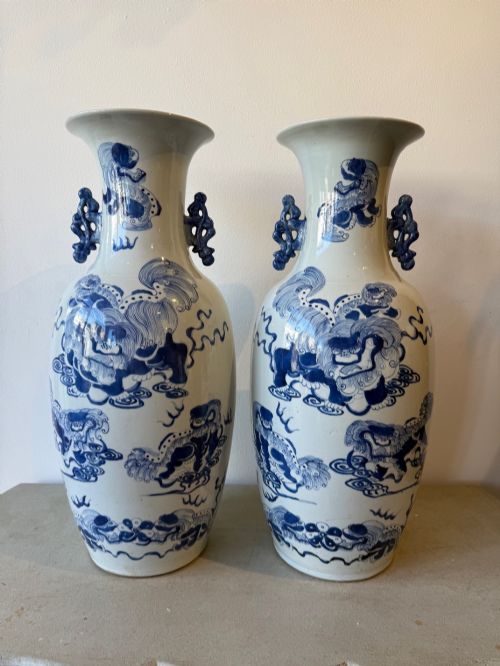
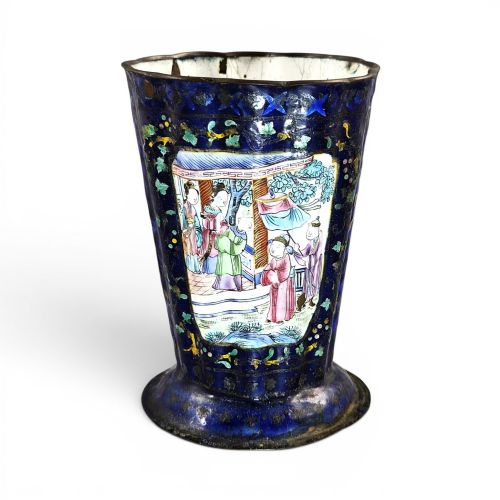
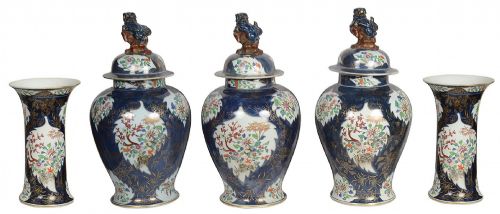
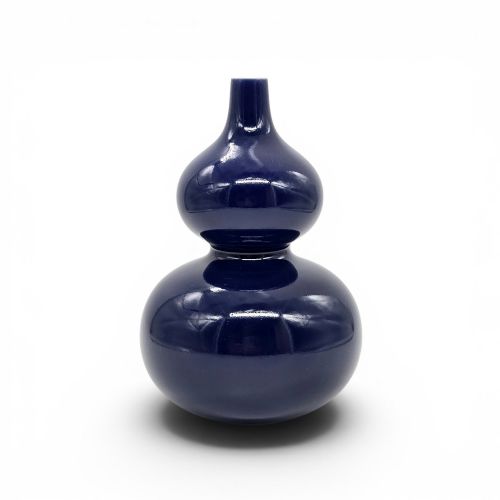
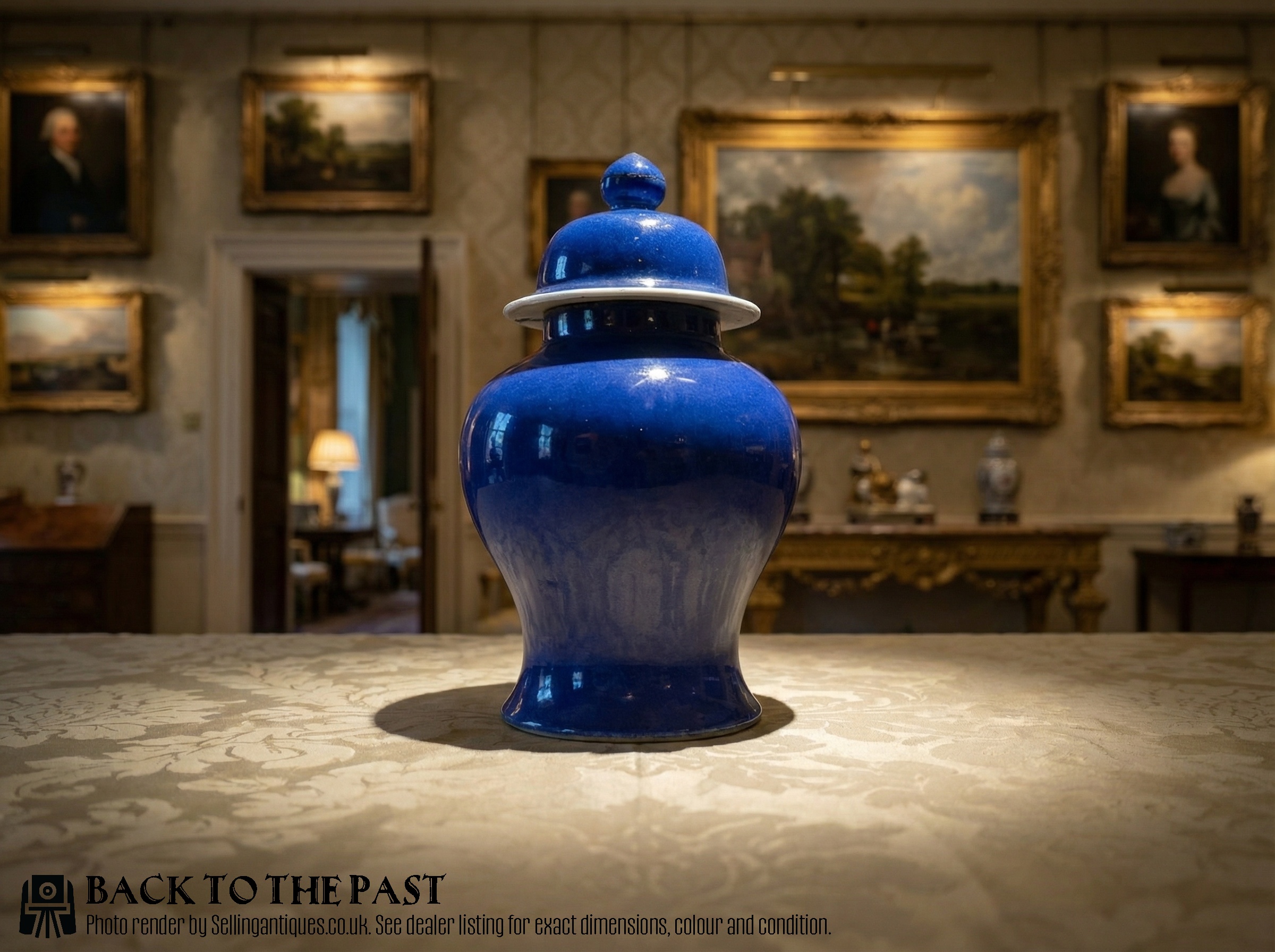
When you search for a chinese cobalt vase, you encounter vessels ranging from double-gourd silhouettes to slender bottle vases and ginger jars. These items emerge primarily from the nineteenth century alongside earlier examples referencing the Qing and Ming dynasties.
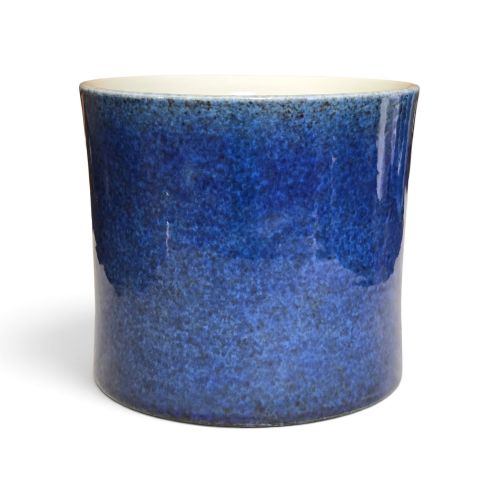
The selection includes utilitarian brush pots and decorative vessels adapted into lamps alongside traditional ceramic jars. Pieces span from late seventeenth-century creations to twentieth-century interpretations, showing how potters continually returned to classical forms.
Materials and technique
Makers shaped fine porcelain and ceramic bodies before applying rich cobalt glaze and cobalt underglaze pigments by hand. Artisans sometimes mounted vessels in brass or combined them with gilt bronze and enamel.
Controlled kiln temperatures fused the cobalt decoration beneath a transparent glaze to create deep blue tones. Potters also utilised monochrome glazes and powder-blue finishes to achieve specific surface textures.
Some nineteenth-century artisans spent months perfecting a single five-clawed dragon motif, only for a Victorian decorator to turn the masterpiece into a bedside lamp.
Craftsmanship and execution
The precision of the painted underglaze details dictates the visual strength of each vessel, separating confident brushwork from rigid copying. Control over the cobalt pigment determines whether the blue achieves luminous depth or appears dull and heavy.
The balance of the ceramic form and the purity of the glaze surface reveal the potter's skill in handling high-temperature kilns. Finer examples display harmonious proportions whether shaped as a simple ginger jar or an elaborate double-gourd.
The Chinese Cobalt Vase Glossary
- Cobalt underglaze
- Pigment applied to the unglazed ceramic body before a clear glaze is added and fired at high heat. This technique protects the blue decoration from wear over centuries.
- Double-gourd
- A vase shape formed by two joined bulbous sections resembling a traditional water carrier. The silhouette holds deep symbolic meaning in Chinese art.
- Meiping
- A high-shouldered vase traditionally used for holding plum branches. The narrow neck contrasts with the generous body.
- Qing Dynasty
- The final imperial dynasty of China spanning from sixteen forty-four to nineteen twelve. Many pieces on the market date from the later decades of this era.
- Kangxi mark
- An inscription referencing the reign of the Kangxi Emperor. Such marks appear both on period pieces and on later nineteenth-century revivals.
Chinese Cobalt Vase: Frequently Asked Questions
How are these vases dated?
Dating relies on stylistic clues, glaze characteristics, and any reign marks applied to the base. Comparing the potting technique and the shade of the cobalt helps place the vessel in its correct era.
While imperial marks suggest a specific emperor's reign, many nineteenth-century pieces bear earlier marks as a sign of respect rather than deception.
Were these vases made for export?
Many pieces were produced specifically for trade with Western markets during the Qing dynasty. These export wares often blended traditional Chinese motifs with forms favoured by European buyers.
Other vessels originated for domestic scholarly use or imperial collections before eventually entering the antique market.
Can I use a vase as a lamp?
Several pieces in this collection have been converted into table lamps over the course of their history. This practice preserves the decorative qualities of the ceramic while giving the vessel a modern functional role.
Collectors weigh the presence of lamp fittings against the original integrity of the antique form when choosing a piece.
What is a ginger jar?
A ginger jar is a broad-shouldered storage vessel originally utilised for holding spices, oils, or porcelain shipments. Over time, these jars became valued purely as decorative display items.
Most surviving examples retain their matching ceramic covers, which completes the balanced silhouette of the jar.