





Chinese Ceramic Saucers
Chinese ceramic saucers are delicate vessels of history, combining intricate hand-painted detail with centuries of kiln tradition that collectors prize.
Chinese Ceramic Saucers
When you search for chinese ceramic saucers, you enter a field defined by centuries of varied craftsmanship spanning the 17th century to the 20th century. The pieces you are most likely to encounter here take the form of individual saucers, tea bowl and saucer sets, and matching cups originating from periods like the Qing dynasty and Chinese export eras.
Makers fashioned these items to serve both functional tea-drinking roles and decorative purposes within domestic settings. Surviving examples range from deep saucer-dishes and twin fish dishes to elaborate sets bearing traditional motifs.
The selection reflects both imperial commissions and export wares designed for Western markets. Each item carries the distinct aesthetic values of its specific decade of production, whether produced during the Qianlong period or later in the 19th century.
Materials and methods
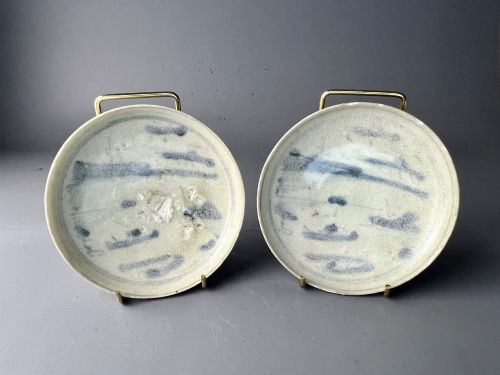
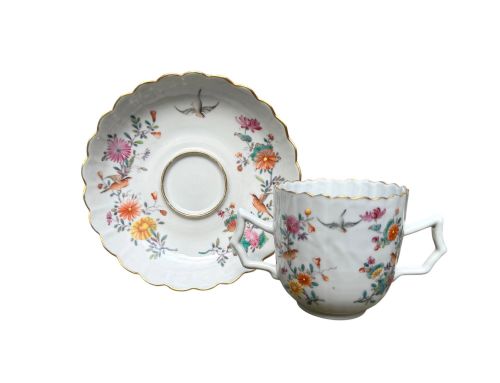
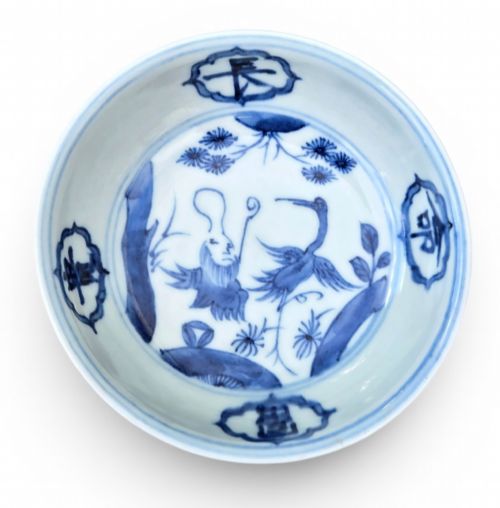
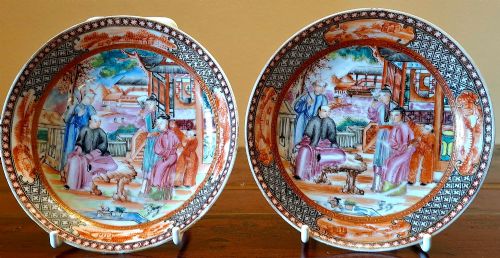
Potters relied primarily on fine porcelain bodies, applying cobalt glaze for traditional blue and white designs or building up colourful surfaces with enamel and gold leaf accents. Artisans also utilised celadon glaze to achieve characteristic green tones on heavy stoneware or porcelain forms.
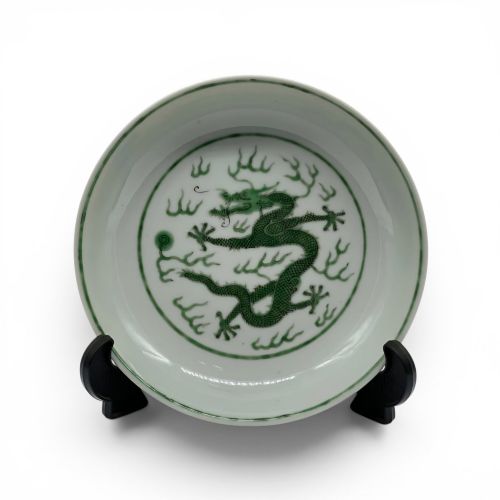
Decoration involved meticulous hand-painting, often featuring intricate scenes such as dragons, figures, and auspicious symbols fired at high temperatures. Workshops employed specialised techniques like Amsterdam Bont overpainting to enrich imported white porcelain blanks with additional hues.
Chinese Ceramic Saucers Retail Price Guide 2026
Typical asking prices for chinese ceramic saucers among the pieces listed under this phrase on Sellingantiques today, from the lower quarter to the upper quarter. They describe what is for sale here now, not the wider market.
Some export saucers feature ambitious acrobats and circus scenes tumbling across the porcelain.
Distinctions in quality
Quality rests upon the precision of the brushwork and the clarity of the underlying glaze, separating standard production wares from pieces commissioned for the imperial court. Superior examples display crisp outlines, vibrant enamels, and balanced compositions that require advanced technical control in the kiln.
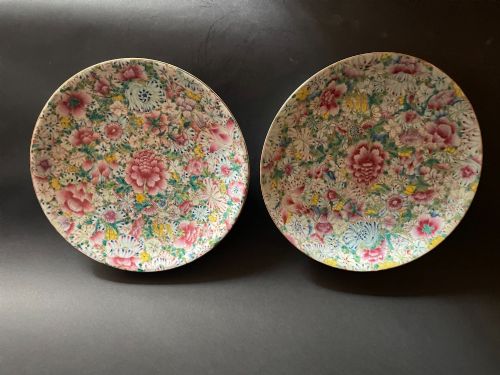
The sophistication of the narrative scene or decorative motif also dictates the standing of a piece within its category. Finer items demonstrate greater depth in cobalt blue painting or more intricate layering of famille rose enamels and gold gilt details.
The Chinese Ceramic Saucers Glossary
- Celadon glaze
- A pale green jade-like glaze applied to ceramics before firing. It creates a subtle translucent finish across the surface of dishes and bowls.
- Famille rose
- A palette of opaque enamels introduced in the 18th century, dominated by pink or rose colours. This technique allowed artists to paint detailed pictorial scenes on porcelain.
- Cobalt glaze
- A blue mineral pigment applied under the glaze before firing to create enduring blue and white designs. It remains stable at extremely high kiln temperatures.
- Qing dynasty
- The final imperial dynasty of China, lasting from 1644 to 1912. Pieces from this era encompass diverse regional styles and export wares.
- Chinese export
- Porcelain manufactured in China specifically for the European and American markets. These wares often combined traditional Chinese forms with Western decorative preferences.
Chinese Ceramic Saucers: Frequently Asked Questions
How do I date chinese ceramic saucers?
Dating relies on examining the stylistic markers, reign marks, and the specific palette of colours used in the decoration. Comparing the potting style to known periods helps narrow down the decade of creation.
Changes in trade routes and imperial tastes also influenced the motifs painted on these items over successive centuries.
Were these saucers used for drinking tea?
Many of these pieces served alongside tea bowls to hold hot cups or catch drips during formal tea service. Some deeper versions functioned as small serving dishes for sweetmeats.
Export varieties were frequently shipped abroad as part of extensive tea sets destined for wealthy households.
What is the difference between export and imperial wares?
Export wares were produced in large quantities to satisfy foreign demand in Western markets, often incorporating tailored European designs. Imperial pieces were made under strict supervision for use within the palace or as official gifts.
Imperial items typically display finer brushwork, superior materials, and specific five-clawed dragon motifs reserved for the court.
How should I display delicate antique saucers?
Displaying these pieces requires stable plate stands designed to support the rim and weight without placing pressure on the porcelain. Keeping them away from direct sunlight protects the longevity of enamel and gold leaf decorations.
Ambient humidity in display cabinets should remain stable to prevent stress on older ceramic bodies.