


Antique Gilded Ceramic Cup
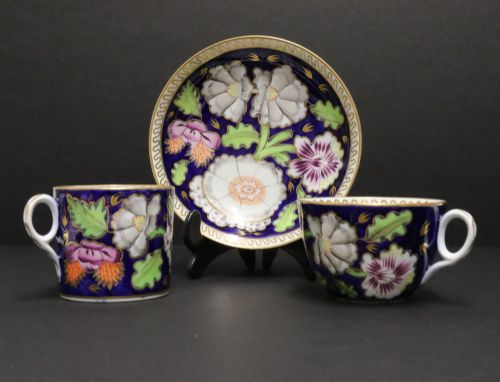
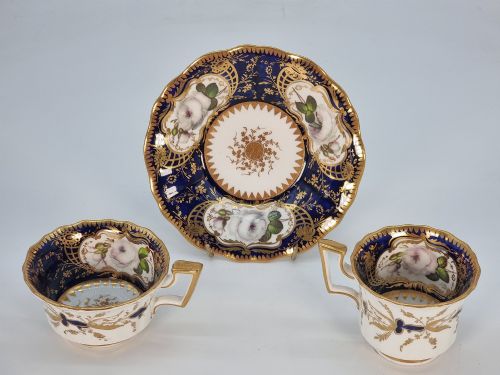
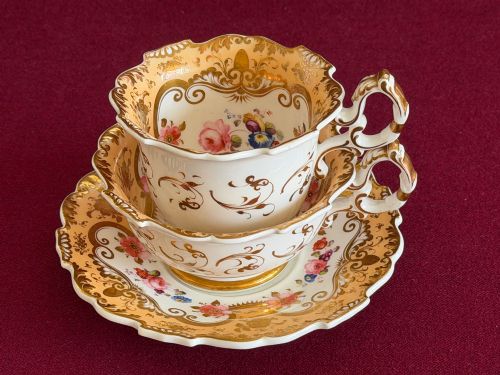
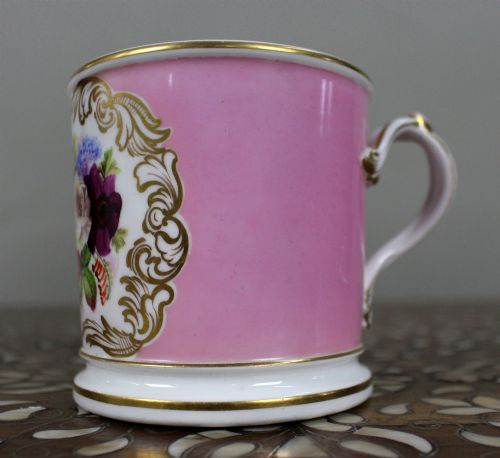
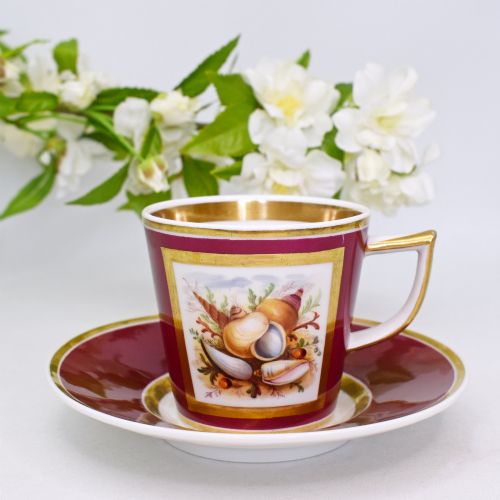
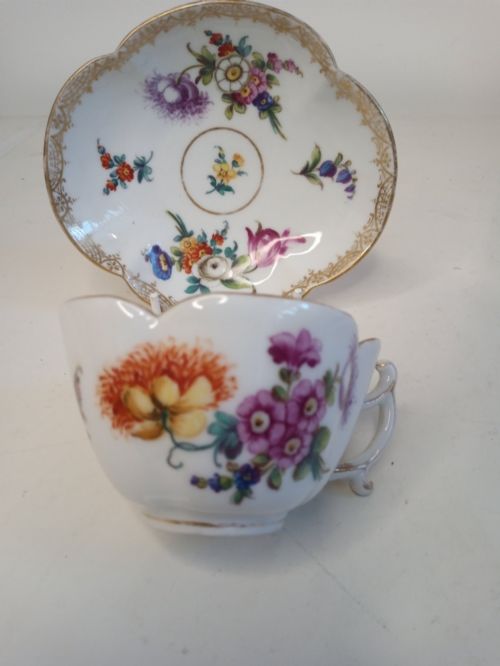
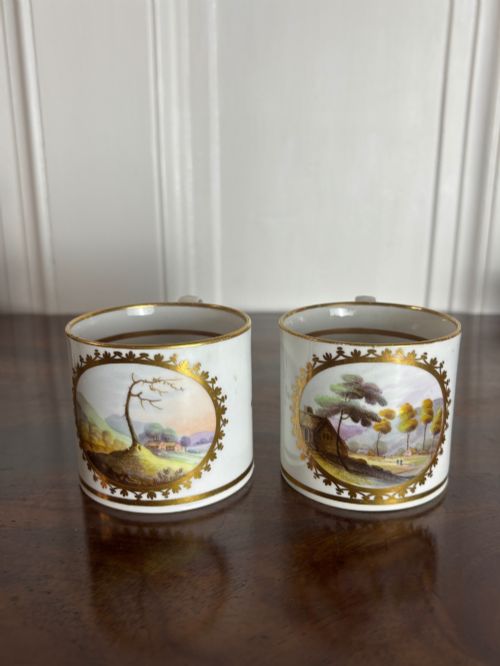
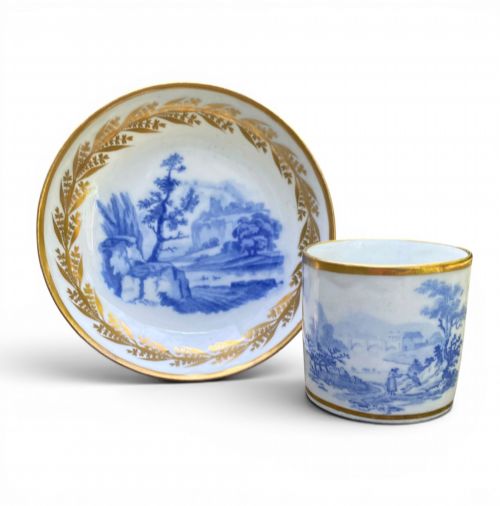
These antique gilded ceramic cup selections span tea services, cabinet trios, and coffee cans from Georgian, Regency, and Victorian periods.
Antique Gilded Ceramic Cup
An antique gilded ceramic cup encompasses tea services, coffee cans, chocolate cups, and cabinet trios originating primarily across the Georgian, Regency, and Victorian eras.
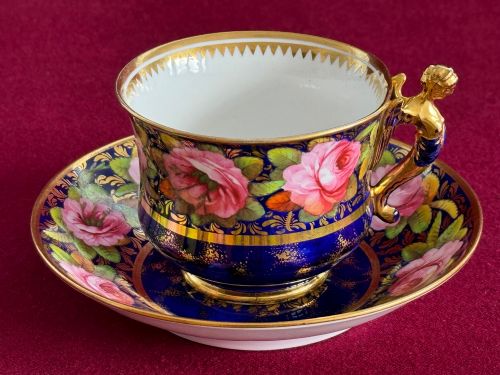
Buyers seeking an antique gilded ceramic cup encounter English porcelain works from factories such as Worcester, Derby, and Spode alongside continental and export ceramics.
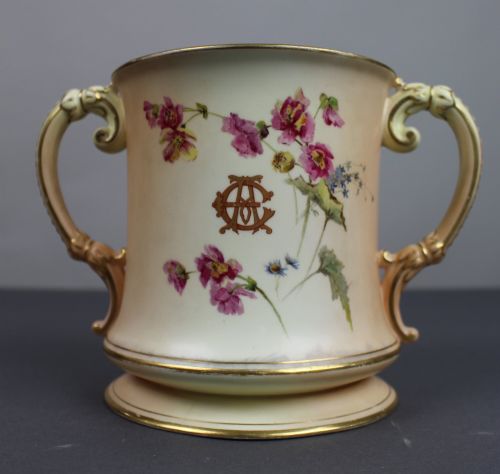
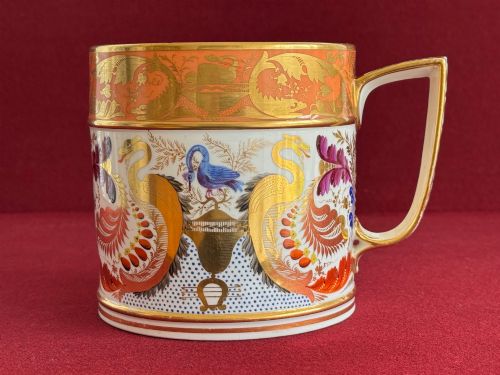
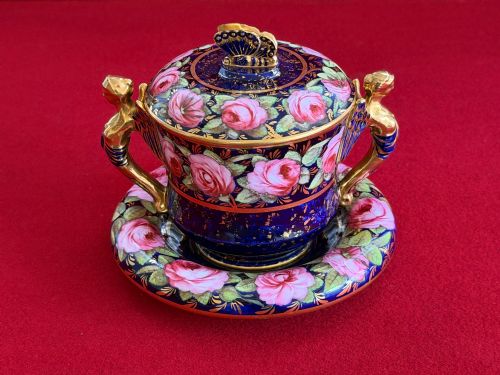
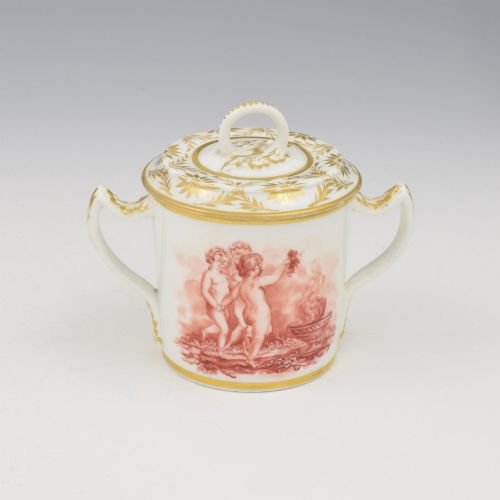
Forms range from simple teacups and saucers to lidded chocolate cups, lemonade beakers, and large loving cups featuring applied gold leaf and hand-painted scenes.
Materials and Techniques
Pieces are formed from porcelain, bone china, hard-paste porcelain, and ironstone, decorated with enamel and finished with gold leaf and gilding.
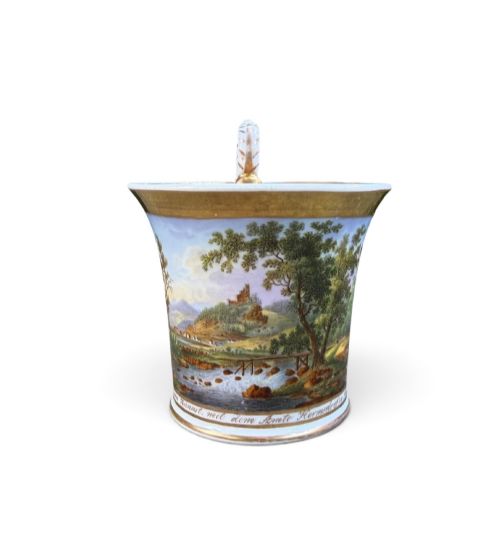
Makers apply hand-painted landscapes, topographical views, and transfer-printed patterns before executing hand-applied gilding highlights across handles, rims, and surfaces.
Antique Gilded Ceramic Cup Retail Price Guide 2026
Typical asking prices for gilded ceramic cup among the pieces listed under this phrase on Sellingantiques today, from the lower quarter to the upper quarter. They describe what is for sale here now, not the wider market.
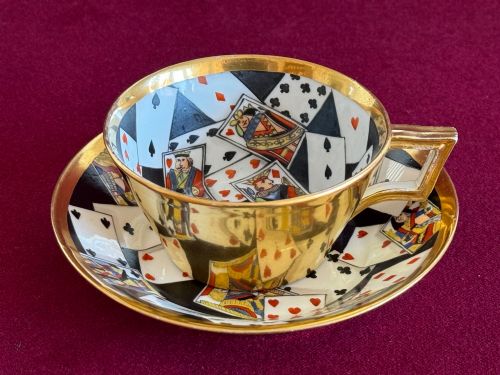
Some nineteenth-century cups include hidden painted motifs inside the rim to surprise the drinker.
Distinctions in Quality
Quality rests upon the precision of the hand-painted decoration, the crispness of the porcelain moulding, and the intactness of the gold leaf and gilding.
Early ceramic bodies exhibit varying degrees of translucency and glaze smoothness, while the sophistication of pattern work separates standard production pieces from specialist cabinet items.
H & R Daniel·Spode·Newhall·Coalport·Grainger Worcester·Berlin·Bloor Derby·Flight & Barr·Rockingham·Derby·Minton·Mason·Sevres·Worcester·Royal Worcester·Chamberlain Worcester·Kutani·Kusnetzoff·Wedgwood·Doric China
The Antique Gilded Ceramic Cup Glossary
- Cabinet trio
- A matching set comprising a teacup, coffee cup, and saucer designed for display rather than daily service.
- Coffee can
- A straight-sided cylindrical porcelain cup used for drinking black coffee in the eighteenth and nineteenth centuries.
- Bone china
- A type of soft-paste porcelain incorporating bone ash to achieve a durable, white ceramic body.
- Ironstone
- A heavy, durable ceramic material patented in the nineteenth century as a robust alternative to porcelain.
- Gilding
- The application of gold leaf or powdered gold paint to the surface of ceramic wares for decorative effect.
Antique Gilded Ceramic Cup: Frequently Asked Questions
Can I use these cups for tea?
Many of these pieces were created for functional use during the Georgian and Victorian periods.
However, hairline fractures or fragile historic glazes often mean collectors prefer to exhibit them safely in cabinets rather than risking daily use.
How do I date a porcelain cup?
Dating relies upon identifying factory factory marks stamped or painted on the base alongside stylistic indicators.
Form shapes, paste compositions, and pattern numbers recorded in ceramic reference guides help narrow down the period of manufacture.
What is a cabinet cup?
Cabinet cups are highly decorative ceramic pieces produced specifically for display within collectors' cabinets rather than for practical dining table use.
They frequently feature intricate topographical paintings, elaborate handles, and extensive gilding that distinguish them from standard service wares.