





Polychrome Porcelain Teacup
A polychrome porcelain teacup brings vibrant hand-painted enamels and gold leaf directly to the table.
Polychrome Porcelain Teacup
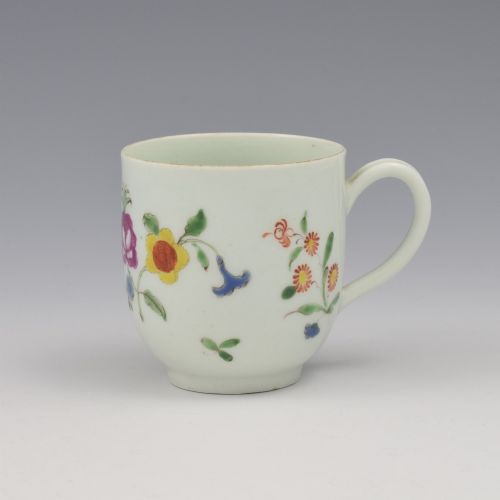
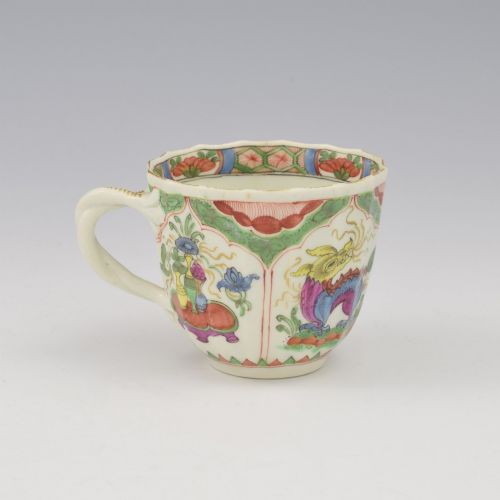
A polychrome porcelain teacup combines delicate ceramic forms with rich multi-coloured enamel decoration and gilding. When looking for a polychrome porcelain teacup, collectors encounter examples ranging from eighteenth-century Georgian soft-paste wares to later bone china sets.
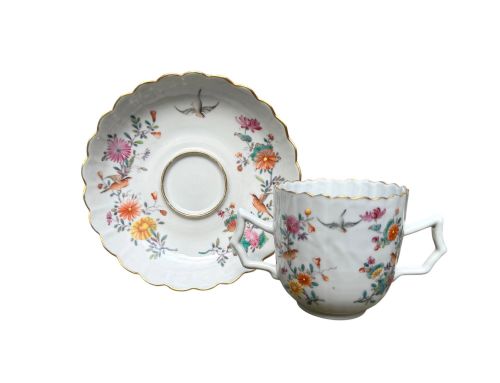
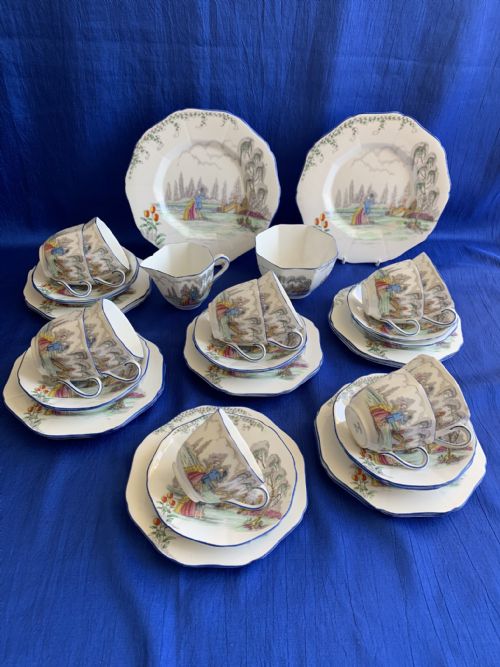
The selection on this page spans origins from English factories like Worcester and Liverpool to Chinese Export pieces made during the Qing Dynasty. Forms include individual coffee cups, teacups with matching saucers, and complete cased tea sets.
How they were made
These items rely on porcelain and soft-paste porcelain bodies shaped into cups, saucers, and stands. Artisans applied hand-painted enamels directly to the glazed ceramic surface, often incorporating intricate pictorial designs.
Many pieces incorporate gold leaf and gilding to highlight rims, handles, and internal patterns. Some later twentieth-century sets utilise fine bone china alongside fitted leatherette and satin presentation cases.
Polychrome Porcelain Teacup Retail Price Guide 2026
Typical asking prices for polychrome porcelain teacup among the pieces listed under this phrase on Sellingantiques today, from the lower quarter to the upper quarter. They describe what is for sale here now, not the wider market.
Materials documented across the inventory include soft-paste porcelain, enamel, gold leaf, and satin.
What varies in quality
Quality rests in the precision of the hand-painted enamel work and the complexity of the chosen pattern, such as detailed figural scenes or compartmentalised motifs. Finer pieces demonstrate superior control of the brush and more vibrant, stable firing colours.
The refinement of the porcelain paste itself, alongside the crispness of moulded fluting and the preservation of original gold leaf, separates standard production wares from exceptional examples.
Richard Chaffers·Dr Wall·Flight Barr And Barr·Royal Worcester·Sutherland
The Polychrome Porcelain Teacup Glossary
- Polychrome
- Decoration utilising multiple distinct colours, typically applied in enamels over a glazed ceramic surface. This technique allows for complex pictorial and abstract designs.
- Soft-paste porcelain
- An artificial porcelain composition fired at lower temperatures than hard-paste, common in eighteenth-century English factories. It presents a warm, slightly softer glaze.
- Gilding
- The application of gold leaf or gold powder to ceramic surfaces, usually along rims and handles. It provides a reflective metallic contrast to the painted enamels.
- Chinese Export
- Porcelain manufactured in China specifically for Western markets, often featuring bespoke European-influenced shapes or traditional Asian motifs.
- Bone china
- A type of soft-paste porcelain incorporating bone ash for enhanced strength and translucency. It became a standard material for British teaware production.
Polychrome Porcelain Teacup: Frequently Asked Questions
How do I date a tea cup?
Dating relies on identifying factory marks, stylistic influences, and the specific composition of the ceramic body. Eighteenth-century pieces often feature soft-paste bodies and hand-pencilled underglaze blue alongside enamel.
Later nineteenth- and twentieth-century examples shift towards bone china and stamped registry or manufacturer marks. Comparing decorative motifs like dragon patterns helps narrow the period of manufacture.
What is Chinese export porcelain?
Chinese export porcelain refers to wares made in China during dynasties such as the Qing for buyers in Europe and the Americas. These pieces frequently combine traditional Chinese forms with Western armorial or pictorial requests.
They arrived via maritime trade routes and showcase distinctive enamel palettes including famille rose and Mandarin designs.
Can I use these cups daily?
Most antique teacups are delicate and require careful handling due to age, thin walls, and surface enamel wear. Soft-paste porcelain and eighteenth-century wares are particularly sensitive to thermal shock and abrasive washing.
Gentle hand washing in warm water preserves the remaining gold leaf and delicate enamel details. Displaying them safely ensures longevity.
What does polychrome mean?
Polychrome describes any ceramic decoration that incorporates multiple colours rather than a single monochrome tone. Artisans used mineral enamels fired onto the glaze to achieve reds, greens, yellows, and pinks.
This multi-step process allowed for highly detailed pictorial scenes and intricate border patterns.