
Chinese Carved Wood Stand
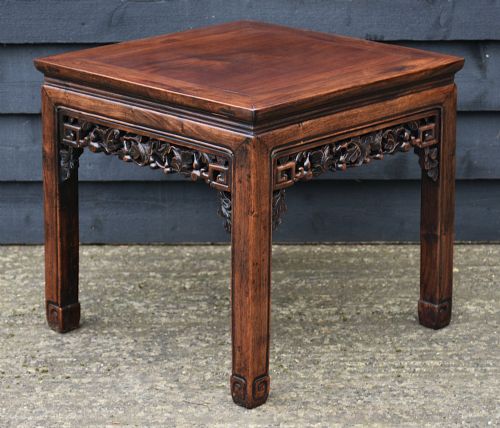
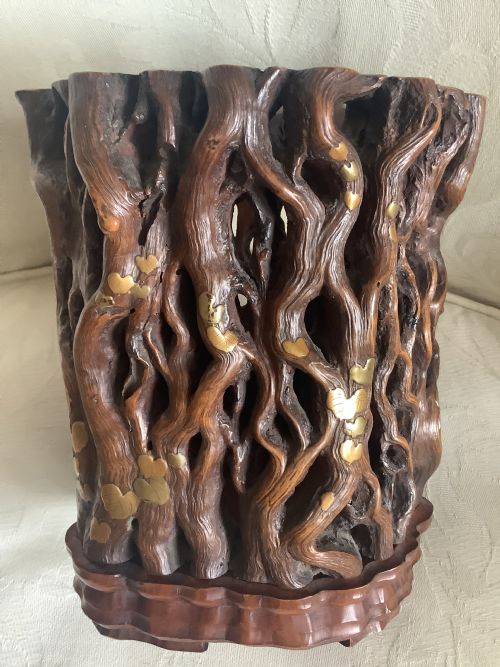
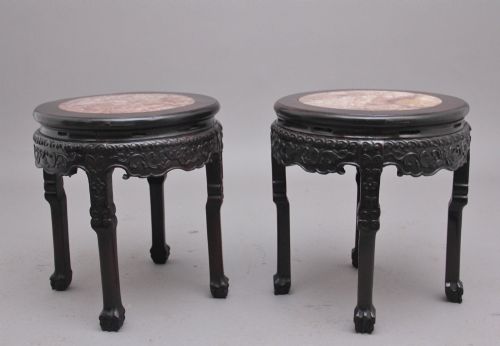
A chinese carved wood stand elevates a heavy ceramic vessel or displays a treasured object with dense traditional carving and dense native timber.
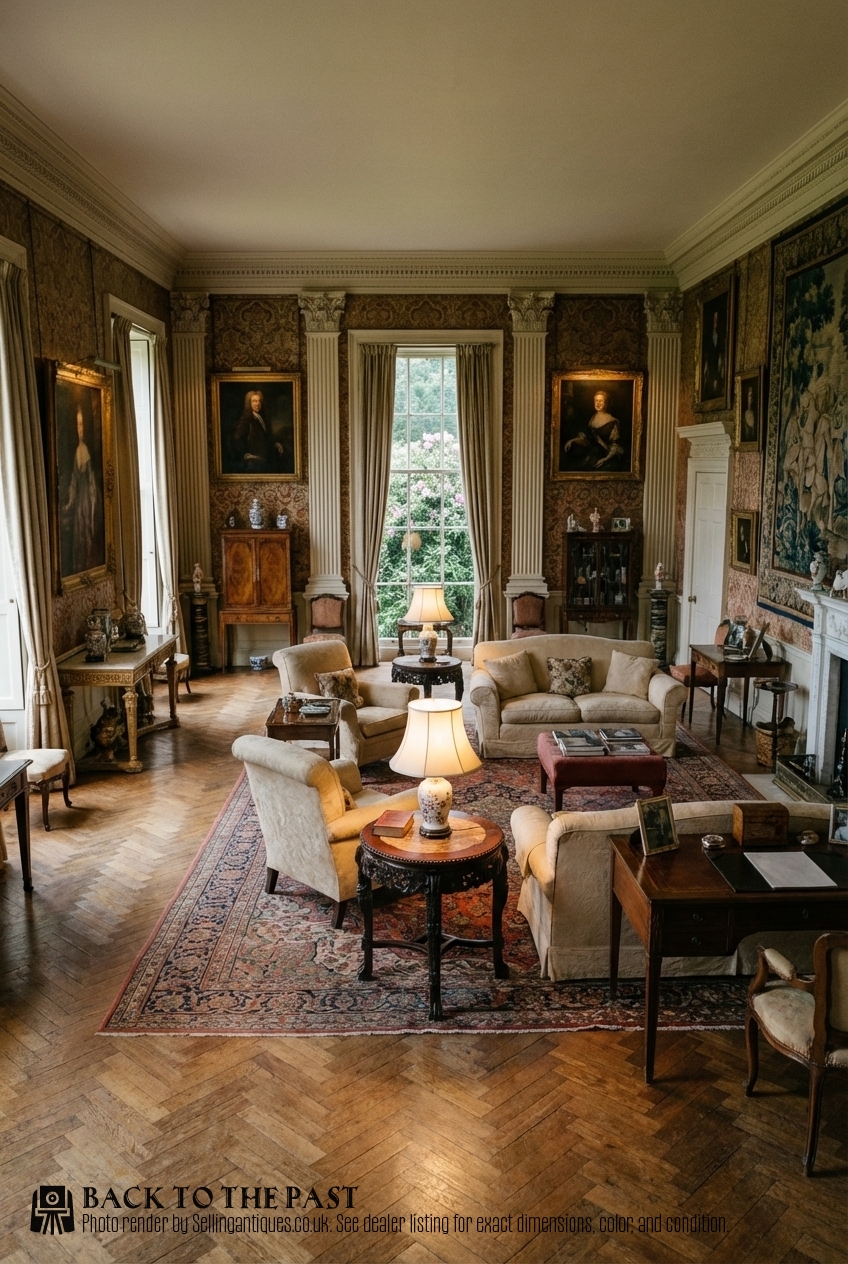
Chinese Carved Wood Stand
A chinese carved wood stand functions primarily as an elevated platform for porcelain jardinieres, bronze vessels, and decorative objects. The selection here spans the nineteenth century through the early twentieth century, encompassing Qing Dynasty production and later export pieces designed for domestic or international interiors.
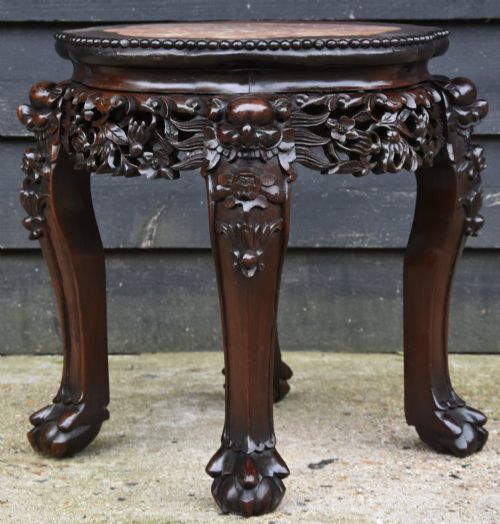
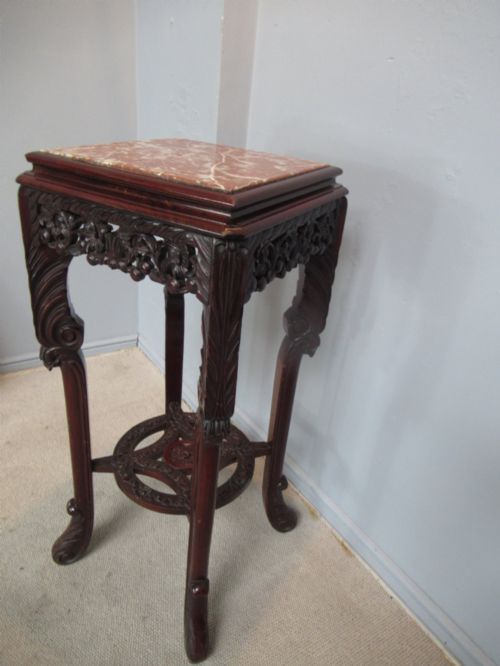
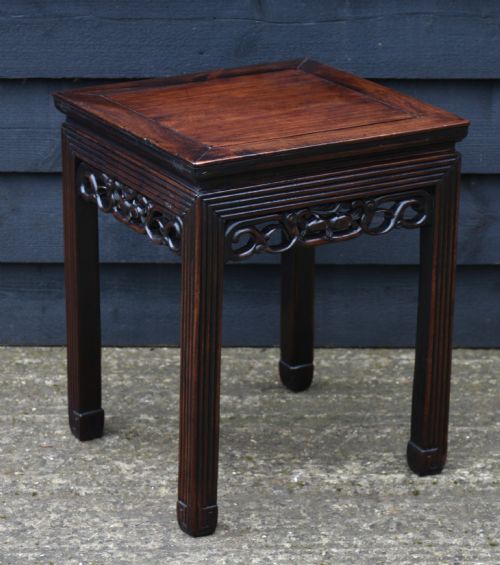
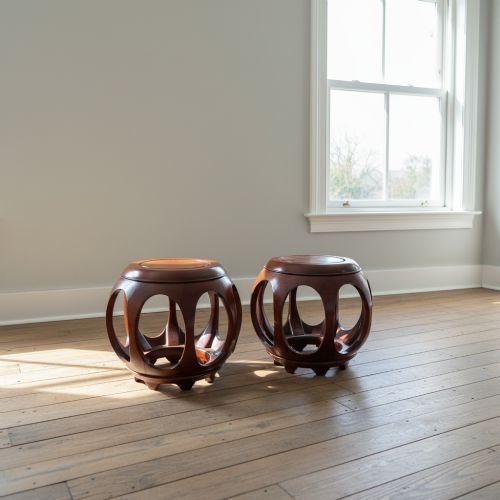
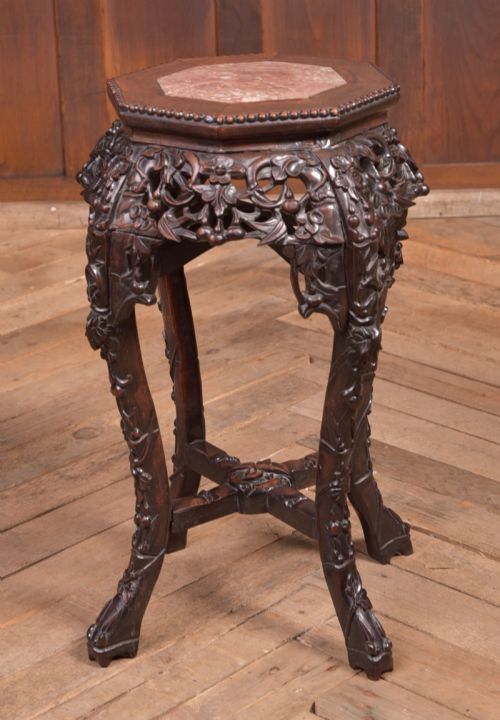
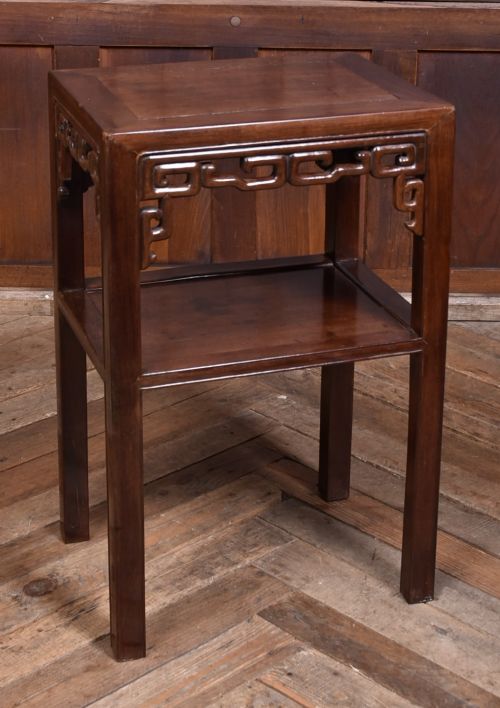
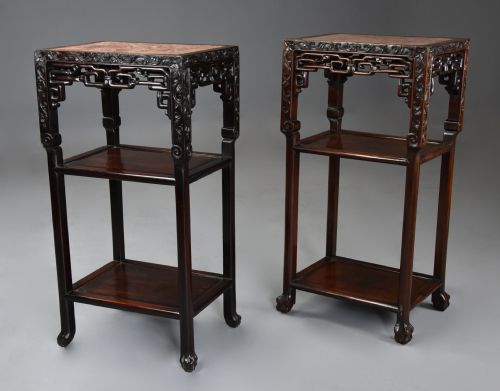
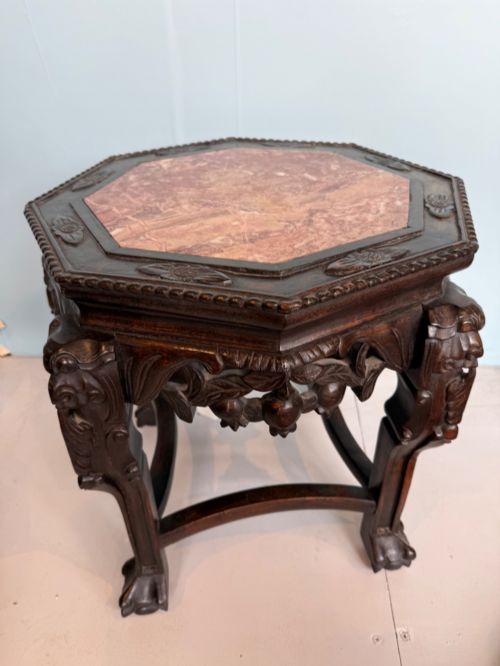
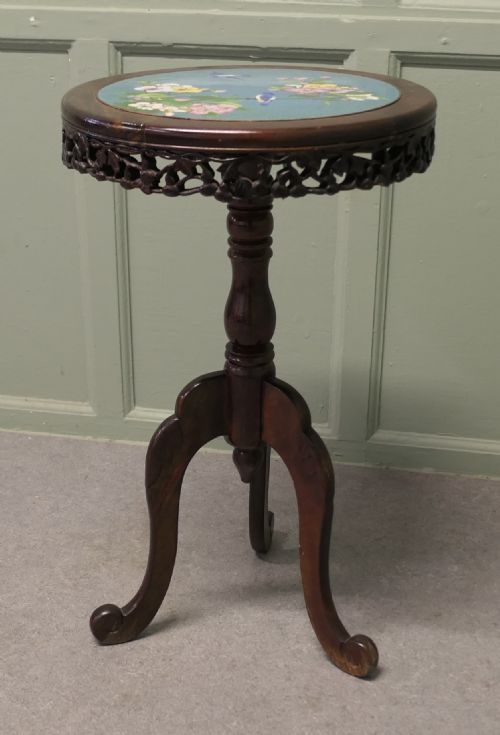
Surviving examples take several distinct forms, including low jardiniere stands, tall pedestal tables, and square vase holders. These pieces appear frequently with inset marble panels or variegated rouge stone tops intended to protect the timber from moisture.
Makers utilised dense exotic woods to support heavy decorative objects without flexing or splitting under sustained weight. The physical evidence shows sturdy construction methods suited to holding substantial bronze, ceramic, and stone items.
Materials and Construction
Artisans constructed these items predominantly from heavy timbers such as rosewood, padouk, and hongmu, selecting woods capable of holding intricate, deep-relief carving without splintering. These dense hardwoods often receive dark finishes that accentuate the natural grain beneath polished surfaces.
Many tabletops incorporate inset slabs of marble, quartz, or burr wood secured within precision-cut wooden frames to withstand changes in temperature and humidity. Joinery typically relies on traditional interlocking frames rather than visible metal fasteners.
Certain nineteenth-century artisans carved diminutive wooden elephants and mythical beasts to bear the weight of entire tabletops on their backs.
Evaluating Execution
The distinction between ordinary and superior pieces rests on the depth and crispness of the chisel work. High-grade items display undercut foliage, dragons, and floral motifs with sharp definition, whereas lesser examples show shallow, rounded moulding lacking manual detail.
Structural integrity also separates workshop standards, visible in the tight fit of inserted stone tops and the symmetry of pierced aprons. Heavy, dense timber properly seasoned before carving retains stability and resists warping over decades of use.
The Chinese Carved Wood Stand Glossary
- Hongmu
- A dense, heavy Chinese hardwood prized for dark reddish-brown tones and suitability for intricate furniture carving. This material forms the primary structure of many nineteenth-century display pieces.
- Jardiniere stand
- A low or medium-height table specifically designed to support a heavy ceramic plant pot or flower bowl. These platforms frequently incorporate water-resistant stone inserts.
- Padouk
- A heavy tropical timber exhibiting reddish coloration that darkens with age and exposure to light. Artisans selected this strong wood for large tables and stands requiring high load-bearing capacity.
- Rouge marble
- A variegated red and white decorative stone quarried for decorative tabletops. This material provides a cool, durable surface that contrasts against dark carved wood frames.
- Zitan
- An extremely dense and heavy traditional Chinese timber with a deep purple-black hue. It appears in high-status furnishings and small display bases.
Chinese Carved Wood Stand: Frequently Asked Questions
What were chinese carved wood stands used for?
These supports held heavy decorative items such as ceramic fishbowls, bronze censers, and carved vases above floor level to protect them from dampness and dust. Households also utilised them as small occasional tables for lamps and tea ceremonies.
Their sturdy frames distributed the substantial weight of stone and ceramic objects evenly across traditional timber legs. This elevation protected valuable interior surfaces from moisture rings and heavy base abrasion.
How do you identify nineteenth-century pieces?
Nineteenth-century examples display dense tropical hardwoods combined with hand-cut joinery and deep, undercut relief carving depicting traditional motifs. The presence of natural ageing in the timber grain and hand-finished surfaces distinguishes these older items from later reproductions.
Weight serves as a reliable indicator of period materials, as genuine nineteenth-century pieces utilise heavy native timbers rather than lighter modern substitutes. The fit of inset marble tops shows precise manual trimming rather than machine-tooled uniformity.
Why do many stands have marble tops?
Marble inserts provided a cool, non-porous surface that resisted water damage from wet soil and overflowing plant containers. This stone panel prevented moisture from soaking into the underlying wooden frame during watering.
Cabinetmakers selected variegated rouge or grey marble to add visual contrast against dark rosewood and padouk structures. The stone also offered a stable, flat platform that did not warp when exposed to damp ceramic bases.
How do you care for antique hardwood stands?
Maintenance requires dry dusting with a soft cloth and avoiding silicone sprays or heavy liquid polishes that accumulate in carved crevices. Keeping the timber away from direct heat sources prevents the wood and inset stone panels from splitting.
Applying microcrystalline wax occasionally protects the polished hardwood surface without building up thick residues. Stable room humidity preserves the traditional joinery and prevents the dense timber from shrinking.