

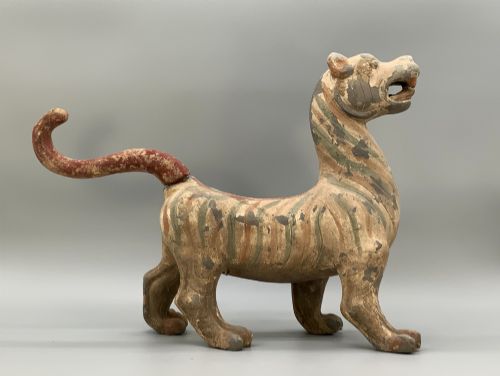


Chinese Animal Sculpture
These Chinese animal sculpture pieces bring centuries of carved jade, bronze, and pottery fauna straight into your study.
Chinese Animal Sculpture
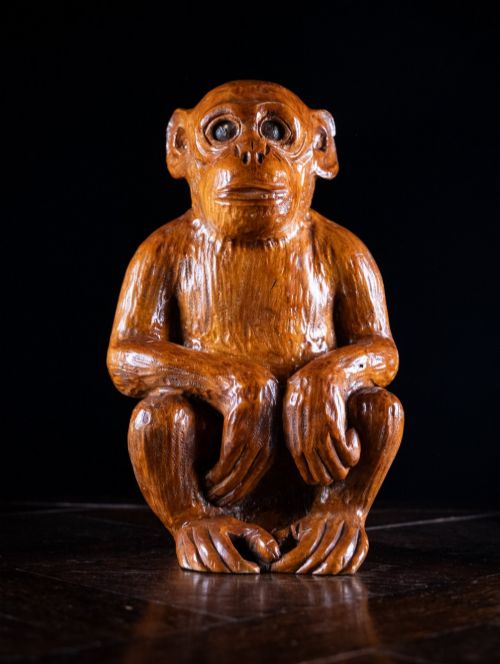
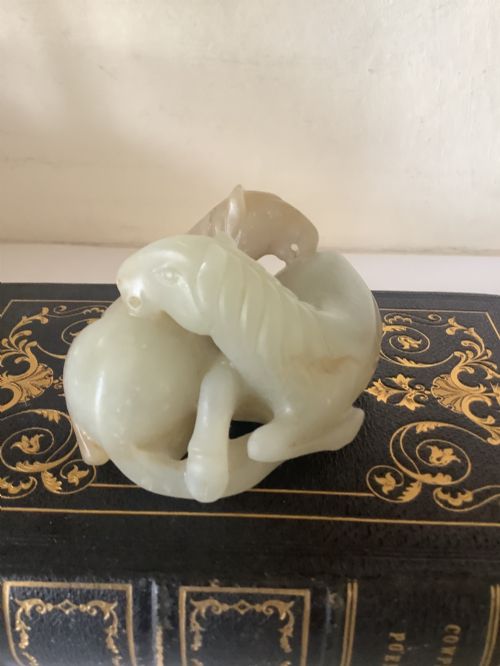
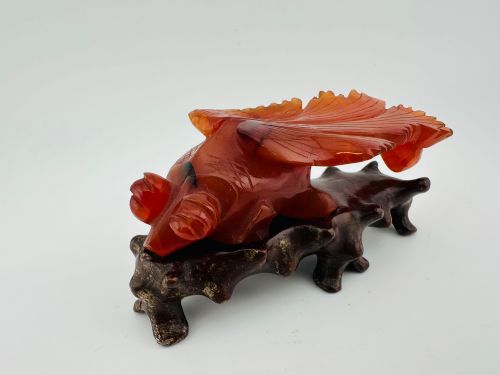
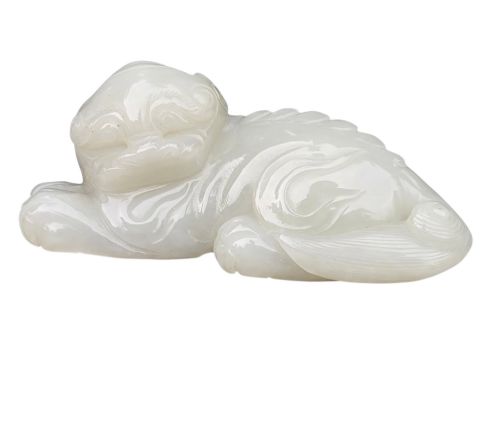
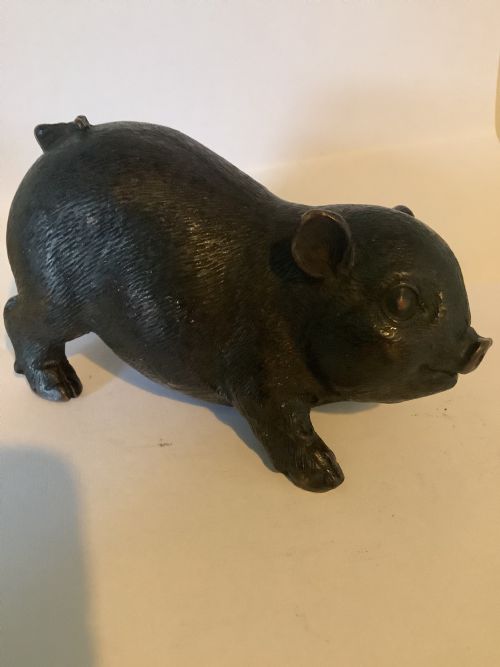
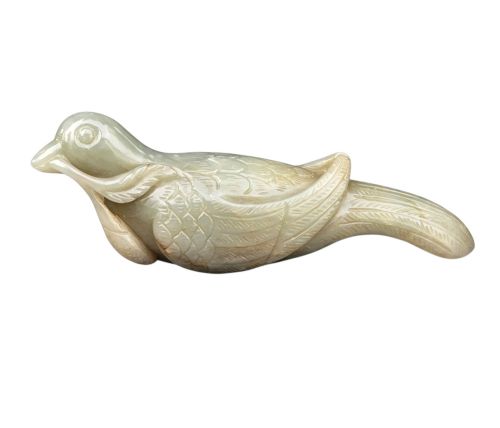
When you search for chinese animal sculpture, you find figures carved from jade, cast in bronze, or modelled in pottery depicting horses, roosters, tigers, and mythical beasts. These range from small scholar's desk ornaments to large matched pairs meant for display.
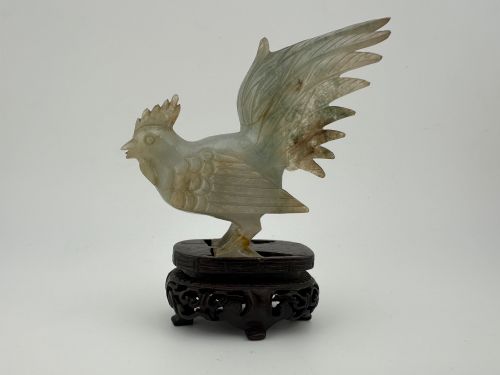
The versions you meet most often on this page date from the nineteenth and early twentieth centuries, drawing on Qing dynasty traditions and earlier styles. Hardwood stands frequently accompany these figures, grounding the carved stone and ceramic forms.
Makers fashioned these sculptures as decorative carvings, figurines, and guardian figures, capturing everything from domestic livestock to legendary creatures. The selection covers centuries of craftsmanship, moving from ancient pottery pieces to later Republic period works.
Materials and methods
Carvers worked tough materials like jade, hardstone, soapstone, and hardwood using abrasives and hand tools to shape horses, elephants, and water buffaloes. This labor-intensive reduction process required immense skill to reveal smooth contours and fine feather or hair details from solid blocks.
Potters and founders utilised casting, moulding, and wheel techniques to create bronze horses, painted pottery tigers, and porcelain ducks. Artisans then applied sancai or turquoise glazes before firing, or added cloisonné enamel wirework to brass bodies for colourful surface decoration.
Chinese Animal Sculpture Retail Price Guide 2026
Typical asking prices for chinese animal sculpture among the pieces listed under this phrase on Sellingantiques today, from the lower quarter to the upper quarter. They describe what is for sale here now, not the wider market.
Listings feature hardstone, jade, porcelain, bronze, and wood across periods spanning from ancient dynasties to the twentieth century.
What separates the finest pieces
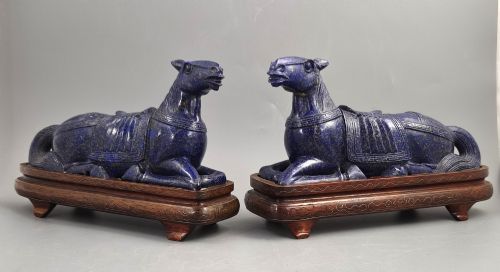
Natural material quality dictates much of the distinction at the upper end, particularly in jade, carnelian, and lapis lazuli where stone translucency and even colouration matter. Carvers who exploited the natural inclusions of the raw mineral to highlight a creature's markings produced superior results.
Anatomical conviction and proportion separate routine workshop output from masterful sculpture, whether rendering the musculature of a bronze horse or the posture of a pottery tiger. The integration of fitted hardwood stands designed specifically for the sculpture also indicates higher original status.
The Chinese Animal Sculpture Glossary
- Sancai
- A three-colour glaze tradition typically combining amber, green, and cream tones on pottery figures. Artisans used this technique extensively during earlier periods and later revival styles.
- Qing Dynasty
- The final imperial dynasty of China, spanning from the mid-seventeenth to the early twentieth century. Many carved jade and porcelain animal sculptures date from its later decades.
- Cloisonne
- Enamel work created by soldering flat metal wires onto a metal base to form cells, which are then filled with paste and fired. This method produced vibrant decorative surfaces on metal animal figures.
- Recumbent
- An artistic term describing an animal sculpted in a resting or lying position with its legs tucked underneath. Such figures often form balanced pairs for tabletop placement.
- Soapstone
- A relatively soft metamorphic rock composed mainly of talc, making it easy to carve into detailed miniature groups. Sculptors prized it for domestic animal scenes like sows with piglets.
Chinese Animal Sculpture: Frequently Asked Questions
What animals appear in these sculptures?
Sculptors depicted a wide variety of creatures, including horses, roosters, elephants, tigers, monkeys, and ducks. Mythical beasts and water birds also feature prominently.
Domestic livestock and auspicious animals dominate the output, reflecting both real observation and traditional symbolism.
How do I know if a piece is jade or hardstone?
Genuine jade exhibits a characteristic dense, fibrous internal structure and feels cool and heavy in the hand. Hardstones such as carnelian or lapis lazuli display different mineral graining and hardness.
Examining the piece under magnification helps reveal the natural crystalline structure rather than glass or synthetic substitutes.
Why do many sculptures have wooden stands?
Carved hardwood stands were custom-made to fit the specific contours of jade, hardstone, and porcelain figures. They provided stability and elevated the sculpture for proper display.
These fitted bases are often integral to the piece and help place it within its historical decorative context.
How do I distinguish nineteenth-century pieces from later ones?
Nineteenth-century works typically show traditional tool marks, natural material patination, and styles closely tied to Qing court aesthetics. Later twentieth-century items may reflect Republic period innovations or revival techniques.
Comparing the handling of surface details and the composition of glazes helps clarify the production era.