


Early 20th Century Carving
Early 20th century carving encompasses diverse decorative objects and furniture shaped from wood, stone, and bone, offering distinct historical character for interior spaces.
Early 20th Century Carving
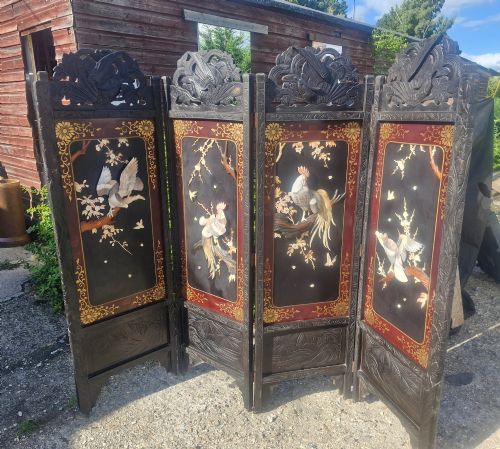
When you search for early 20th century carving, you encounter a varied selection of sculpted figures, decorative panels, and functional furniture. These items originate from diverse global traditions, including Japanese folding screens with carved bone figures, African tribal art, and European revival styles.
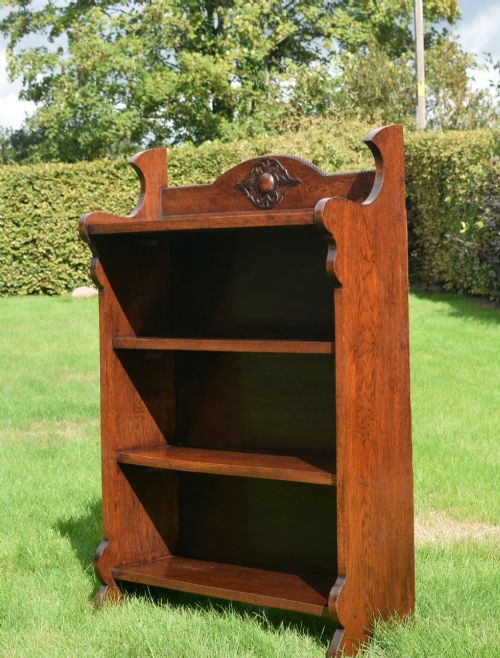
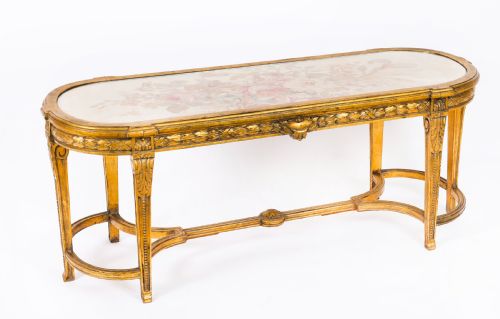
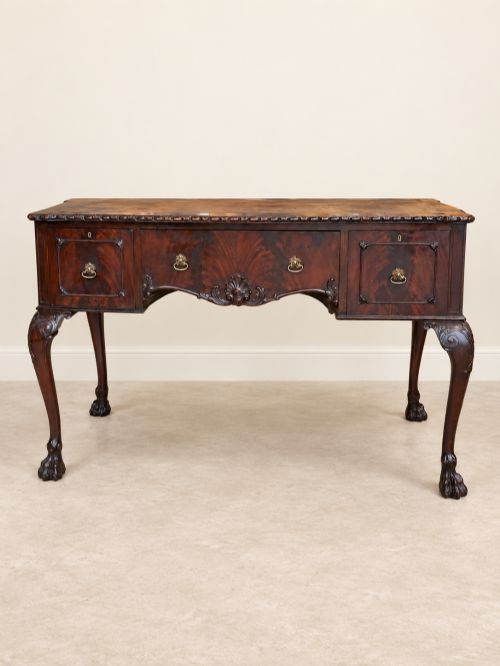
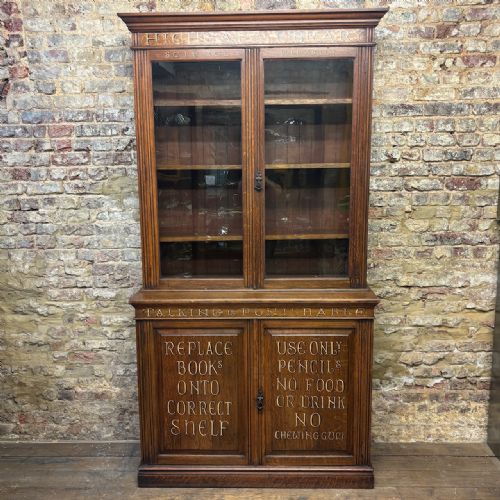
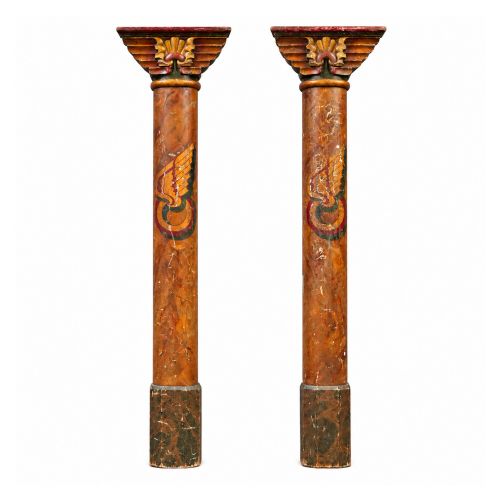
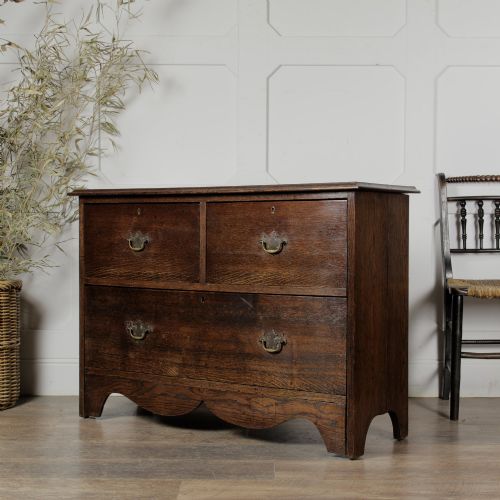
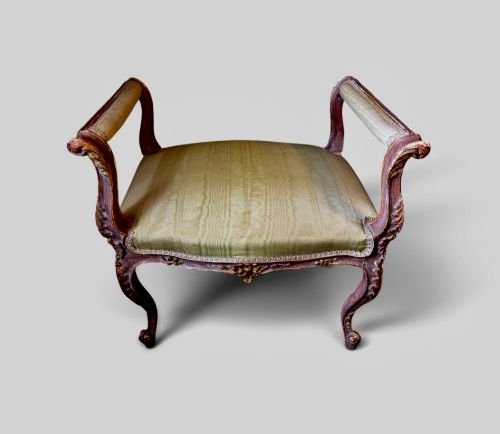
The objects span domestic pieces such as oak bookcases, walnut side tables, and giltwood wall clocks, alongside figurative sculptures and architectural elements like fairground columns. Oak and mahogany predominate in the furniture categories, while various secondary timbers and metals support the decorative items.
Materials and construction methods
Makers utilised solid timbers such as oak, walnut, and mahogany for structural pieces, often shaping them with hand tools like chisels and gouges. Decorative surfaces frequently incorporate carved bone, mother of pearl inlay, or giltwood applied to carved wooden frames.
Alternative media appear across the selection, including cast stone for garden planters, alongside iron and zinc for architectural lanterns. Joinery techniques range from traditional cabinet making to folk art shaping, reflecting the specific regional origin of each item.
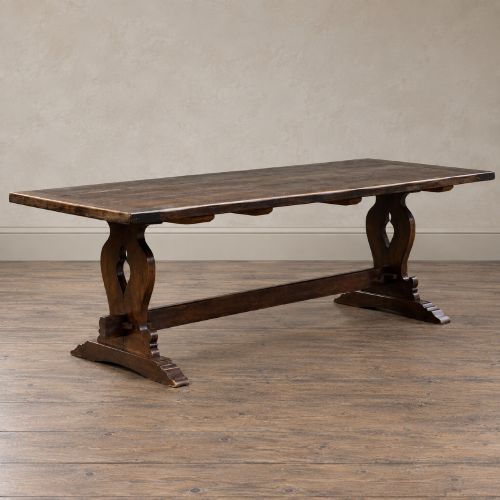
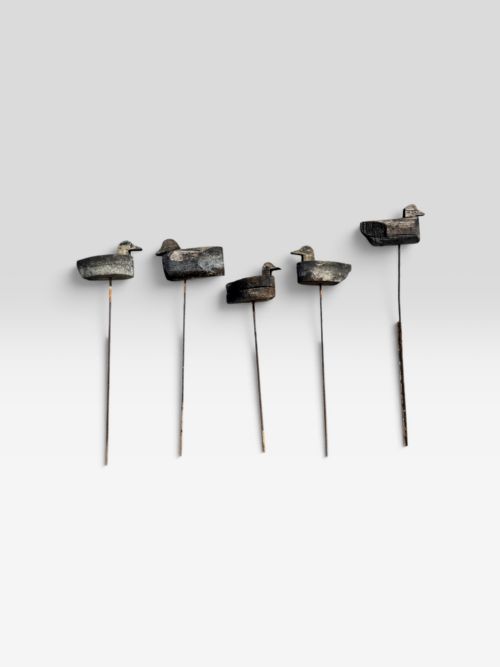
Carved wooden ducks wait patiently alongside stately refectory dining tables, proving that bookish scholars and migrating birds share the exact same century.
Distinctions in quality
Quality rests upon the depth, precision, and crispness of the carving itself, distinguishing skilled artisan work from simpler commercial production. Sculptural pieces with expressive anatomical detail or intricate relief depth demonstrate superior craftsmanship.
The selection of timber and the integrity of the underlying construction also define the grade of an item. Pieces retaining original surface finishes and harmonious proportions achieve greater distinction than those with compromised details.
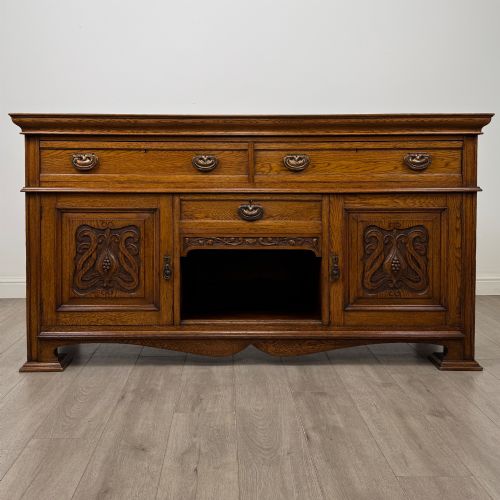
Wylie & Lochhead Glasgow
The Early 20th Century Carving Glossary
- Giltwood
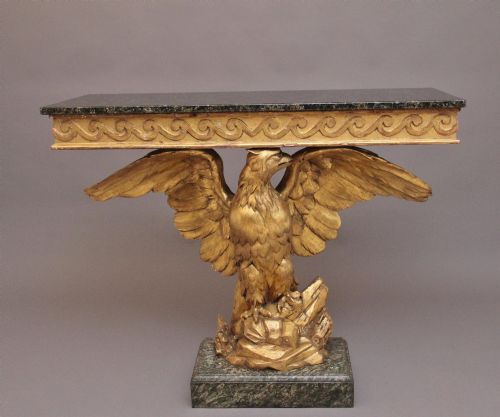
- Wood that has been coated with gold leaf or gold paint. This technique is frequently seen on decorative mirrors and console tables from the period.
- Relief
- A sculptural technique where elements remain attached to a solid background of the same material. Deep relief carving creates strong shadow lines on screens and panels.
- Folk art
- Art produced from an indigenous culture or peasant society without academic training. Duck decoys and regional wooden objects fall into this category.
- Revival style
- Artistic movements that consciously draw upon the styles of past eras. Examples include Gothic, Jacobean, and Neoclassical revivals found in furniture.
- Burr walnut
- Wood taken from a tree growth containing knotty clusters, producing complex swirling grain patterns. It is typically used for veneers on high-end cabinet work.
Early 20th Century Carving: Frequently Asked Questions
What defines early 20th century carving?
Early 20th century carving comprises decorative items and furniture produced roughly between 1900 and 1930 that feature hand-worked ornamentation. These pieces range from functional oak bookcases with carved details to purely sculptural figures and decorative wall panels.
The items reflect a mix of traditional craft methods and revival aesthetics popular during the Edwardian era and the interwar years. Artisans utilised regional timbers and secondary materials to create both domestic furnishings and artistic works.
How do I identify different revival styles?
Revival styles draw inspiration from historical periods such as the Gothic era, the reign of Queen Anne, or the Jacobean period. You can identify them by specific architectural motifs, such as pointed arches in Gothic pieces or turned legs and geometric panels in Jacobean furniture.
Comparing the decorative vocabulary on a piece against known historical periods helps clarify its stylistic roots. Makers of this era frequently reinterpreted these older motifs using contemporary workshop techniques.
Where were these carved items produced?
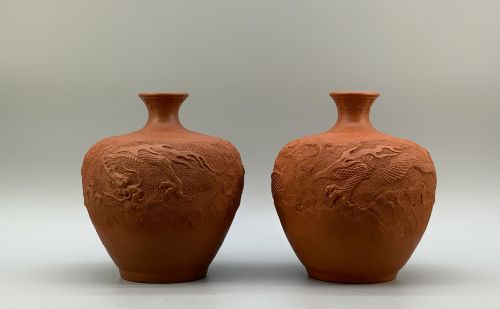
The pieces originate from diverse workshops across Britain, continental Europe, Asia, and Africa. European production often focused on revival furniture and giltwood decorative objects, while Asian items included carved bone folding screens and pottery.
Regional traditions dictate the choice of materials, such as oak and mahogany in British furniture versus exotic hardwoods and bone in imported decorative items. Each geographic origin brings distinct carving techniques to the surface design.
How should I care for carved wooden furniture?
Carved wooden surfaces require stable environmental conditions away from direct sunlight and excessive heat sources. Maintaining consistent indoor humidity prevents the timber from drying out and guards against splitting in delicate relief areas.
Dusting regularly with a soft, dry cloth protects the carved details from dirt accumulation. Periodic application of appropriate wax polish helps preserve the finish on timbers like oak, walnut, and mahogany.