


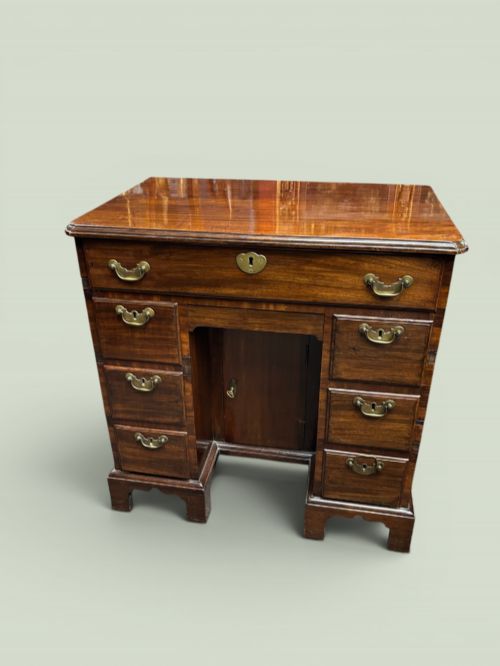
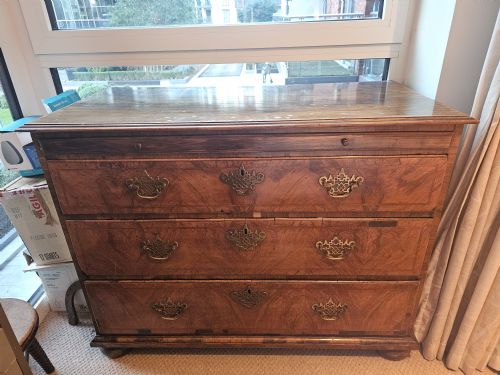
Chest of Drawers with Slide
A chest of drawers with slide provides a concealed pull-out surface for writing or dressing, combining practical storage with compact workspace.
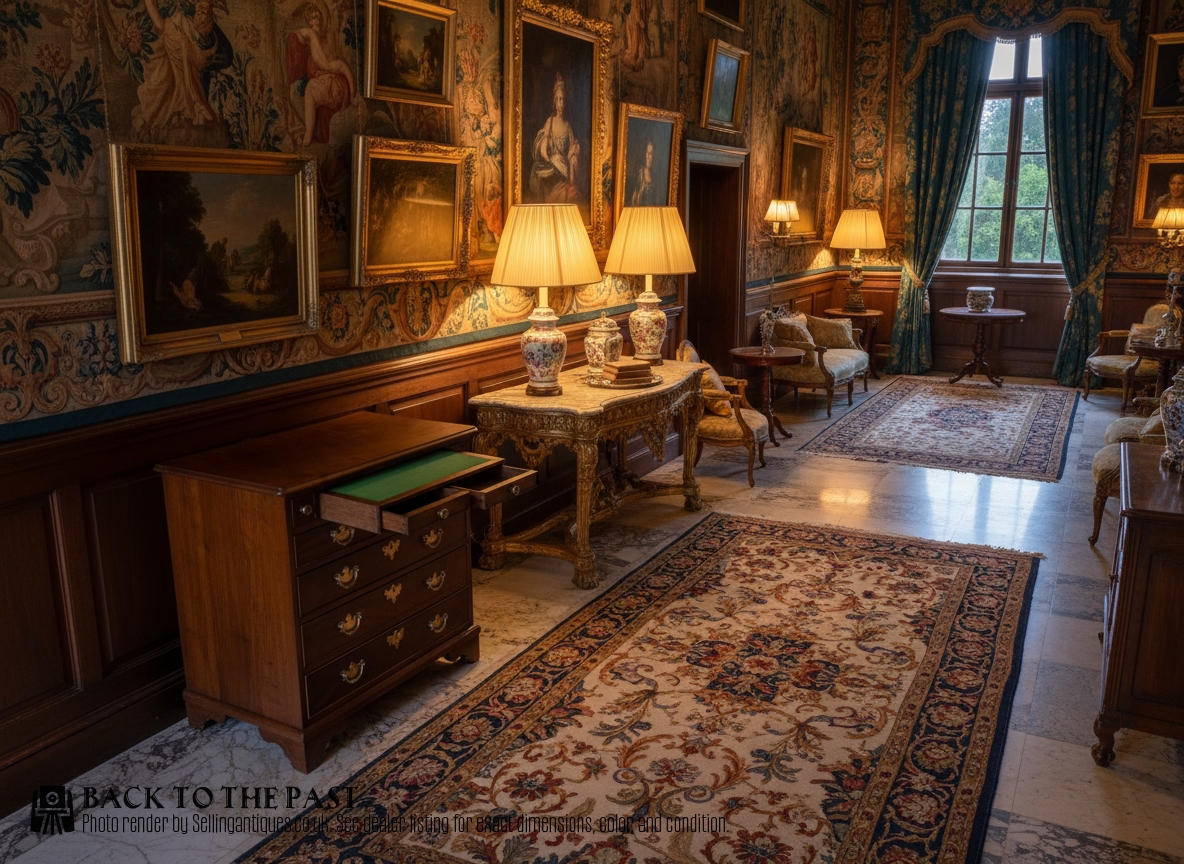
Chest of Drawers with Slide
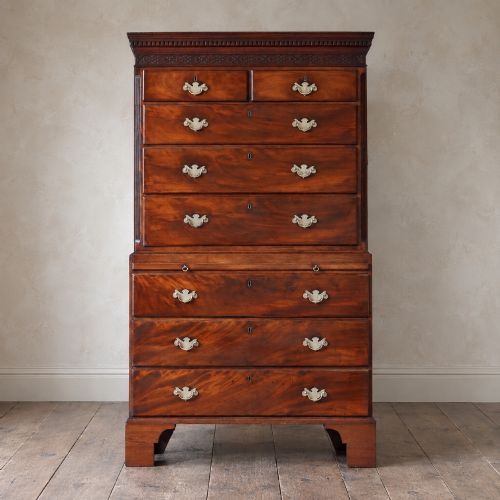
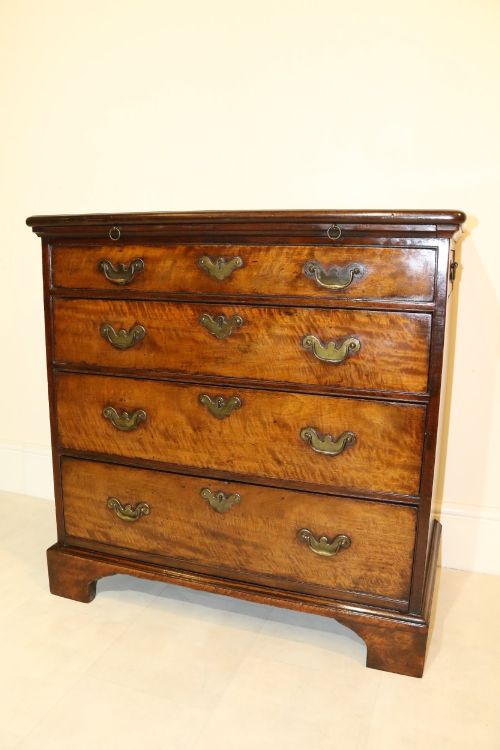
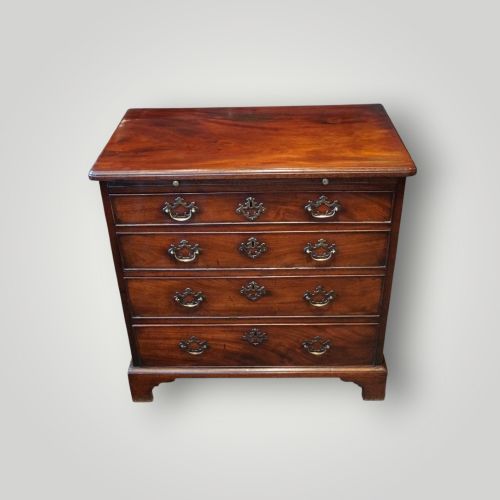
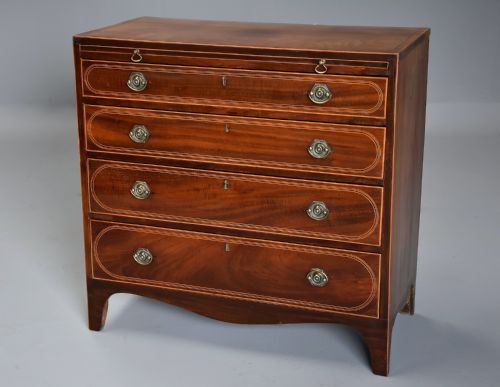
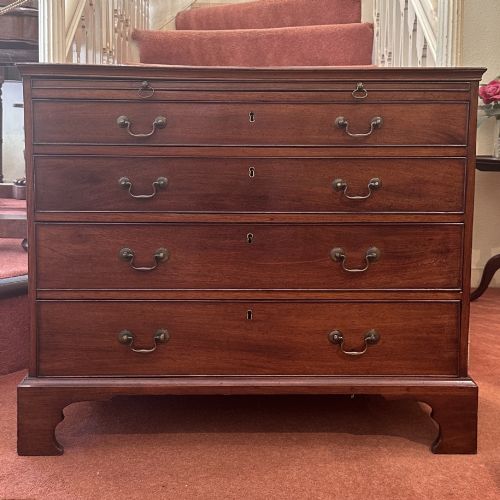
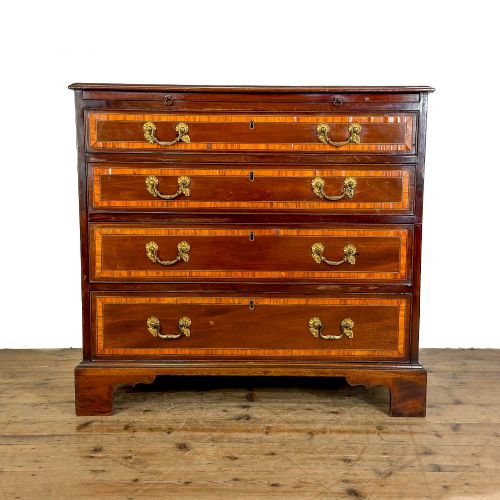
When searching for a chest of drawers with slide, buyers encounter case furniture designed with a pull-out shelf positioned directly above the main drawers or integrated into the upper section. These pieces primarily date from the Georgian and 18th century periods, extending through the 19th century and Edwardian eras.
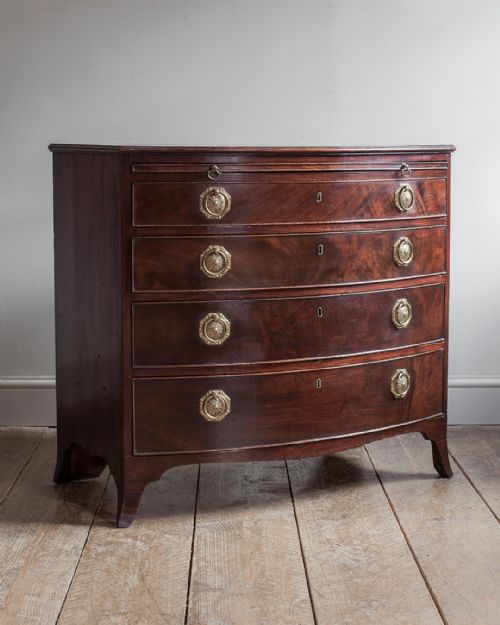
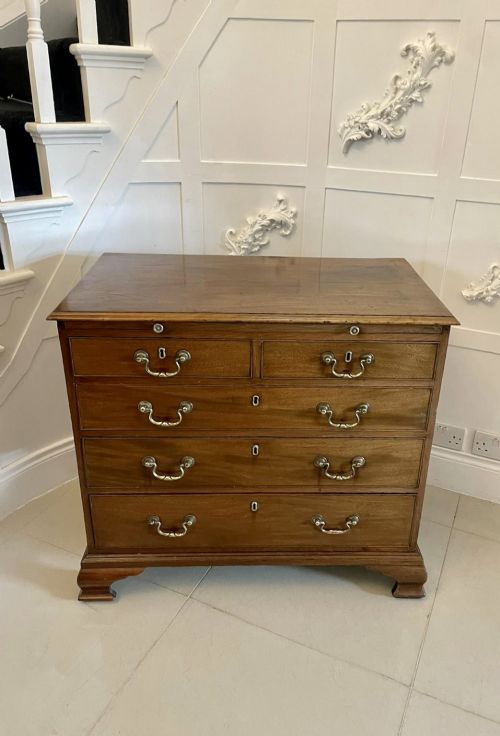
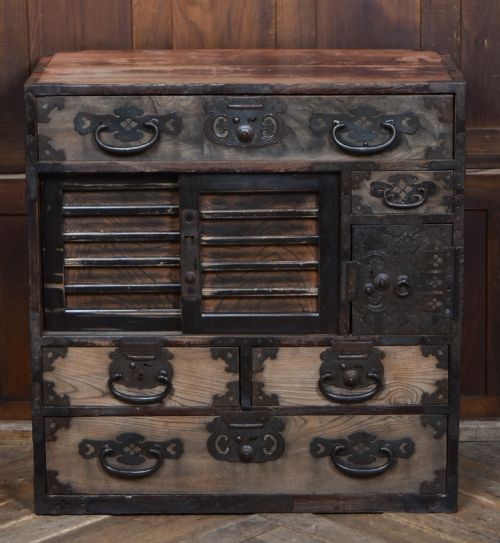
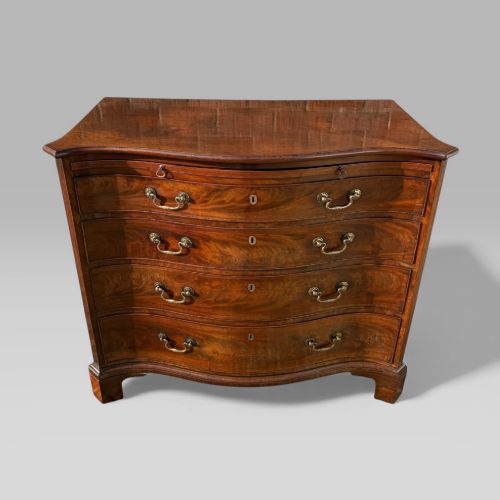
The dominant forms on this page include mahogany bachelor's chests, serpentine and bowfront commodes, and taller chest on chest configurations. Walnut, burr walnut, and oak examples also appear alongside specialised variants like tabletop cabinets and linen presses.
Originating as versatile items for bedchambers and dressing rooms, these forms offered a stable surface for writing correspondence or laying out garments without requiring a separate table.
How They Were Made
Cabinetmakers constructed these carcases primarily using solid and figured mahogany, walnut, and oak, often incorporating secondary timbers such as cedar within the drawer linings. Timber selection focused on grain patterns like flame mahogany and burr walnut to create visually striking drawer fronts and top panels.
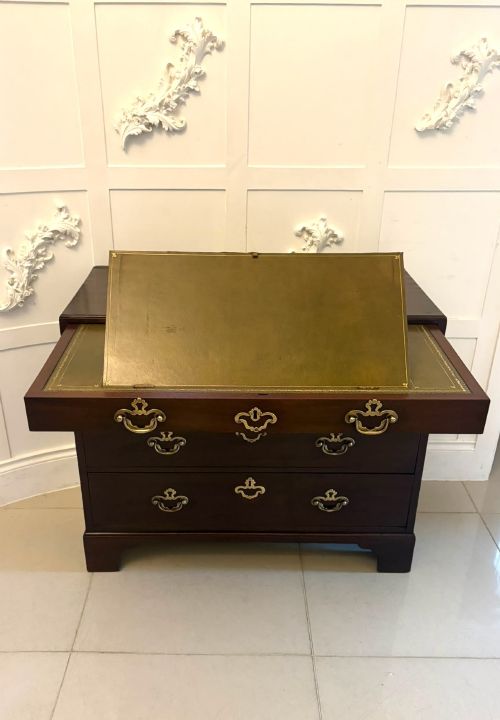
Sliding mechanisms relied on precise tongue-and-groove tracks or runners fitted neatly beneath the top board or internal divider. Surfaces were frequently finished with leather or baize inserts on the pull-out slide to protect the wood during writing.
Chest of Drawers with Slide Retail Price Guide 2026
Typical asking prices for chest of drawers with slide among the pieces listed under this phrase on Sellingantiques today, from the lower quarter to the upper quarter. They describe what is for sale here now, not the wider market.
Listings feature mahogany, walnut, burr walnut, and oak across Georgian, Regency, and Edwardian periods.
What Varies in Quality
Proportion and scale define the upper tier of these pieces, particularly in smaller bachelor chests and neat bowfront formats where balanced dimensions are difficult to achieve. Timber selection dictates visual hierarchy, with figured mahogany and matched burr walnut veneers separating standard examples from exceptional items.
Construction integrity shows in the smoothness of the sliding mechanism and the tightness of the drawer dovetails. Original brass hardware, surface patina, and untouched timber condition elevate the standing of surviving pieces.
The Chest of Drawers with Slide Glossary
- Brushing slide
- A pull-out shelf positioned above the drawers, originally intended for brushing clothes or used as a writing surface. This component defines the functionality of the chest.
- Bachelor's chest
- A small chest of drawers equipped with a folding or sliding top surface, designed for compact living quarters. These pieces date predominantly from the Georgian period.
- Chest on chest
- A tall storage unit comprising one chest stacked directly upon a larger base chest, also known as a tallboy. This form maximises vertical storage capacity.
- Serpentine
- A curved front featuring a convex central section flanked by concave sweeps, or vice versa. This shaping requires advanced cabinetmaking skill.
- Bowfront
- A convex, outwardly curved front profile popular on late 18th and 19th-century case pieces. It softens the linear appearance of standard rectangular chests.
Chest of Drawers with Slide: Frequently Asked Questions
What was the slide used for?
The pull-out slide served multiple daily functions in period bedchambers. It acted as a temporary shelf for sorting garments or as a compact writing desk.
Users pulled out the board to hold paperwork or grooming items without needing a full-sized table in the room.
How do I date a chest?
Dating relies on timber choice, construction methods, and hardware styles. 18th-century pieces often feature oak linings and hand-cut dovetails.
Later 19th-century and Edwardian examples show machine precision, different secondary woods, and standardised brass fittings.
Are these pieces suitable for modern bedrooms?
Their compact proportions make them ideal for contemporary living spaces where floor area is limited. They offer deep drawer storage combined with an extra pull-out surface.
Placing them in a master bedroom or study provides both historic character and everyday utility.
What is the difference between a bachelor chest and a standard chest?
A standard chest focuses purely on vertical drawer storage. A bachelor chest includes the defining integrated sliding shelf.
This addition transforms the top section into a dual-purpose piece of furniture.