
Chased Silver Dish
A chased silver dish brings intricate texture and weight to a table, offering centuries of craftsmanship in solid silver, silver plate, and white metal.
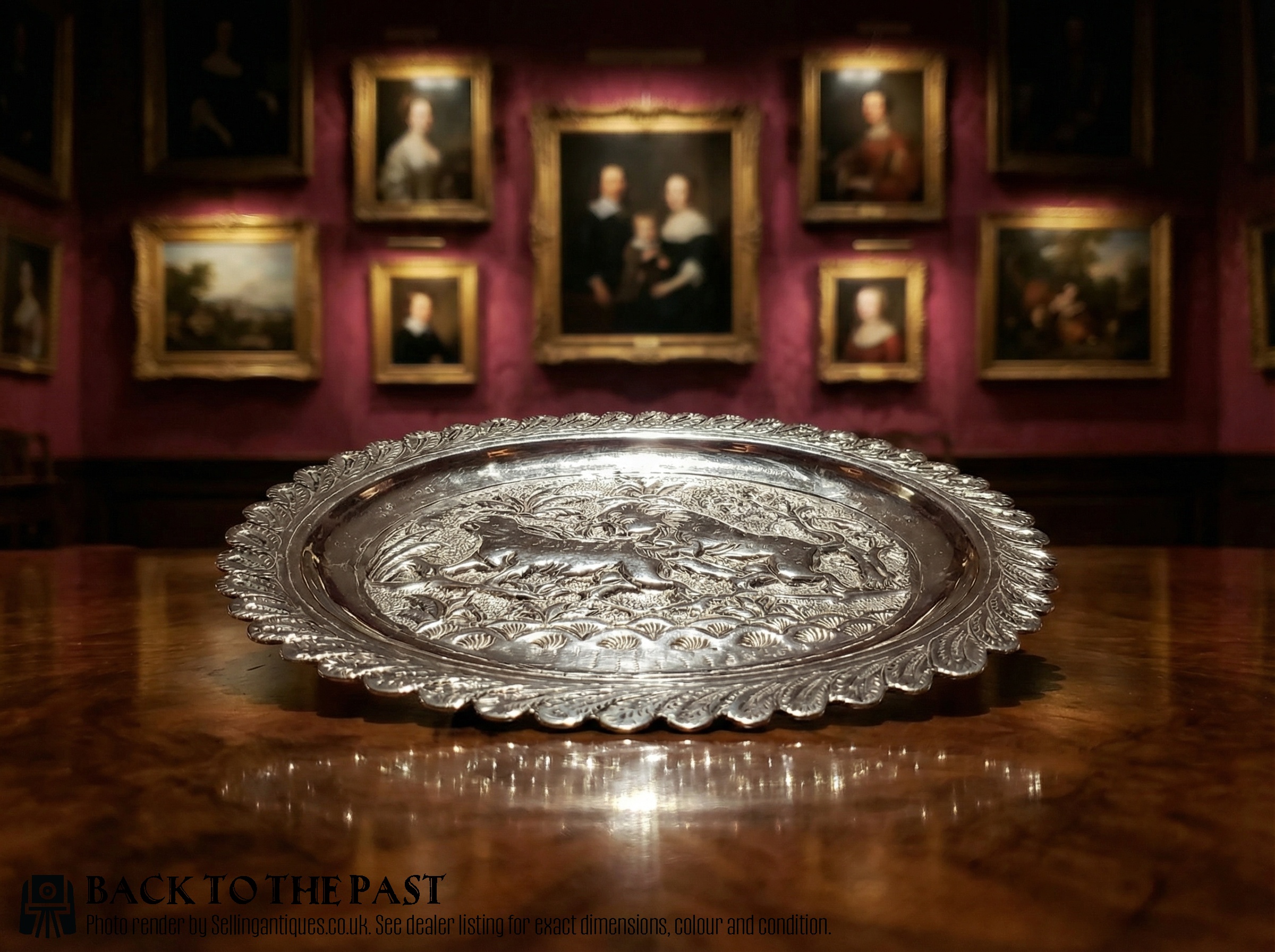
Chased Silver Dish
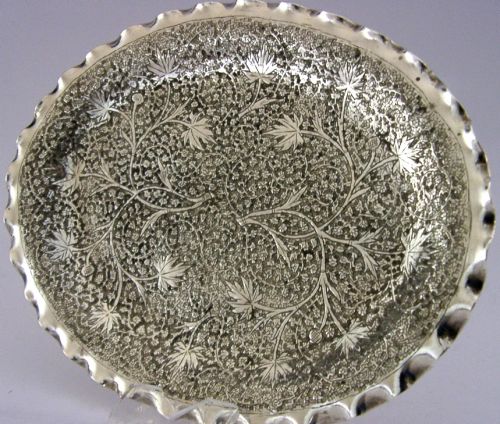
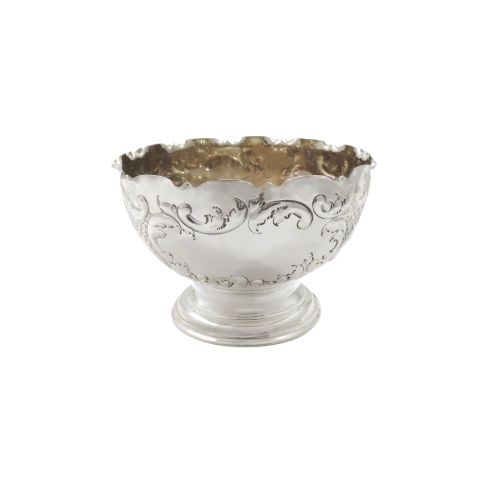
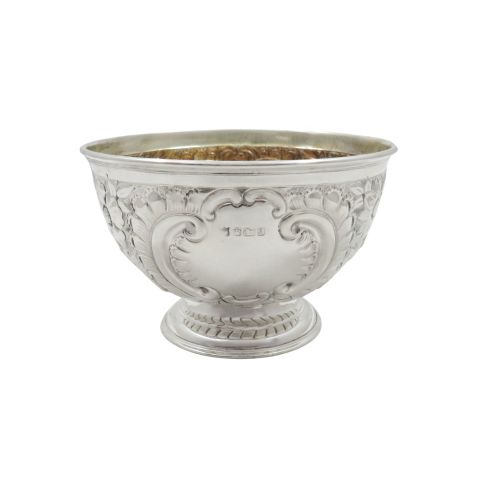
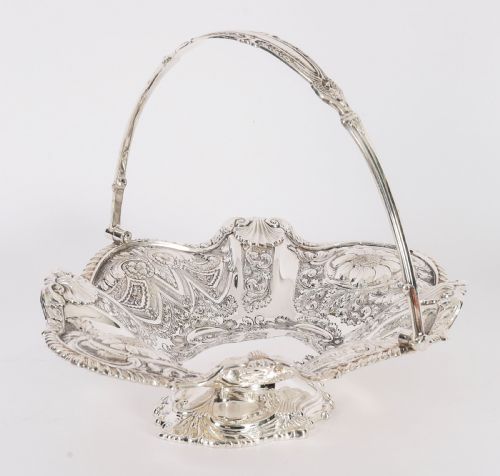
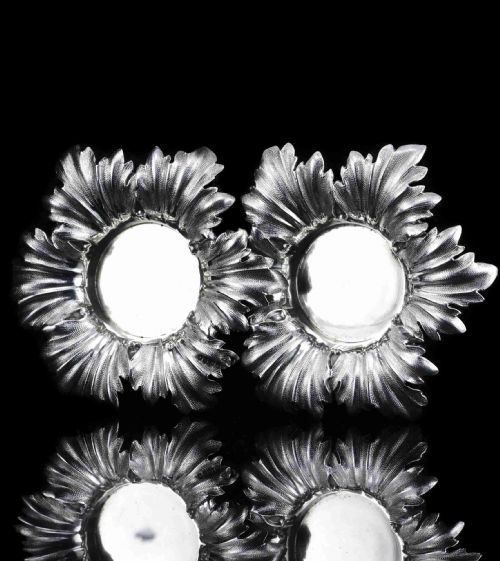
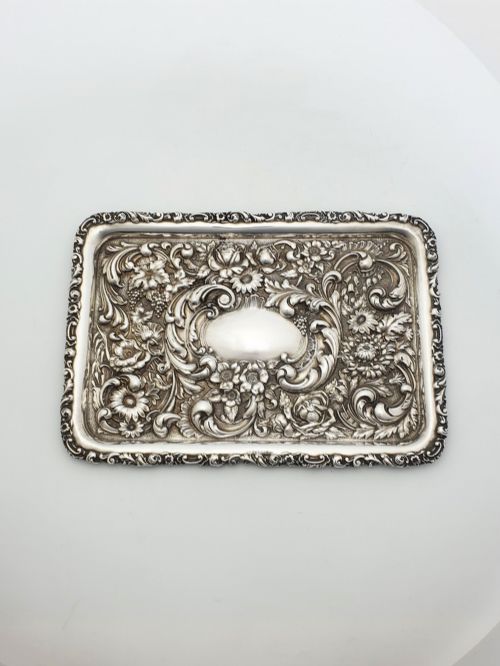
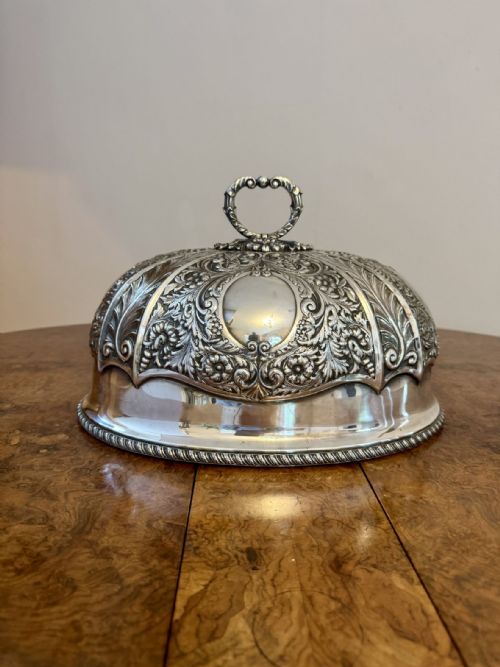
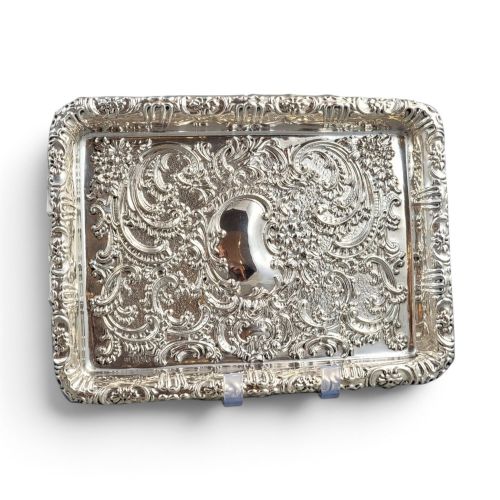
A chased silver dish encompasses everything from shallow trinket trays and fruit baskets to footed bowls and presentation serving pieces. These items emerge primarily from Victorian, Edwardian, and early twentieth-century workshops, spanning domestic English silver alongside global output.
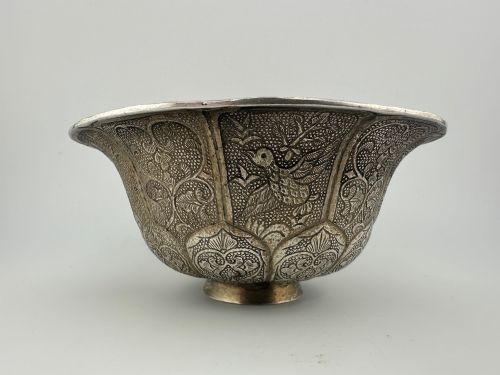
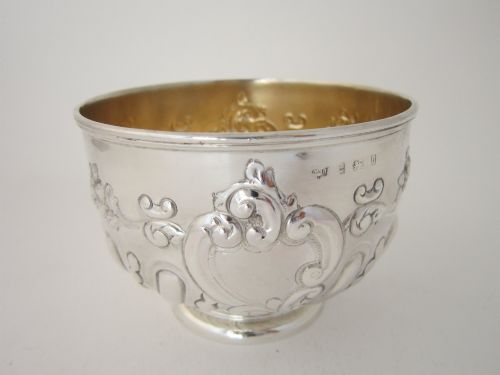
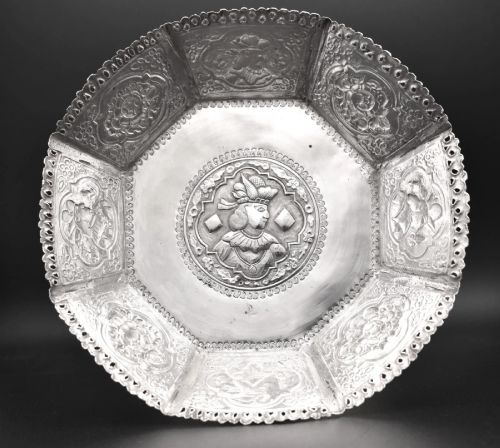
The domestic English examples often take the form of card trays, cake baskets, and table boxes bearing formal hallmarked sterling silver. Alongside these sit distinct regional styles, including Anglo-Indian, Chinese Export, Ottoman, and Persian patterns.
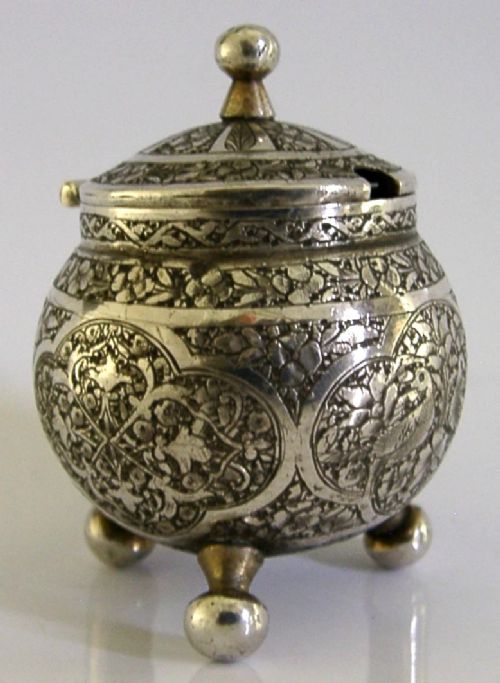
Buyers encounter these objects functioning as decorative bowls, mustard pots, and jewellery caskets. The variety ranges from heavy solid silver table pieces to silver plated and white metal vessels.
Materials and technique
Makers shaped these pieces from solid sterling silver, silver plate, electroplated nickel silver, white metal, and silver gilt, frequently augmenting the form with interior gilding. The foundational metal provides the heft, whether in hefty solid silver boxes or plated fruit baskets.
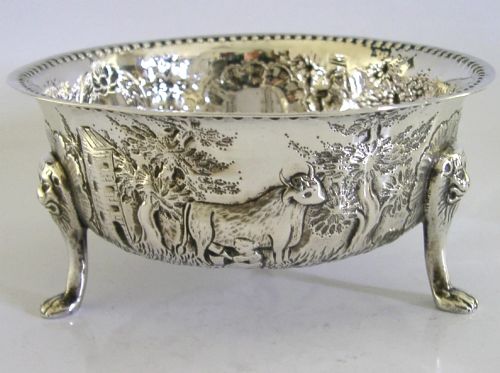
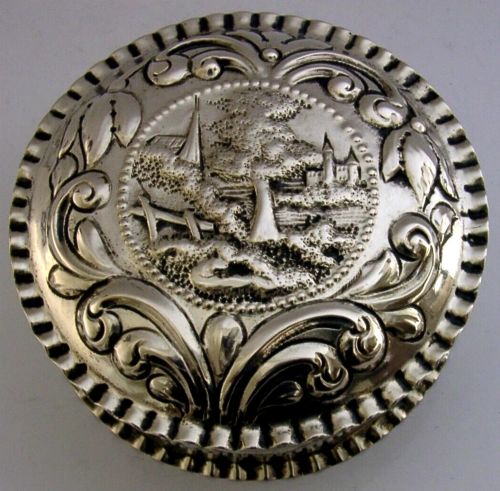
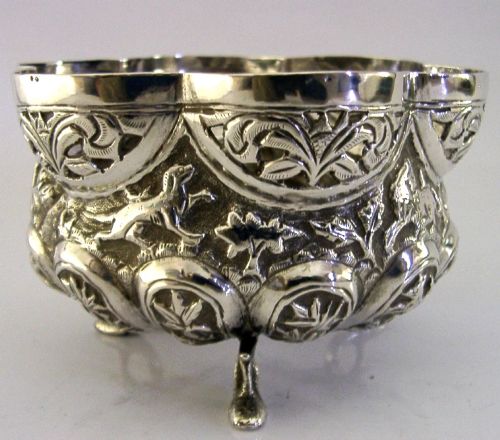
The defining surface work relies on chasing and repoussé, where silversmiths hammered the metal from the front and reverse to raise foliate, floral, or figurative designs. This method produces high-relief textures of birds, scrolls, and architectural scenes across the surface of the dish or bowl.
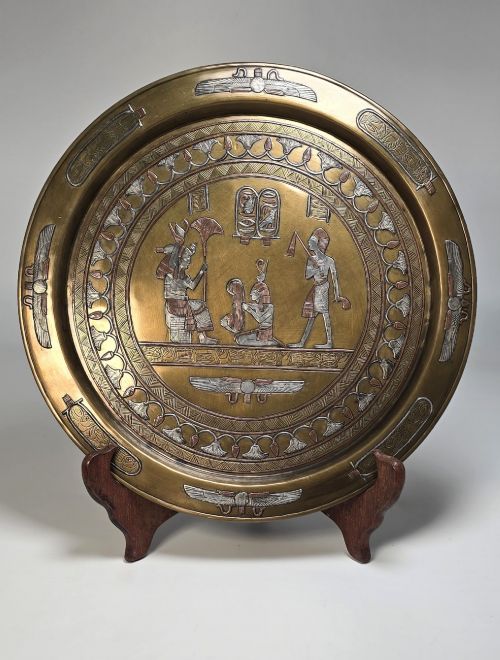
Materials range from sterling silver and silver gilt to silver plate, white metal, and brass, spanning British workshops and international traditions.
Markers of distinction
Distinction rests on the crispness and depth of the manual chasing, separating shallow, mechanically stamped patterns from deep, hand-hammered relief. Master silversmiths achieved exceptional definition in foliage and animal motifs, while lesser work appears soft and uniform.
Weight and structural integrity dictate the standing of a piece, with heavier solid silver items demonstrating substance compared to lighter plated alternatives. Maker attribution, legible hallmarks, and regional specialty also separate standard domestic production from distinguished international export ware.
George W Scott And Sons Ltd·Barnards·Robert Pringle And Sons·A And J Zimmerman Ltd·James Deakin And Sons·Elkington And Co·William Neale And Sons·William Comyns·Goldsmiths And Silversmiths Co
The Chased Silver Dish Glossary
- Chasing
- The technique of indenting metal from the front with hammers and punches to create surface patterns. This process pushes the metal rather than removing it.
- Repoussé
- A method of shaping metal from the reverse side to form raised designs in high relief. It works in tandem with chasing to create dimensional scenes.
- Sterling silver
- An alloy consisting of pure silver and other metals, standardly marked by British assay offices. It guarantees the precise silver content of the item.
- Silver gilt
- Silver coated with a thin layer of gold on its surface, often seen lining the interior of boxes and bowls. This finish protects the metal and adds rich colour.
- White metal
- An unhallmarked alloy used in various eastern export items, resembling silver in appearance. It accommodates intricate hand-hammered detailing without standard assay marks.
Chased Silver Dish: Frequently Asked Questions
How do I clean a chased silver dish?
Use a soft cloth and a gentle silver cleaner that will not abrade the fine details of the chased surface. Avoid harsh dips that strip patination from the recesses.
Take care around intricate repoussé work where polish can accumulate. Store the piece dry to maintain the finish.
How can I date an antique chased silver dish?
British pieces typically rely on assay office hallmarks, date letters, and maker marks stamped directly into the metal. These codes reveal the exact year and city of manufacture.
Items without British marks, such as Anglo-Indian or Chinese export pieces, depend on stylistic cues, construction methods, and period characteristics.
How were these dishes used originally?
Domestic English dishes served for presenting fruit, cakes, cards, or visiting cards in grand hallways. Smaller boxes functioned as trinket repositories or mustard containers on dining tables.
International export pieces often fulfilled decorative roles in grand tour collections or served ceremonial and practical functions within their home regions.
How do I style a chased silver dish at home?
Place a shallow tray on a wooden surface to contrast the reflective metallic sheen with organic textures. Use footed bowls and baskets as standalone centrepieces or fill them with seasonal fruit.
Trinket boxes and small dishes suit side tables and dressing chests for holding everyday accessories.