

Charles II Period Furniture
These robust pieces of charles ii period furniture bring heavy seventeenth-century timber into a room, offering serious construction and enduring presence.
Charles II Period Furniture
When searching for charles ii period furniture, buyers encounter heavy timber forms produced during the seventeenth century. These works capture the domestic and social requirements of the era through functional household objects.
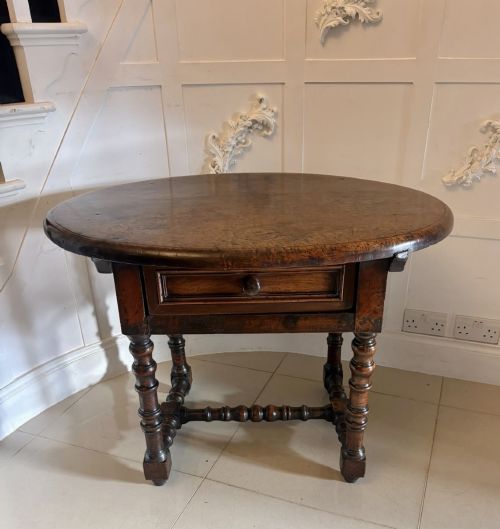
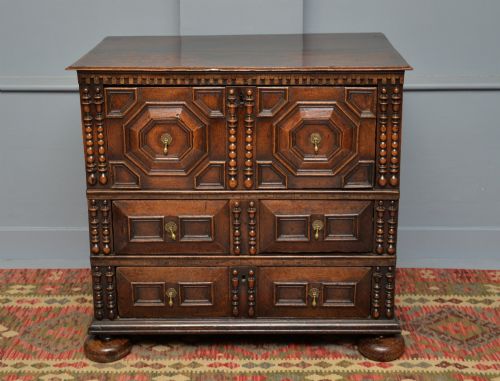
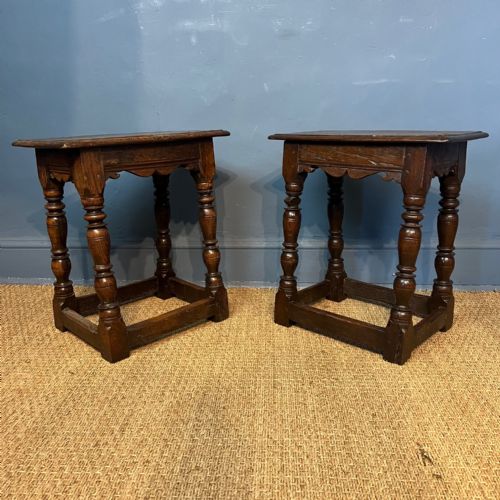
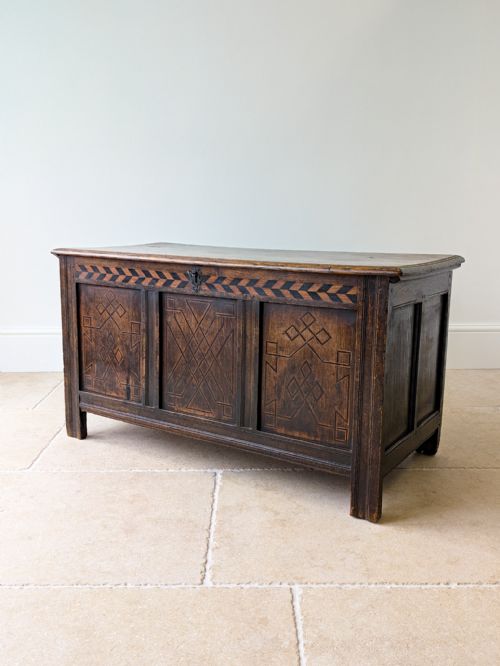
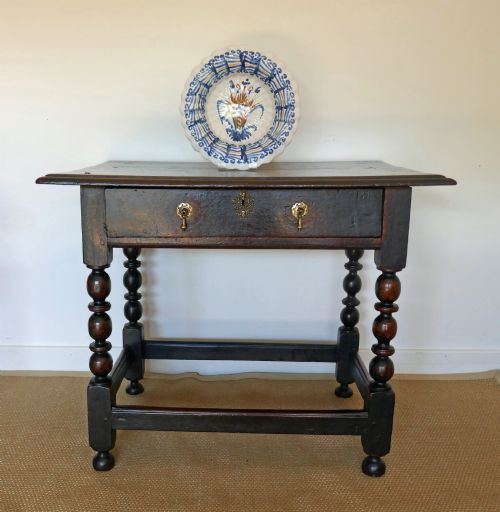
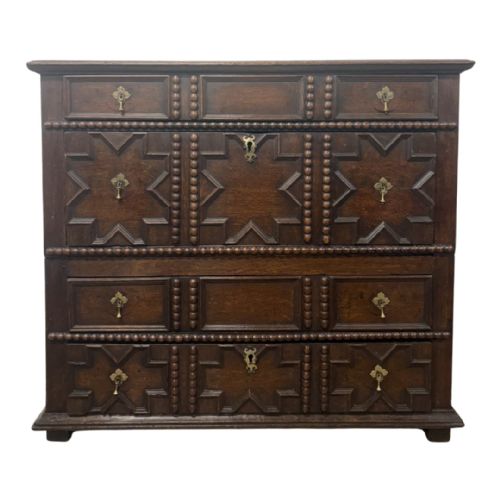
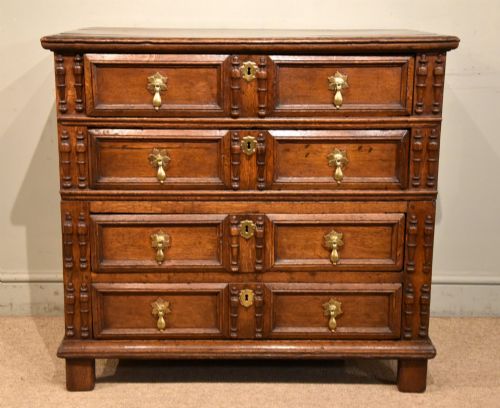
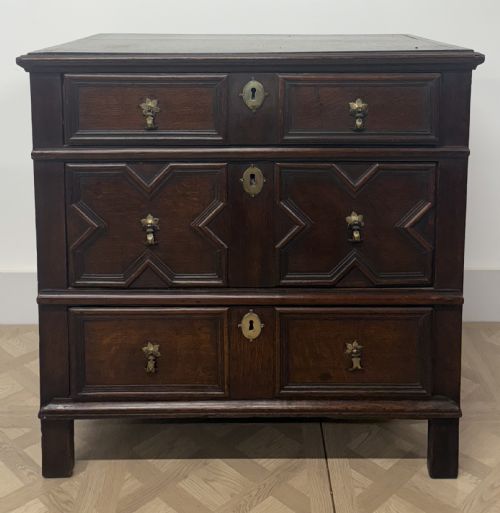
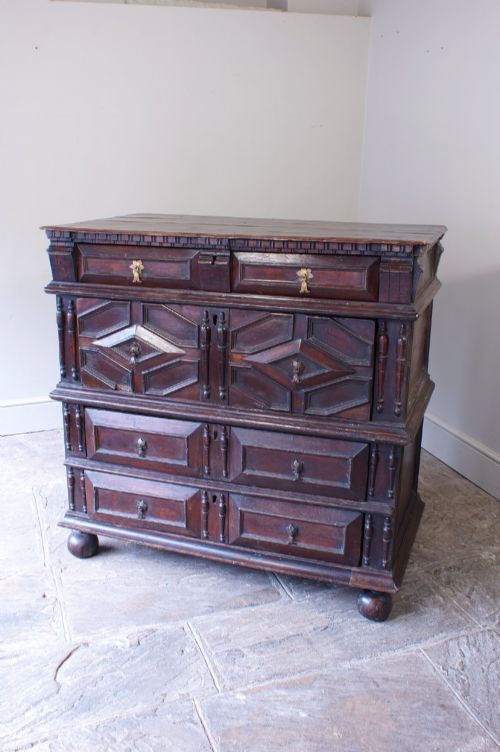
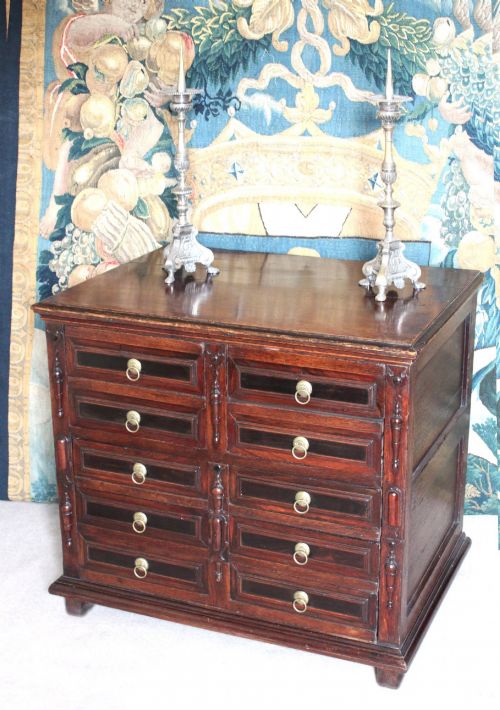
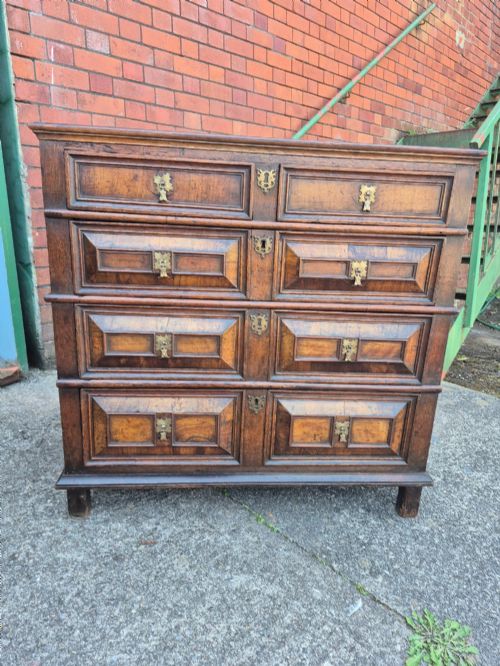
The most common survival from this era is the oak chest of drawers, often built with moulded fronts or geometric decoration. Alongside these storage pieces, seating appears frequently in the form of joint stools, wainscot chairs, side chairs, and armchairs.
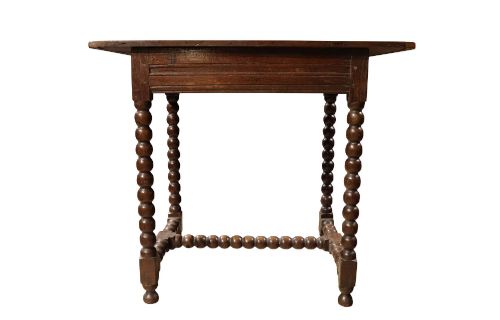
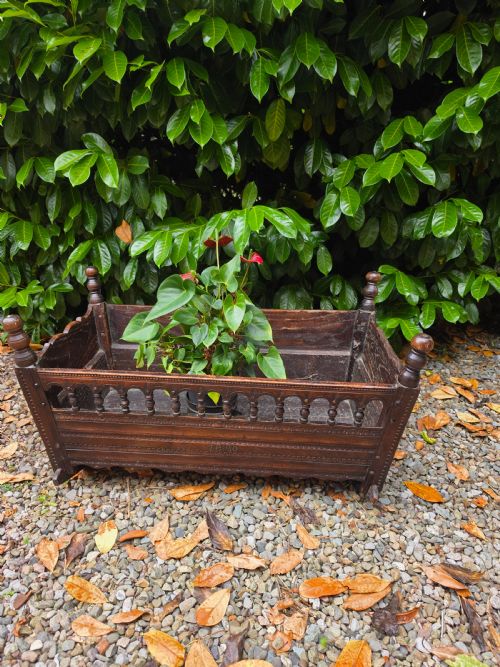
Regional variations emerge across England, with specific examples originating in Wales and Yorkshire. Tables and smaller box forms also appear, rounding out the domestic interior of the period.
Construction and Materials
Makers relied primarily on native oak, supplemented by walnut, fruitwood, and iron hardware. Timber was heavily worked using traditional jointing methods to ensure structural stability without modern adhesives.
Decorative surfaces utilise geometric mouldings, raised panels, and carved details cut directly into the solid wood. Certain chairs integrate cane work and upholstered elements supported by fabric and textile coverings.
Charles II Period Furniture Retail Price Guide 2026
Typical asking prices for charles ii period furniture among the pieces listed under this phrase on Sellingantiques today, from the lower quarter to the upper quarter. They describe what is for sale here now, not the wider market.
The material record shows widespread use of native oak supplemented by walnut, fruitwood, and iron across tables and seating.
Evaluating the Pieces
Quality rests in the crispness of the timber moulding and the integrity of the original joints. Pieces that retain their primary construction without excessive timber replacement demonstrate superior survival.
The sophistication of the geometric drawer fronts and carved details separates standard utility pieces from finer examples. Proportion and balance in the turning of table legs and chair supports further distinguish better items.
The Charles II Period Furniture Glossary
- Joint Stool
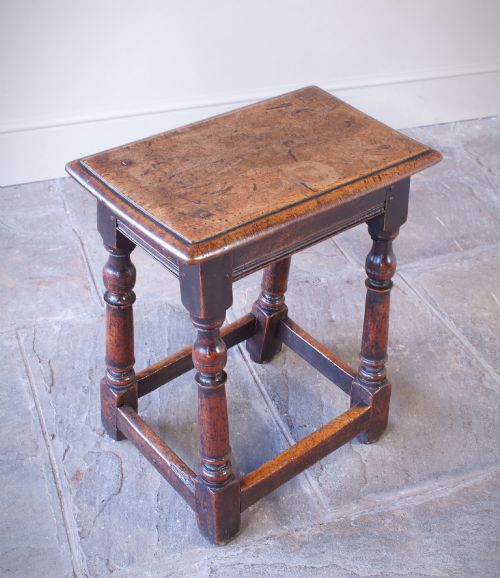
- A sturdy wooden seat constructed with mortise and tenon joints rather than turned legs glued into place. These items provided versatile seating around seventeenth-century dining arrangements.
- Wainscot Chair
- A heavy wooden armchair featuring a panelled backrest and solid timber construction. They represent status and substantial carpentry from the seventeenth century.
- Gateleg Table
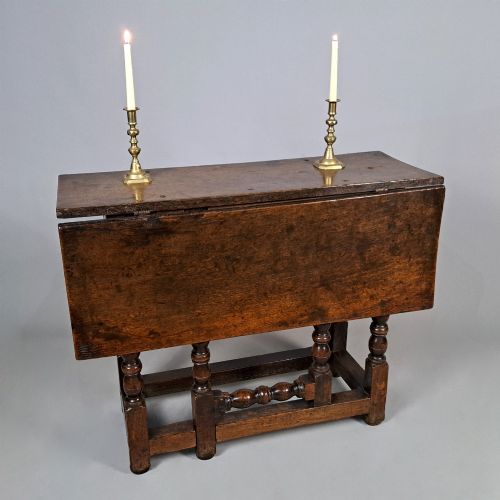
- A table with hinged drop leaves supported by swing-out legs that resemble a gate opening. This design allowed furniture to expand for dining and fold down when space was needed.
- Geometric Moulding
- Applied wooden strips arranged in repeating geometric patterns on drawer fronts. This technique created visual depth on otherwise plain oak surfaces.
- Backstool
- An early form of chair without arms, essentially a joint stool fitted with a backrest. They served as compact seating options around seventeenth-century tables.
Charles II Period Furniture: Frequently Asked Questions
What defines charles ii period furniture?
These pieces date from the seventeenth century and are predominantly constructed from solid oak with visible timber grain. They encompass storage chests, seating, and tables marked by robust joinery and geometric decoration.
Makers of this era favoured functional designs that prioritized durability, utilising heavy planks and traditional framing methods that survive centuries later.
How do I identify a chest of drawers from this era?
Seventeenth-century chests typically feature framed drawers adorned with geometric mouldings or panelled drawer fronts. The wood is mostly oak, sometimes paired with walnut or fruitwood accents.
Construction details include hand-cut joints and boarded backs, reflecting the joinery techniques standard during the late sixteen-hundreds.
Were these items made exclusively from oak?
While oak remains the dominant material across the surviving pieces, walnut and fruitwood also appear in chairs and specific storage forms. Iron is utilised for hinges and functional hardware.
Textiles, fabric, and tapestry elements are found on upholstered seating alongside cane inserts used in late seventeenth-century chair backs.
How should I care for seventeenth-century wooden furniture?
Solid timber pieces require stable indoor humidity levels to prevent the wood from splitting or warping over time. Avoid placing them near direct heat sources or in areas with fluctuating temperatures.
Regular dusting with a soft cloth suffices for maintenance, allowing the natural patina of the aged oak or walnut to remain undisturbed.