
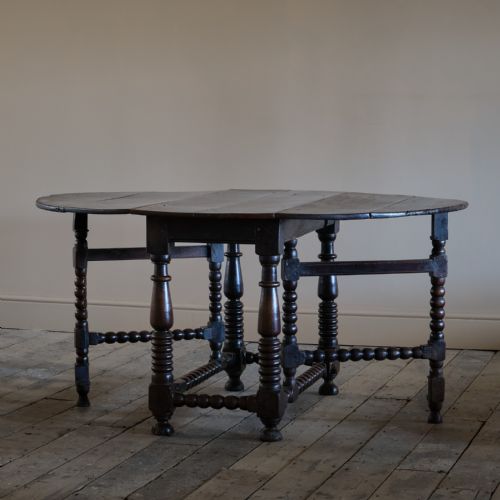
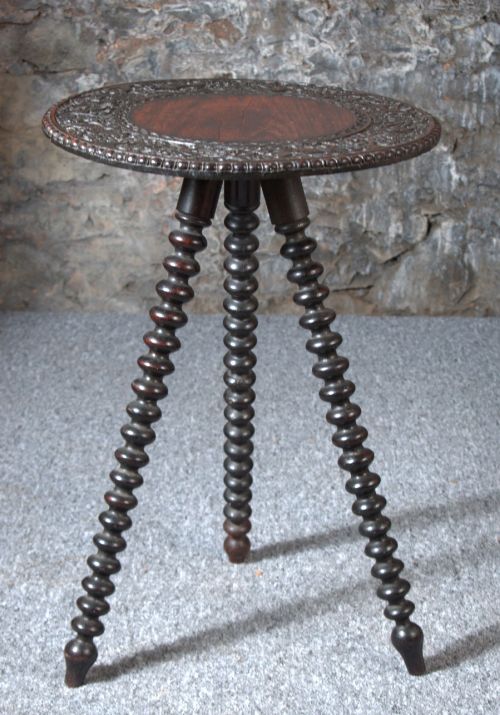


Carved Bobbin Turned Table
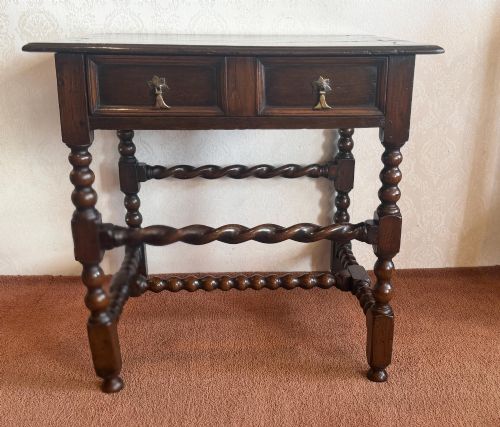
A carved bobbin turned table brings rhythmic, spool-moulded supports and solid timber construction into an interior.
Carved Bobbin Turned Table
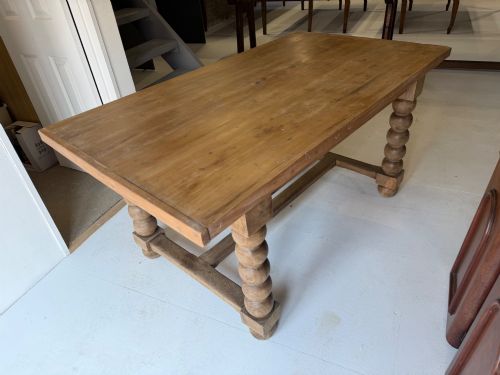
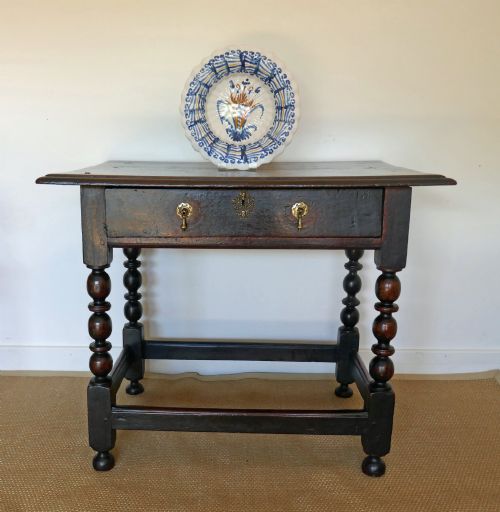
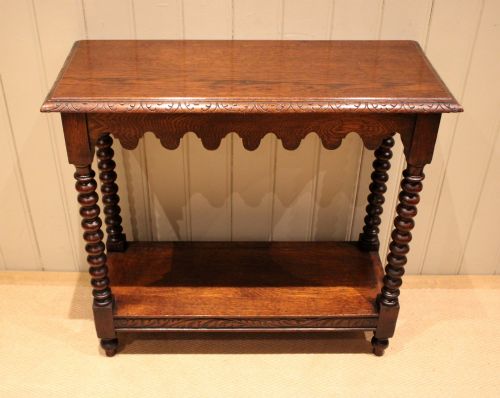
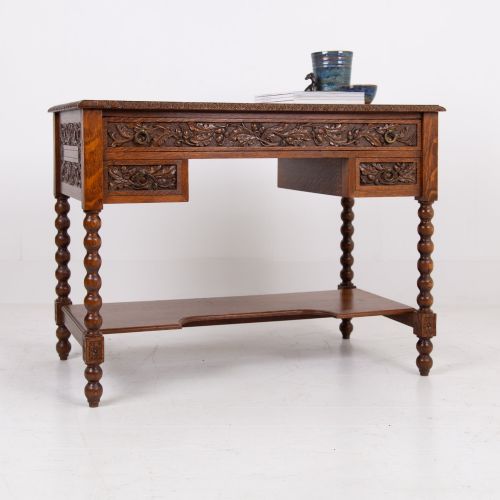
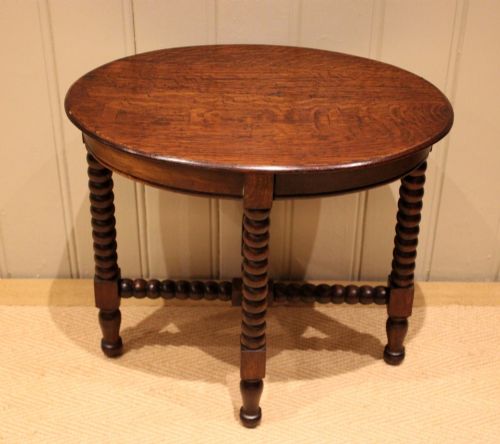
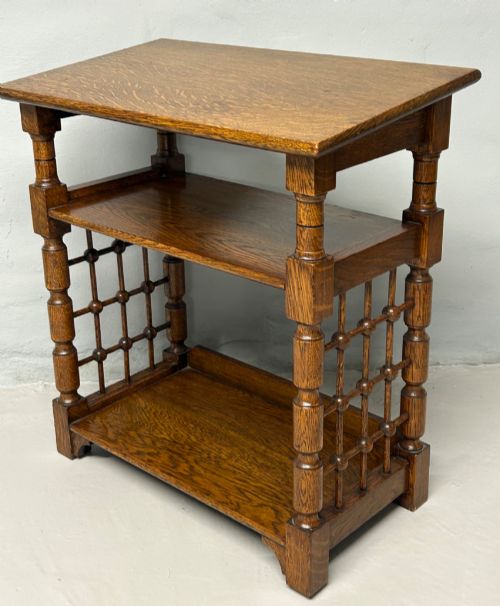
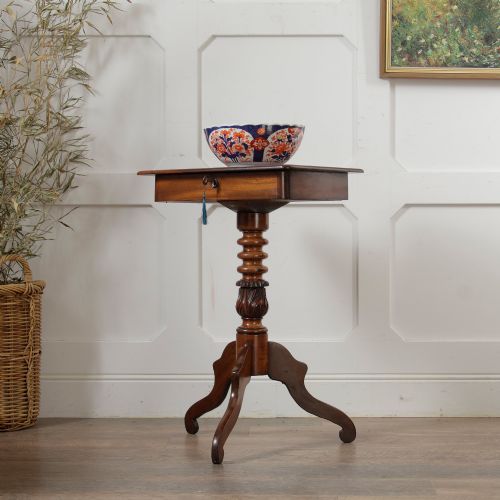
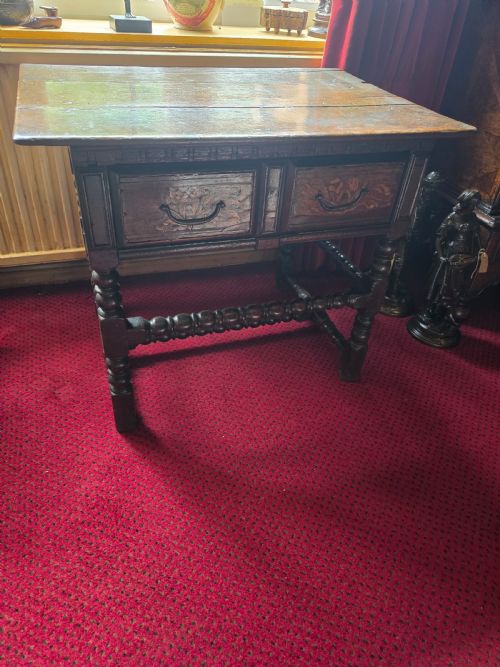
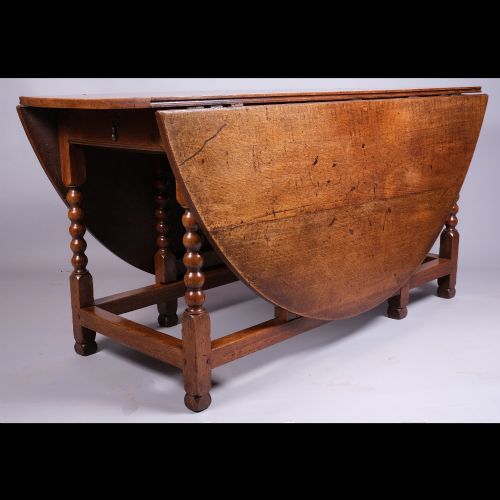
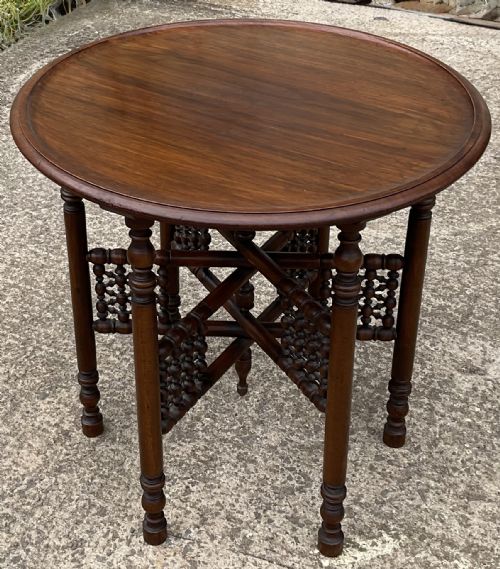
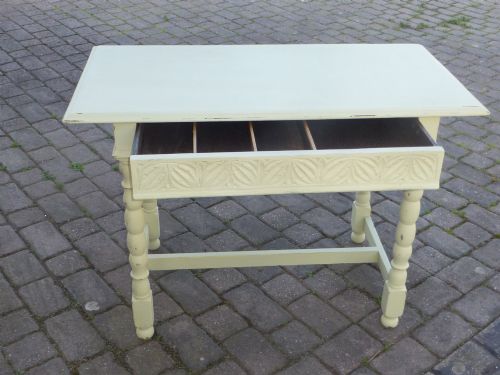
A carved bobbin turned table is defined by cylindrical legs and supports shaped into series of rounded wooden knobs resembling spools or bobbins, often paired with carved wooden tops. When searching this phrase, a buyer encounters forms ranging from compact side tables and coffee tables to larger gateleg dining tables and desks.
How They Were Made
Craftsmen built these tables using solid timbers such as oak, mahogany, walnut and beech, sometimes incorporating wood inlay, brass fittings or iron elements for structure and decoration. The characteristic bobbin legs were produced on a lathe, shaping the wooden shafts into symmetrical rounded segments by hand or mechanical turning.
Joinery techniques relied on traditional methods appropriate to the period, including pegged mortise and tenon joints for seventeenth-century frames and sturdy nineteenth-century construction. Surfaces were finished with polish, paint or natural wax to protect the dense hardwoods.
Materials recorded in these listings include oak, mahogany, walnut, beech, yew, rosewood, padouk, brass, iron and paint.
What Varies in Quality
The distinction between tiers of quality rests upon the crispness of the lathe work and the integrity of the timber used for the top and base. Superior pieces exhibit uniform, deeply cut spool turnings with minimal timber shrinkage and stable, original joints throughout the frame.
Subtleties in surface texture, the choice of quartersawn oak or figured walnut, and the survival of period drawer linings or brass hardware further separate standard examples from those of exceptional character and execution.
The Carved Bobbin Turned Table Glossary
- Bobbin turning
- A form of woodturning that creates a series of rounded, spool-like shapes along the length of a leg or stretcher. This repetitive profile defines the aesthetic of seventeenth-century and revival furniture.
- Gateleg table
- A drop-leaf table with hinged legs that swing outward to support the folding leaves. This form allows the table to expand from a narrow console into a dining surface.
- Jacobean revival
- A nineteenth-century design style that imitates the heavy oak furniture and turned details of the early seventeenth century. It draws directly upon seventeenth-century motifs.
- Credence table
- A folding or semi-circular side table used historically for holding communion elements or serving food. These surfaces often feature carved friezes and sturdy turned supports.
- Occasional table
- A small, movable table designed for casual use in a living space or hall. They appear in various woods including mahogany, walnut and oak.
Carved Bobbin Turned Table: Frequently Asked Questions
What periods do these tables come from?
The listings span from the seventeenth century through the nineteenth century, with later revival pieces extending into the twentieth century. Seventeenth-century examples sit alongside Victorian and Edwardian interpretations.
Craftsmen recreated the spool-moulded style across multiple eras, meaning nineteenth-century makers frequently produced Jacobean style furniture that mirrors seventeenth-century designs.
How were gateleg tables used?
Gateleg tables provided flexible dining and working surfaces in smaller seventeenth-century rooms where permanent large tables took up too much space. The hinged leaves dropped down when not in use.
Swinging legs supported the folding flaps, allowing the furniture to serve as a compact side table or expand to seat several people.
Are bobbin turned legs structurally strong?
The turned wooden sections distribute weight evenly down the vertical shaft, providing robust support for heavy oak and walnut tabletops. Solid timber construction reinforces their stability.
Stretchers placed near the floor connect the legs to prevent lateral movement and strengthen the entire underframe against daily wear.
How do I distinguish seventeenth-century originals from nineteenth-century revivals?
Original pieces display authentic timber ageing, hand-tooled joinery marks, and wear patterns consistent with centuries of use. Hardware and fixings match early manufacturing techniques.
Revival pieces from the Victorian era use machine-turned elements, standardised fixings and cleaner timber surfaces while faithfully copying the earlier spool motifs.
What woods are commonly found in these tables?
Oak is the predominant timber across seventeenth-century and revival pieces, valued for its durability and prominent grain pattern. Walnut, mahogany, beech and yew appear in various regional and later designs.
Some examples incorporate exotic woods like padouk or rosewood, reflecting nineteenth-century trade routes and global influences on cabinet making.