




Charcoal Sketch on Paper
When you search for a charcoal sketch on paper, you seek immediate hand-drawn marks that capture a subject through tone and line.
Charcoal Sketch on Paper
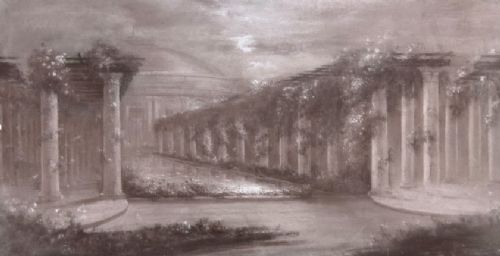
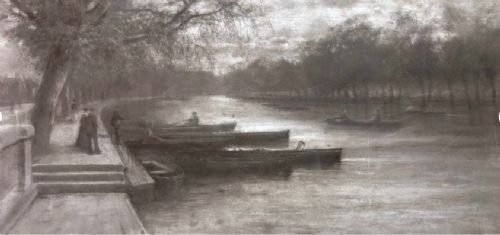
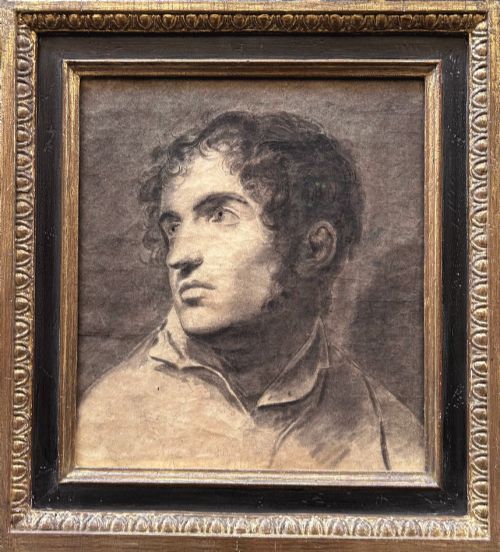
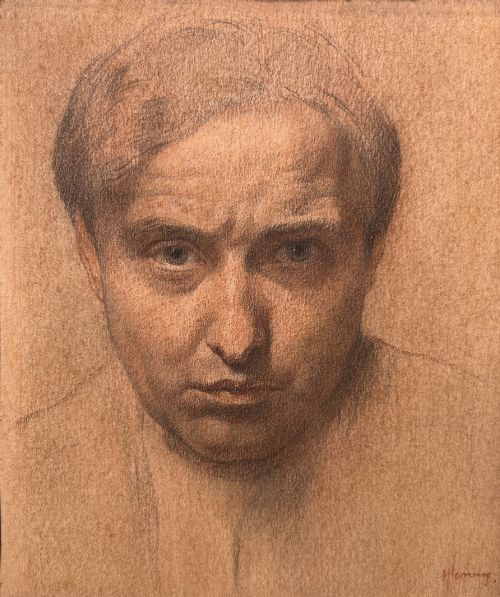
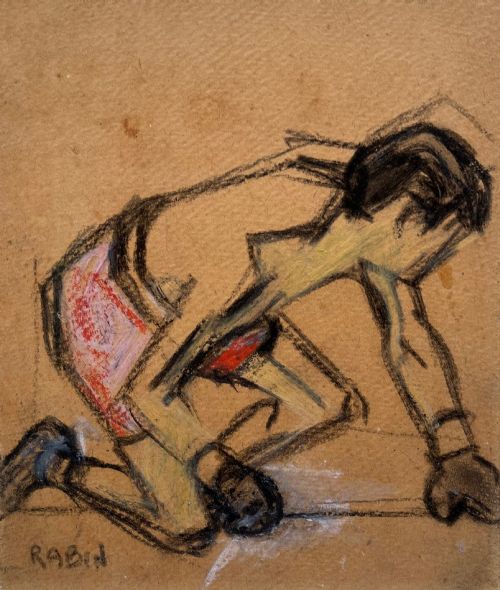
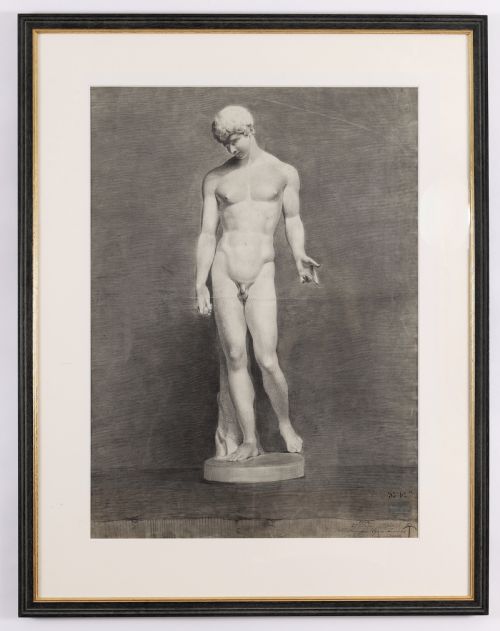
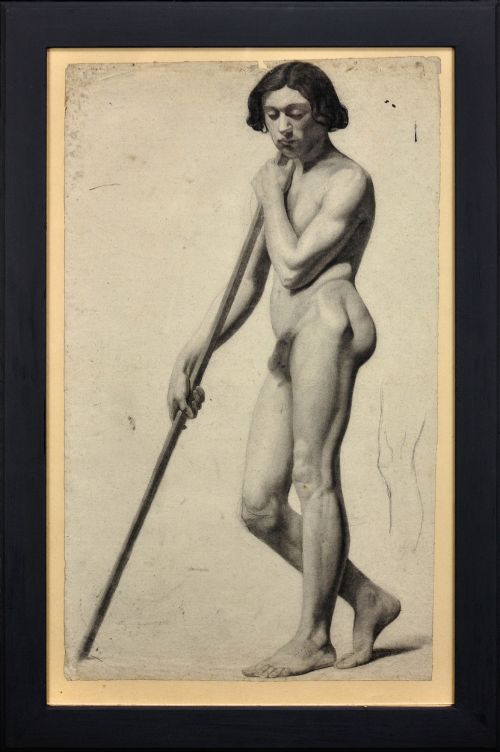
A charcoal sketch on paper brings together works executed across the eighteenth, nineteenth, and twentieth centuries, featuring academic life studies, portraits, and landscapes. Buyers frequently encounter French and English school drawings, alongside works reflecting specific regional movements and individual draughtsmen.
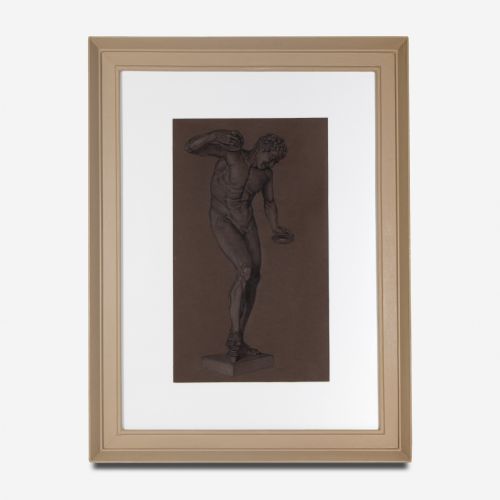
The selection ranges from detailed antique portraiture and classical academic life studies to early twentieth-century avant-garde compositions. These pieces typically arrive framed behind glass, preserved on toned or standard paper surfaces with supporting materials like wood frames.
How they were made
Artists utilise compressed or vine charcoal combined with chalk, graphite, and pastel on paper to build form, shadow, and highlights. Many sheets employ toned paper backgrounds to allow white chalk highlights to lift the subject directly from the page.
Support techniques vary from simple paper sheets pinned or pasted to canvas stretchers to fully framed works protected by glass within period wooden or carved Florentine frames.
Several grumpy elders and attentive pets have patiently held their poses on paper across multiple centuries.
What varies in quality
Quality rests upon the sureness of the draughtsmanship and the artist's ability to render light and anatomy convincingly within a monochrome medium. Stronger works display confident anatomical structure in life studies and acute psychological observation in portraits.
The preservation of the delicate medium significantly influences the character of each piece. Sheets maintaining crisp charcoal density without excessive smudging, housed in sympathetic period frames, represent the higher tier of surviving examples.
Samuel Rabin·Frank Dobson·Theobald Chartran·John Hoppner·John Macallan Swan
The Charcoal Sketch on Paper Glossary
- Academic Life Study
- A drawing executed from a live nude model, typically produced within a formal art academy setting to master human anatomy and proportion.
- Deux Crayon
- A drawing technique utilising two distinct crayons or chalks, commonly black and white, on tinted paper to build both shadow and luminous highlight.
- Toned Paper
- Paper manufactured or stained with a neutral mid-tone colour, providing an immediate middle value that assists the artist in balancing dark charcoal and white chalk.
- Charcoal
- A dry drawing medium made from slowly burned organic material, prized for its deep velvety blacks and capacity for broad blending or sharp linear marks.
- Provenance
- The documented history of ownership or exhibition pedigree associated with an artwork, confirming its origin and authenticity.
Charcoal Sketch on Paper: Frequently Asked Questions
How should I frame and protect a charcoal sketch on paper?
Display these works away from direct sunlight to prevent the paper from yellowing and the charcoal from fading over time. Ensure proper framing with a mat board that prevents the glass from touching the delicate surface of the drawing.
Acid-free backing materials help preserve the integrity of the paper support across decades. Maintaining stable indoor humidity prevents moisture damage to both the paper and the wooden frame.
How can I tell a nineteenth-century drawing from a twentieth-century one?
Nineteenth-century works frequently lean towards academic realism, classical antiquity subjects, and heavily rendered life studies. The draughtsmanship prioritises rigorous anatomical accuracy and tonal graduation.
Twentieth-century examples often introduce modernist sensibilities, avant-garde framing, or looser gestural marks reflecting contemporary movements. The materials and paper types also shift subtly to reflect industrial manufacturing changes of later decades.
What is the difference between charcoal and graphite in these drawings?
Charcoal yields a deep, matte, light-absorbing black with a soft texture that allows for expressive smudging and broad tonal blocks. It creates strong contrasts against paper.
Graphite produces a shinier, more metallic grey line with sharper precision and less propensity for dusting off the sheet. Many period pieces combine both mediums to achieve varied surface textures.
Why are many antique charcoal drawings mounted on toned paper?
Toned paper provides a neutral mid-value background that eliminates the stark glare of pure white sheets. This allows artists to work simultaneously inward toward deep shadows and outward toward bright highlights.
Using white chalk on grey or brown paper creates immediate three-dimensional volume with minimal strokes. This technique remained popular throughout academic and avant-garde drawing traditions.