


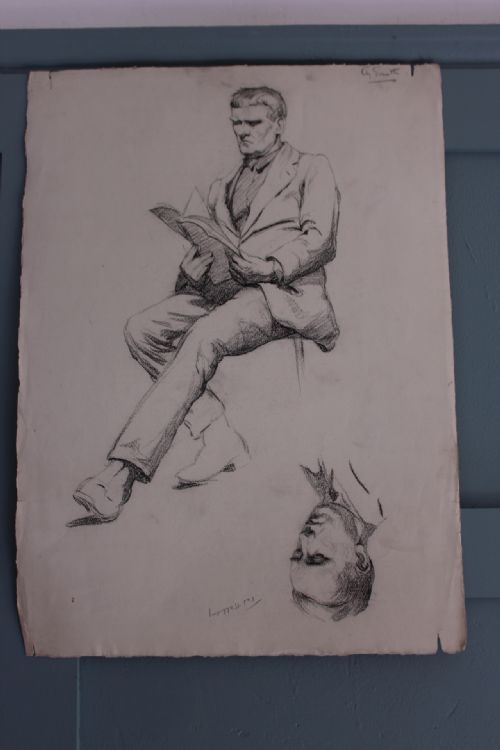


Original Pencil Portrait Art
Original pencil portrait art captures direct likenesses on paper through graphite and charcoal, offering intimate glimpses into past lives.
Original Pencil Portrait Art
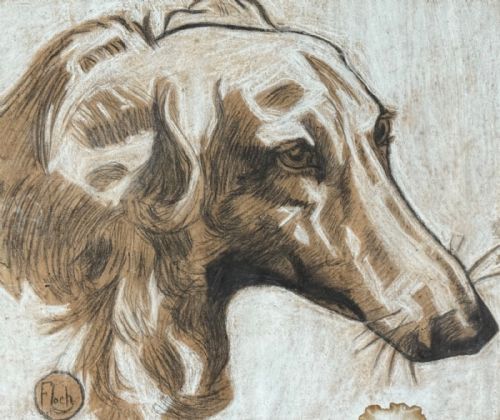
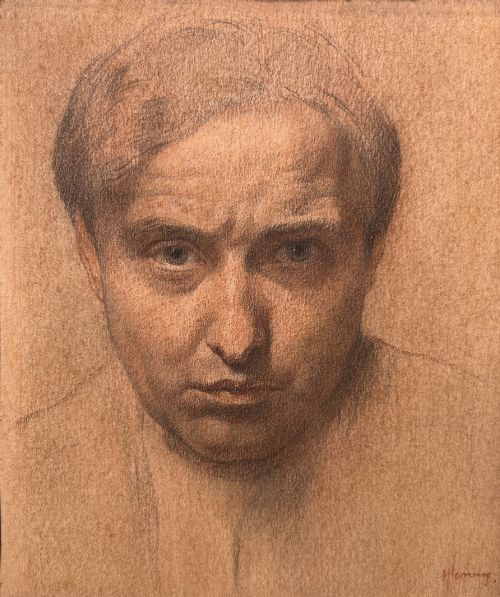
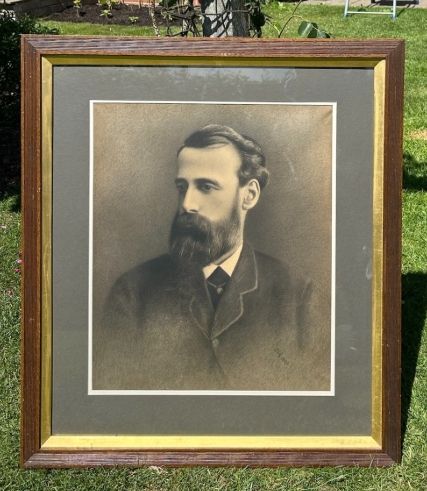
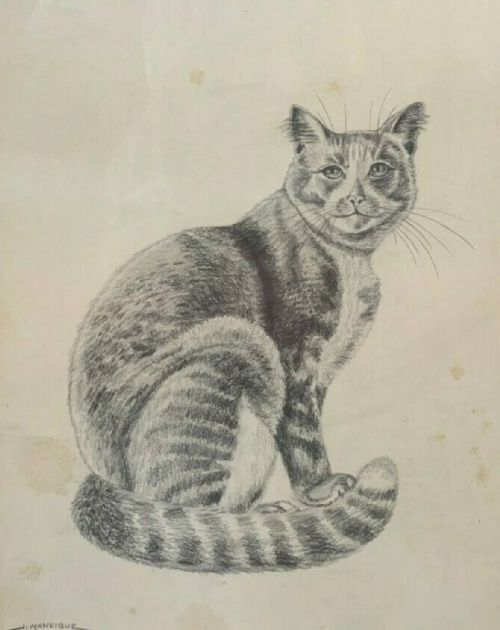
Original pencil portrait art encompasses framed drawings and works on paper executed across the nineteenth and twentieth centuries. When searching this phrase, collectors encounter academic studies, informal studio sketches, and finished portraits depicting sitters ranging from Victorian gentlemen to mid-century personalities.
The selections span distinct cultural movements including Victorian realism, Art Deco, and Modern British styles. Works appear on various paper supports, frequently mounted behind glass in period wood frames that preserve the fragile mediums.
Materials and techniques
Artists utilise graphite, charcoal, and chalk directly on paper supports to build tone and line. Many examples incorporate watercolour or gouache washes alongside the pencil work to add depth and colour to the composition.
Framing typically involves glass protection set within wooden mouldings, safeguarding the delicate works on paper from atmospheric moisture and handling damage.
The listings span from the eighteenth century through the 1960s, featuring graphite, charcoal, and watercolour on paper.
Factors of quality
Quality rests upon the sureness of the draftsmanship and the psychological depth captured in the sitter's expression. Stronger pieces demonstrate confident line work and anatomical precision rather than rigid copying.
The condition of the paper and the integrity of the original framing further differentiate the works. Well-preserved sheets free from heavy foxing or acid burns command greater attention from discerning collectors.
Augustus John·J D Fergusson·Raoul Millais·Dame Laura Knight·Faeq Hassan
The Original Pencil Portrait Art Glossary
- Graphite
- A form of carbon used in pencils that produces grey or black marks on paper. It allows for subtle shading and fine linear detail in portraiture.
- Charcoal
- A dry drawing material made from burnt organic matter that produces deep blacks and soft, smudgable lines. It is frequently employed for expressive life studies.
- Gouache
- An opaque water-based paint often combined with pencil work to highlight details or add solid colour areas. It provides a matte finish distinct from transparent watercolour.
- Foxing
- Brown age spots that appear on old paper due to chemical reactions in the pulp or damp storage conditions. It is a common occurrence in antique works on paper.
- Works on paper
- A broad category encompassing drawings, watercolours, and prints executed on cellulose sheets. These items require protection behind glass to prevent deterioration.
Original Pencil Portrait Art: Frequently Asked Questions
How should I hang original pencil portrait art?
Keep works away from direct sunlight to prevent the graphite and paper from fading over time. Stable indoor humidity protects the paper support and the wooden frame.
Ensure pieces hang securely on interior walls using proper fixings suitable for the weight of the glass and frame.
How do I identify the period of a drawing?
Examine the style of clothing, hair, and framing materials, which often reflect the prevailing fashions of the execution date. Signatures, inscriptions, and labels on the reverse provide further chronological clues.
Compare the paper type and mounting techniques with known examples from specific movements like Art Deco or the Victorian era.
What is the difference between graphite and charcoal?
Graphite offers a metallic sheen and allows for precise, controlled lines suitable for detailed likenesses. Charcoal produces velvety, matte blacks and enables rapid, expressive shading.
Artists often combined both mediums with chalk to achieve varied textures within a single portrait.
Are these works always unique?
Yes, these listings feature original drawings and studies rather than printed reproductions. Each sheet records the direct hand of the artist at work.
Even preparatory sketches offer singular insights into the creative process of the period.