




Vintage Graphite Artwork
Vintage graphite artwork brings character and hand-drawn intimacy to a room through original pencil, charcoal, and chalk studies.
Vintage Graphite Artwork
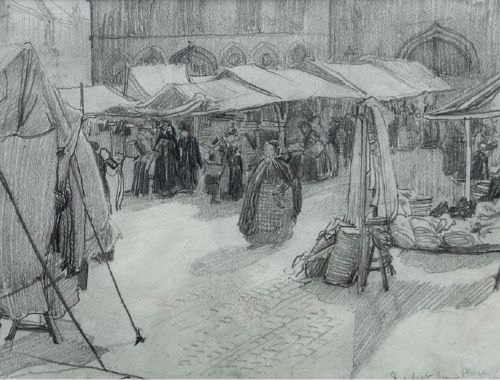
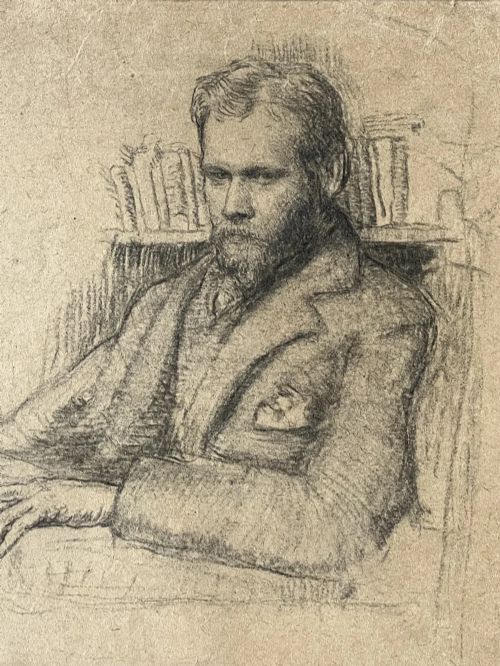
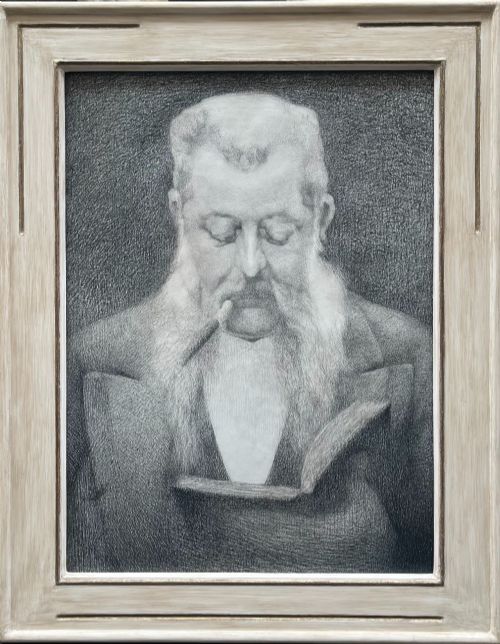
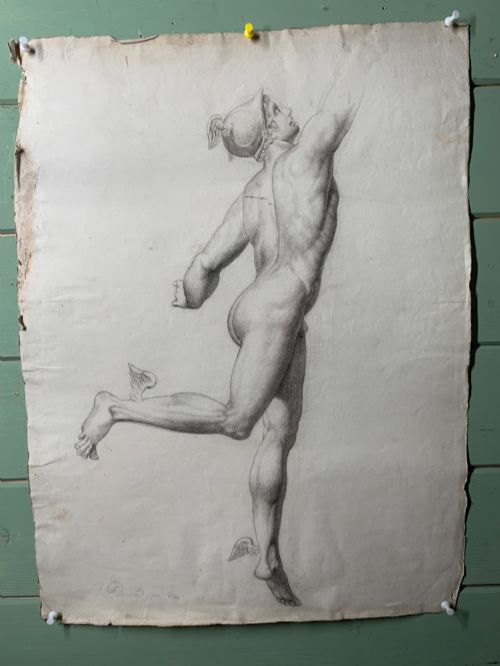
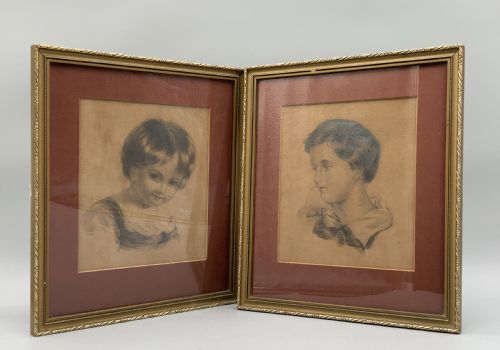
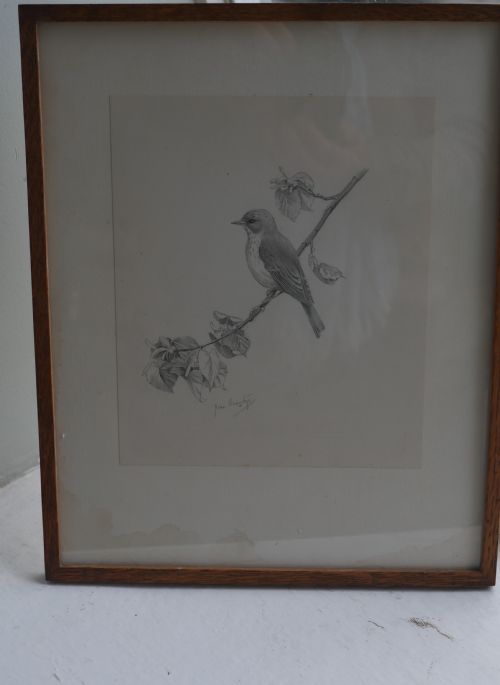
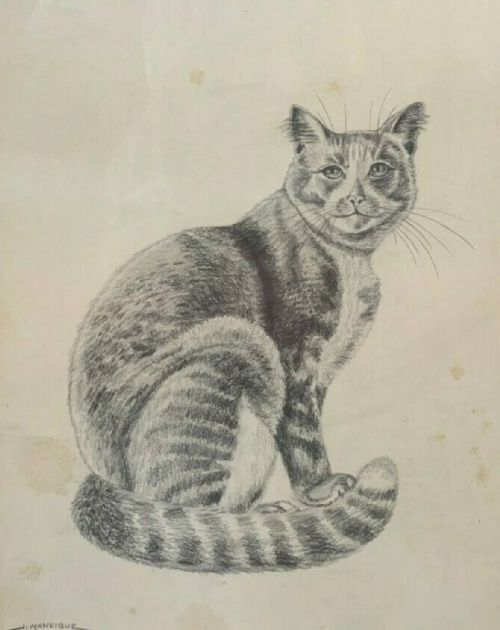
Vintage graphite artwork encompasses original pencil drawings, sketches, and studies spanning from the Georgian and Regency periods through to the mid-twentieth century. Buyers seeking vintage graphite artwork encounter diverse subjects including portraiture, natural history illustration, architectural rigging, and landscape studies.
The selections available range from academic figure studies and symbolist portraits to mid-century realism and surrealist compositions. Most pieces appear framed, utilising glass, wood, and gilded frames that complement the monochrome tones of the paper beneath.
What varies in quality
Quality rests in the sureness of the draughtsmanship and the expressive capability of the line. Confident, economical strokes demonstrate a master's hand, distinguishing finished portraiture or preparatory studies from casual marginalia.
The preservation of the paper sheet and the clarity of the medium dictate overall appeal. Strong contrast, minimal foxing, and sympathetic period framing elevate the visual impact of the drawing.
A cheeky dog caught stealing food in the kitchen shares space with silent circuses, flying storks, and silent film stars.
Augustus John·Fred Lawson·Juliet Pannett·Mariette Lydis
The Vintage Graphite Artwork Glossary
- Graphite
- A form of crystalline carbon used as a drawing medium in pencils. It produces grey or black marks that can be easily smudged or erased.
- Charcoal
- A lightweight carbonaceous material made from burnt wood, utilised for dark, expressive lines and deep shadows on paper. It often appears in mid-century sketches.
- Academic drawing
- A meticulous study of the human figure or classical subjects, typically produced within a formal art training institution. These works emphasise proportion and anatomical accuracy.
- Symbolist
- A late nineteenth-century art movement focusing on spiritual, metaphorical, and mythological themes rather than strict realism. Symbolist portraits convey internal psychological states.
- Natural history illustration
- Scientific or observational depictions of flora and fauna. These drawings combine artistic skill with precise biological detail.
Vintage Graphite Artwork: Frequently Asked Questions
How should I frame vintage paper drawings?
Vintage graphite works on paper require conservation-grade mounting to prevent direct contact with the glass. Use acid-free materials and UV-protective glazing to safeguard the delicate graphite and paper against light degradation.
Position the artwork away from direct sunlight and damp environments. Stable indoor humidity protects both the paper substrate and the antique wooden or gilded frames.
Are these drawings signed by the artists?
Many of the graphite works feature artist signatures, initials, or period inscriptions denoting the subject and date. Signed sheets often link directly to known figures from early twentieth-century and mid-century art circles.
Unsigned drawings frequently emerge from academic contexts or anonymous collections. Attribution then relies upon style, period materials, and contextual similarities to known schools of draughtsmanship.
What subjects are common in these drawings?
Portraiture dominates the selection, ranging from formal Georgian academic studies to intimate mid-century sketches. Artists frequently captured figures in quiet contemplation, portrait sitters, or domestic animals.
Architectural rigging, marine subjects, and landscape studies also feature prominently. Surrealist compositions and theatrical scenes provide alternative focal points within the broader collection.
How do I identify the period of a drawing?
Dating relies on stylistic indicators, costume details, and paper characteristics. Georgian and Regency pieces often display neoclassical sensibilities, whilst Edwardian and mid-century works reflect evolving modern British and European art movements.
Inscriptions, framing styles, and artist lifespans offer additional chronological anchors. Comparing the handling of line and subject matter clarifies the likely era of execution.