




Edwardian Pencil Portrait
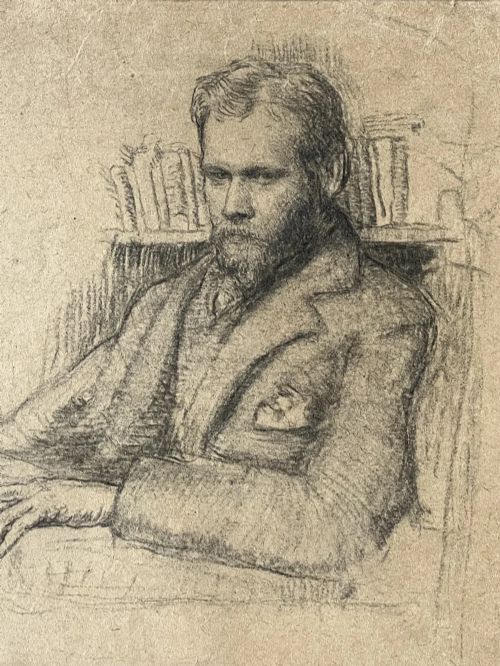
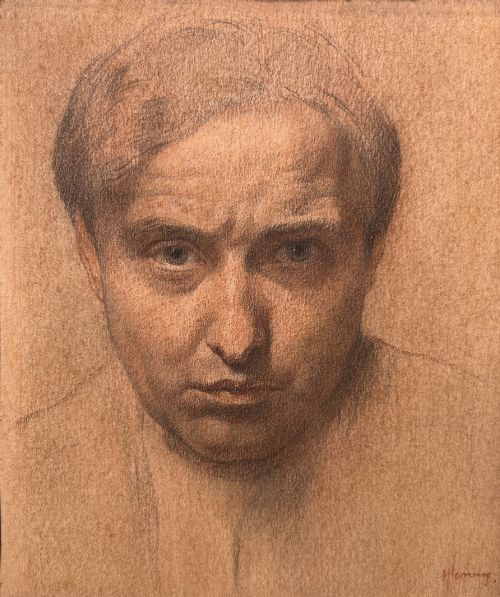
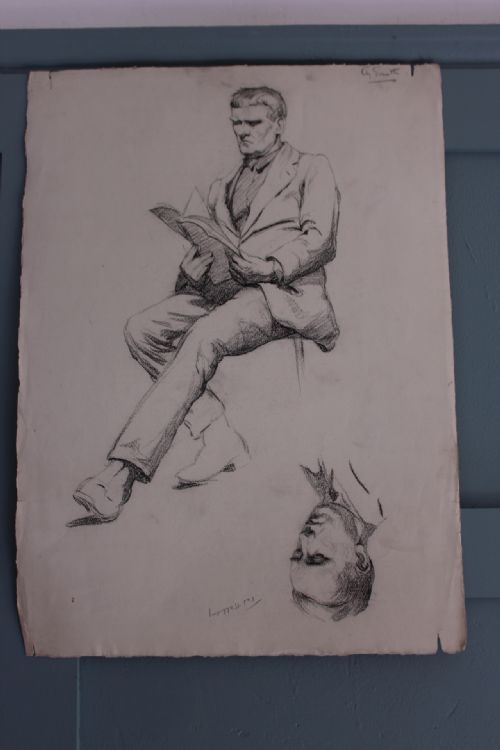
An edwardian pencil portrait captures a likeness in graphite on paper, offering an intimate glimpse into early twentieth-century character and draughtsmanship.
Edwardian Pencil Portrait
An edwardian pencil portrait brings together original works on paper from the turn of the twentieth century and adjacent decades, capturing sitters with directness. You encounter finished drawings alongside quick studies, often framed for immediate display on a wall.
The selections span academic realism and early modernist approaches, featuring named sitters from explorers to actresses alongside anonymous subjects. Many works combine graphite with charcoal, chalk, or watercolour washes to add tone and depth to the sheet.
Drawn from the late nineteenth century through to the mid-twentieth century, these pieces reflect the shifting artistic priorities of the period. The version you meet most frequently on this page is a framed original drawing on paper from the Edwardian era.
What varies in quality
The strength of the draughtsmanship dictates the success of each sheet, separating confident line work from hesitant execution. An artist's ability to capture the likeness and personality of a sitter defines the artistic merit of the piece.
Condition plays a part in the evaluation, particularly the stability of the paper and the absence of heavy foxing or fading. The quality of the framing and the provenance associated with the artwork further distinguish individual pieces.
The selection includes academic realism alongside British modernism, capturing sitters ranging from explorers to artists.
Augustus John·Herbert Johnson Harvey·J D Fergusson·Raoul Millais·Charles Prosper Sainton·Reginald G. Eves·Ernest Borough Johnson·Leo Klin·Francis Dodd·Cecil CP Lawson
The Edwardian Pencil Portrait Glossary
- Graphite
- A form of carbon used in pencils to create marks ranging from hard grey lines to deep black strokes. It forms the primary medium for linear definition in these portraits.
- Charcoal
- A dry drawing material made from burnt wood, yielding rich, dark marks and velvety shadows. Artists used it alongside pencil to build depth.
- Watercolour wash
- A transparent layer of diluted pigment applied over or under the pencil lines to tint the paper. It introduces subtle colour variations to monochrome drawings.
- Academic realism
- An artistic style grounded in the rigorous methods of European academies, prioritising lifelike representation and anatomical precision. Works in this mode display careful observation of the sitter.
- Provenance
- The documented history of ownership and exhibition of an artwork, often verified through labels on the reverse of the frame. It establishes the authenticity and journey of the piece.
Edwardian Pencil Portrait: Frequently Asked Questions
How do I care for a pencil drawing?
Keep works on paper away from direct sunlight to prevent the graphite and paper from fading over time. Maintaining stable indoor humidity protects both the sheet and its wooden frame.
Ensure the glass is properly sealed to prevent dust and moisture from reaching the drawing surface.
Are these drawings original works?
Yes, the listings comprise original hand-drawn artwork created directly by the artist rather than modern mechanical reproductions. Each sheet holds unique marks, erasures, and handling evidence unique to its creation.
Signatures or inscriptions by the artist often accompany the primary portrait study.
How do I identify an Edwardian drawing?
Stylistic markers, framing materials, and artist dates often point toward the Edwardian period spanning the early twentieth century. Subject matter frequently reflects the clothing, hairstyles, and social portraiture conventions of that decade.
Exhibition labels or framing remnants on the reverse can provide additional chronological clues.
Can I hang these portraits in a living room?
These framed works suit domestic spaces provided they hang away from direct heat sources and strong sunlit walls. Proper framing with conservation glass helps shield the paper from environmental degradation.
Their intimate scale allows them to fit comfortably in studies, hallways, or reception rooms.