





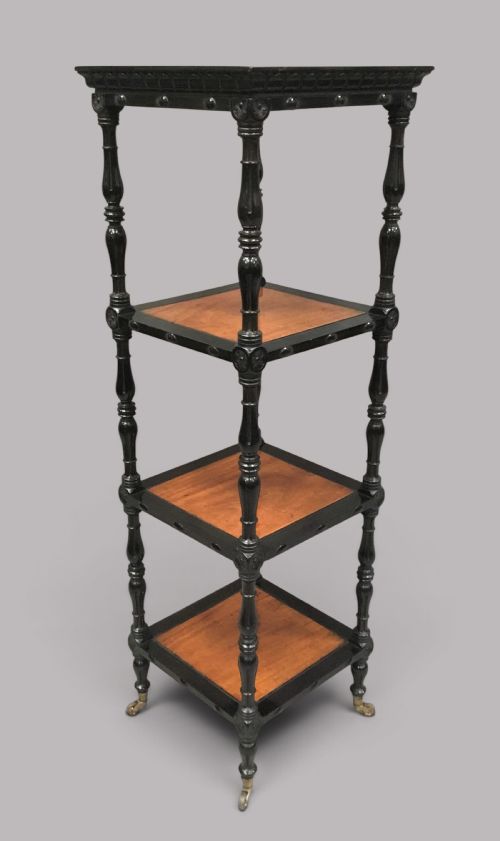
Ceylonese Colonial Furniture
These ceylonese colonial furniture pieces bring dense tropical hardwoods and intricate island carving directly into British drawing rooms.
Ceylonese Colonial Furniture
Buyers seeking ceylonese colonial furniture encounter substantial seating, centre tables and storage pieces originating from the nineteenth century. These forms combine British domestic layouts with regional cabinet-making traditions developed during the colonial era.
Veranda seating and solid wood chests sit alongside formal centre tables, reflecting the diverse domestic requirements of nineteenth-century planters and administrators. Most survivors date from the Victorian period or the broader nineteenth century.
How these pieces were made
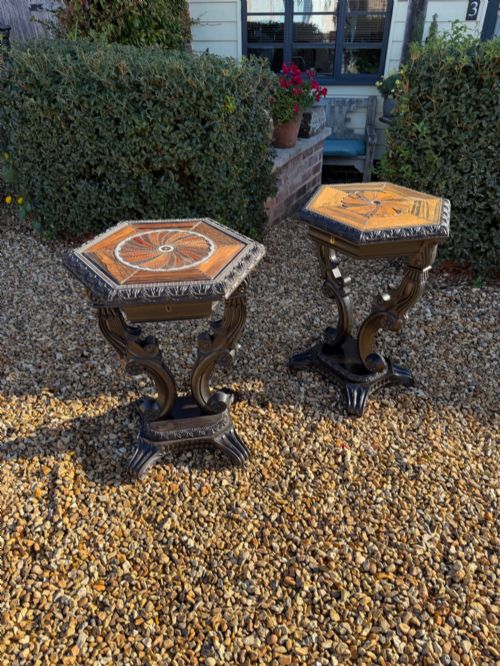
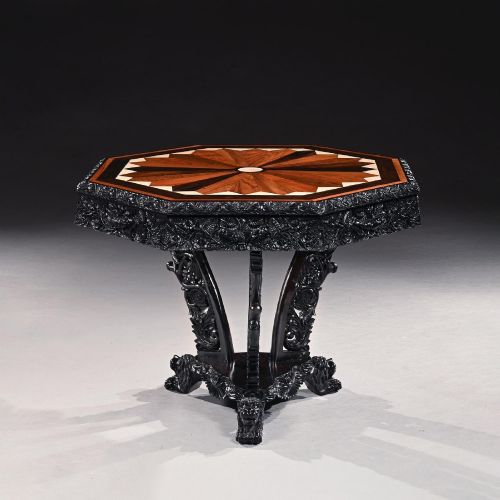
Workshops utilised dense tropical hardwoods, primarily ebony and satinwood, often complemented by secondary timbers like teak. Specimen wood tops incorporate multiple contrasting timbers arranged in geometric or mosaic patterns.
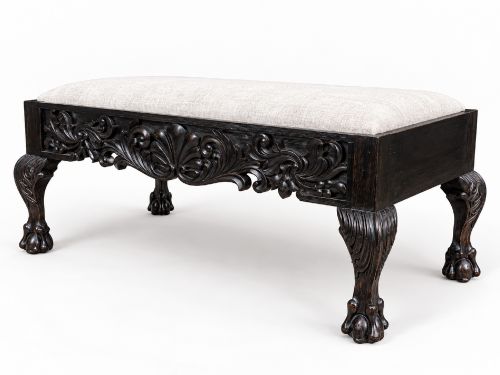
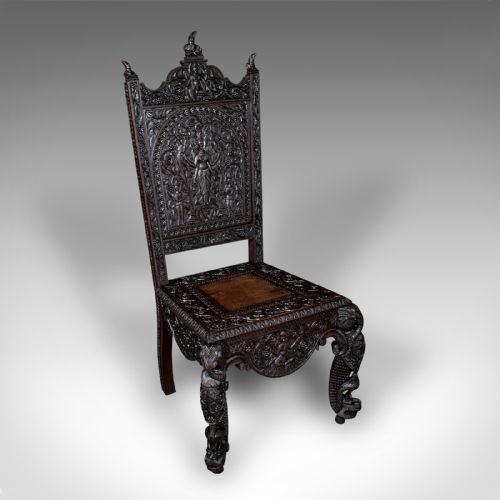
Carvers deployed deep relief work using traditional hand tools, rendering intricate floral and foliage motifs across chair frames and table edges. Bone inlay and brass fittings appear selectively to accent structural joints and panel borders.
Seating frames frequently integrate woven cane panels for climate comfort, alongside traditional upholstery options. Joinery had to withstand extreme humidity, resulting in robust frame construction that survives intact today.
Ceylonese Colonial Furniture Retail Price Guide 2026
Typical asking prices for ceylonese colonial furniture among the pieces listed under this phrase on Sellingantiques today, from the lower quarter to the upper quarter. They describe what is for sale here now, not the wider market.
Victorian production includes veranda furniture alongside formal centre tables and multi-wood specimen games tables.
What varies in quality
The calibre of a piece rests primarily on the crispness and depth of the carved relief work across the timber. Sharp, well-defined foliage demonstrates superior workshop execution compared to softer, shallower incisions.
Selection and pairing of exotic timbers also define the tier of an object, particularly in multi-wood specimen tables and contrasting satinwood and ebony chests. Cohesive grain alignment and stable timber matching separate standard utilitarian output from ambitious commission pieces.
The Ceylonese Colonial Furniture Glossary
- Specimen wood
- Timber furniture incorporating numerous distinct wood species arranged to display contrasting natural colours and grain patterns. These geometric mosaics often form table tops.
- Etagere
- An open tiered shelving unit used for displaying ornaments and small objects. These lightweight pieces often feature turned supports.
- Tripod table
- A small freestanding table supported by a central pillar resting on three spreading feet. This form allows stable placement on uneven flooring.
- Veranda chair
- Low seating designed for tropical outdoor living, typically featuring an extended seat and raked back for reclining. Teak construction is common for these forms.
- Cane
- Woven material derived from rattan palm stems, utilised for breathable chair seats and back panels. This technique suits warm climates.
Ceylonese Colonial Furniture: Frequently Asked Questions
What woods are used?
Makers relied on dense native hardwoods, principally ebony and satinwood, alongside teak for utility forms. Specimen tables combine these timbers with various exotic woods.
Secondary woods and bone inlay also appear across specific functional components and decorative borders.
Where were they made?
Production centred in nineteenth-century Ceylon, with certain regional attribution pointed toward the Galle district. European forms were reinterpreted by local craftsmen.
These workshops supplied both expatriate administrators and export markets back to Britain.
How do I place them?
These dense tropical timbers suit contrasting neutral interiors where their dark ebony or golden satinwood tones stand clear. Centre tables and occasional pieces function well as singular statement items.
Chairs and chests integrate easily into traditional or contemporary spaces requiring grounded, tactile furniture.
How to date them?
Dating relies on stylistic markers from the nineteenth century, spanning Regency influences through to Victorian interpretations around eighteen eighty. Construction methods and timber selection align with this broader colonial period.
Written records or regional attributions occasionally narrow the production window further.