



Ceramic Vegetable Tureen
When you search for ceramic vegetable tureen, you uncover covered serving vessels designed for the dining table in periods spanning the eighteenth and nineteenth centuries.

Ceramic Vegetable Tureen
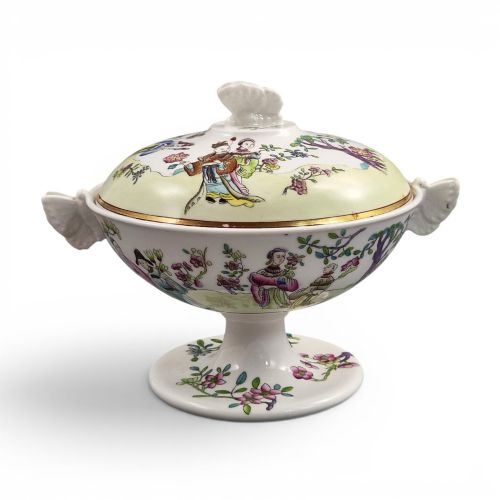
A ceramic vegetable tureen is a covered vessel used historically for serving food at the dining table, often accompanied by a matching lid and occasionally a stand. When browsing this selection, you encounter pieces originating from Georgian, Regency, and Victorian periods alongside eighteenth-century Chinese export examples.
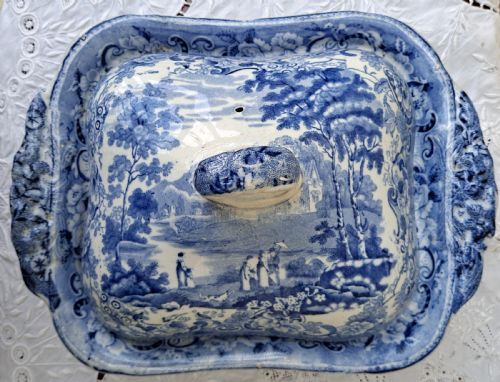
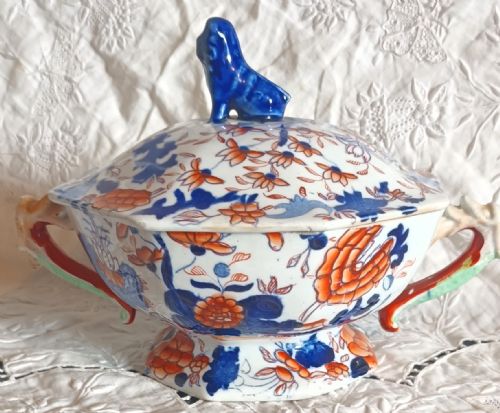
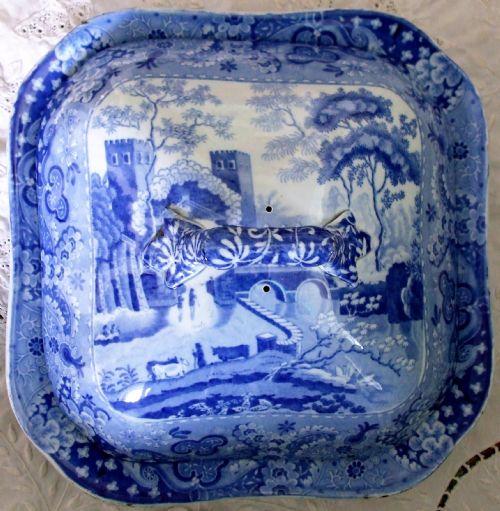
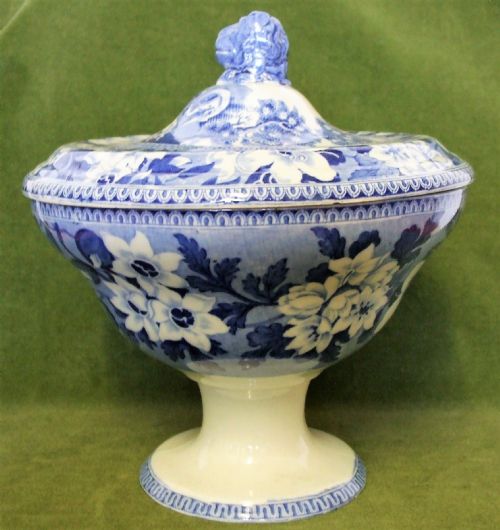
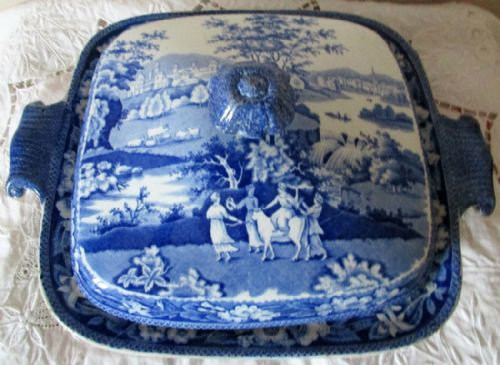
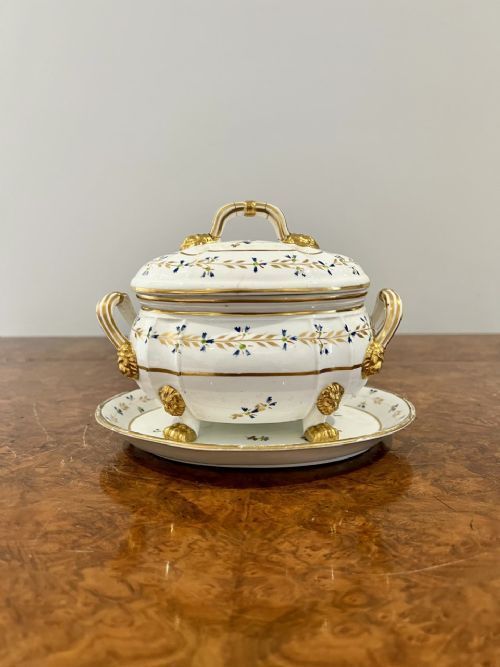
The most common versions on this page are earthenware and ironstone pieces decorated with blue and white transfer printing, or porcelain service pieces from English potteries. These vessels take various forms including round or oval covered bowls, sauce tureens with ladles, and large serving tureens featuring handles.
Materials and Techniques
Potters utilised materials such as earthenware, ironstone, and porcelain, shaping them into covered vessels and applying glazes to seal the ceramic body. Many examples display transfer printed decoration in blue and white, while others incorporate hand-painted enamels, gilt highlights, and gold leaf.
Factories employed specialised moulding techniques to create shaped handles, pedestals, and fitted covers. Ironstone pieces offered durability for everyday dining, whereas fine porcelain tureens received delicate painted patterns suited to formal table settings.
Blue and white transfer printing dominates the decorative styles, accompanied by polychrome enamel and gilt highlights.
Design and Execution
Quality rests in the crispness of the transfer print or the precision of the hand-painted enamel work applied to the ceramic body. Finer examples display well-defined moulded handles, balanced proportions, and careful application of gilt accents.
The distinction between standard utility wares and superior pieces lies in the complexity of the pattern, such as Chinoiserie motifs or intricate armorial designs, paired with the refinement of the porcelain or ironstone paste.
Spode·James Wallace And Co·Mason·J And R Clews·John Rogers And Son·John And Richard Riley·Coalport·Coalbrookdale·Crown Derby·Flight Barr And Barr·Müller Volkstedt·Doulton Burslem·Chamberlain Worcester·Ridgways·Copeland And Garrett·Turner
The Ceramic Vegetable Tureen Glossary
- Ironstone
- A dense, durable type of earthenware patented in the nineteenth century that resists chipping and mimics porcelain.
- Transfer printing
- A method of applying detailed decorative patterns to ceramics by engraving a copper plate and transferring the ink via tissue paper.
- Sauce tureen
- A miniature version of a serving bowl, specifically proportioned for holding gravies and sauces at the table.
- Chinoiserie
- A European artistic style reflecting Chinese aesthetic motifs, commonly seen on eighteenth and nineteenth-century ceramics.
- Pedestal bowl
- A vessel elevated on a raised foot or base, adding height and formal presence to the tableware.
Ceramic Vegetable Tureen: Frequently Asked Questions
What was a ceramic vegetable tureen used for?
These covered vessels held cooked vegetables, stews, or soups at the dining table, keeping the contents warm beneath a fitted lid.
Servants brought the tureen to the table as part of a larger service set, allowing hosts to ladle portions directly onto individual plates.
How do I identify a Georgian tureen?
Georgian examples frequently feature deep blue and white transfer printed scenery, classical shapes, and sturdy earthenware or ironstone bodies.
Look for specific pastoral or architectural pattern names recorded in the transfer print, alongside marks associated with early nineteenth-century Staffordshire potters.
Can I use antique tureens for serving food?
Many collectors prefer to display these pieces as decorative items or use them for dry presentation rather than everyday dining.
Historic glazes and ironstone bodies can be sensitive to modern dishwashers, thermal shock, and acidic foods after centuries of age.
What is the difference between porcelain and ironstone?
Porcelain is a vitrified, translucent ceramic fired at high temperatures to achieve a refined, delicate appearance suitable for formal dining.
Ironstone is an opaque, heavy earthenware developed to withstand heavier use while offering a similar visual presence to porcelain.