

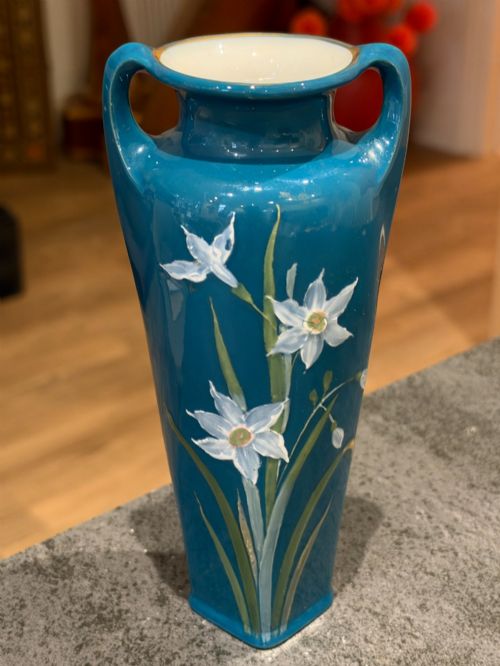
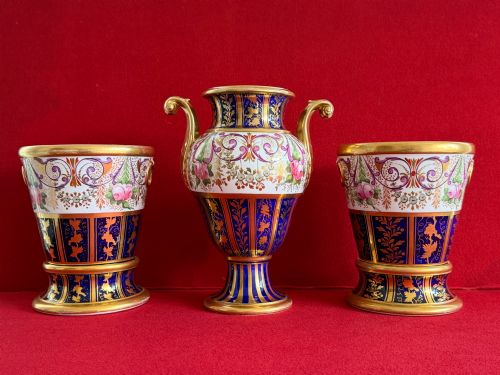
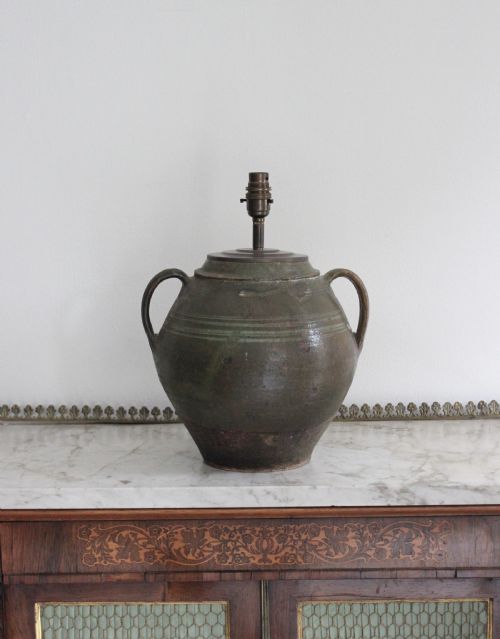
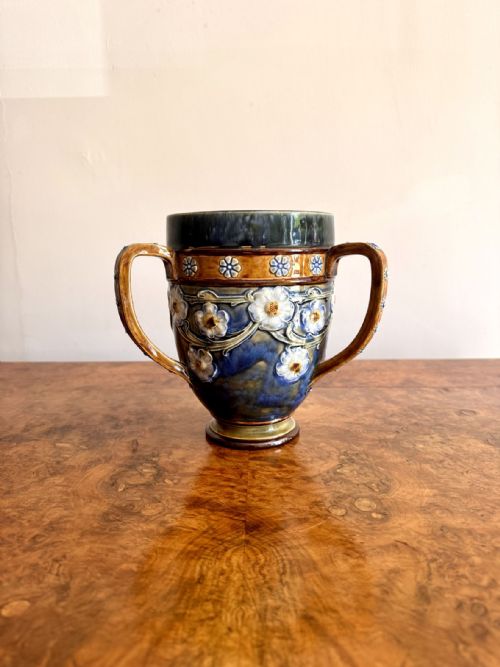

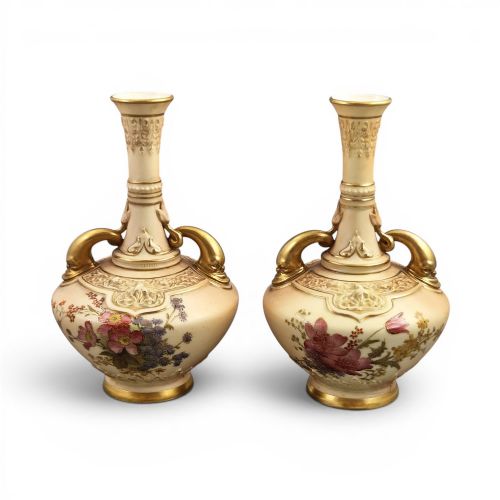
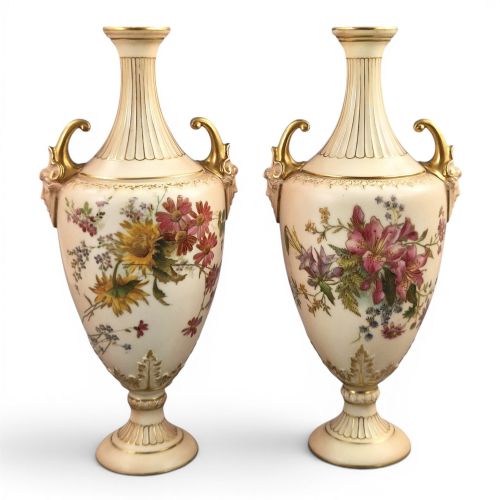
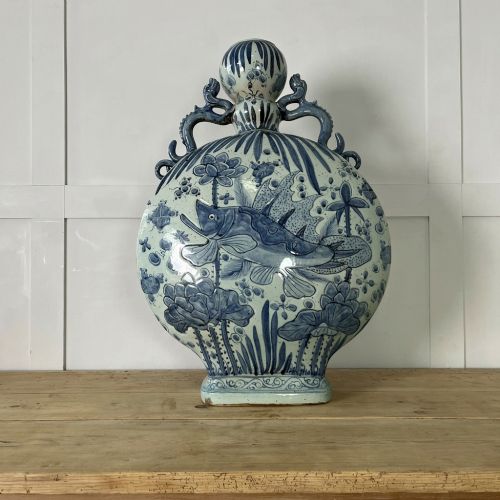
Ceramic Handled Vase
A ceramic handled vase brings sculptural form and painted detail to a room, drawing on centuries of global pottery traditions.
Ceramic Handled Vase
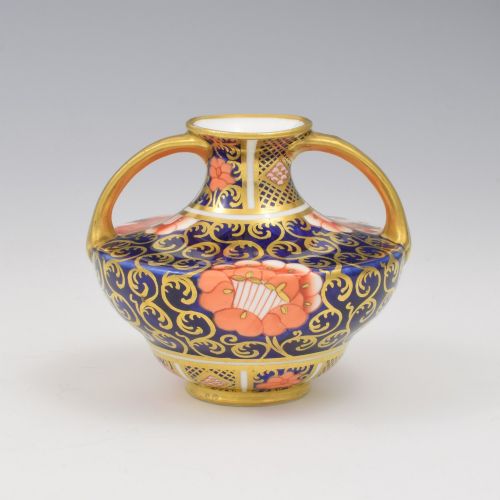
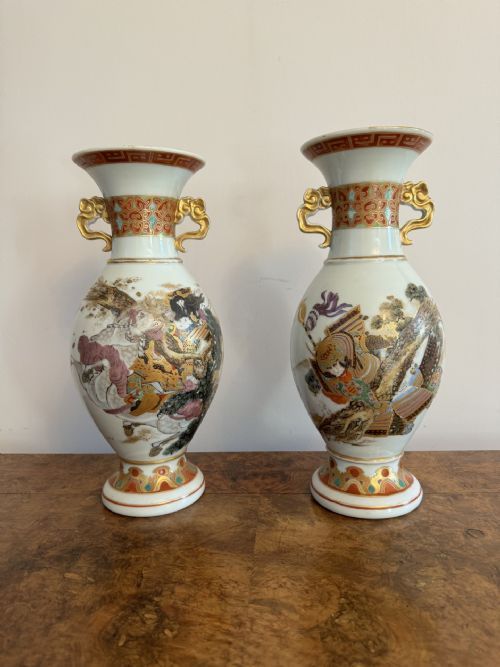
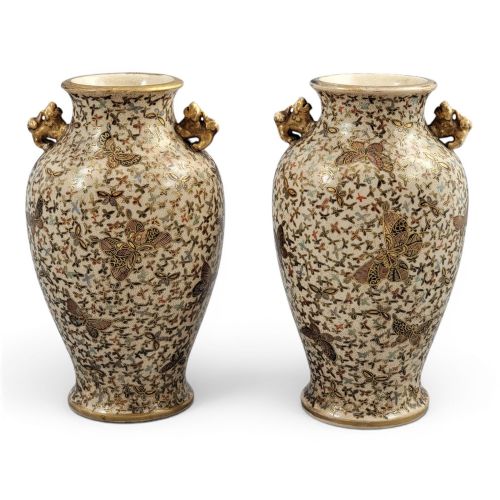
When you search for a ceramic handled vase, you encounter vessels designed for display, often featuring twin handles, loops, or figural mounts. These pieces span centuries of production, originating from European factories, British potteries, and Asian kilns.
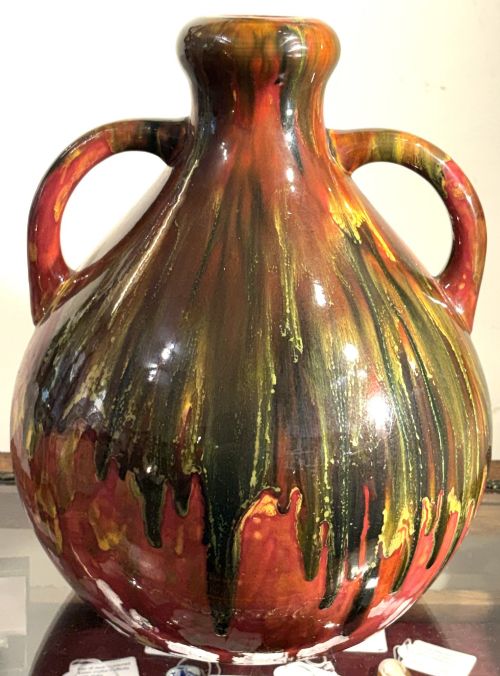
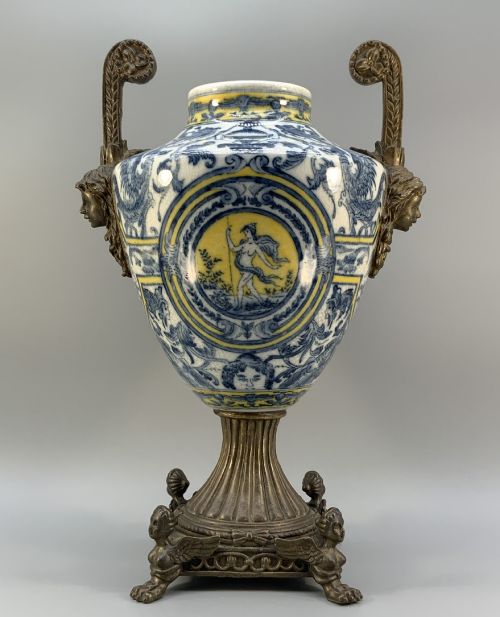
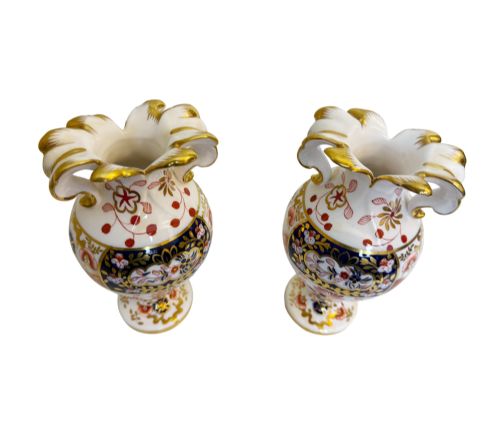
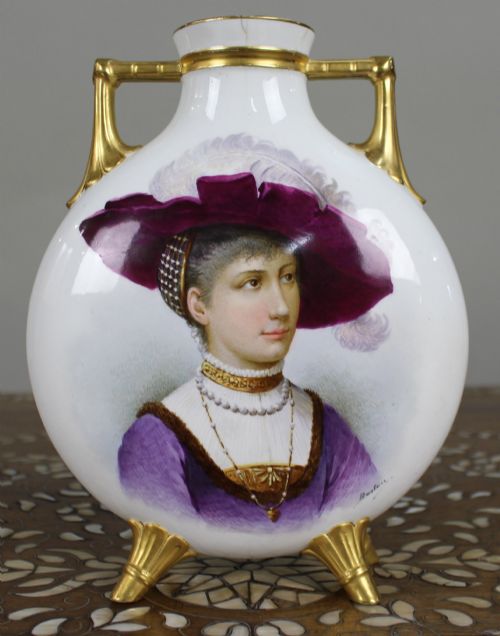
The selections on this page lean heavily toward nineteenth-century production, incorporating Victorian, Edwardian, and Regency examples alongside Meiji period Japanese ceramics. Forms range from classical moon flasks and ewers to garniture vases and studio pottery creations.
Makers and potteries utilised diverse earthen and porcelain bodies, applying hand-painted motifs, transfer printing, and rich gilding. Collectors select these vessels for their decorative presence and the varied techniques evident in their handles and glazes.
Materials and methods of manufacture
Potters shaped these vessels using porcelain, ironstone, earthenware, and fine clay bodies, sometimes incorporating bronze mounts or elaborate gilding. Hand-thrown or mould-cast forms were finished with detailed painted scenes, raised enamel, or specialised glazes.
Firing techniques determined the final appearance of the ceramic surface, allowing studios to apply delicate pte-sur-pte decoration or transfer-printed patterns before a protective glaze sealed the piece. Handles were often formed separately and attached prior to firing, utilising structural loops, animal forms, or classical scrolls.
Ceramic Handled Vase Retail Price Guide 2026
Typical asking prices for ceramic handled vase among the pieces listed under this phrase on Sellingantiques today, from the lower quarter to the upper quarter. They describe what is for sale here now, not the wider market.
Listings feature ceramics spanning the 17th, 18th, and 19th centuries, incorporating Victorian, Edwardian, and Regency periods alongside the Meiji period.
Evaluating craftsmanship and execution
Quality in these vessels rests upon the precision of the hand-painted decoration, the crispness of mould-cast details, and the balance of applied handles. Superior pieces display masterwork painting by known artists and careful integration of gilt or bronze elements.
The refinement of the ceramic body and the uniformity of the glaze distinguish standard production ware from exceptional studio or factory pieces. Artisans who paid careful attention to baseline symmetry and fired finishes produced vessels that retain distinct visual depth.
Gebrüder Heubach·Spode·Burmantofts·Royal Crown Derby·Chamberlain Worcester·Hicks and Meigh·Royal Worcester·H & R Daniel·Kinzan·Makuzu Kozan·Brannam·Derby Porcelain·Christopher Dresser·Sir Edmund Harry Elton·William Moorcroft·Ulisse Cantagalli·Samson Paris·Kinkozan
The Ceramic Handled Vase Glossary
- Earthenware
- Porous pottery fired at lower temperatures, requiring a glaze to hold liquids. It forms the base for many majolica and studio pieces.
- Porcelain
- A dense, vitrified ceramic made from kaolin, fired at high temperatures to produce a white, non-porous body. It allows for delicate forms and fine painted detail.
- Gilding
- The application of gold leaf or powdered gold to the surface of a ceramic. It highlights rims, handles, and painted motifs.
- Moon flask
- A flattened circular vessel with a short neck and loop handles, derived from ancient pilgrim flask forms. It provides a wide surface for painted scenes.
- Ewer
- A large jug with a wide spout and looped handle, originally intended for pouring water. In decorative ceramics, it serves a purely ornamental function.
Ceramic Handled Vase: Frequently Asked Questions
What is a ceramic handled vase used for?
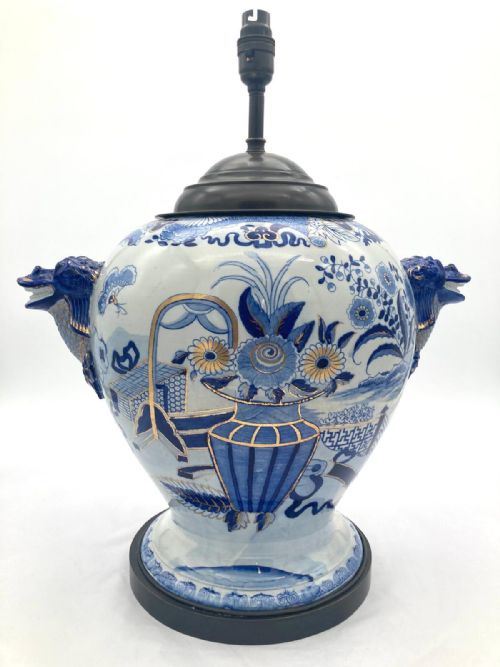
These vessels were created primarily for interior display, serving as mantelpiece ornaments, decorative garnitures, or focal points on side tables. Some examples were manufactured as table lamps or designed with specific floral arrangements in mind.
Over time, collectors have prized them for their sculptural silhouettes and painted artistry rather than utilitarian service. They bring historical decorative style directly into modern living spaces.
How do I identify the period of a vase?
Dating relies on factory marks stamped or painted on the base, stylistic indicators such as Art Nouveau curves or Regency classical forms, and the specific composition of the ceramic body. Examining the style of hand-painted motifs also clarifies the era of production.
Secondary clues include the type of gilding utilised and any recorded artist signatures. Comparing these elements with documented factory production timelines establishes the age of the piece.
How should I display a handled vase safely?
Placement requires a stable surface away from high-traffic zones where handles might be accidentally struck. Because handles represent structural stress points, lifting or moving the vessel should involve supporting the base rather than relying solely on the upper grips.
Environmental stability helps protect painted surfaces and delicate gilding from rapid temperature shifts or direct sunlight. Ensuring proper clearance around the handles preserves the protruding decorative elements.
What distinguishes studio pottery from factory pieces?
Factory pieces reflect large-scale nineteenth-century production with specialised roles for throwers, mould-makers, and painters working within established commercial firms. Studio pottery highlights the individual artistic vision of makers who oversaw the entire creation process.
Studio works often feature unique experimental glazes and individual signatures rather than standardised factory ciphers. This distinction shifts the focus from industrial precision to individual artisanal expression.