


Ceramic Cheese Bell
A ceramic cheese bell preserves a household's daily dairy with high style, combining a fitted cover and matching stand to keep cheese moist on the dining table.
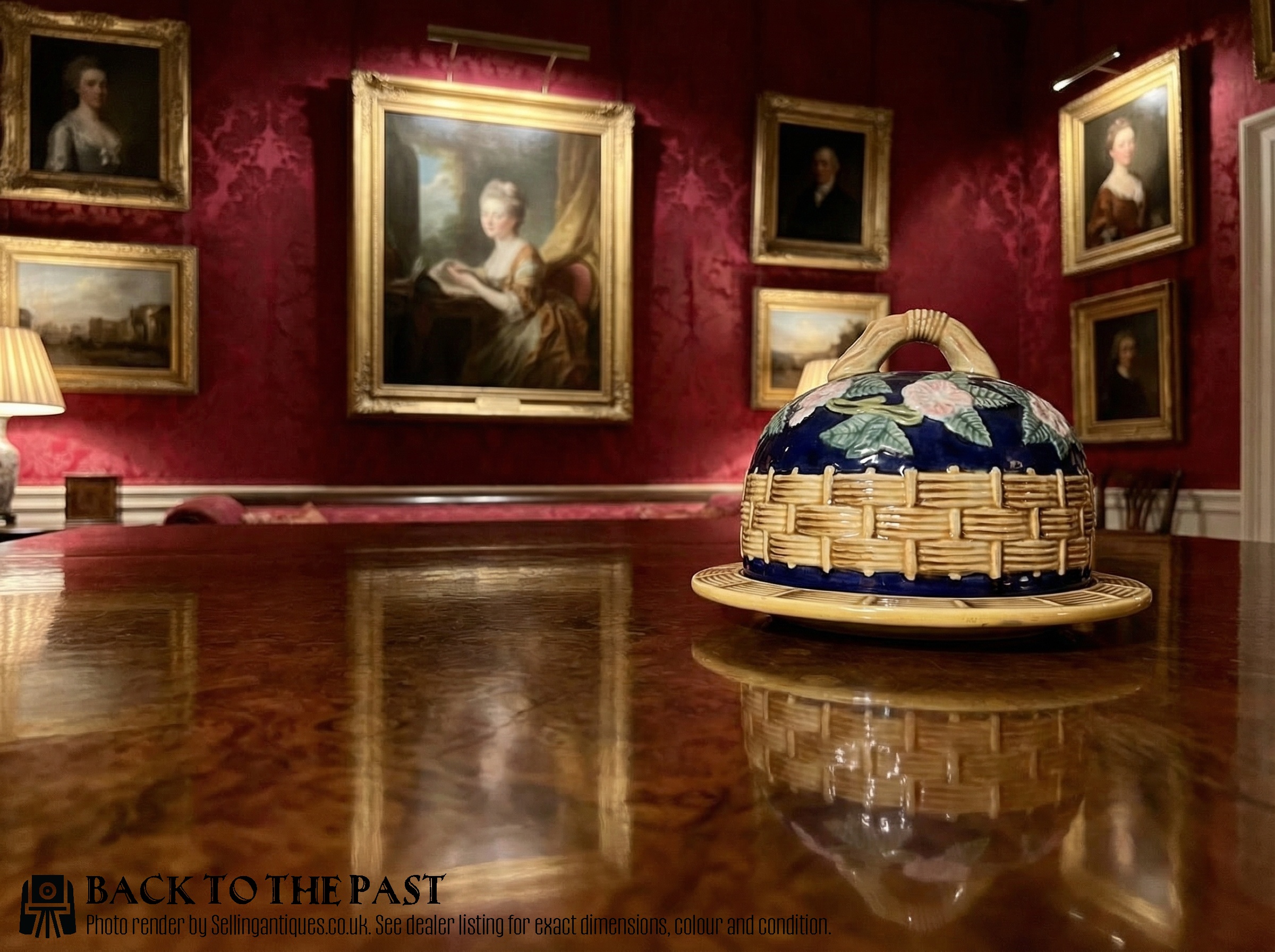
Ceramic Cheese Bell
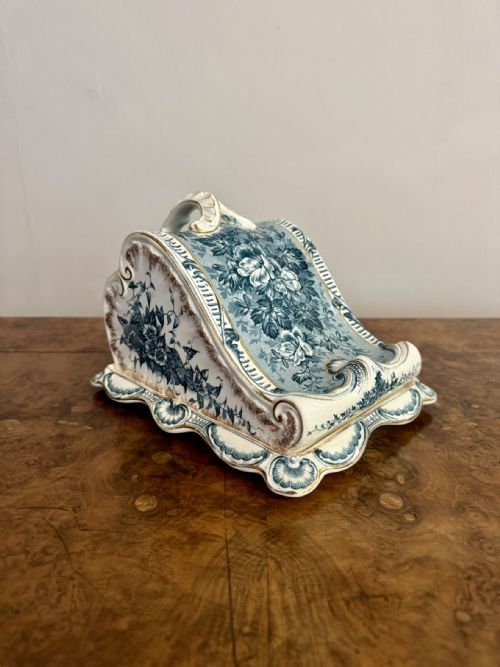
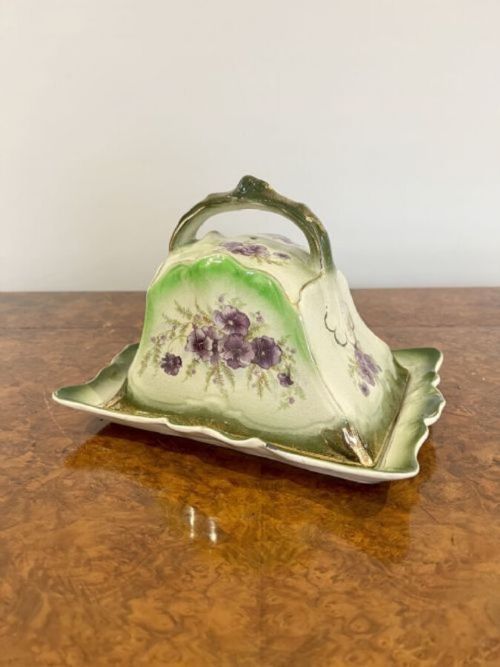
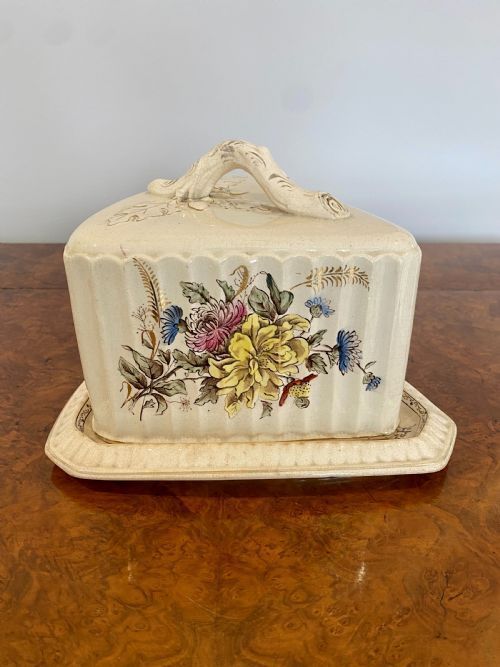
A ceramic cheese bell consists of a domed cover resting upon a flat plate or stand, designed specifically to contain large wedges of cheese during the nineteenth century. These domestic items appear most frequently from the Victorian period, dating from the middle decades through to the turn of the twentieth century.
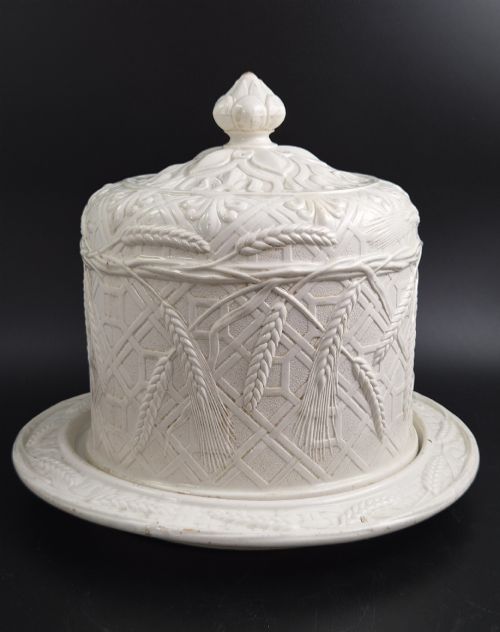
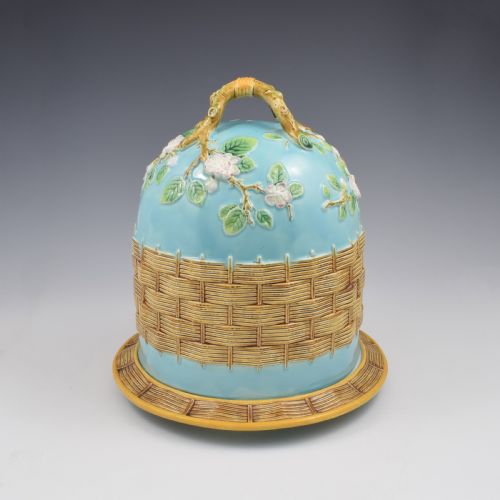
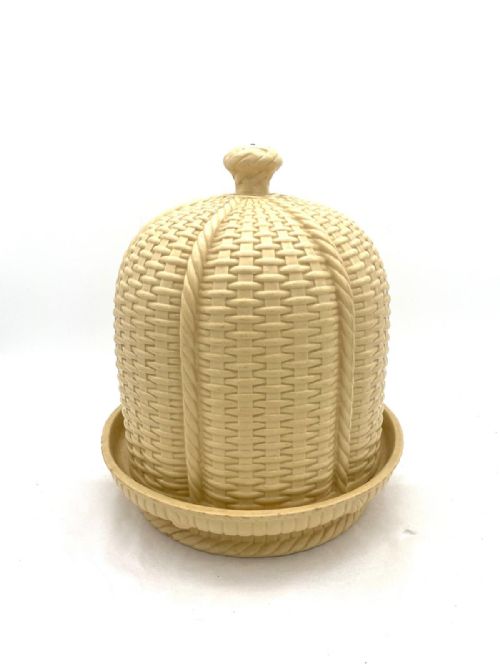
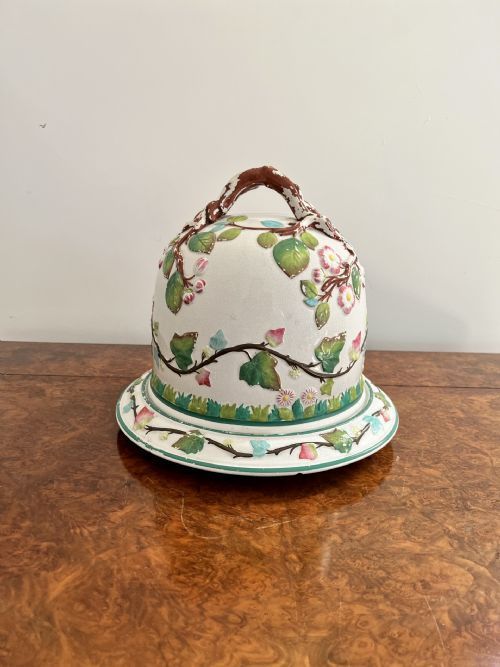
The forms span straightforward utilitarian vessels alongside ornate decorative creations that imitate natural textures such as woven baskets or ripening fruit. Most examples found here combine the heavy cover and the matching base as a paired set originating from English potteries.
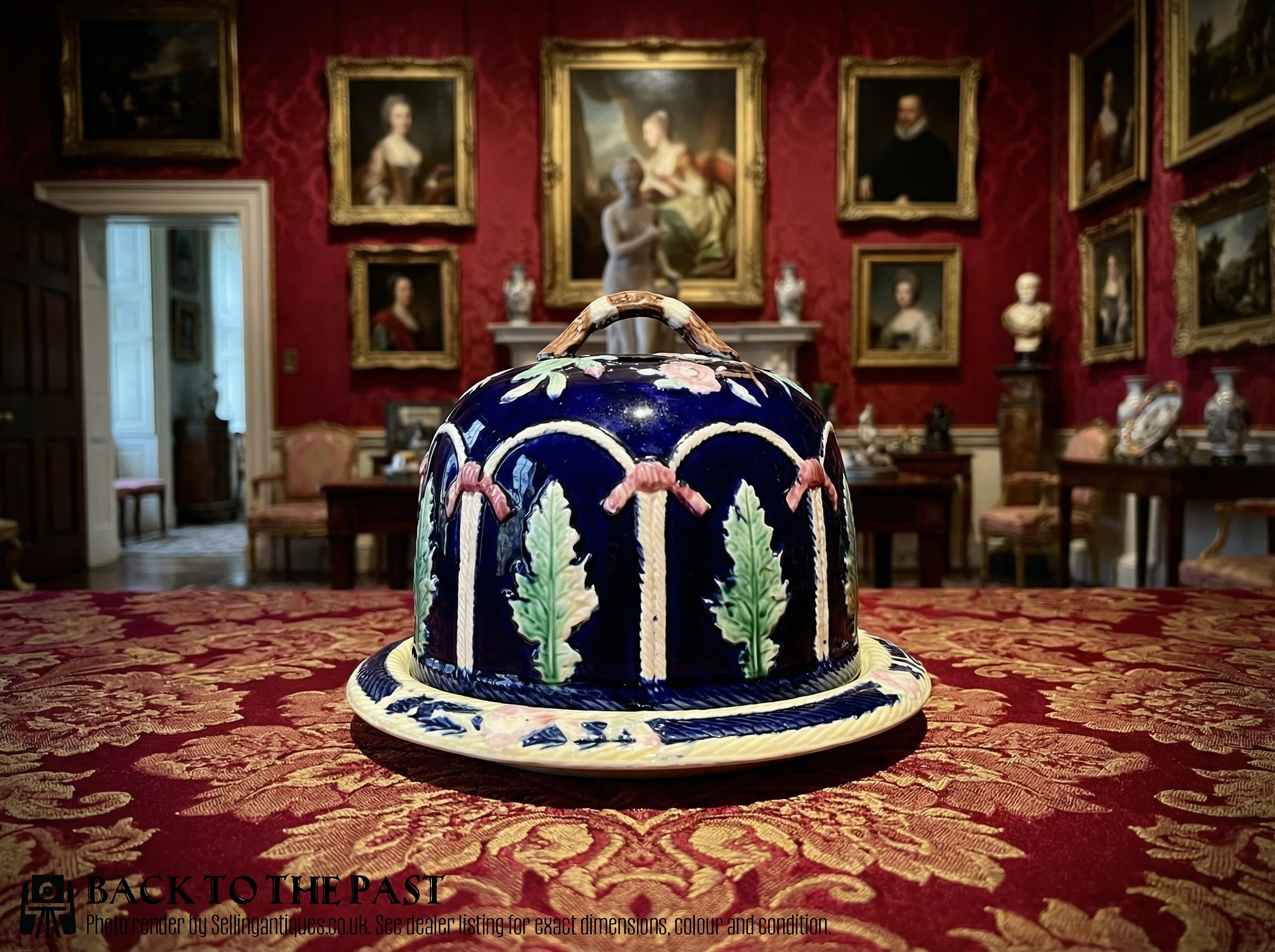
Materials and methods of production
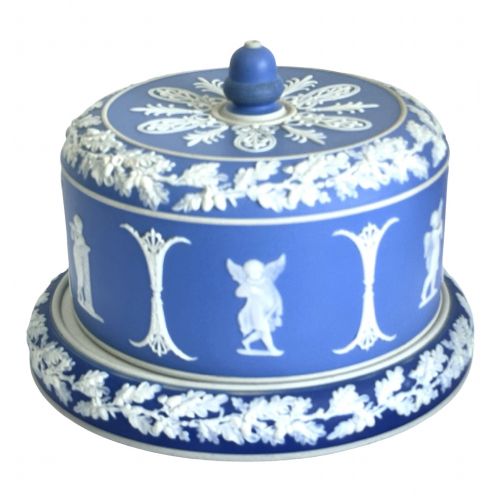
Potters constructed these heavy vessels using durable earthenware, dense ironstone, or robust stoneware, often applying an impervious glaze to contain dairy fats. Specialised bodies such as drabware and jasperware provided contrasting matte or tinted surfaces for moulded decorative motifs.
Makers utilised slip-casting or press-moulding techniques to shape the thick walls of the domes and the deep channels of the stands. Relief decorations including wheat, lattice, and apple blossom were applied separately before firing, while majolica pieces received vibrant coloured lead glazes.
Current listings feature nineteenth-century pieces produced in earthenware, ironstone, and jasperware by prominent English makers.
Factors of distinction
Quality rests upon the crispness of the moulded relief work and the richness of the applied glazes, particularly on majolica specimens where colours can run or pool. The proportion and weight of the piece dictate its utility, with larger domes requiring superior kiln management to prevent warping during firing.
Attribution to known potters or prominent factories elevates certain examples above unmarked utilitarian kitchenware. The preservation of the original matched stand alongside its cover remains essential for a complete presentation.
George Jones·Wedgwood·James Dudson·Copeland
The Ceramic Cheese Bell Glossary
- Ironstone
- A dense, durable type of earthenware patented in the nineteenth century that resisted chipping. It provided a sturdy white body for large domestic serveware.
- Majolica
- A Victorian pottery style featuring colourful, lead-glazed earthenware modelled with naturalistic textures. It often depicted botanical themes like leaves and blossoms.
- Jasperware
- A fine-grained, unglazed stoneware developed by Josiah Wedgwood, notable for its contrasting raised white reliefs against a coloured matte background.
- Drabware
- A utilitarian ceramic body coloured in muted grey-brown or olive tones, popular during the early nineteenth century. It offered a sober aesthetic for domestic storage.
- Stilton dome
- A tall, cylindrical variation of the cheese bell designed specifically to accommodate whole blue cheeses. These large covers kept tall cheeses from drying out.
Ceramic Cheese Bell: Frequently Asked Questions
How do I clean a vintage cheese bell?
Wash the ceramic gently by hand in warm soapy water using a soft cloth, avoiding harsh scouring pads that might scratch the glaze or antique surfaces.
Dry the pieces thoroughly before storing them to prevent moisture retention in any unglazed foot rims.
Were these domes used for specific cheeses?
Taller cylindrical versions were designed specifically to hold large Stilton cheeses, while lower bell shapes accommodated various hard cheeses consumed during Victorian meals.
Household staff brought these covered dishes to the dining table at the conclusion of the meal for the cheese course.
How do I date a ceramic cheese bell?
Examine the material type, registration marks, and stylistic clues such as naturalistic majolica moulding or classic Victorian ironstone shapes.
Pieces dating from the nineteenth century often display heavier potting and specific impressed maker marks on the underside of the stand.
Can I still use these for serving cheese today?
These ceramic covers function effectively for keeping contemporary cheeses at room temperature while protecting them from ambient air.
Ensure the glazed interior is intact and clean before placing any food directly onto the antique ceramic surface.