

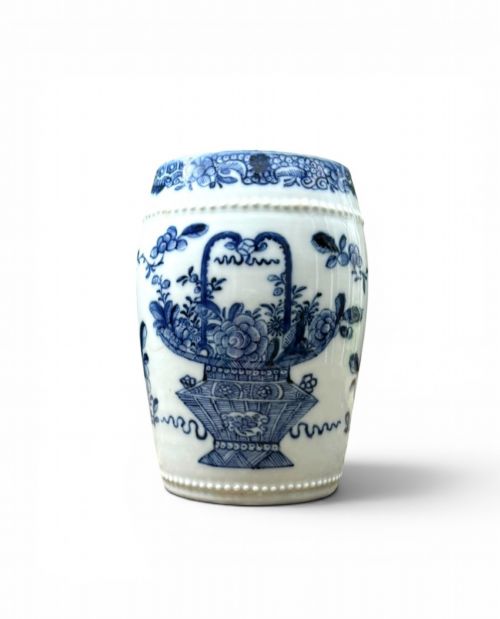


Ceramic Beer Tankards
These ceramic beer tankards are robust vessels that combine everyday utility with fine decorative artistry across multiple centuries.
Ceramic Beer Tankards
When you search for ceramic beer tankards, you encounter sturdy drinking vessels designed to hold ale, beer, or cider during social gatherings and meals. The selections span from early porcelain mugs made for export markets to robust stoneware and earthenware jugs used across European households.
The pieces on this page heavily feature traditional forms from the eighteenth and nineteenth centuries. You will find Chinese export porcelain alongside German stoneware and English creamware, reflecting a diverse range of historic drinking vessels.
Many of these items function both as functional drinking vessels and decorative display pieces. Their designs range from simple utilitarian salt-glazed bodies to elaborate polychrome painted scenes and commemorative imperial portraits.
How they were made
Potters shaped these vessels using traditional throwing techniques on a wheel or by moulding earthenware and stoneware bodies. Salt glazing provided a durable, impermeable surface for German stoneware, while fine porcelain required careful high-firing processes.
Decoration relied on hand-painted pigments, cobalt blue underglazes, and colourful enamel overglazes. Many pieces incorporate metal additions, such as pewter lids or silver rims, fitted securely to the ceramic bodies.
Ceramic Beer Tankards Retail Price Guide 2026
Typical asking prices for ceramic beer tankards among the pieces listed under this phrase on Sellingantiques today, from the lower quarter to the upper quarter. They describe what is for sale here now, not the wider market.
The listings span the eighteenth and nineteenth centuries, featuring materials such as porcelain, stoneware, earthenware, and pewter.
What varies in quality
The crispness of the moulded relief work and the fineness of the painted detail dictate the standard of the piece. Superior examples exhibit vibrant, well-preserved enamels and precisely applied cobalt decoration without smudging.
The integrity of the ceramic body and any associated metal mounts determine the overall condition and desirability. Heavier, well-balanced handles and intact pewter or silver elements indicate careful preservation over centuries.
Doulton Lambeth·Hadley Worcester·Mettlach·Sarreguemines
The Ceramic Beer Tankards Glossary
- Westerwald
- A German region renowned for producing salt-glazed stoneware featuring distinctive grey and blue incised decoration. These vessels were widely exported throughout Europe.
- Creamware
- A refined earthenware developed in England during the eighteenth century, characterised by its pale yellowish cream colour and smooth lead glaze. It offered a lighter alternative to traditional stoneware.
- Faience
- Tin-glazed earthenware decorated with opaque coloured glazes over a porous buff body. It became popular across continental Europe for decorative jugs and tankards.
- Imari
- A Japanese export style adopted by Chinese and European potteries, utilising a palette of underglaze blue, iron red, and gilt highlights. Pieces displaying this style present striking contrast.
- Famille Rose
- A palette of Chinese porcelain enamels dominated by opaque pink or rose colours, introduced during the Qing dynasty. It allowed for delicate shading in floral and figural designs.
Ceramic Beer Tankards: Frequently Asked Questions
What is a ceramic beer tankard?
A ceramic beer tankard is a large, handled drinking vessel designed for holding ale or beer, made from materials such as porcelain, stoneware, or earthenware. They range from simple utilitarian mugs to highly decorated commemorative pieces.
Historically, these vessels served everyday drinking needs as well as special communal occasions. Their sturdy construction helped keep beverages cool during meals and gatherings.
How do I clean an antique tankard?
Cleaning antique ceramic vessels requires gentle hand washing with warm water and mild soap, avoiding harsh scrubbing or dishwashers. Metal mounts, such as pewter or silver rims, should be dried thoroughly to prevent tarnishing.
Displaying them away from direct sunlight protects hand-painted enamels and delicate glazes from fading over time. Regular dusting preserves the surface finish without risking abrasion.
How do I tell different periods apart?
Differentiating periods relies on observing material composition, glazing techniques, and stylistic decoration markers. Eighteenth-century pieces often feature Chinese export porcelain or salt-glazed stoneware, while nineteenth-century items frequently display industrial earthenware or transfer-printed designs.
Examining the base of the vessel can also reveal maker marks, potters' stamps, or foot-rim characteristics typical of specific manufacturing eras. Comparing these details helps establish the probable age of the piece.
Were these tankards used daily?
Many sturdy stoneware and earthenware tankards saw regular use in taverns and households for everyday dining and social drinking. Their robust materials were chosen specifically to withstand frequent handling.
More delicate porcelain mugs and commemorative pieces were often reserved for display or special toasts. These decorative items survived in better condition because they avoided heavy everyday use.