

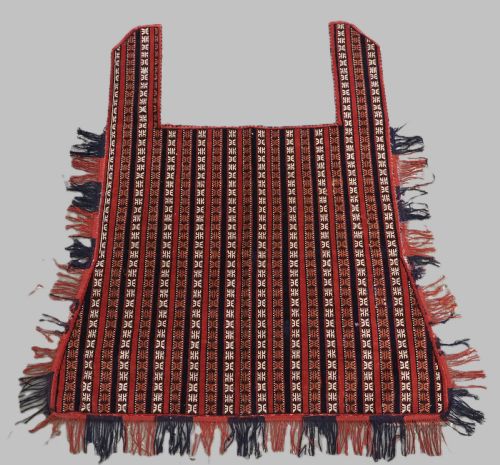


Central Asian Woven Trappings
Central asian woven trappings are nomadic textile works created for camels, horses, and tent storage, offering collectors deep tribal history and saturated natural dyes.
Central Asian Woven Trappings
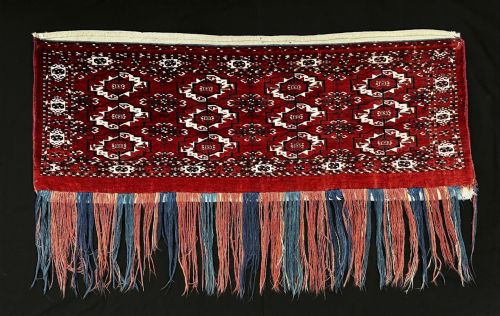
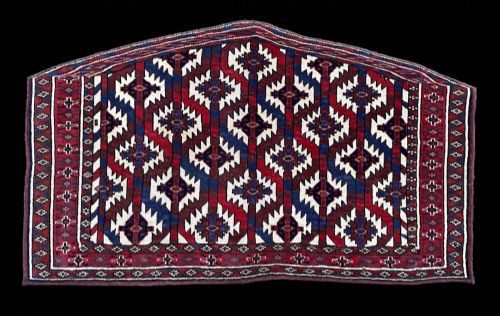
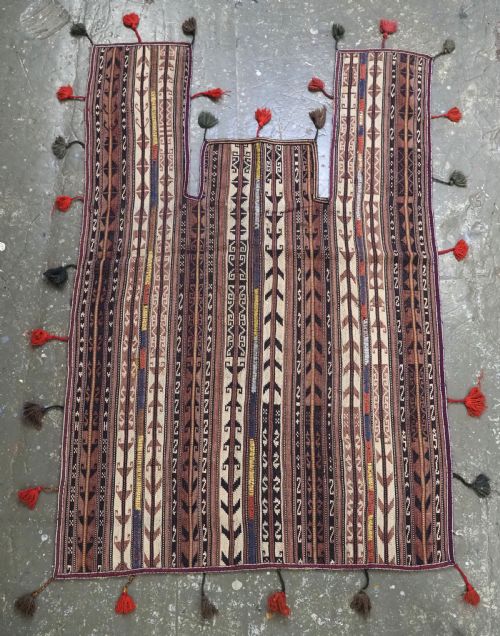
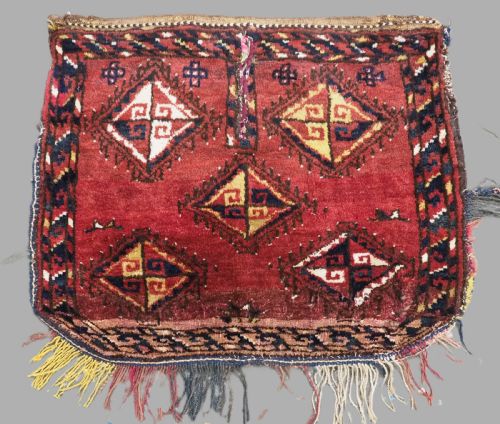
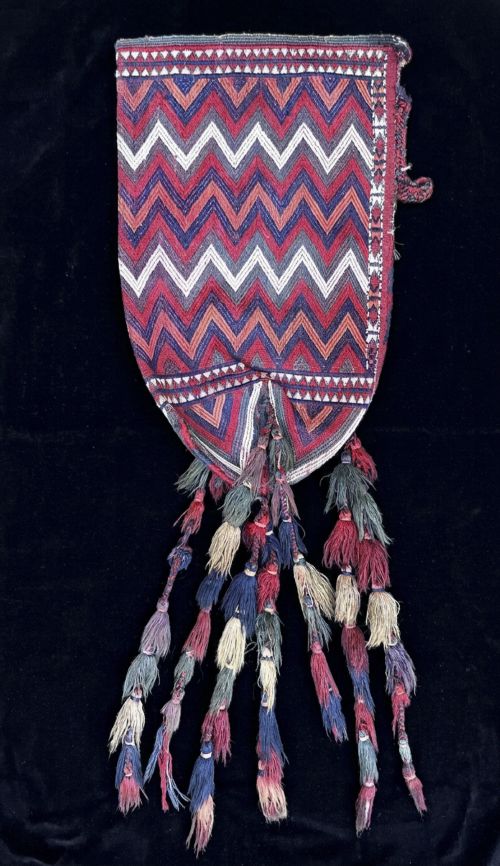
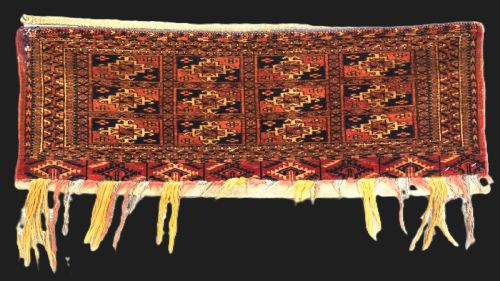
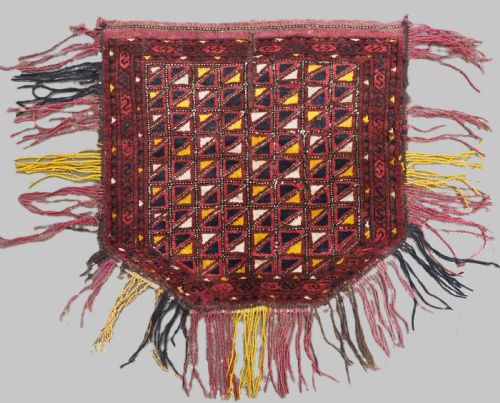
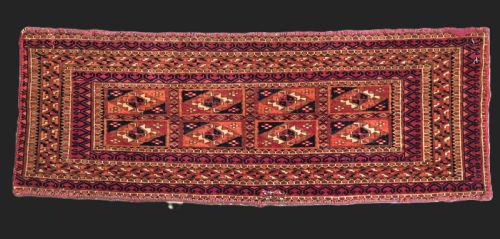
Central asian woven trappings comprise functional items made by nomadic tribes across Turkmenistan, Uzbekistan, and Afghanistan during the nineteenth and early twentieth centuries. These pieces include asmalyks, torbas, chuvals, and horse covers created for transport, dowries, and ceremonial occasions.
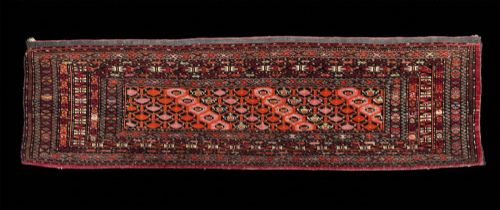
The selection centres on tribal formats such as Tekke, Yomut, and Ersari works, reflecting specific regional motifs and weaving traditions. Collectors frequently encounter torba faces and horse blankets featuring distinctive guls and geometric layouts.
Materials and construction
Weavers utilised hand-spun wool for the pile and foundation, often combining cotton and silk for structural elements and highlights. Natural dyes provided deep red, ivory, and brown tones that matured with age.
Structures relied on tight knotting techniques, producing durable surfaces designed to withstand heavy daily use on animal flanks and tent walls.
Central Asian Woven Trappings Retail Price Guide 2026
Typical asking prices for central asian woven trappings among the pieces listed under this phrase on Sellingantiques today, from the lower quarter to the upper quarter. They describe what is for sale here now, not the wider market.
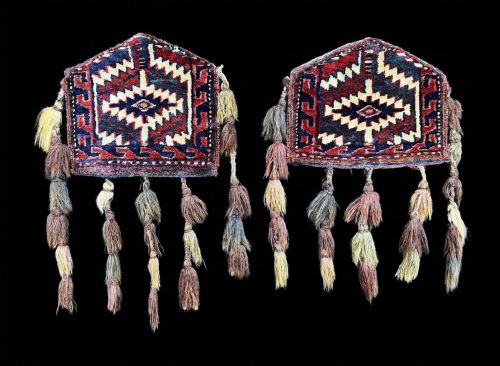
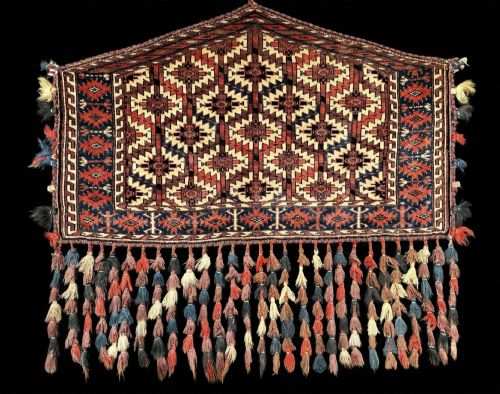
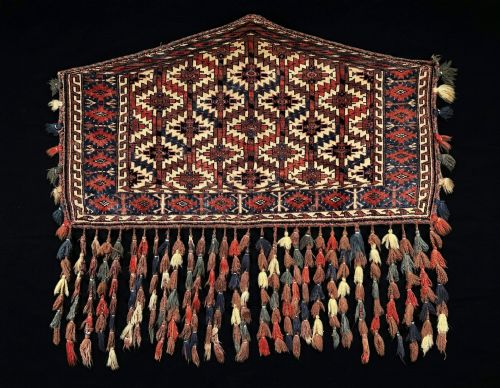
Some horse blankets still retain their original wool tassels, swaying gently as if the camel is ready to march across the desert.
Standards of execution
Knot density and handling of the wool dictate the structural integrity of a piece, with finer weaves allowing for sharper geometric definition. The depth and saturation of the natural dyes separate standard utility items from masterwork dowry pieces.
Survival of original elements like tassels, backs, and side cords elevates the integrity of surviving textiles.
The Central Asian Woven Trappings Glossary
- Torba
- A small storage bag used inside nomadic tents for household belongings. These items typically display primary guls and were frequently woven as part of a bride's dowry.
- Asmalyk
- A pentagonal trapping mounted on the flanks of a camel during wedding processions. These decorative pieces are among the most intricate tribal textile forms.
- Gul
- A repeating primary medallion motif used by tribal weavers to identify specific clans and lineages. Variations in these forms indicate distinct regional groups.
- Chuval
- A large tent storage bag used for bedding and heavy goods. These utilitarian textiles featured elaborate face designs similar to smaller torbas.
- Mafrash
- A rectangular storage bag or chest face utilised within the yurt for organisation. They share construction methods with standard tribal torbas.
Central Asian Woven Trappings: Frequently Asked Questions
What were central asian woven trappings used for?
Nomadic groups utilised these woven items for practical storage inside tents and for decorating animals during weddings and migrations. Pieces such as torbas held household goods, while asmalyks and horse blankets adorned camels and horses.
Items served functional roles within daily camp life alongside important ceremonial functions for tribal celebrations and dowry displays.
How do you date these tribal textiles?
Dating relies on wool quality, dye analysis, structural characteristics, and traditional design patterns. Pieces from the nineteenth century typically display hand-spun wool and saturated natural colour palettes.
Structural traits such as knot density and the use of cotton or silk highlights help establish the approximate decade of production.
How should I care for a textile wall hanging?
Display pieces away from direct sunlight to protect natural wool dyes from fading over time. Support the weight evenly if mounting the textile on a wall.
Gentle vacuuming through a mesh screen removes surface dust without damaging the pile or fragile original edges.
What is a dowry weaving?
Dowry items represent the finest work produced by a weaver for her own marriage or family collection. These pieces display exceptional knot density, refined design execution, and superior materials.
Families retained these textiles as status symbols and heirlooms, passing them down through generations within the tribe.