


Antique Asian Textile Trappings
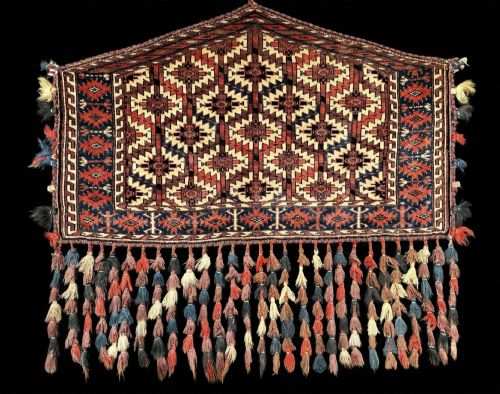
Antique asian textile trappings are nomadic weavings and ceremonial horse covers created across Central Asia during the nineteenth and early twentieth centuries.
Antique Asian Textile Trappings
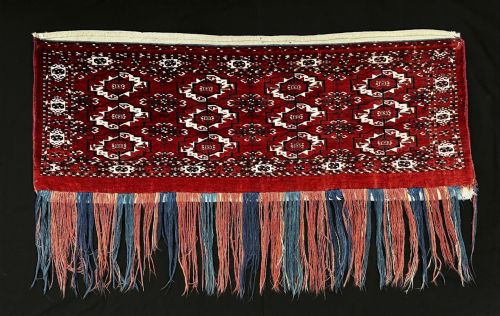
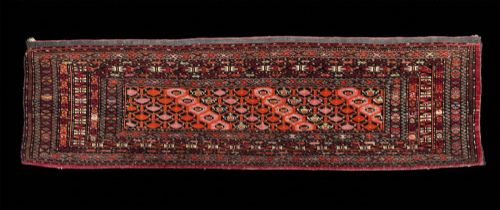
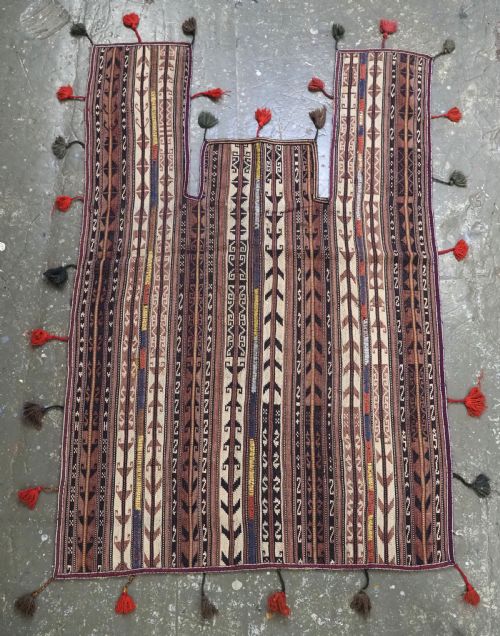
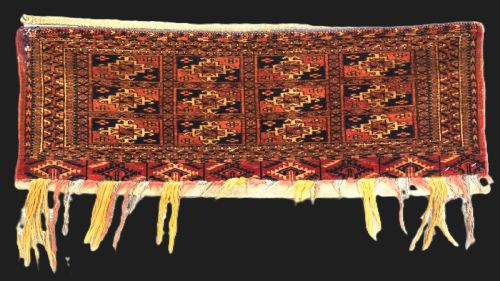
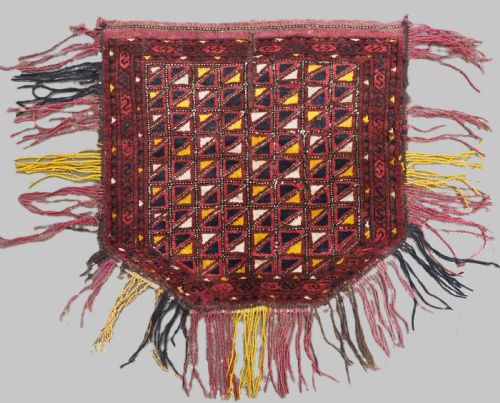
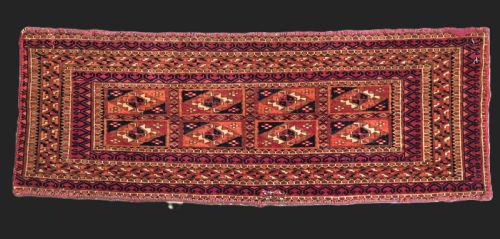
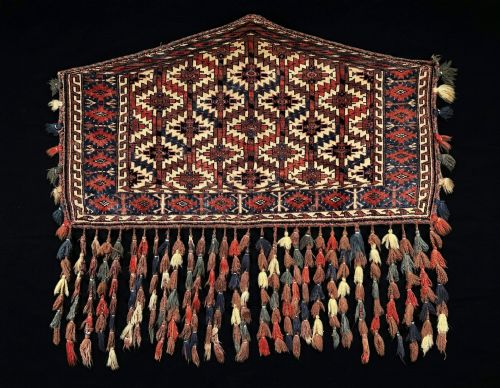
Specific forms include the torba, asmalyk, jollar, and chuval, each serving distinct domestic or ceremonial functions within tribal life. Many items were woven as dowry pieces or designed to adorn horses and camels during wedding processions and festive occasions.
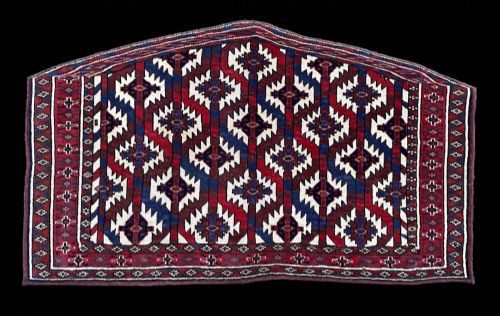
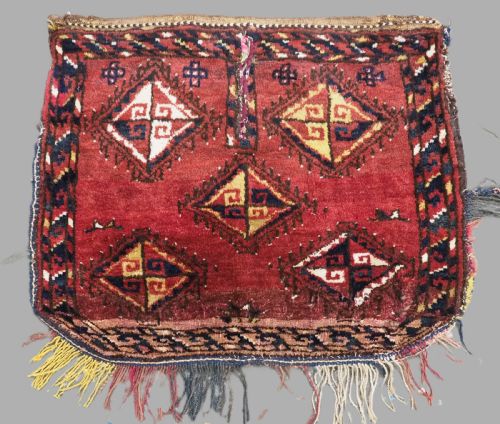
The aesthetic vocabulary relies heavily on tribal guls, repeated octagons, and geometric motifs executed in saturated regional palettes. These works bridge practical nomadic utility with rich visual symbolism tied to specific tribal identities.
Materials and Construction Techniques
The foundational structure of these weavings typically utilises hand-spun wool for warps, wefts, and pile, often combined with cotton or felted wool substrates. Artisans employed natural dyes to achieve deep reds, browns, ivories, and dark contrasts that have mellowed gracefully over time.
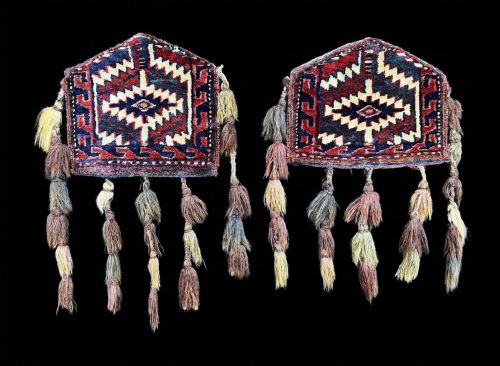
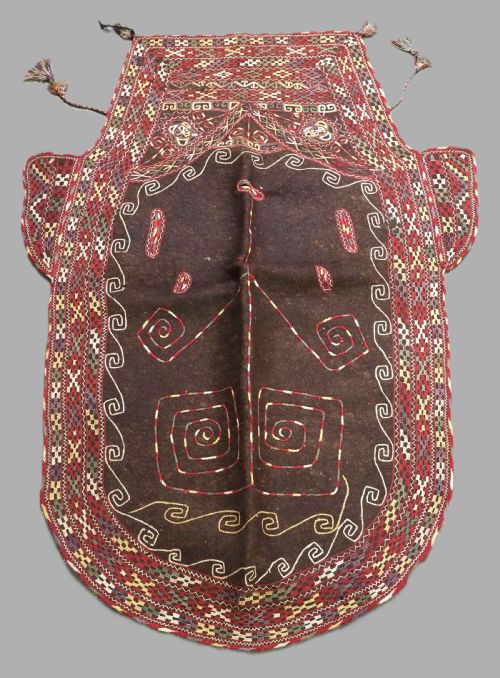
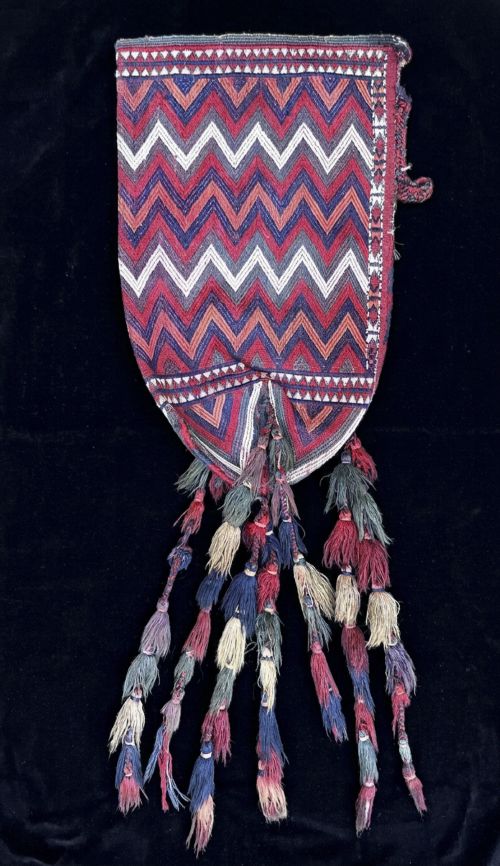
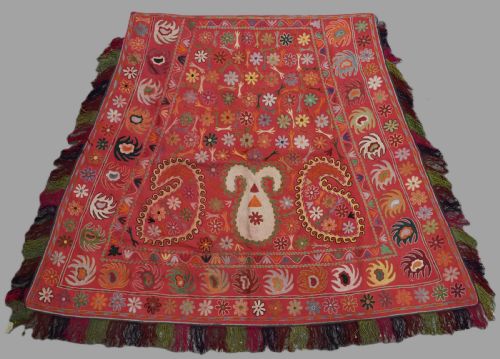
Surface ornamentation frequently incorporates supplementary silk thread highlights and fine embroidery executed with cotton thread on felt or woven wool. Structural details such as original tassels, braided edges, and complete backs survive on select examples to demonstrate traditional finishing methods.
Antique Asian Textile Trappings Retail Price Guide 2026
Typical asking prices for asian textile trappings among the pieces listed under this phrase on Sellingantiques today, from the lower quarter to the upper quarter. They describe what is for sale here now, not the wider market.
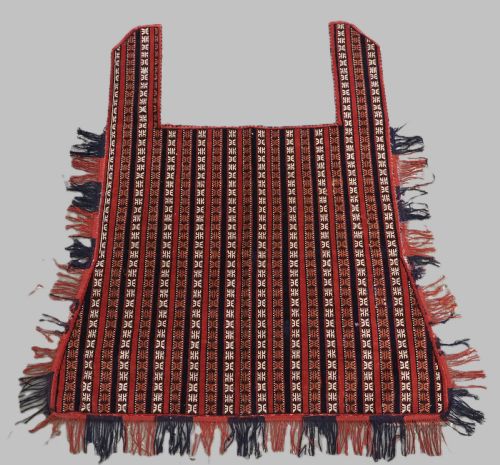
Camel and horse neck dress garments reveal that nomadic weavers cared just as much about the elegance of their livestock as the comfort of their tents.
Assessing Quality and Execution
Quality in these textiles rests upon the density of the weave, the crispness of the geometric drawing, and the depth of the natural dyestuff palette. Finer knotting and precise execution of complex gul patterns distinguish master weaver output from more routine utilitarian production.
The survival rate of original components, including complete pile surfaces, tassels, and structural backing fabric, strongly influences the integrity of a piece. Examples retaining their full ceremonial context or featuring scarce structural variations command greater attention from collectors.
The Antique Asian Textile Trappings Glossary
- Torba
- A small utility bag used for storage inside a nomad tent. These pieces frequently feature elaborate face designs and were occasionally woven as part of dowry groupings.
- Asmalyk
- A pentagonal or wedding trapping hung on the flanks of a bride's camel during ceremonial processions. They showcase some of the most elaborate design work in tribal weaving.
- Gul
- A medallion motif repeated across tribal carpets and trappings to identify specific clans or lineages. Different tribes utilised distinct gul forms, such as the Tekke or Salor variants.
- Chuval
- A large storage bag utilised within the yurt for bedding and household goods. These items display structured field designs divided into rows of guls.
- Uk Bash
- A decorative band used inside the yurt to secure the wooden roof struts. These narrow woven strips demonstrate utilitarian nomad artistry on a smaller scale.
Antique Asian Textile Trappings: Frequently Asked Questions
What are antique asian textile trappings?
These pieces comprise functional storage bags, tent bands, and ceremonial animal coverings created by nomadic groups in Central Asia during the nineteenth and early twentieth centuries. They served practical roles in daily pastoral life as well as symbolic functions during weddings and festivals.
Tribes such as the Yomut, Tekke, and Ersari produced these textiles using local wool, natural dyes, and traditional geometric iconography to mark clan identity and heritage.
How were these horse covers used?
Ceremonial horse blankets and asmalyks were draped over animals during wedding processions, tribal celebrations, and important community gatherings. They served to display the wealth, status, and weaving skill of the family involved in the festivities.
Beyond ceremonial use, many related trappings functioned as utilitarian containers for household goods, bedding, and tent furnishings inside portable dwellings.
How do I identify different tribal groups?
Attribution relies on examining the specific structural guls, border arrangements, and primary colour palette characteristic of each clan. For instance, Tekke and Saryk pieces display distinct medallion repeats compared to the bolder geometric forms found in Yomut or Uzbek examples.
Material choices, such as the presence of felted wool versus pile weave, further guide the identification of specific regional workshops and nomadic traditions.
How should I care for a textile trapping?
Protect antique wool and silk textiles from direct sunlight to prevent natural dye fading and fibre degradation. Gentle vacuuming through a mesh screen helps remove dust without disturbing delicate pile or embroidery.
Mounting wall hangings securely on breathable backing distributes weight evenly and preserves the structural integrity of older wool and cotton foundations.