
Central Asian Wool Weave
Central Asian wool weave pieces encompass tribal rugs, horse covers, and tent bags originating from nomadic and village communities.
Central Asian Wool Weave
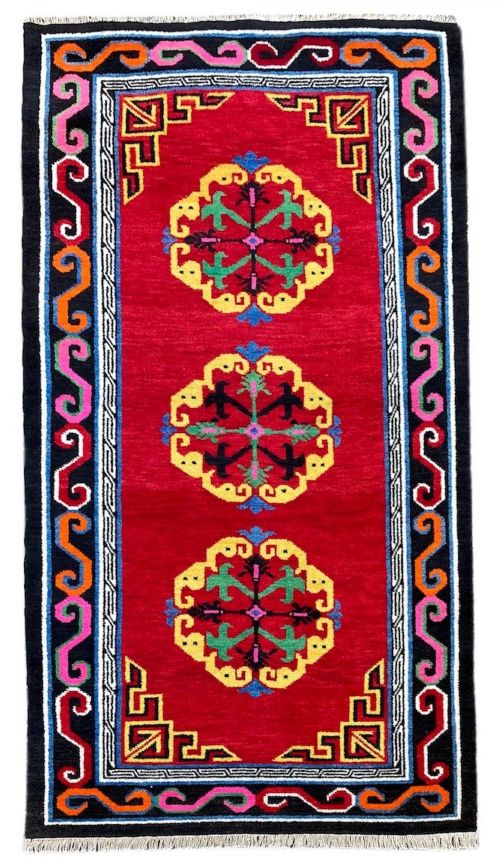
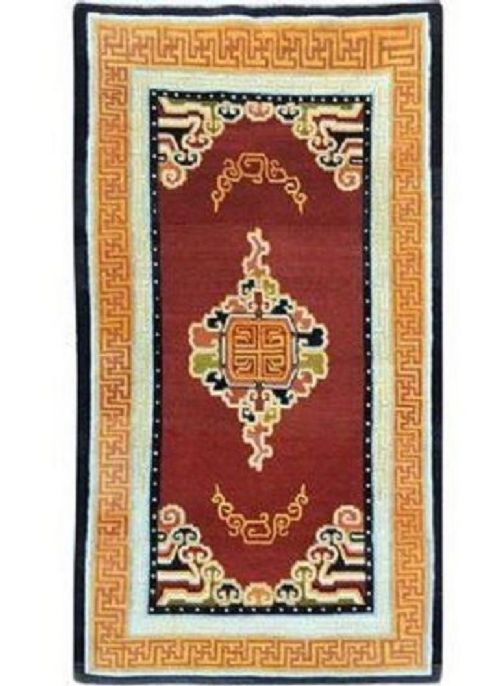
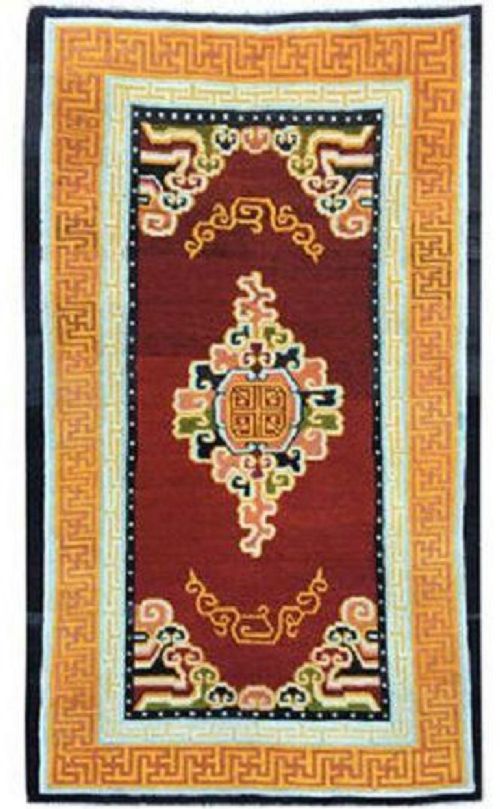
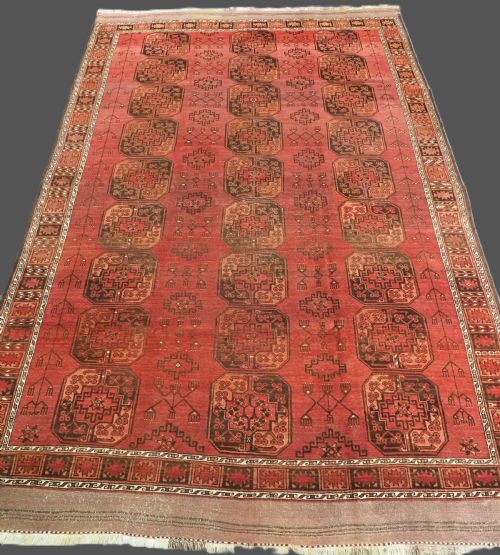
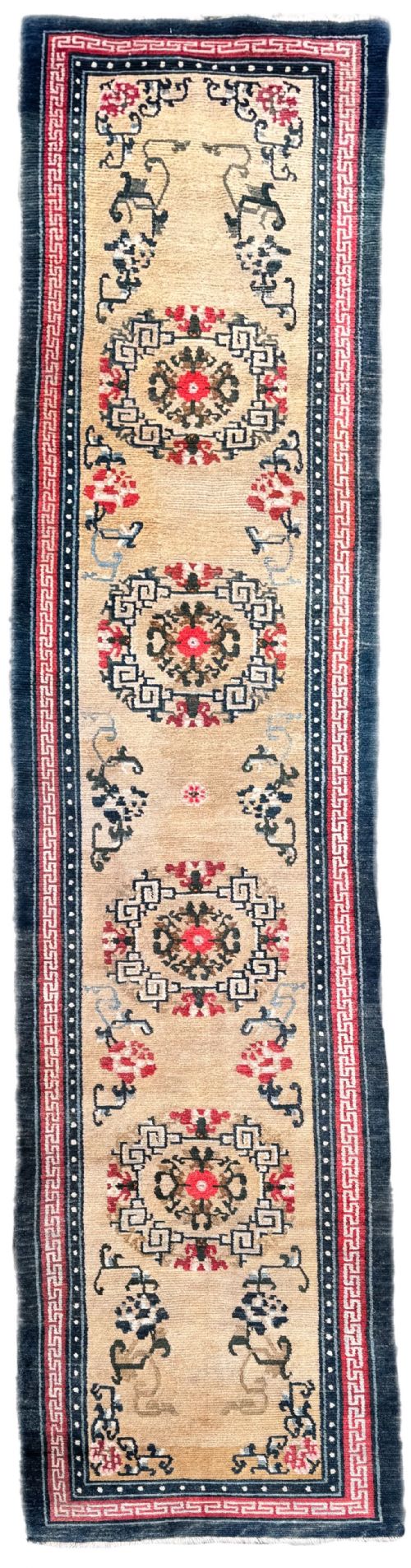
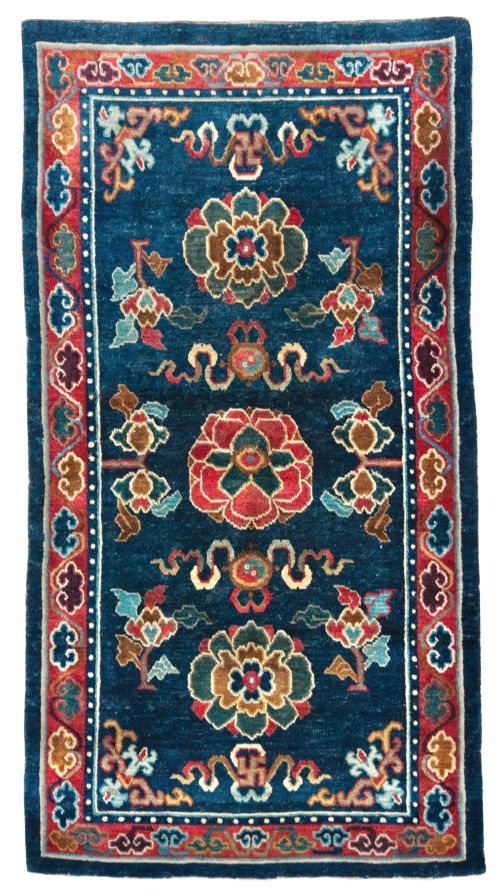
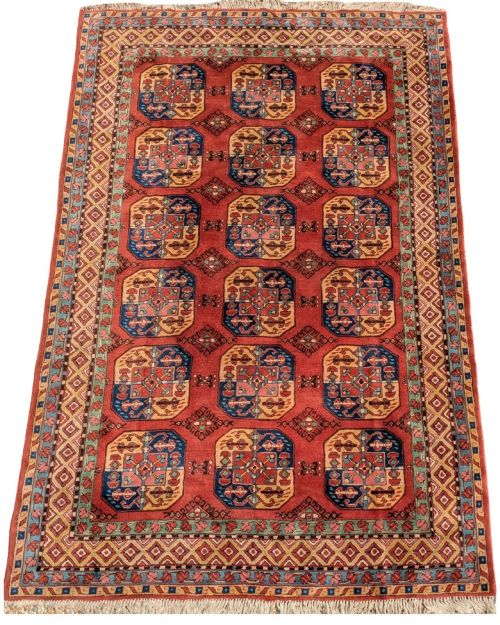
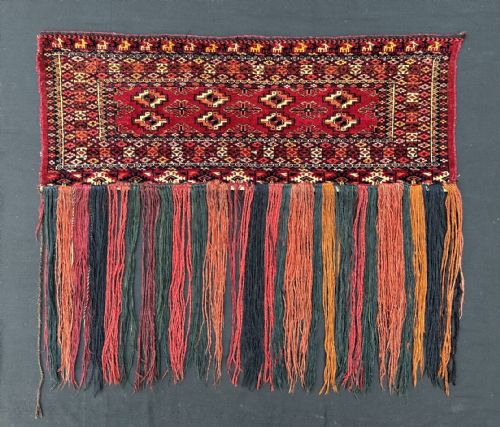
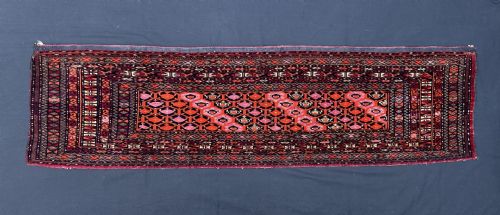
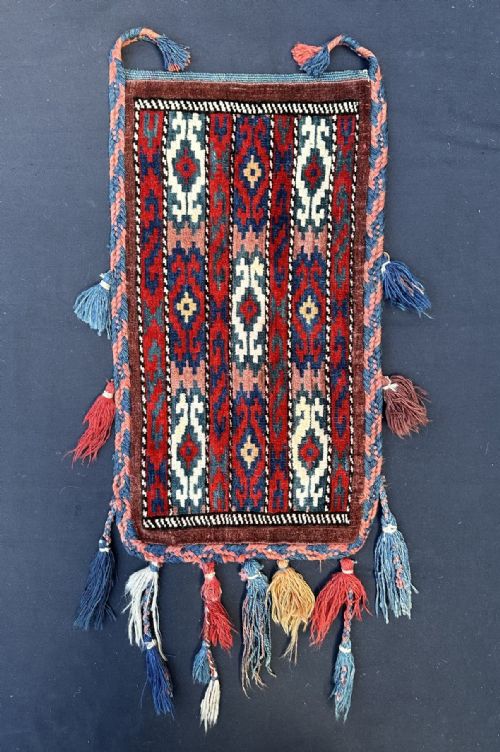
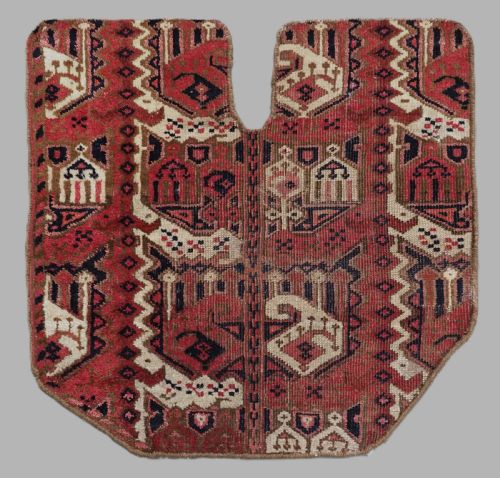
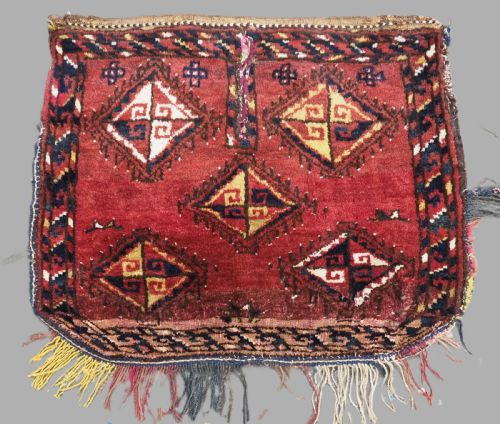
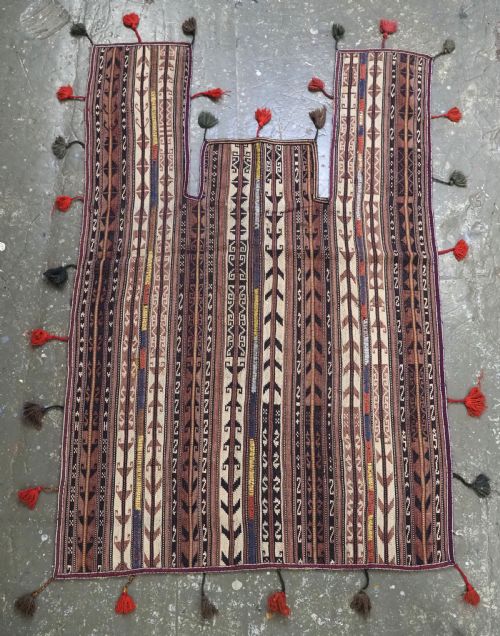
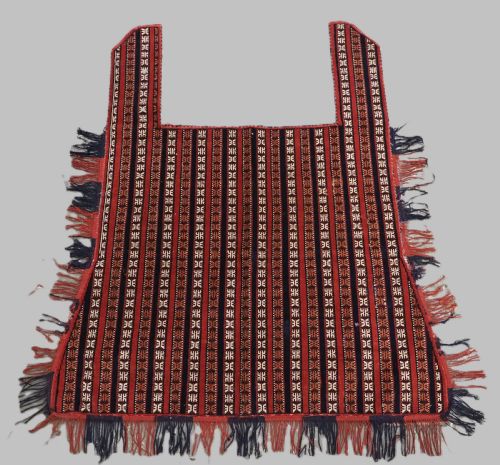
A central asian wool weave typically manifests as functional tribal textiles, including saddle rugs, asmalyks, torbas, and main carpets created across Turkmenistan, Uzbekistan, and Tibet. The inventory most frequently presents Turkmen pieces attributed to tribes such as the Tekke, Yomut, Ersari, and Saryk, alongside Tibetan rugs.
Forms range from small utilitarian bags and tent door rugs to large floor carpets and ceremonial horse blankets. These items reflect the nomadic heritage and domestic requirements of the makers from the mid-nineteenth century through the early twentieth century.
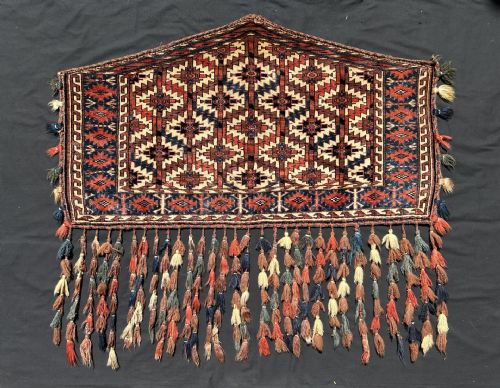
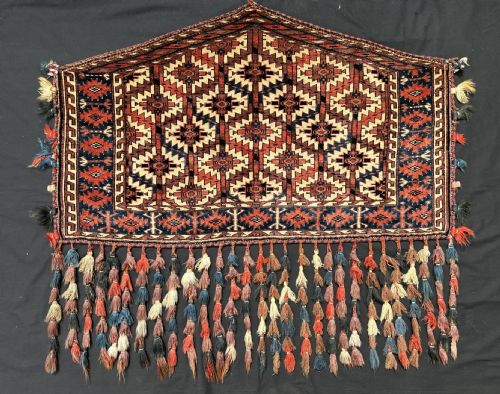
Makers utilised traditional patterns specific to their lineages, incorporating tribal guls and structural formats passed down through generations. Buyers encounter both complete domestic objects and fragments or cushion faces preserved from larger household items.
Materials and Construction
The construction relies fundamentally on hand-spun wool and cotton foundations, manipulated through traditional knotting and weaving techniques. Natural dyes provide the palette, yielding deep madder reds and associated earth tones characteristic of the region.
Certain pieces incorporate silk highlights to accentuate specific design elements within the wool pile. The weave density varies according to the intended function of the textile, balancing structural durability with flexibility.
Camels wore finer clothes to weddings than most humans ever will.
Factors of Distinction
Quality in a central asian wool weave is determined by the precision of the knotting and the integrity of the natural dye palette. Superior examples demonstrate a high density of hand-spun wool and crisp execution of tribal guls.
The preservation of original elements, such as tassels, plain-weave backs, and complete borders, elevates the standing of an individual piece. The complexity and scarcity of the specific tribal design further distinguish finer examples from standard utilitarian work.
The Central Asian Wool Weave Glossary
- Gul
- A primary medallion or repeating motif used in Turkmen carpet design. These octagonal or polygonal symbols often identify the specific tribe or clan that produced the weaving.
- Torba
- A small storage bag utilised within nomadic tents for household possessions. These items feature decorated faces and frequently survive independently from their original plain-weave backs.
- Asmalyk
- A large pentagonal trapping historically hung on the flank of a camel during wedding processions. They represent some of the most decorative tribal weavings from the region.
- Khaden
- A traditional Tibetan sleeping rug or seating mat constructed with wool pile. These smaller formats often display distinct border arrangements and colour combinations.
- Chuval
- A large tent bag used by Turkmen nomads for storage. Chuval faces show characteristic guls arranged in horizontal rows across the field.
Central Asian Wool Weave: Frequently Asked Questions
What are tribal tent bags used for?
Nomadic families utilised torbas and chuvals inside their yurts for storing household goods and bedding. These bags hung against the lattice walls of the tent structure.
Over time, many of these storage pieces have lost their original plain-weave backs, leaving collectors with highly decorative decorative faces suited for wall display.
How do I identify Turkmen tribal designs?
Tribal designs are distinguished by repeating geometric motifs known as guls, which varied significantly between lineages such as the Tekke, Yomut, and Ersari. Each group employed specific colour combinations and structural patterns.
Examining the border ornaments and secondary motifs helps connect a piece to its specific geographic oasis or steppe region.
What is a horse cover used for?
Ceremonial horse blankets and saddle covers played a significant role in Central Asian weddings and tribal celebrations. Animals were adorned with these woven textiles during processions.
These pieces required durable wool construction to withstand outdoor use while displaying intricate designs to signify the status of the family.
How should I care for antique wool textiles?
Antique wool weavings require gentle maintenance, including regular vacuuming through a mesh screen to protect fragile pile and natural fibres. Direct sunlight should be avoided to prevent fading of the natural dye colours.
Professional textile conservationists should handle any deep cleaning or structural repairs to preserve the historical integrity of the piece.