
Central Asian Tribal Rug
When you search for a central asian tribal rug, you enter a rich world of nomadic textiles woven for daily life, dowries, and ceremonies.
Central Asian Tribal Rug
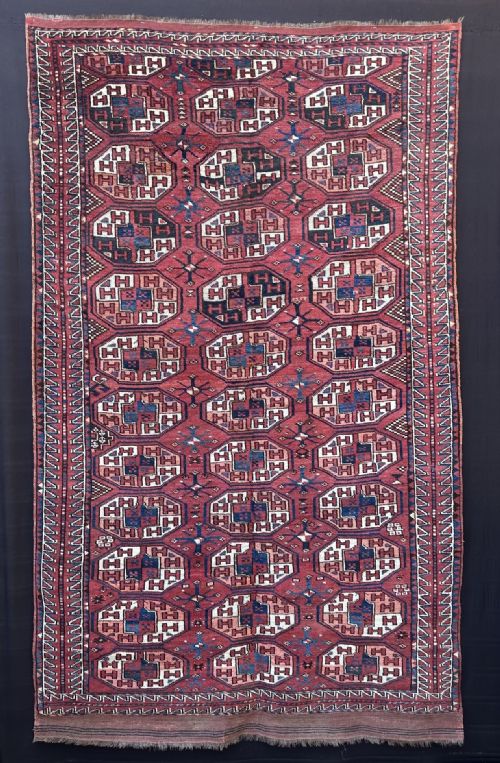
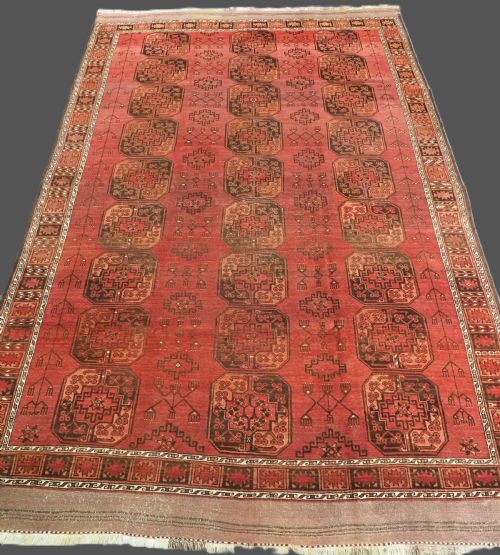
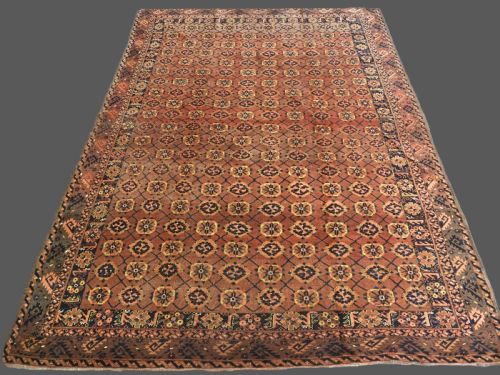
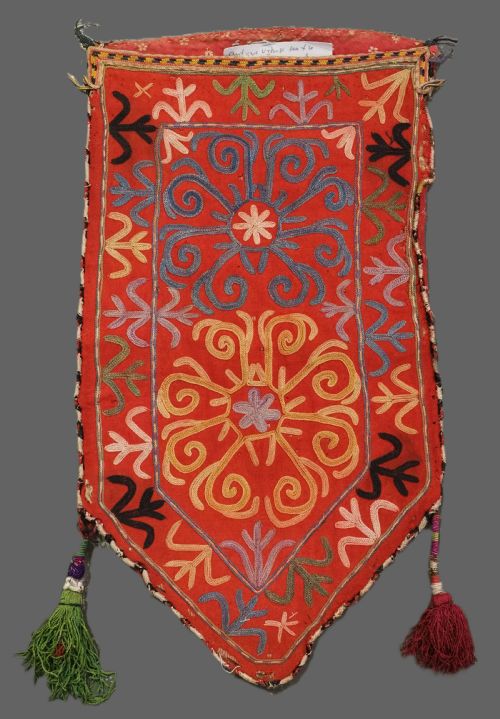
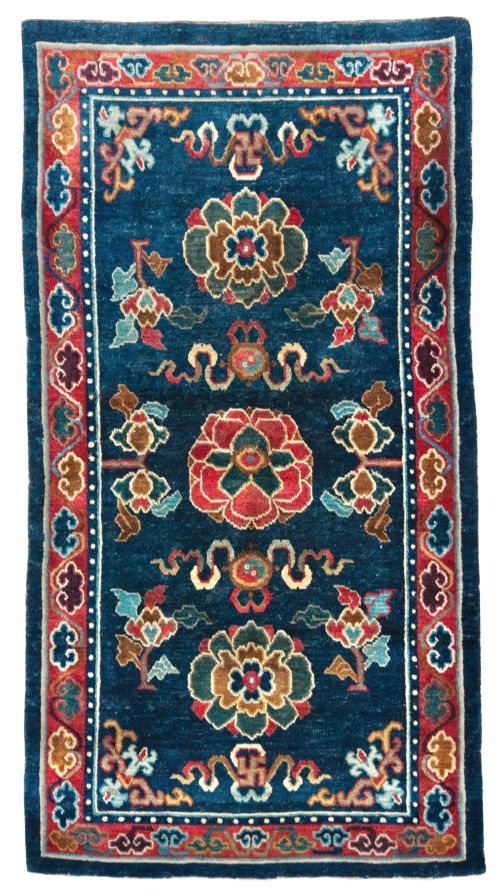
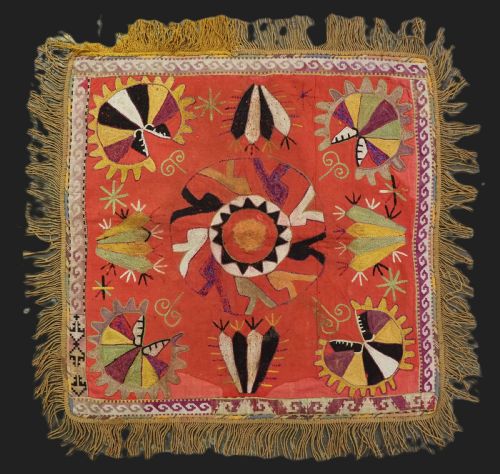
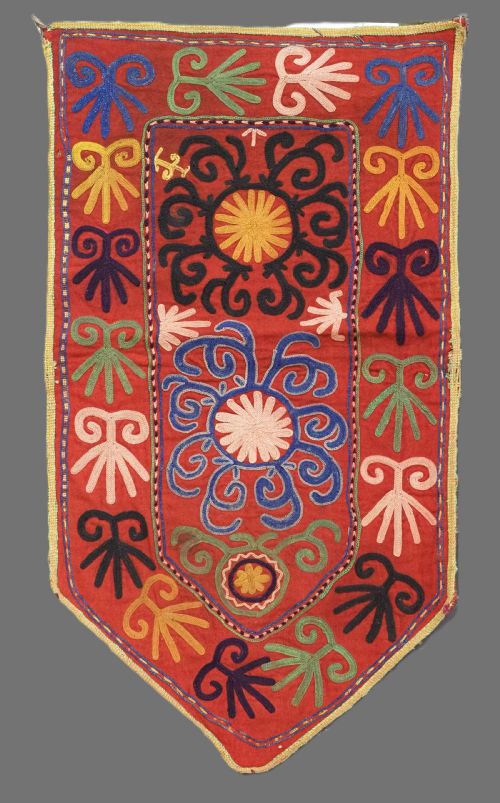
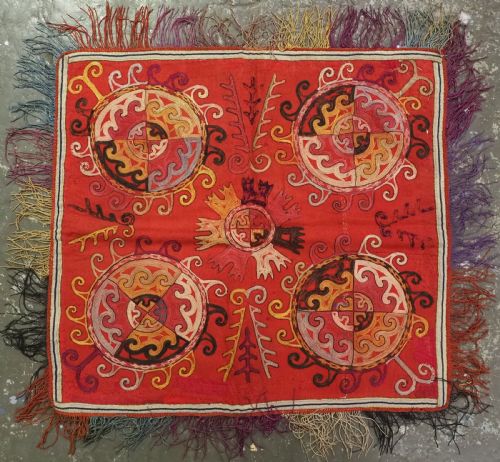
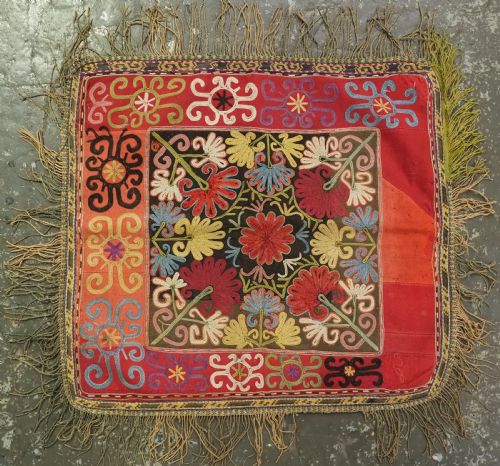
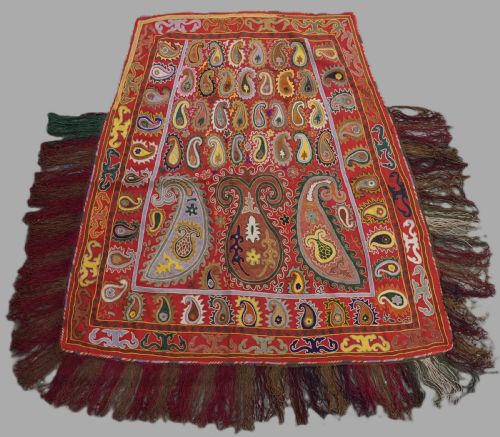
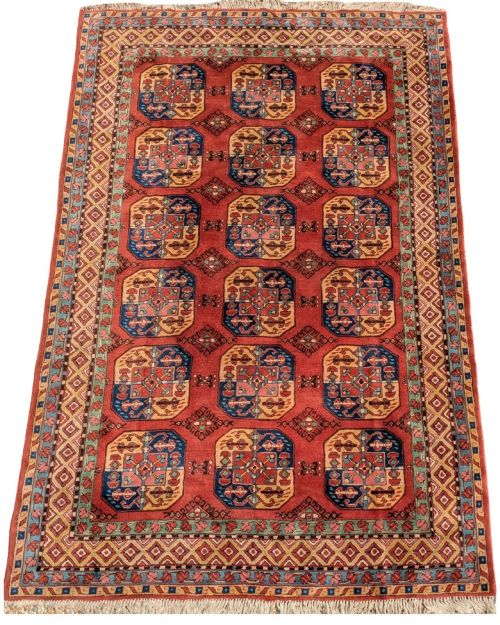
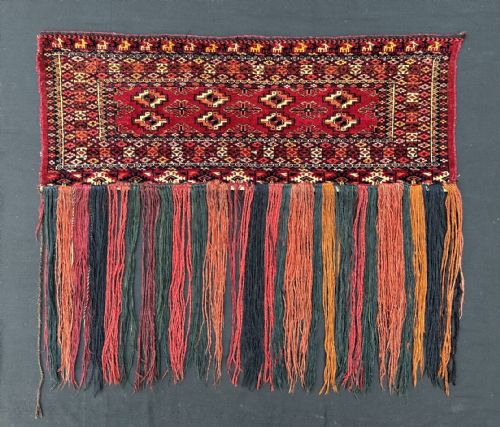
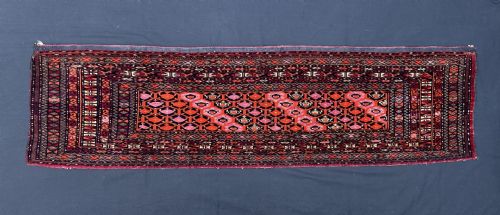
A central asian tribal rug encompasses floor coverings, tent door rugs, saddle covers, wall hangings, and dowry embroideries originating from nomadic and village communities.
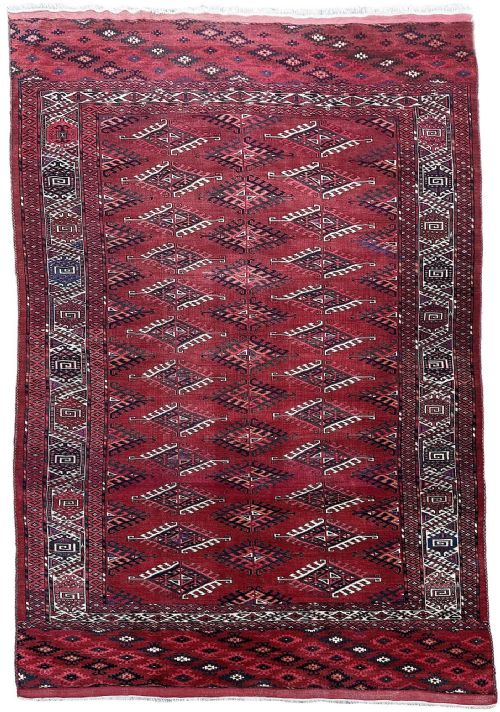
The selections span from the mid-nineteenth century to the early twentieth century, representing distinct groups such as the Yomut, Ersari, Teke, Sariq, and Lakai tribes.
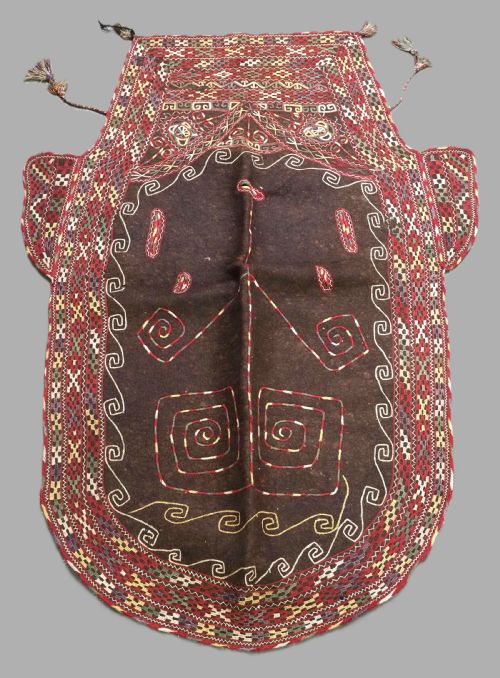
Forms include major carpets, smaller bags like chuvals and jollars, asmalyks for wedding camel trapping, and felt or silk embroideries created across Turkmenistan and Uzbekistan.
How they were made
Weavers utilised hand-spun wool, cotton, and silk, binding the materials with natural dyes to create enduring pile carpets and flatweaves.
Nomadic artisans also employed felted wool and intricate silk thread embroidery, applying needlework techniques to utilitarian objects and ceremonial horse blankets.
Central Asian Tribal Rug Retail Price Guide 2026
Typical asking prices for central asian tribal rug among the pieces listed under this phrase on Sellingantiques today, from the lower quarter to the upper quarter. They describe what is for sale here now, not the wider market.
The listings span periods from the eighteen-fifties to the nineteen-twenties, utilising materials such as hand-spun wool, cotton, silk, and natural dyes.
What varies in quality
The finesse of the knotting or the tightness of the embroidery sets individual examples apart, reflecting the skill of the weaver and the purpose of the textile.
Depth of colour achieved through natural dyes and the preservation of original elements like tassels and complete borders dictate the standing of a piece.
The Central Asian Tribal Rug Glossary
- Asmalyk
- A pentagonal trapping often produced by Yomut weavers and used during traditional wedding processions on the flanks of a camel.
- Chuval
- A large storage bag woven by Turkmen tribes, featuring a patterned face and designed for use inside a yurt.
- Ilgich
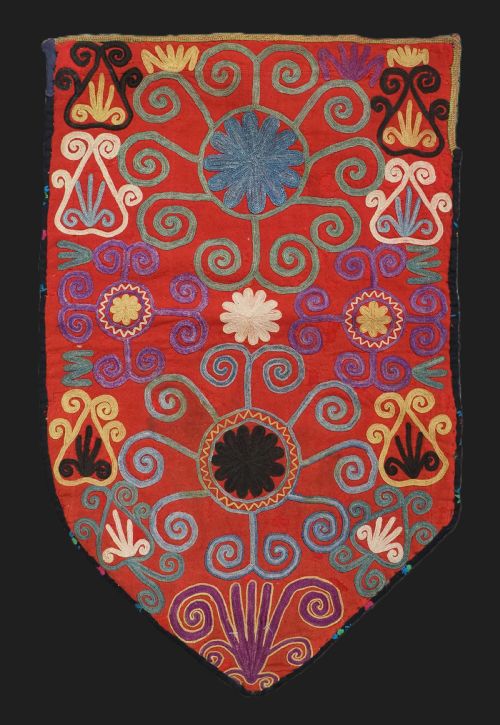
- An embroidered dowry hanging produced by the Lakai tribe of Uzbekistan, characterised by bold geometric motifs and silk thread.
- Kapunuk
- A tent door rug placed around the entrance frame of a nomadic dwelling, serving both decorative and protective functions.
- Suzani
- A large embroidered wall hanging from Central Asia, worked in silk on a cotton foundation for domestic use and ceremonial presentation.
Central Asian Tribal Rug: Frequently Asked Questions
How were these rugs used originally?
Nomadic communities utilised these textiles for practical insulation inside tents, floor seating, storage of household goods, and transport.
Many examples also served ceremonial roles, acting as dowry pieces, wedding decorations, and horse covers during significant community events.
How do I care for a tribal rug?
Protect the textile from direct sunlight to prevent natural dyes from fading over time.
Vacuum gently with a low suction attachment without a rotating brush, and consult a specialist textile conservator for professional cleaning.
How do I identify different tribal designs?
Tribal patterns depend on the specific group of origin, such as the distinct guls used by Ersari and Teke weavers or the dynamic appliques of Lakai embroidery.
Examining the structure, palette, and materials helps connect a piece to its regional workshop or nomadic tradition.
What periods do these pieces date from?
The available selection primarily includes antiques produced across the mid, late nineteenth, and early twentieth centuries.
Dates generally range from the eighteen-fifties through to the nineteen-twenties, reflecting traditional village and nomadic craftsmanship.