


Central Asian Kilim
A central asian kilim brings flatwoven tribal geometry and rich wool textures straight to the floor.
Central Asian Kilim
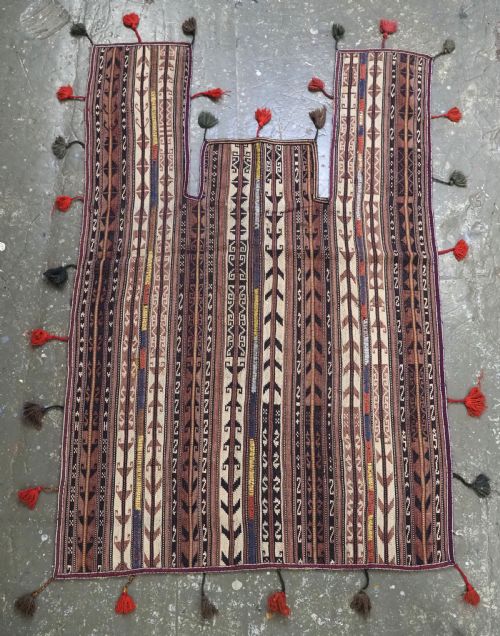
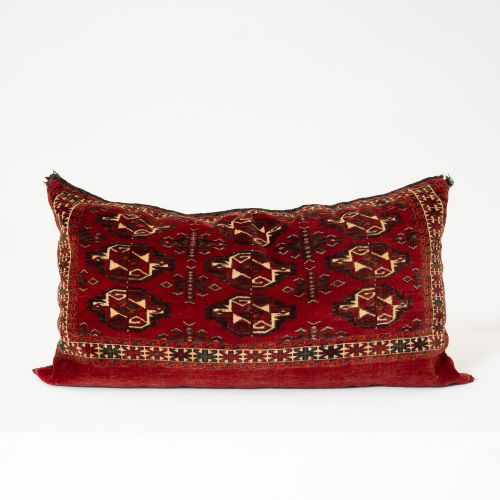
When you search for a central asian kilim, you encounter flatwoven textiles produced by nomadic and tribal groups across the region. These pieces take the form of rugs, carpets, area rugs, tribal textiles, and specific kilim rugs.
The objects available on this page include Turkmen Dali kilims, Uzbek Gajeri kilims, and related saddlebag faces or tent bands. They date from the early decades of the twentieth century, specifically spanning nineteen hundred to nineteen twenty.
You are most likely to meet Uzbek Gajeri kilims and Turkmen Dali kilims featuring banded or graphic designs. These flatweaves served practical purposes in nomadic life before entering the decorative sphere.
How they were made
Weavers constructed these flatweaves using natural materials such as wool and cotton, alongside occasional use of camel hair for specific grounds. The textile structure relies entirely on interlocking weft techniques without a piled surface.
The construction methods include fine weave structures, soumak wrapping, and embroidered additions over flatwoven foundations. Individual items often incorporate repurposed elements like tent bands into smaller format rugs.
Central Asian Kilim Retail Price Guide 2026
Typical asking prices for central asian kilim among the pieces listed under this phrase on Sellingantiques today, from the lower quarter to the upper quarter. They describe what is for sale here now, not the wider market.
The listings here cover pieces dated from nineteen hundred to nineteen twenty, featuring wool, cotton, and camel hair.
What varies in quality
The refinement of the weave distinguishes the finer examples from standard production. A very fine weave demonstrates tighter control of the shuttle and sharper execution of geometric motifs.
Design clarity and scale also determine the visual impact of each piece. Bold graphic layouts and balanced banded patterns command greater presence than simpler utility pieces.
The Central Asian Kilim Glossary
- Kilim
- A flatwoven textile produced without pile by tightly interweaving warp and weft strands. This technique creates a smooth, durable fabric suitable for floors and wall hangings.
- Gajeri
- A specific regional designation often applied to Uzbek flatweaves featuring distinct banded patterns. These textiles frequently display strong horizontal striping.
- Soumak
- A wrapping technique where weft threads are looped around the warp threads to create a textured, braided surface effect. This method adds structural weight to the textile.
- Warp
- The stationary vertical threads stretched on a loom before weaving begins. The weft threads pass over and under these foundational strands.
- Weft
- The horizontal threads passed through the warp to build the pattern and colour of the cloth. In kilims, these threads are beaten down firmly to conceal the warp.
Central Asian Kilim: Frequently Asked Questions
How were these kilims used originally?
Nomadic weavers utilised these textiles inside tents for floor coverings, storage bags, and structural bands. Items like saddlebag faces and tent bands performed daily functional roles.
Over time, these utilitarian objects transitioned into decorative flatweaves appreciated for their graphic tribal artistry.
How do I date these textiles?
The available pieces date from the early twentieth century, specifically between nineteen hundred and nineteen twenty. Stylistic markers and material analysis help place them within this window.
Finer weaves and specific regional attributions like Gajeri or Dali provide further context for their age.
How do I care for a kilim rug?
Protect your flatweave by using an appropriate underlay to prevent sliding and reduce friction against the floor. Regular gentle vacuuming without a rotating brush bar keeps dust from settling into the weave.
Professional cleaning tailored for antique wool textiles ensures the natural fibres remain stable over time.