

Caucasian Wool Rug
A caucasian wool rug brings intense geometric energy and rich historic dye palettes directly onto the floor.
Caucasian Wool Rug
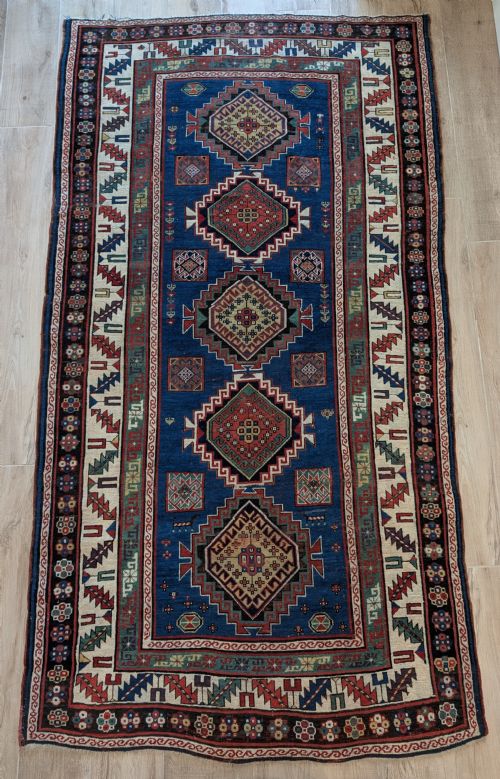
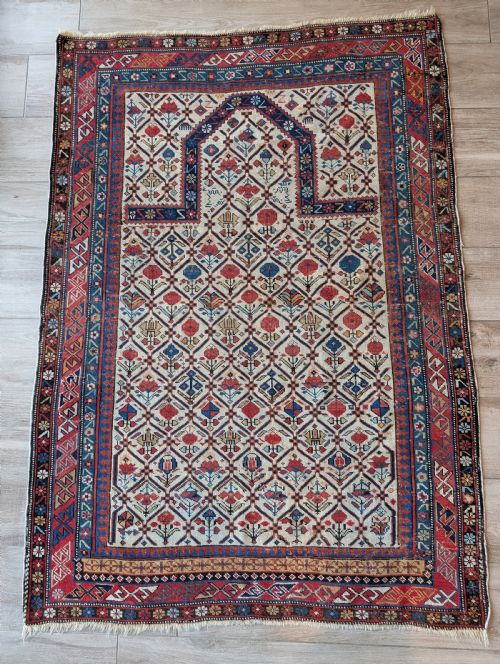
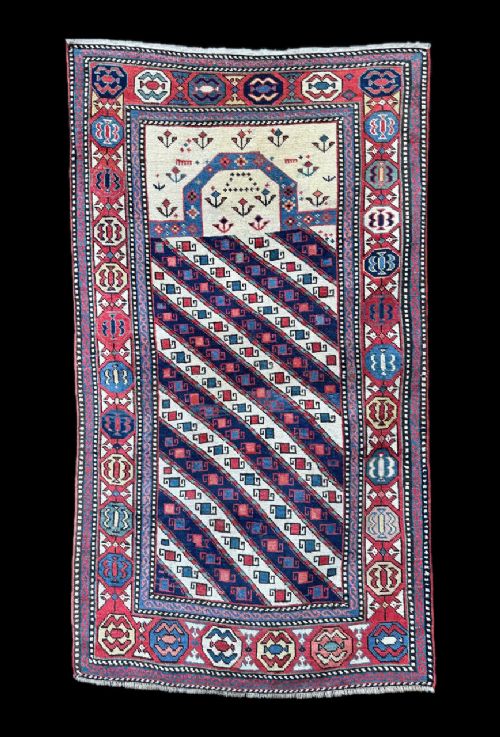
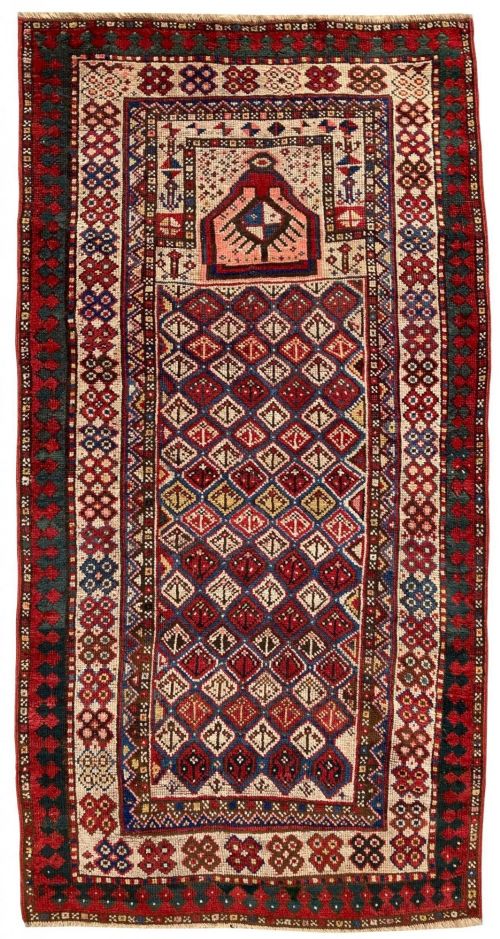
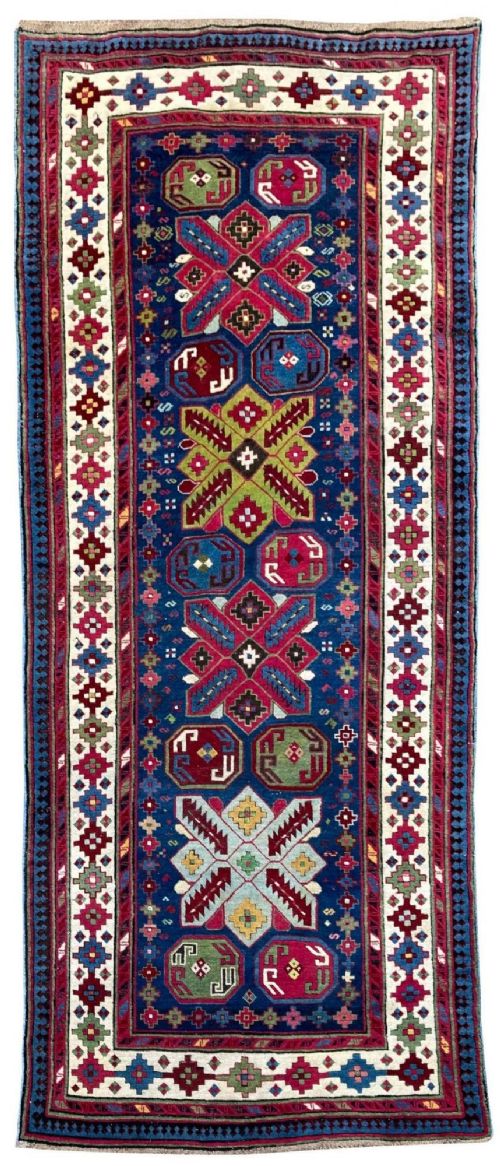
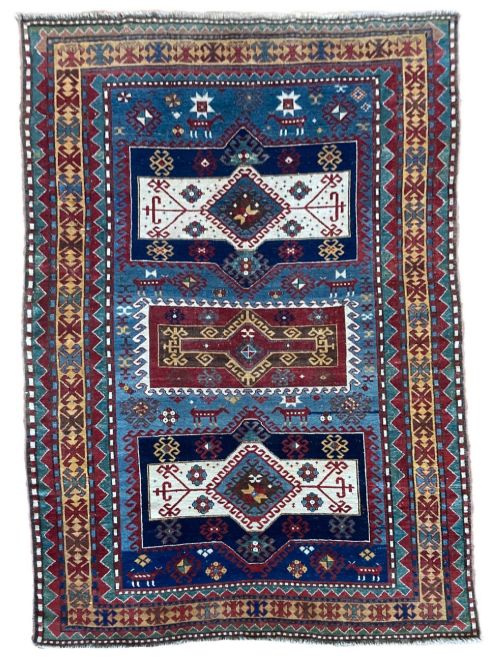
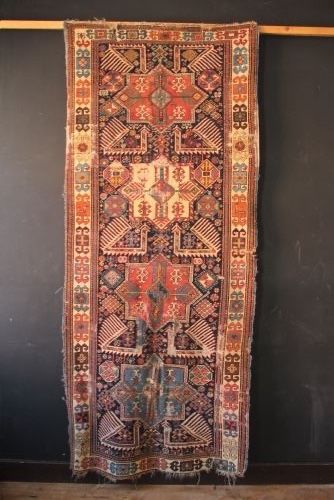
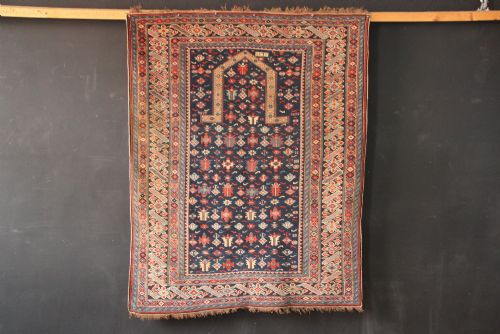
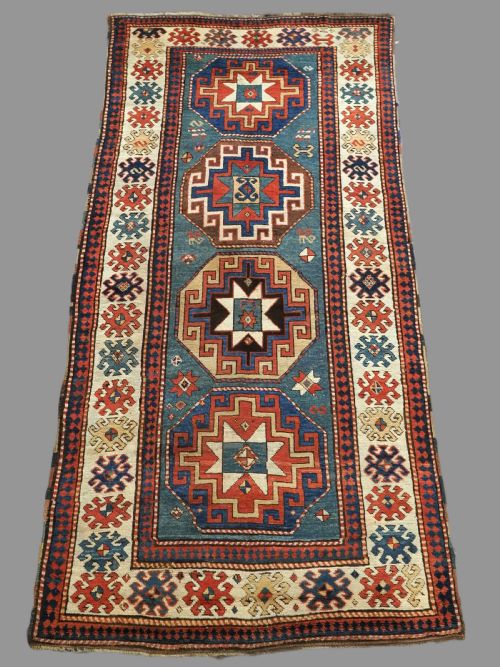
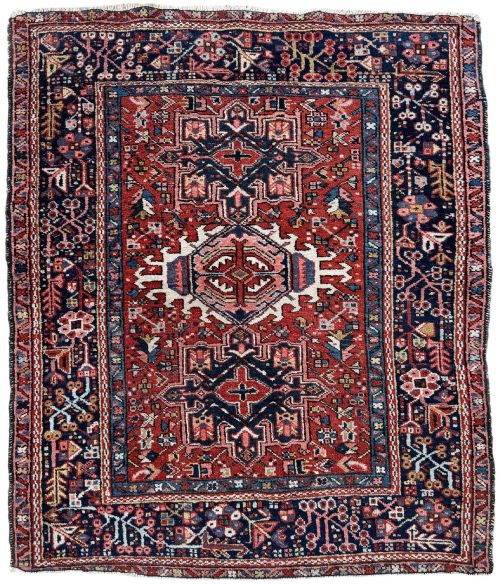
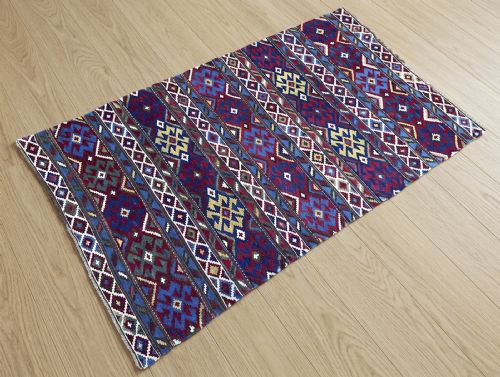
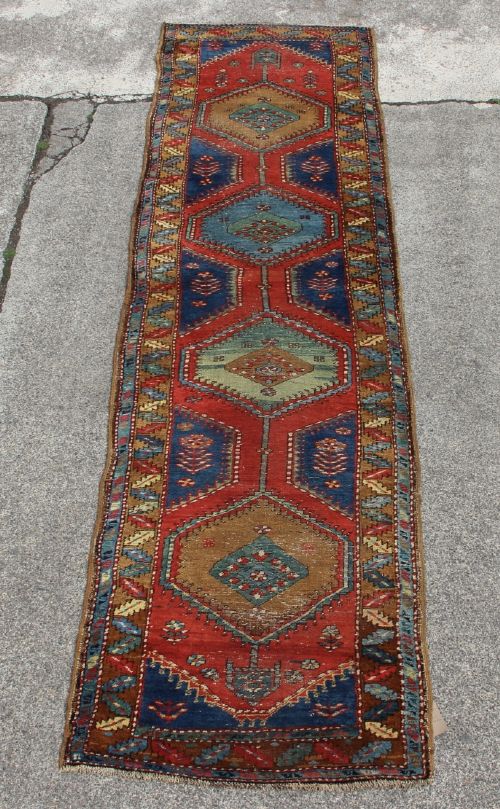
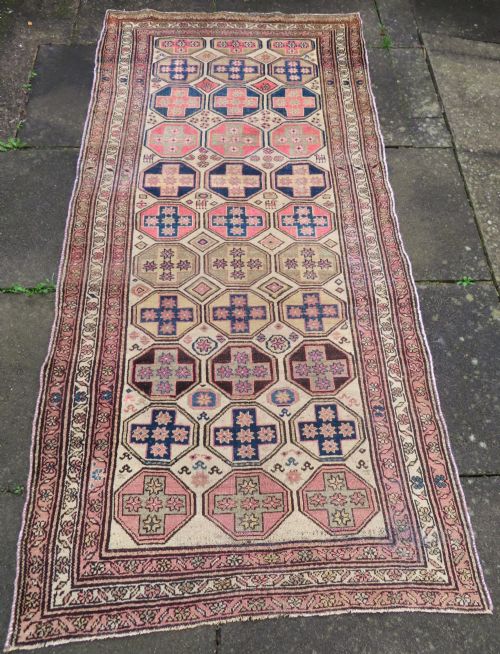
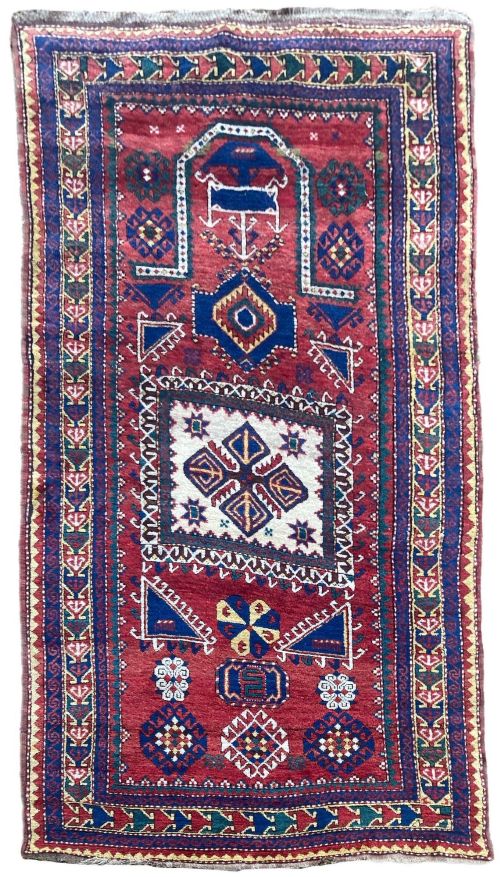
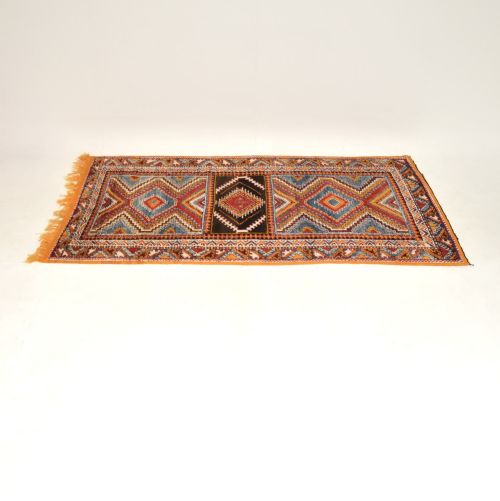
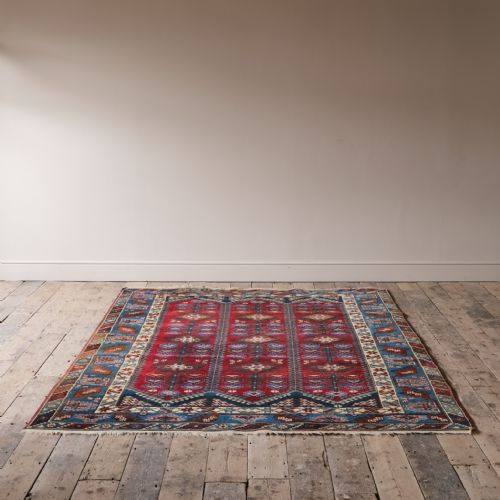
When you search for a caucasian wool rug, you encounter hand-knotted tribal and village floor coverings originating from the Caucasus region, dating from the mid-nineteenth century through the early twentieth century. These textiles encompass various distinct regional formats, including specific prayer rugs, long runners, and wide carpets bearing powerful tribal motifs. The items met most frequently on this page feature geometric medallions, star patterns, and latch-hook details characteristic of traditional weaving centres.
Village and nomadic weavers produced these pieces primarily for domestic use, trade, or local flooring, resulting in robust utility objects designed to endure heavy foot traffic. The forms span compact mats and saddle-bags up to substantial carpet formats like kellehs, created by Kurdish, Shahsevan, Kazak, Karabagh, and Shirvan makers. Each piece reflects the specific visual vocabulary of its origin valley, maintaining traditional layouts across generations of local artisans.
How they were made
The foundation and pile construction rely heavily on wool and hand-spun wool, yielding a dense, tactile surface that supports intricate geometric designs. Weavers utilised cotton for structural warps and wefts in certain regional types, adding stability to the flexible textile matrix. Natural dyes provided the deep reds, indigos, yellows, and browns that define the palette, extracted from local plants and minerals.
The hand-knotting technique binds the wool pile firmly to the warp threads, creating durable structures capable of retaining sharp colour contrast over decades of use. Flatweave techniques appear in related kilim and sumak pieces, where the pattern forms through the interweaving of coloured weft threads without a pile.
Caucasian Wool Rug Retail Price Guide 2026
Typical asking prices for caucasian wool rug among the pieces listed under this phrase on Sellingantiques today, from the lower quarter to the upper quarter. They describe what is for sale here now, not the wider market.
Listings span nineteenth and early twentieth-century production, utilising natural dyes, hand-spun wool, and cotton across diverse regional formats.
What varies in quality
The fineness of the knotting and the complexity of the internal drawing distinguish superior examples from simpler village work, dictating the crispness of the geometric motifs. Finer pieces demonstrate precise execution in small details like latch-hooks, stepped polygons, and border guards, showing great control by the weaver over the grid.
The vitality and depth of the natural dyes play a major role in the visual impact, as rich abrasash and varied tone indicate superior dyeing practice. Wool quality itself varies from lustrous, oily hand-spun fleeces to drier textures, influencing how well the pile ages and holds its initial character.
The Caucasian Wool Rug Glossary
- Kazak
- A designated style and region of weaving in the Western Caucasus known for bold, geometric medallions and strong primary colours. These rugs are typically heavier and chunkier in handle than eastern Caucasian counterparts.
- Shirvan
- A style originating from the Eastern Caucasus featuring finer knotting, lower pile, and intricate floral or geometric lattice designs. The palette often includes crisp ivory grounds alongside soft blues and reds.
- Sumak
- A flatweave technique where coloured weft threads wrap around the vertical warp threads to create a durable, non-pile textile with a textured face. It allows for complex diagonal and hooked patterns without the thickness of knotted wool.
- Prayer Rug
- A specific format featuring a mihrab or arch design at one end, traditionally laid on the floor for ritual prayer. These pieces concentrate their symbolic motifs around the central niche.
- Kelleh
- A large, elongated room-size carpet format used historically in traditional Persian and Caucasian interiors. They offer extended proportions significantly longer than standard area rugs.
Caucasian Wool Rug: Frequently Asked Questions
What is a caucasian wool rug?
A caucasian wool rug is a hand-knotted textile produced by village and nomadic weavers in the Caucasus region during the nineteenth and early twentieth centuries. These pieces are celebrated for their bold geometric designs, rich natural dyes, and sturdy construction.
They function primarily as floor coverings, bringing historic tribal artistry into domestic spaces through distinct regional patterns like Kazak, Shirvan, and Karabagh.
How do I identify different regional types?
Distinguishing regional types relies on examining the structural characteristics, palette choices, and specific motif arrangements within the design. For instance, Western Caucasian pieces often feature large primary medallions and heavy wool, while Eastern examples tend toward finer geometric lattices and lower pile heights.
Comparing border bands and secondary filler motifs provides further clues to the specific valley or tribal group responsible for the weaving.
How should I care for antique wool rugs?
Proper care involves regular, gentle vacuuming without rotating brush heads to remove dust from the wool pile without stressing the foundation threads. Keeping the textile out of direct, harsh sunlight prevents the natural dyes from fading prematurely over time.
Professional specialist cleaning is recommended rather than domestic washing to maintain the structural integrity of the hand-spun wool and natural colourants.
Were these rugs made for daily use?
These textiles were created as practical floor coverings, seating surfaces, and storage bags for nomadic and village communities in the Caucasus. The dense wool pile and sturdy construction provided necessary insulation and durability for daily domestic life.
Over decades of use, many developed a mellow, worn character that collectors and interior designers actively seek for its authentic historic patina.