





Caucasian Wool Carpet
A caucasian wool carpet brings bold geometric motifs and rich regional character into a room.
Caucasian Wool Carpet
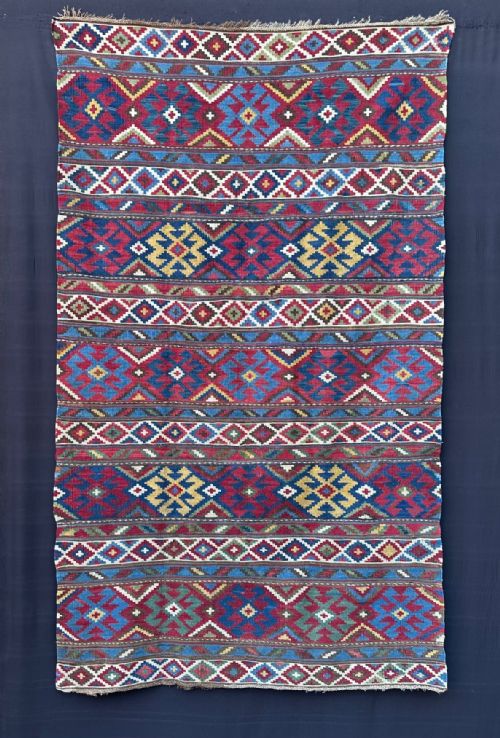
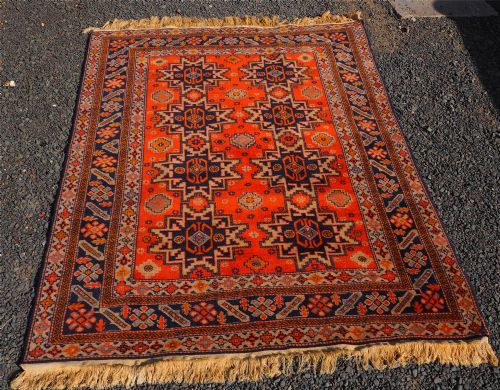
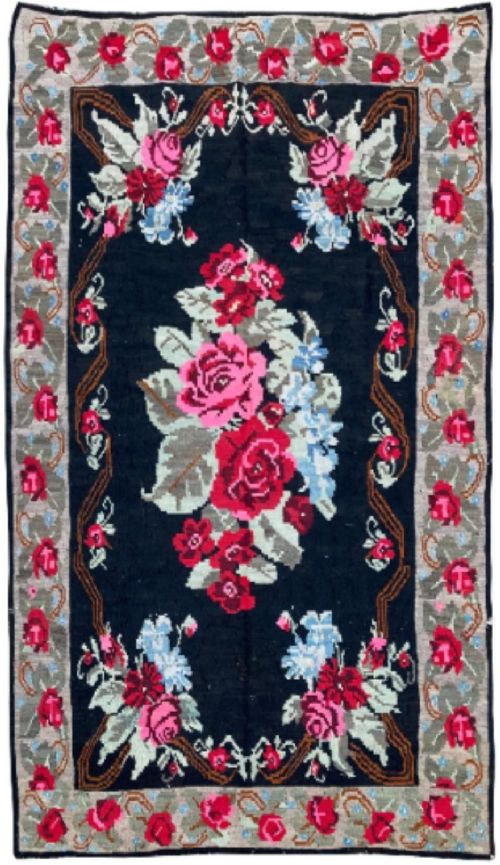
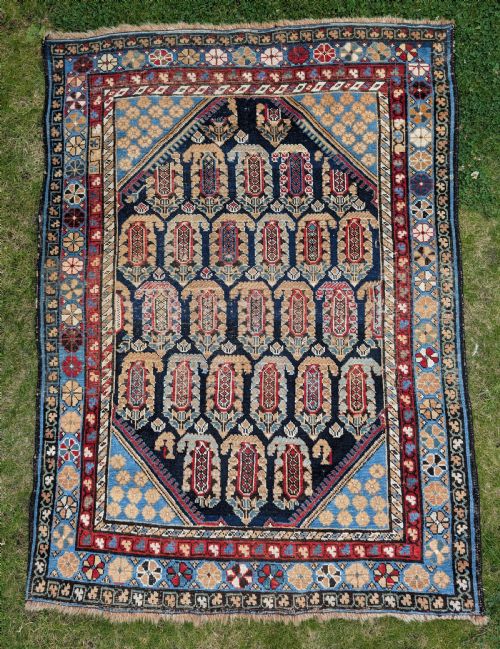
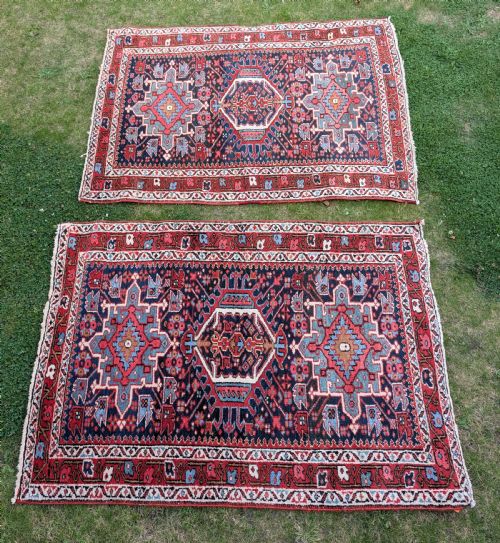
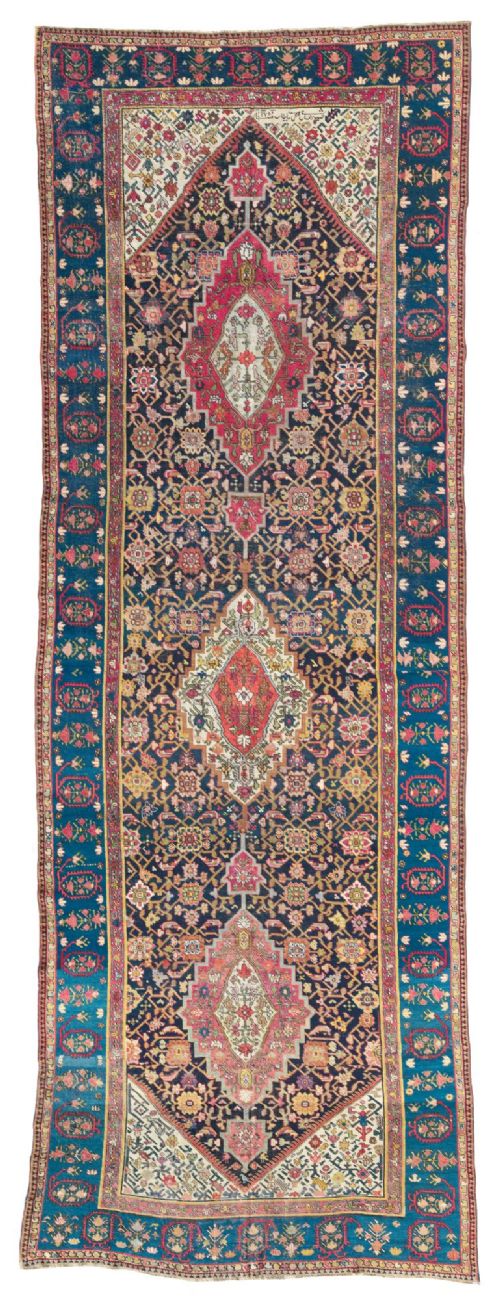
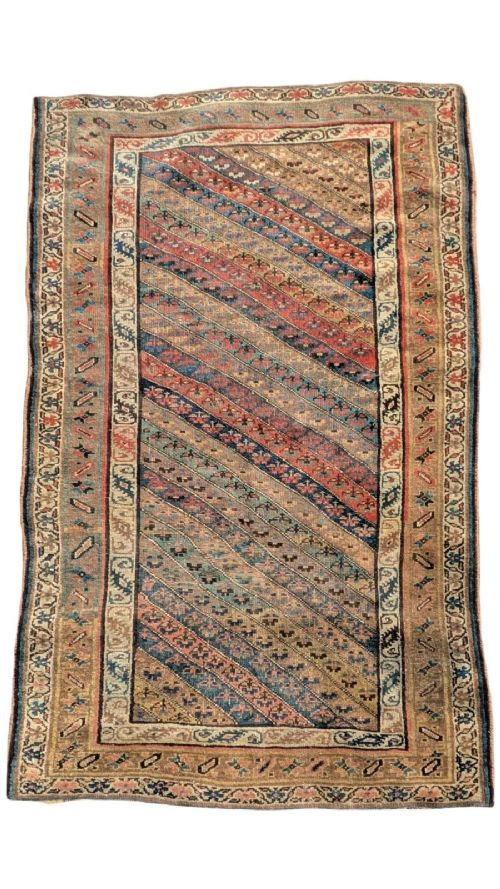
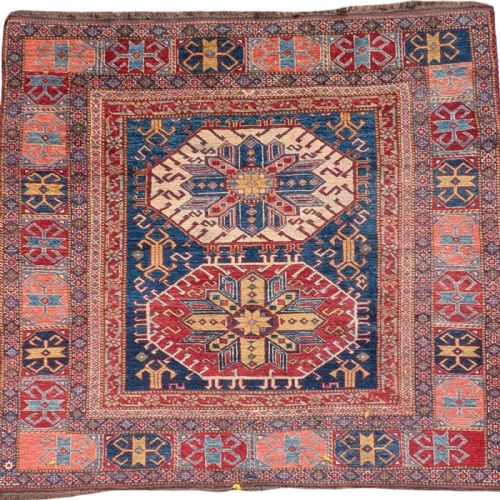
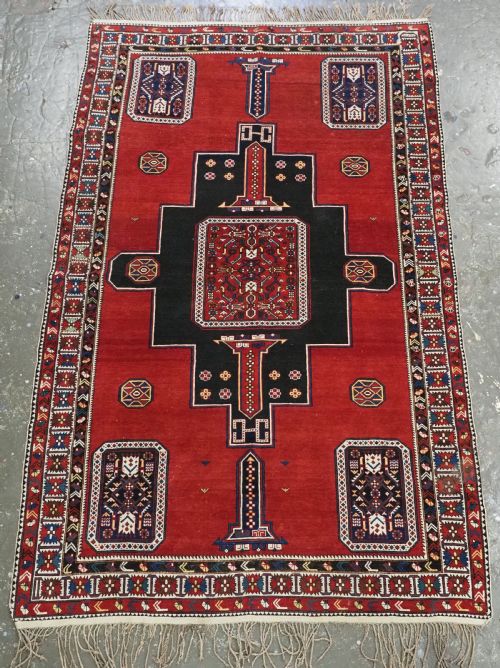
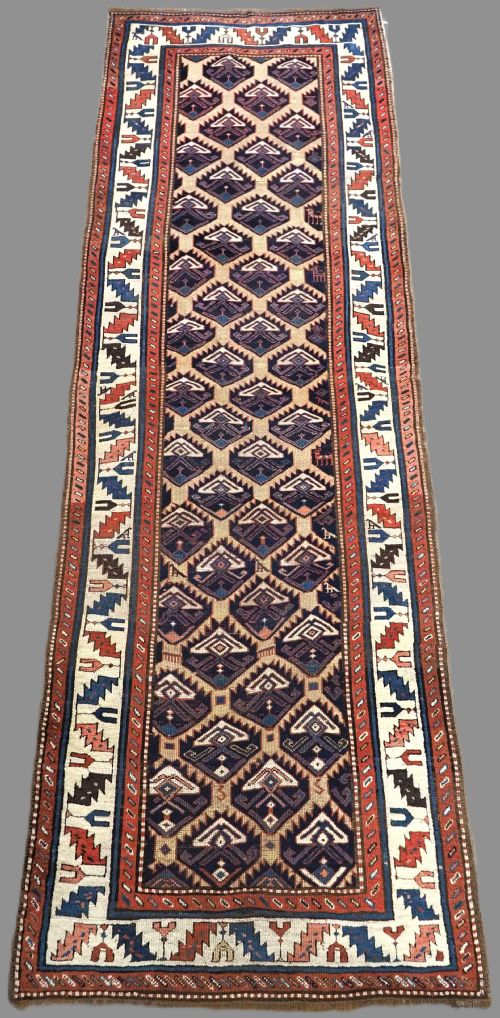
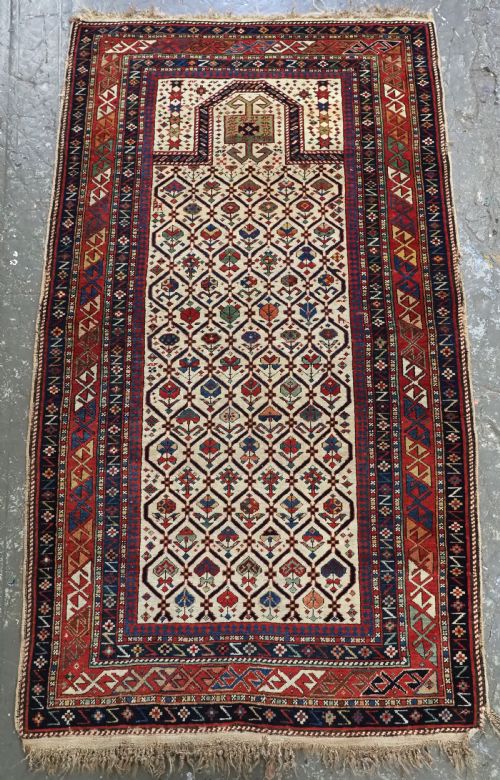
When searching for a caucasian wool carpet, buyers encounter woven floor coverings originating from the Caucasus region alongside related tribal pieces from Persia. These textiles span periods from the mid nineteenth century through to the early twentieth century, encompassing formats such as small mats, long runners, prayer rugs and larger carpets. The selection on this page relies heavily on traditional village and tribal weaving traditions.
The most frequent examples found here include Kazak, Shirvan, Karabagh, Daghestan and Kuba rugs, alongside Kurdish and Karaja variants. These pieces typically display distinctive geometric medallions, latch-hooks, repeating lattices or tribal motifs rather than flowing curvilinear court designs. Formats range from compact square proportions to extended hallway runners.
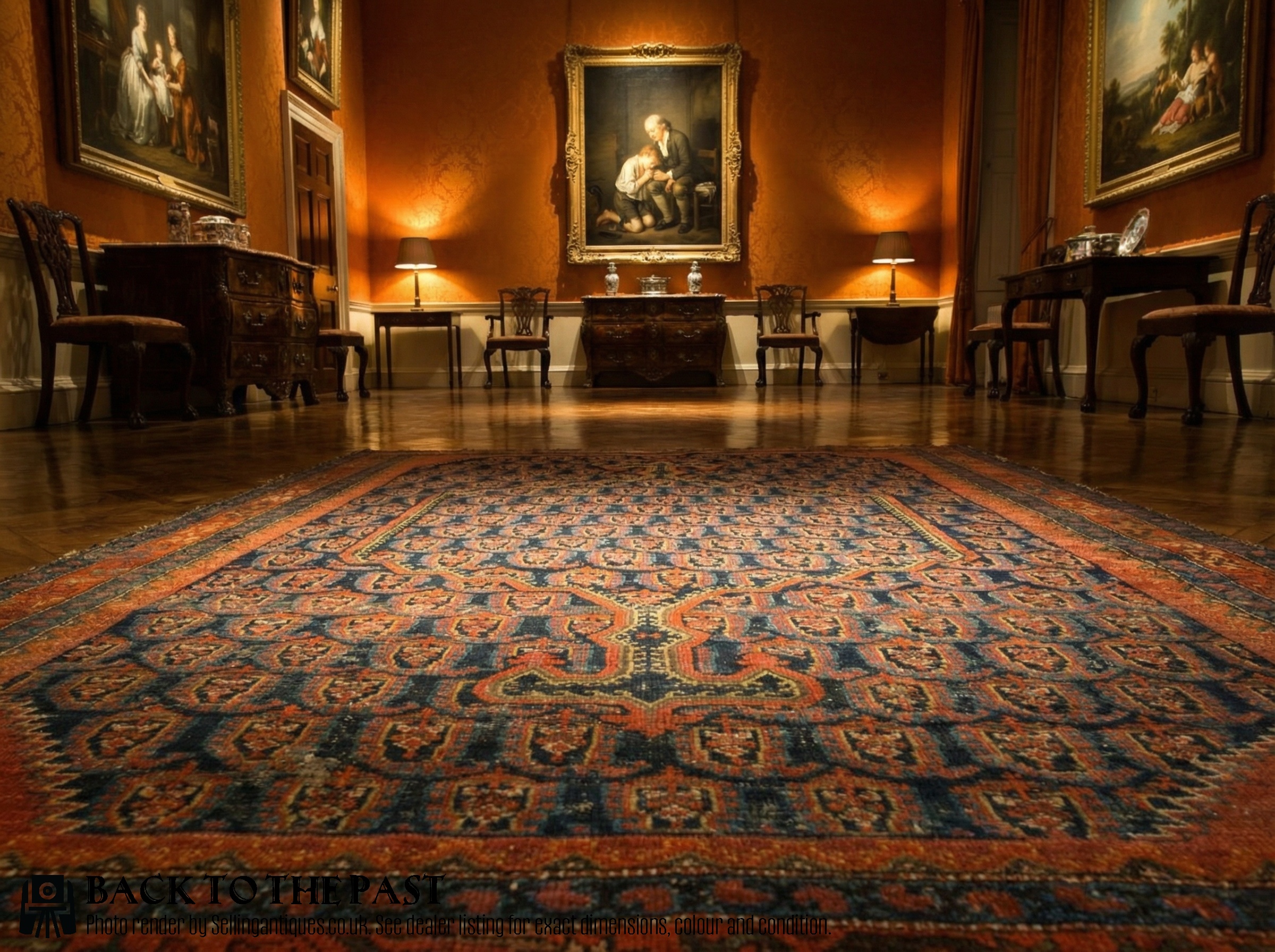
How they were made
These textiles are constructed primarily using wool for both the pile and the foundational warps and wefts, occasionally utilising cotton for structural support in later or specific regional examples. The wool is frequently hand-spun, giving the yarn a varied texture and an ability to absorb colour unevenly in ways that create subtle tonal shifts across the surface. Flatwoven formats such as kilims and sumaks employ different interlacing techniques without a raised pile.
Makers utilised natural dyes derived from plants and minerals to colour the wool, yielding saturated hues of red, blue, indigo and yellow that mature gracefully over decades. The knotting and weaving methods reflect localized domestic production rather than centralized factory manufacturing, resulting in slight irregularities in symmetry and line that evidence human handwork.
Caucasian Wool Carpet Retail Price Guide 2026
Typical asking prices for caucasian wool carpet among the pieces listed under this phrase on Sellingantiques today, from the lower quarter to the upper quarter. They describe what is for sale here now, not the wider market.
The listings span production dates from 1850 through to 1930, capturing nineteenth-century village weaving alongside early twentieth-century tribal work.
What varies in quality
Quality in these carpets rests on the tightness and consistency of the weave, which dictates how sharply defined the geometric motifs appear. Finer knots per square inch and securely packed foundations allow the rug to withstand centuries of foot traffic while retaining structural integrity.
The choice of dyestuffs and the depth of the wool pile also separate finer examples from simpler village work. Superior pieces display vibrant, harmonious colour palettes achieved through skilled natural dyeing, where age mellows the tones into a rich patina rather than dulling them.
The Caucasian Wool Carpet Glossary
- Kazak
- A type of rug woven in the southern Caucasus region, known for bold geometric medallions, saturated primary colours, and generous wool pile. These pieces often incorporate rectilinear animal and star motifs.
- Shirvan
- A textile originating from the eastern Caucasus, typically characterised by finer knotting, intricate lattice patterns, and narrower formats such as runners and prayer rugs. The palette often relies on crisp blues and ivories.
- Karabagh
- A carpet style from the southern Caucasus region, frequently featuring larger floral designs, bird motifs, or rich red and deep brown fields influenced by neighbouring Persian aesthetics.
- Sumak
- A flatweave technique where supplementary decorative weft threads are wrapped around the warp threads to create a textured, durable surface without a cut pile. Dragon sumaks are notable historic examples of this method.
- Kelleh
- A large, extended format of carpet, traditionally used in Persian and Caucasian interiors as a long room-divider or bedside covering. These pieces provide substantial length while maintaining narrow proportions.
Caucasian Wool Carpet: Frequently Asked Questions
Where were caucasian wool carpets made?
These carpets originate from the Caucasus region situated between the Black Sea and the Caspian Sea, encompassing historic areas such as Shirvan, Kazak, Karabagh, Daghestan and Kuba. Village weavers and nomadic tribes produced them in domestic settings.
Production also extended into neighbouring northern Persian districts where tribal groups shared similar weaving traditions and design repertoires.
How do I care for an antique wool carpet?
Regular gentle vacuuming without a beater bar prevents dust accumulation in the wool pile. Professional cleaning by specialists in antique textiles is essential to preserve natural dyes and prevent fibre damage.
Keeping the rug out of direct, harsh sunlight protects the natural dyes from fading unevenly over time.
What is the difference between a Kazak and a Shirvan rug?
Kazak rugs generally feature larger, bolder geometric medallions, thicker wool pile, and highly saturated primary colours like strong reds and blues. They tend to have a robust, rustic presence.
Shirvan rugs typically display finer knotting, more delicate lattice patterns, and a slightly more restrained palette with frequent use of ivory and soft blues.
Are these carpets made with natural dyes?
The majority of pieces from the nineteenth and early twentieth centuries rely on natural dye sources derived from plants, roots and insects. These colorants produce rich, complex tones that age with a distinctive patina.
Later examples from the twentieth century may incorporate early synthetic dyes, which alter how the colours soften over decades.