

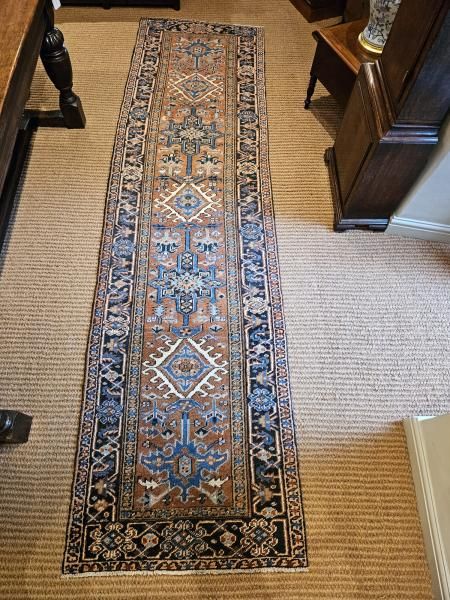
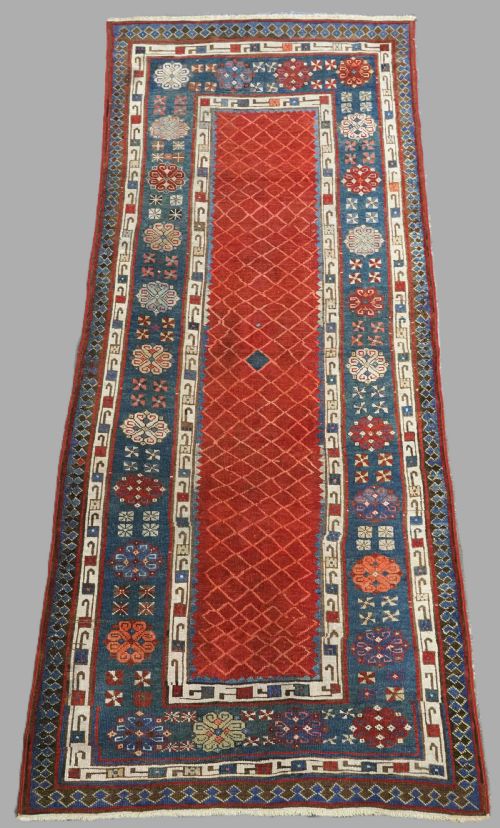
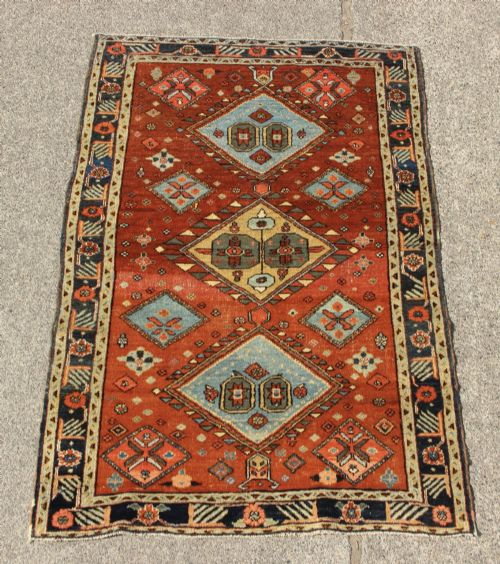
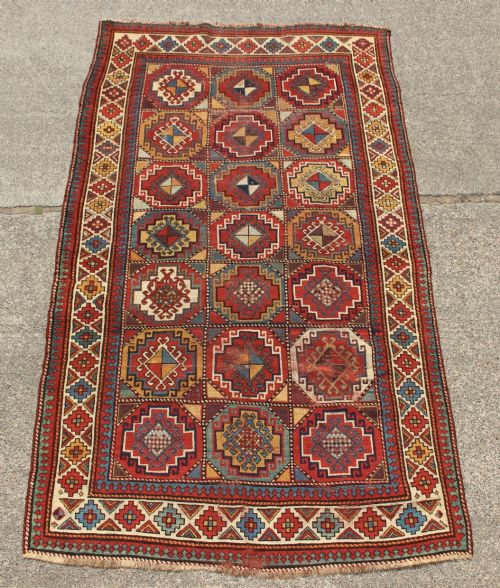
Caucasian Tribal Runner Rug
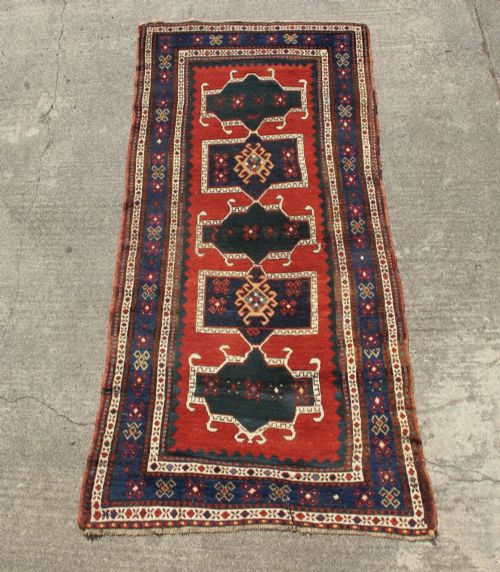
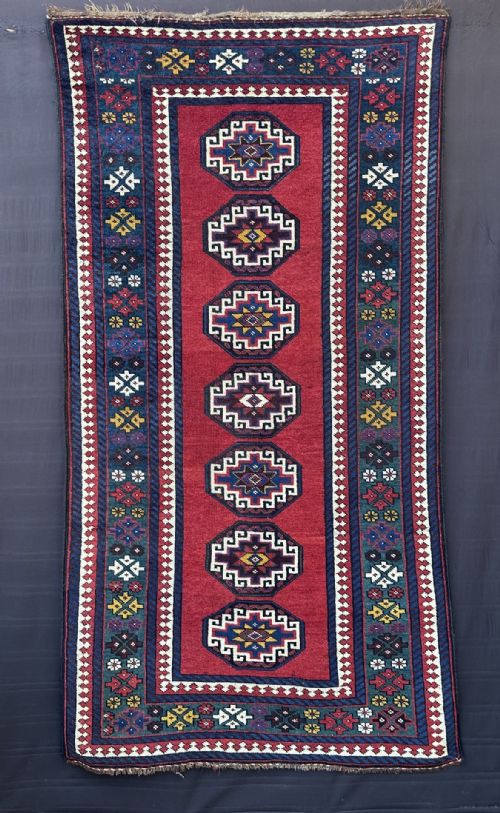
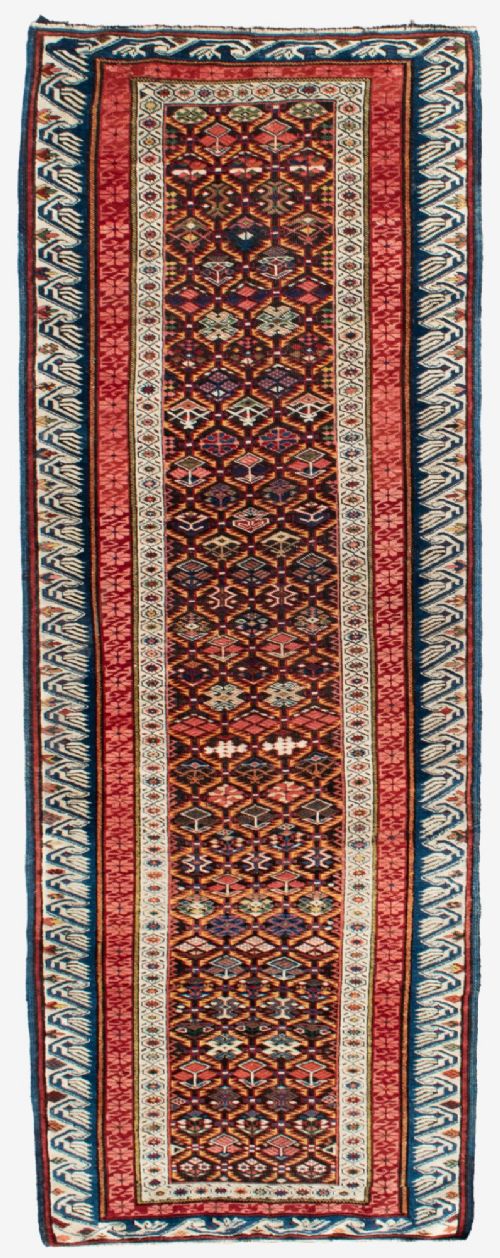
These caucasian tribal runner rug pieces are hand-knotted floor coverings from the Caucasus region that bring geometric patterns and saturated pigments into long hallways.
Caucasian Tribal Runner Rug
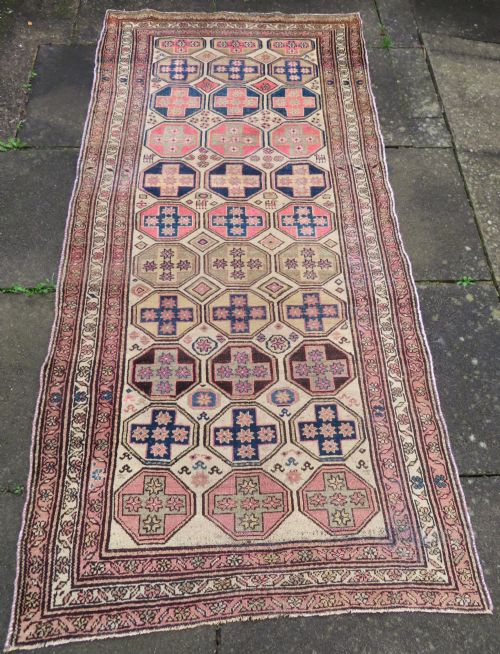
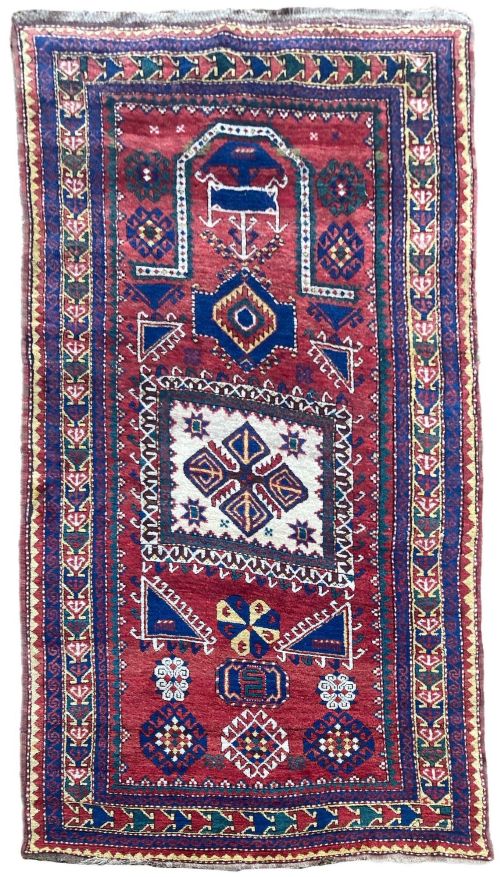
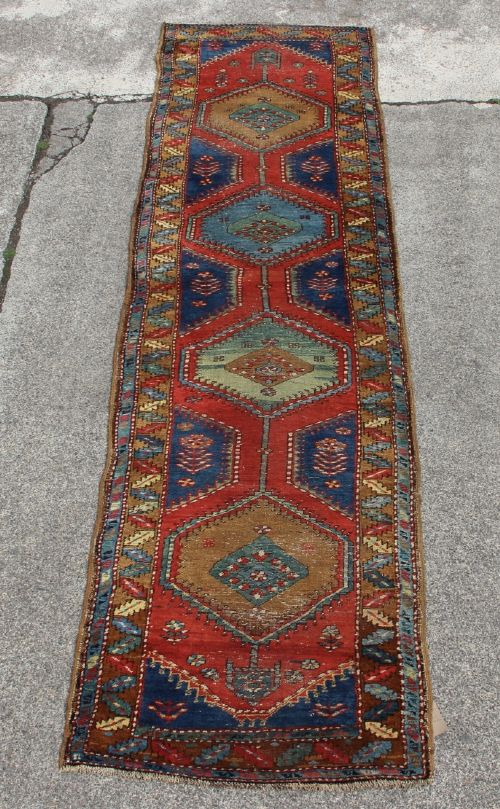
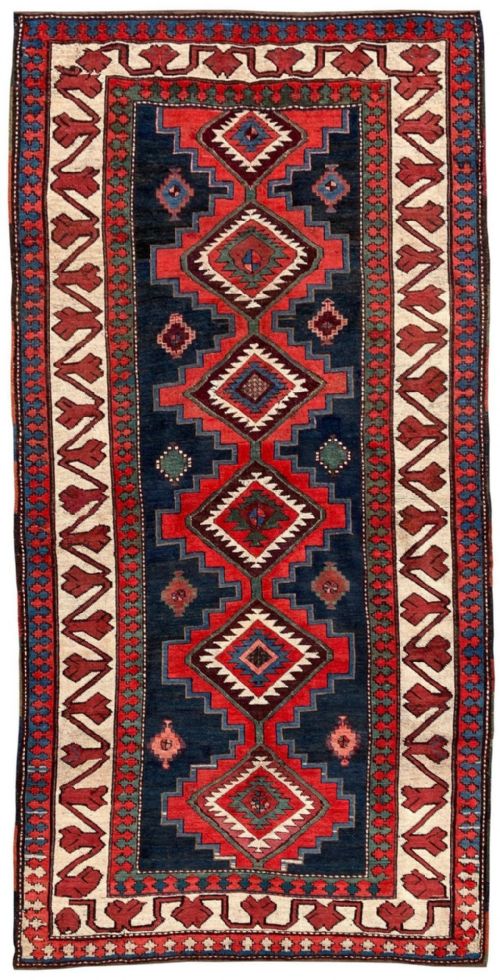
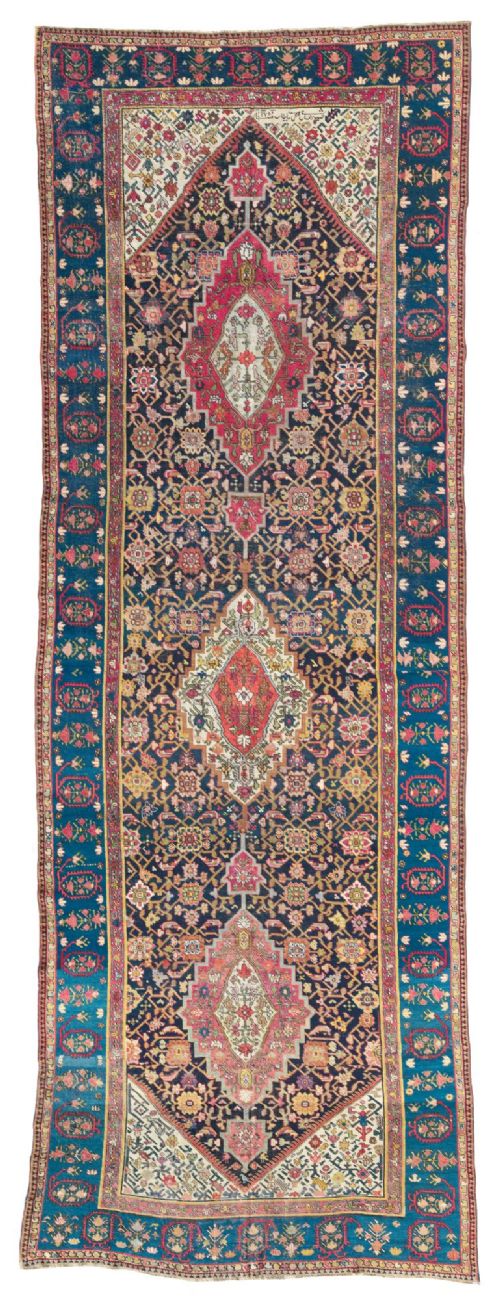
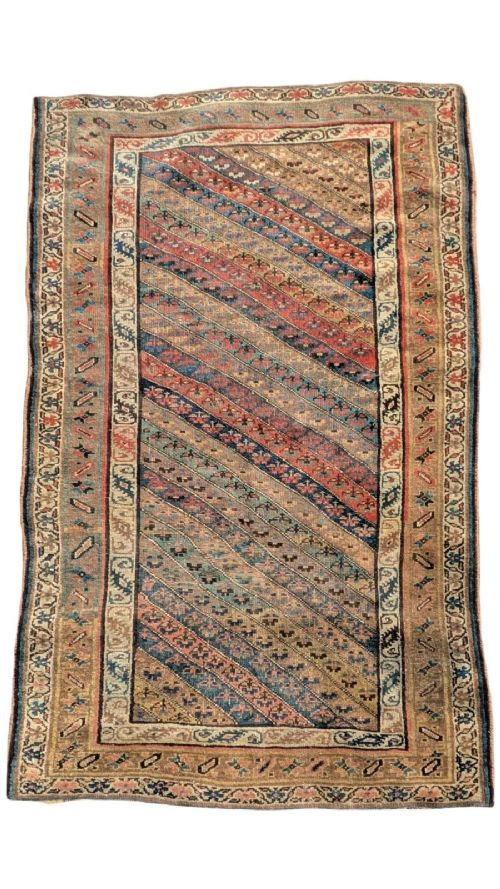
A caucasian tribal runner rug brings together long, narrow formats and geometric motifs from nineteenth and early twentieth century weaving traditions. These textiles originate from mountainous regions and nomadic groups, serving both practical flooring and decorative purposes in domestic spaces.
The pieces on this page span several decades from the late nineteenth century into the early twentieth century. Common formats include narrow runners and long rugs produced by various tribes and villages across the Caucasus.
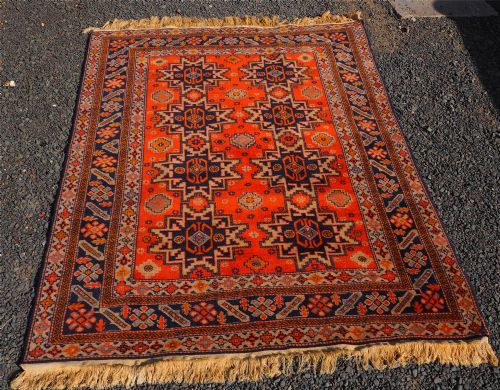
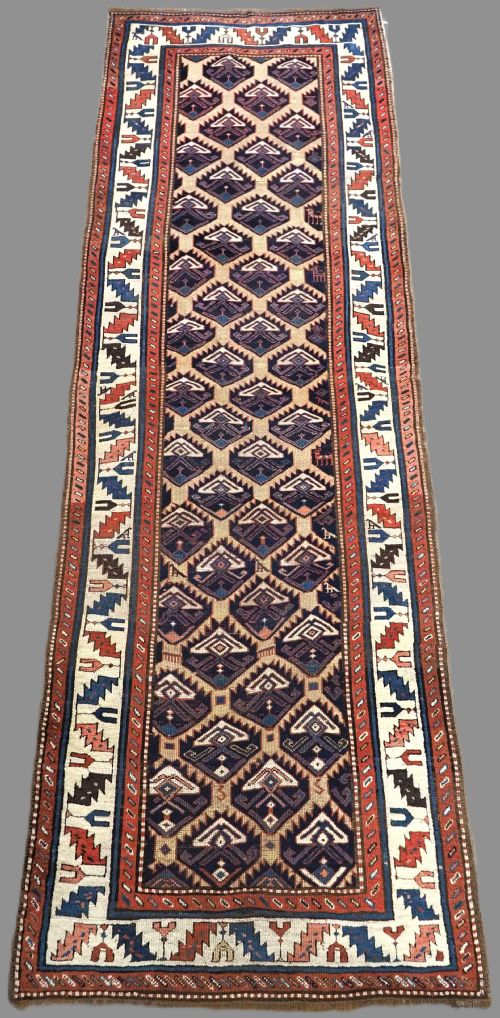
Makers utilised traditional designs featuring lattice patterns, animal motifs, and regional stars such as those associated with Lezghi traditions. Each piece reflects the specific visual vocabulary of its originating district.
Materials and construction methods
The physical structure relies heavily on wool and hand-spun wool, often paired with cotton foundations in specific regional types. This natural fibre combination provides the durability required for hallway placement and heavy foot traffic.
Weavers employed natural dyes to achieve the distinct colour palettes seen across these nineteenth and early twentieth century examples. Hand-knotting techniques secure the pile firmly to the warp and weft threads, creating a dense and resilient textile surface.
Some runners display delightfully crooked geometries from weavers working without rigid graph paper templates.
Judging quality and character
Quality in a caucasian tribal runner rug rests upon the crispness of the geometric drawing and the saturation of the natural dyes. Superior examples display precise knotting density and harmonious colour interactions that remain vibrant across the length of the runner.
The handling of traditional motifs, from lattice work to animal figures, separates standard village production from more expressive weaving. Structural integrity and evenly balanced proportions further distinguish the finer pieces encountered in this category.
Fachralo Kazak·Moghan Kazak·Seychor·Shahsavan·Talish
The Caucasian Tribal Runner Rug Glossary
- Runner
- A long, narrow carpet format designed specifically for hallways, corridors, and narrow passageways. These pieces measure significantly longer than they are wide.
- Natural Dyes
- Colourants derived from plant and mineral sources rather than synthetic chemical processes. They produce rich, variable tones that age gracefully over decades.
- Kazak
- A designated style of robust village rug originating from the southern Caucasus. These textiles typically feature bold geometric medallions and primary colour schemes.
- Shirvan
- A classification for rugs woven in the eastern Caucasus region. They are known for finely detailed lattice designs and balanced, controlled compositions.
- Kelleh
- A large format carpet or long rug proportioned with an extended rectangular shape. This traditional size served specific room layouts in historic domestic interiors.
Caucasian Tribal Runner Rug: Frequently Asked Questions
Where should I place a runner rug?
These narrow formats work best in hallways, corridors, and entryways where floor coverage needs to follow a linear path.
Their elongated proportions also suit narrow kitchen spaces and bedside placement.
How do I clean an antique runner?
Gentle surface brushing and professional antique textile cleaning methods help preserve the delicate wool pile and natural dyes.
Avoid harsh chemical treatments and aggressive mechanical scrubbing to maintain the structural integrity.
What periods do these rugs cover?
The inventory spans the nineteenth century through the early twentieth century, including pieces from the 1870s, 1880s, 1890s, and 1900s.
Each decade displays distinct shifts in regional colour palettes and wool preparation.
Are natural dyes easy to identify?
Natural dyes present subtle tonal variations within individual strands of wool, often referred to asabrash.
These plant and mineral colourants develop a rich patina over long periods of exposure and gentle wear.