
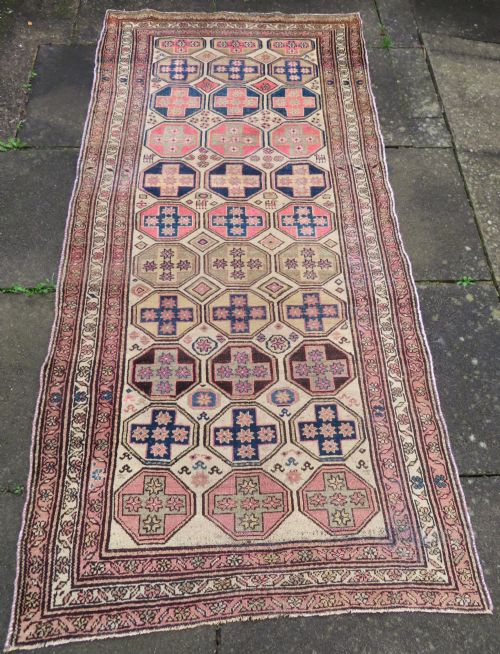
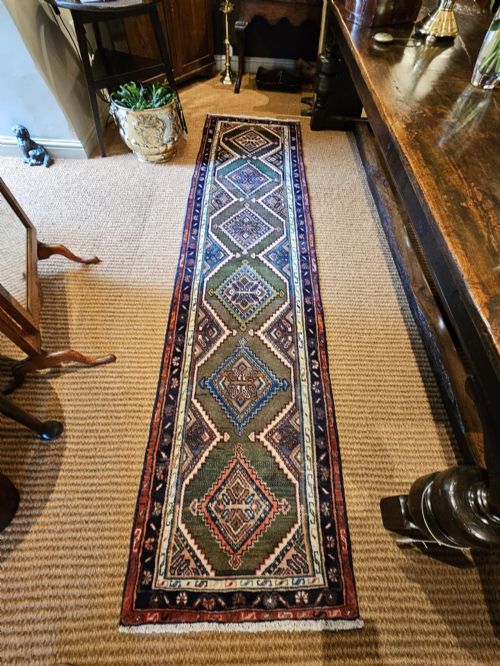
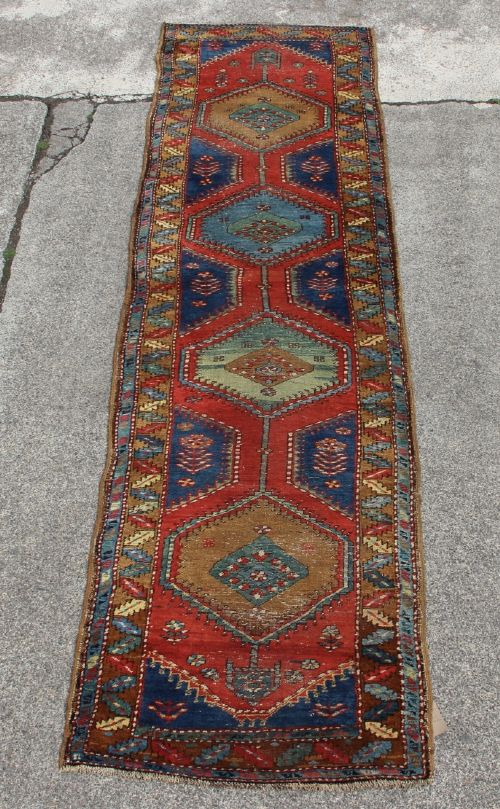

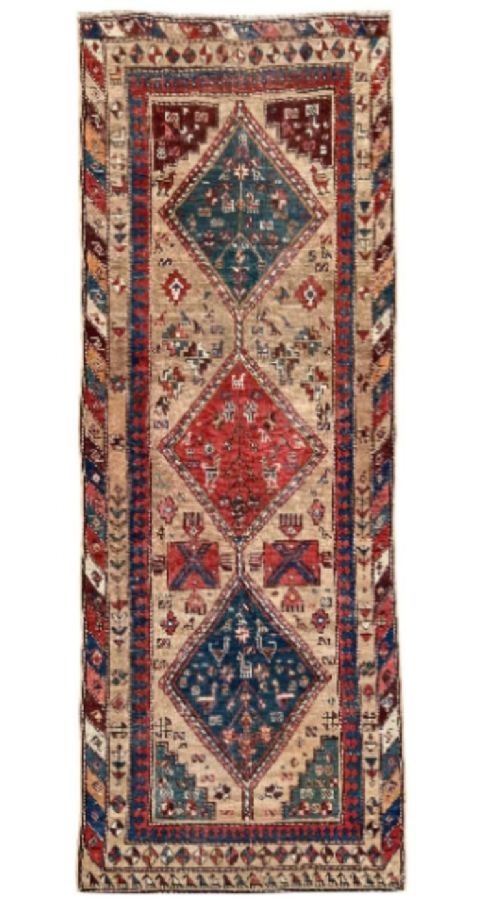
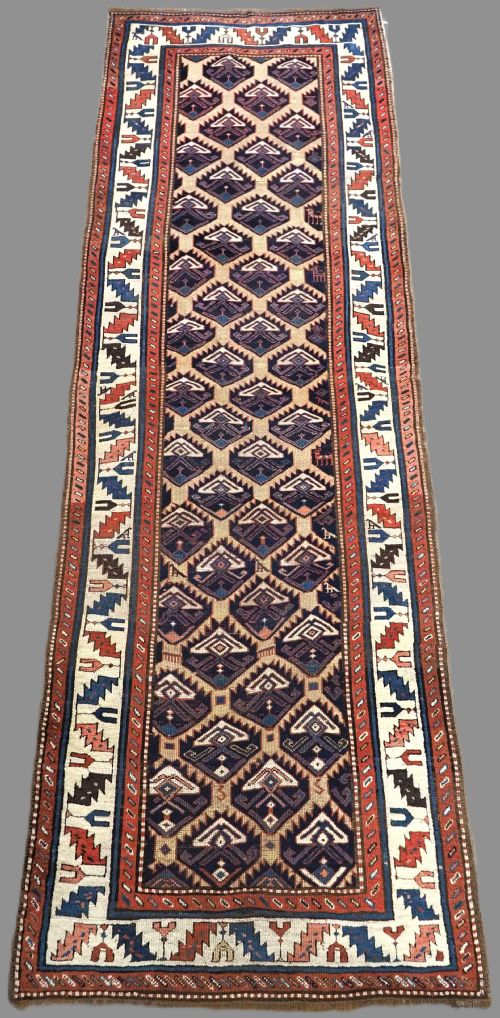
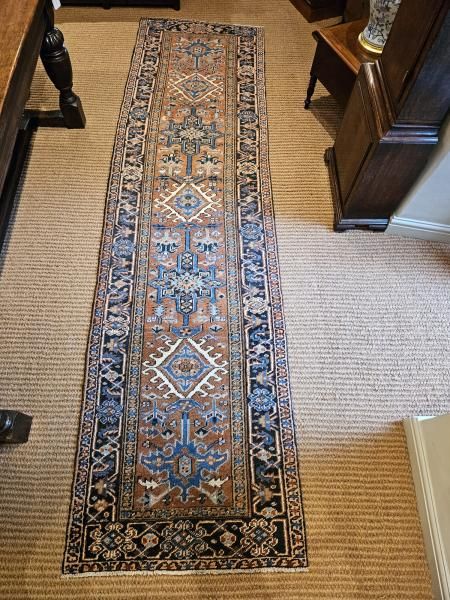
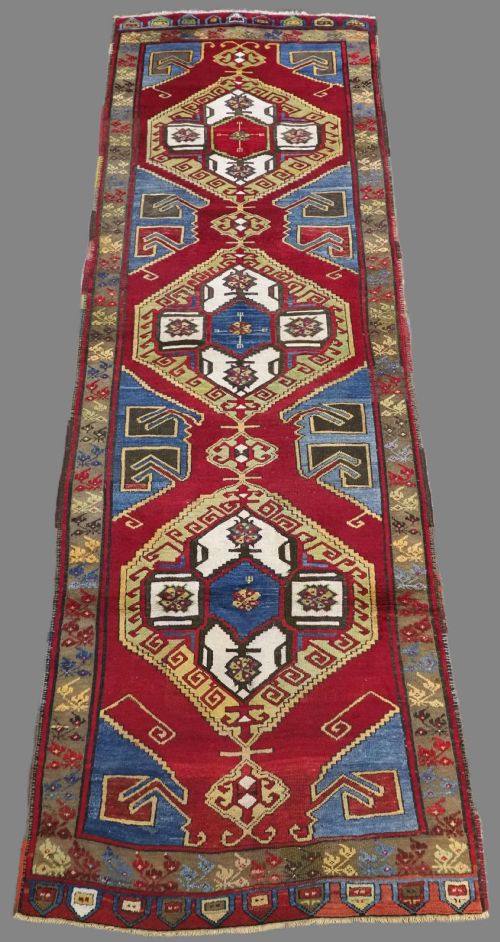
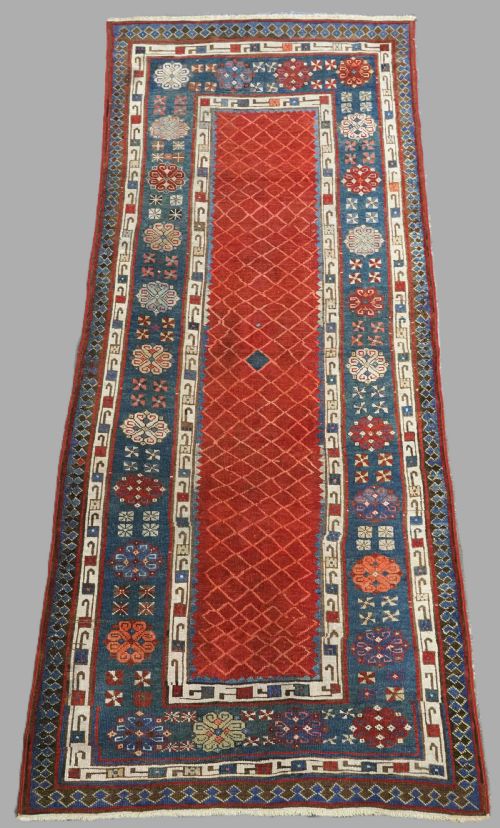
Tribal Hallway Runner Rug
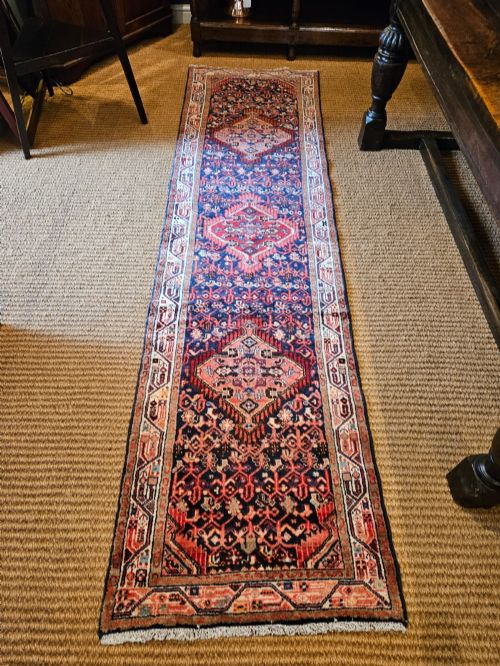
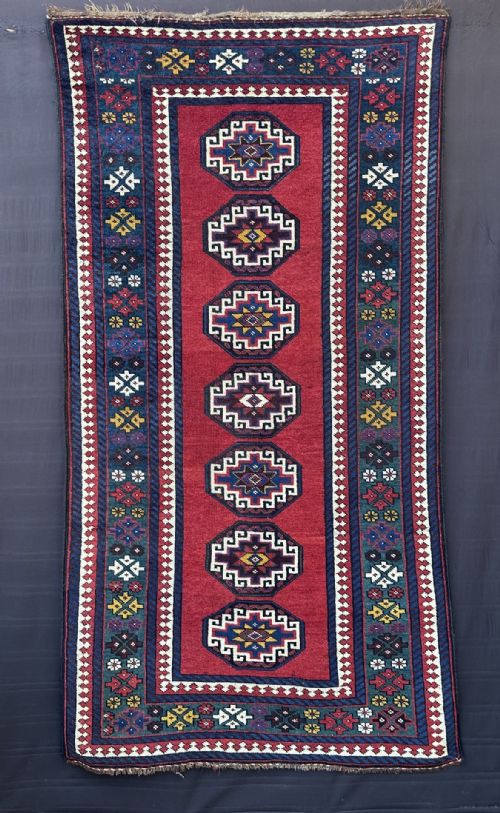
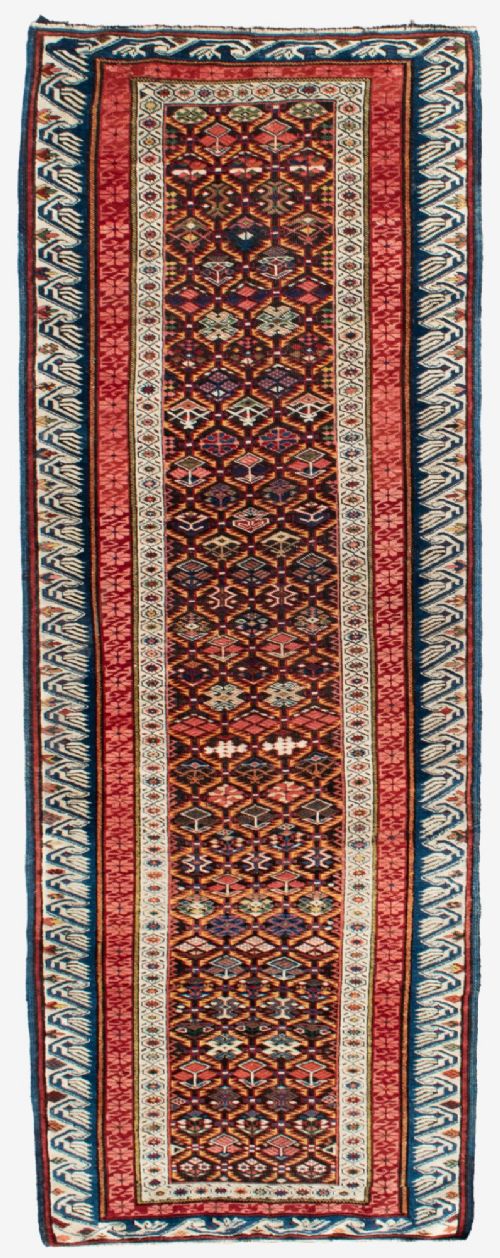
When you search for a tribal hallway runner rug, you are looking at narrow, long woven floor coverings that bring genuine character and warmth to corridors.
Tribal Hallway Runner Rug
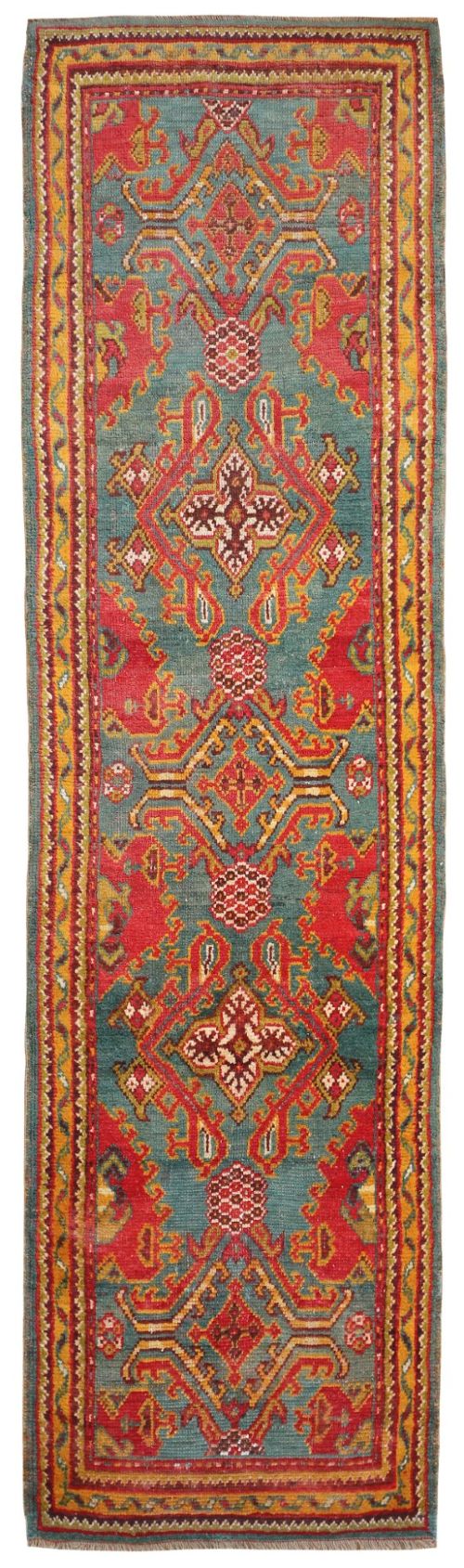
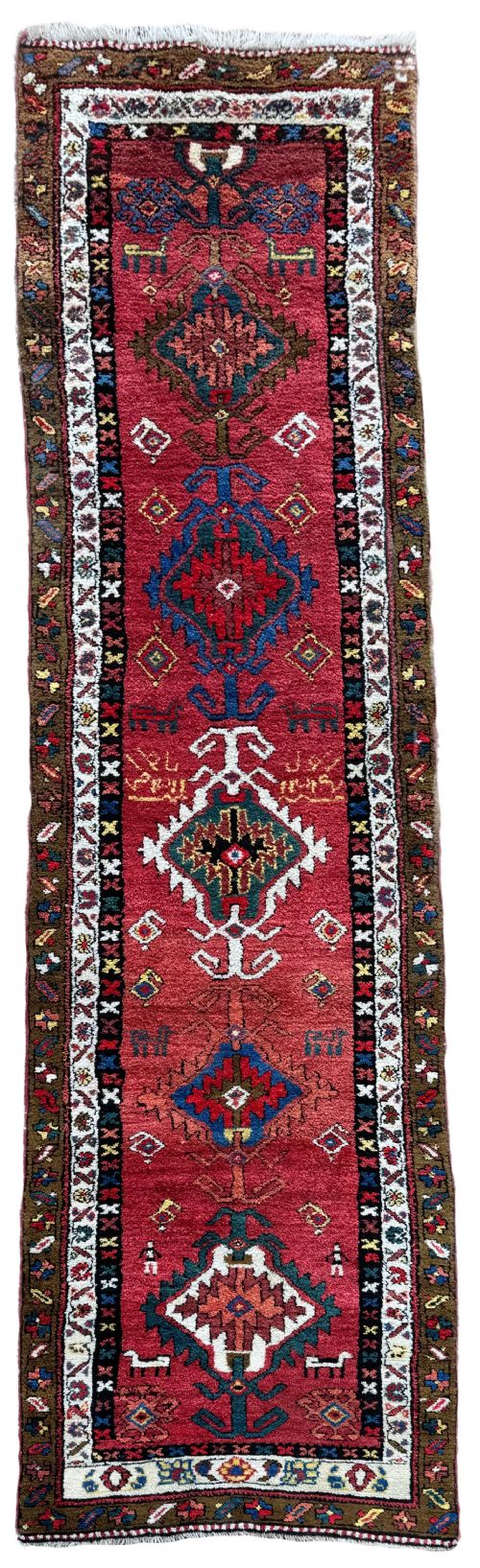
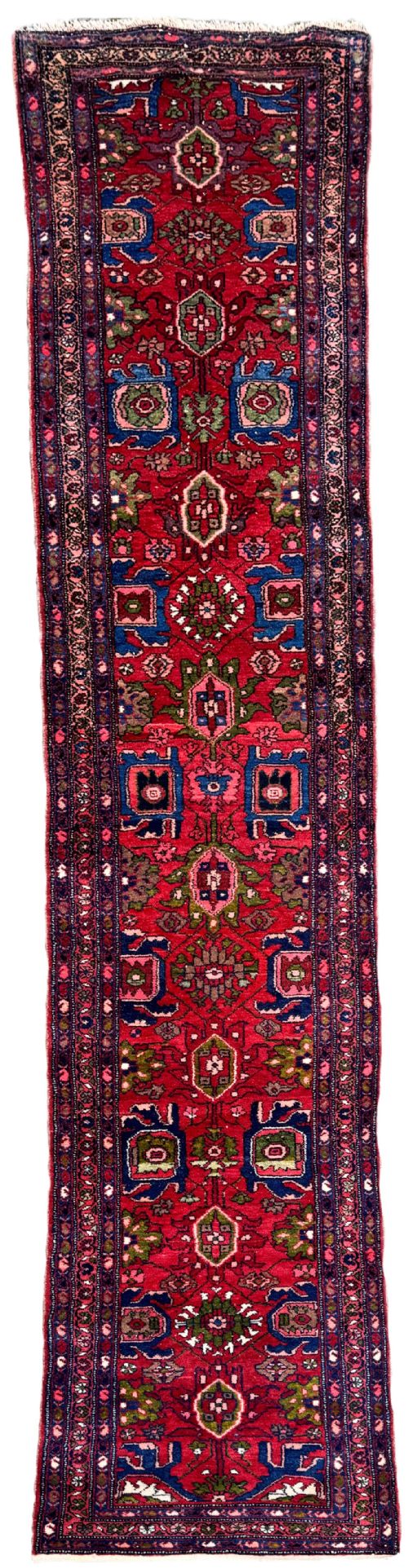
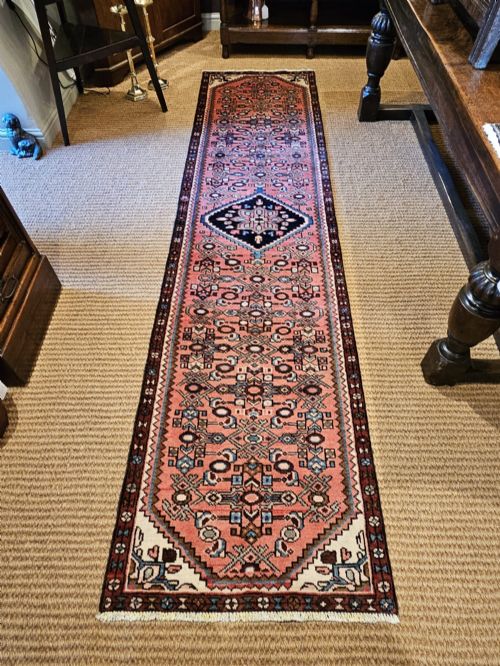
A tribal hallway runner rug brings distinctive regional patterns and narrow proportions suited for corridors and long spaces. These pieces emerge from traditions across Persian, Caucasian, Anatolian, and Kurdish workshops, spanning the nineteenth century through the early twentieth century.
The selection ranges from compact lengths to substantial thirty-two-foot hall and landing runners. Forms include runner rugs, long rugs, and traditional floor coverings woven in villages and tribal camps rather than urban manufactories.
How they were made
Weavers constructed these long rugs using natural materials, predominantly wool for the pile and foundation, alongside cotton in specific pieces. Handweaving techniques produced dense, durable surfaces designed to withstand heavy foot traffic in domestic hallways.
Natural dye traditions supplied the deep background colours and contrasting motifs seen across the regional styles. The combination of handspun wool and traditional knotting creates the resilient structure characteristic of these antique runners.
Periods represented span from the nineteenth century up to nineteen-sixty.
What varies in quality
The fineness of the weave and the complexity of the geometric or floral motifs distinguish individual examples. Tightly packed wool knots and precise execution of traditional designs reflect the weaver's skill.
The integrity of the foundation and the preservation of the original edges and ends dictate the structural condition. Patina and even wear indicate age and authenticity rather than diminished worth.
The Tribal Hallway Runner Rug Glossary
- Runner
- A long, narrow carpet specifically proportioned for hallways, corridors, and stairs.
- Pile
- The raised surface of the rug formed by the ends of knotted yarn standing upright.
- Warp
- The stationary vertical threads stretched on the loom that form the structural foundation.
- Weft
- The horizontal threads passed through the warp threads to hold the knots in place.
Tribal Hallway Runner Rug: Frequently Asked Questions
Where do these hallway runners originate?
These pieces originate from traditional weaving regions including Persia, the Caucasus, and Anatolia. Tribal groups and village weavers produced them for local use and export.
Specific styles reflect the distinct geometric and floral design vocabularies of workshops in areas such as Heriz, Kurdish territories, and Shirvan.
What periods do the runners date from?
The available pieces primarily date from the nineteenth century through the early decades of the twentieth century. Examples span from the eighteen-sixties up to nineteen-sixty.
Most items represent late nineteenth-century and early twentieth-century village weaving traditions.
What materials are used in their construction?
The pieces are constructed predominantly from wool, with cotton also appearing in the foundation or pile. Handspun wool provides the durable surface required for hallway use.
Natural dyes supplied the distinctive palette found in these traditional rugs.
How do I choose the right size?
Measure your hallway carefully, leaving a border of exposed flooring around the perimeter of the rug. Consider both the length and width to ensure doors can clear the pile easily.
Runners vary greatly in length, from compact proportions to extended formats exceeding thirty feet.