


Catholic Wooden Carving
These catholic wooden carving pieces bring centuries of devotional artistry into the home, offering both tangible history and deep spiritual focus.
Catholic Wooden Carving
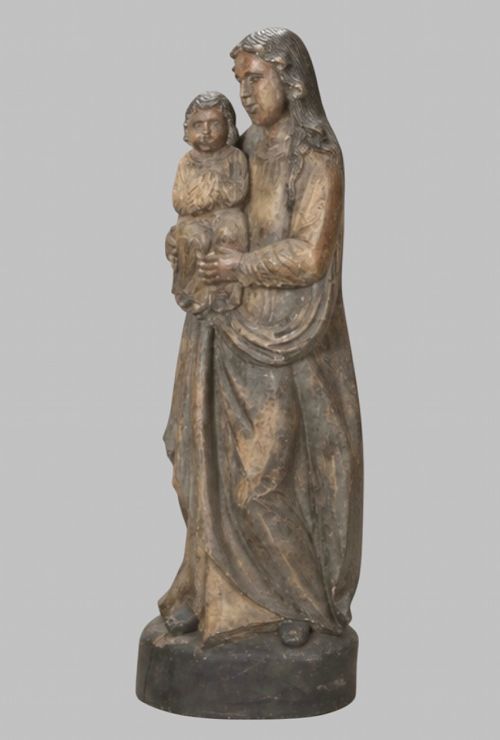
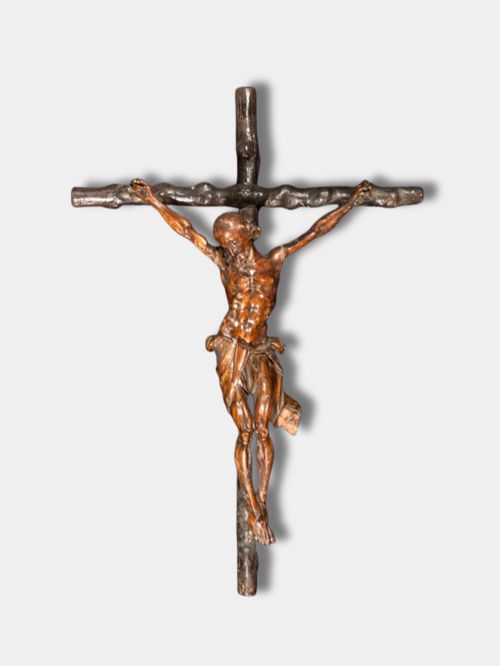
A catholic wooden carving encompasses devotional figures, crucifixes, and home altars created to inspire contemplation and prayer. When exploring this selection, buyers frequently encounter representations of the Madonna and Child, saints, and Corpus Christi figures spanning from the seventeenth century through the early twentieth century.
The objects take diverse forms, ranging from Italian folk art statues and Spanish Baroque figures to reliquary mirrors and shadowboxes. Pieces originating from continental European workshops dominate the selection, reflecting distinct regional traditions in ecclesiastical art.
Earlier examples date back to the late medieval period, while nineteenth-century Gothic Revival and folk traditions provide more accessible entries into collecting. Each format serves a specific devotional purpose, whether intended for a domestic altar or a parish church.
Materials and construction
Carvers typically utilised native hardwoods, olive wood, and rosewood, shaping the timber with chisels and gouges before applying surface decoration. Many sculptures received layers of gesso to create a smooth ground for subsequent painting and gilding.
Polychrome paint finishes brought realism and depth to the carved drapery and facial expressions of saints and figures. Artisans applied gold leaf to highlight halos, vestments, and architectural elements, adding luminous contrast to the warm timber beneath.
Saint Barbara holds a tower because her pagan father locked her in one, which naturally makes her the patron saint of architects and gunsmiths.
Judging quality in devotional pieces
The preservation of original polychrome paint and gold leaf significantly influences the character of a piece. Traces of historical surface decoration, even when weathered or worn, retain the authentic visual impact intended by the original maker.
Bohumil Kafka
The Catholic Wooden Carving Glossary
- Polychrome
- Decoration in multiple colours applied to wood or stone sculptures. This technique brought lifelike qualities to religious statues in churches and homes.
- Corpus Christi
- Latin for body of Christ, referring specifically to the sculpture of Jesus on the cross. These figures highlight anatomical detail and emotional intensity.
- Gesso
- A plaster mixture applied to wood surfaces as a base for painting or gilding. It provided a smooth and stable ground for gold leaf and pigments.
- Reliquary
- A container for holy relics, often integrated into mirrors, shadowboxes, or altars. They served as focal points for private prayer and veneration.
- Giltwood
- Wood that has been coated with thin sheets of gold leaf. This finish provided a rich, reflective surface for ecclesiastical furnishings.
Catholic Wooden Carving: Frequently Asked Questions
How do I date an antique carving?
Dating relies on examining tool marks, timber species, and stylistic traits associated with specific centuries or movements like the Gothic Revival. Comparing the wear patterns on the wood and paint layers helps establish the age.
Documentation, regional styles, and construction methods also provide reliable clues for narrowing down the period of manufacture.
Were these pieces used in homes?
Many smaller sculptures, home altars, and shadowboxes were created specifically for private domestic devotion rather than large churches. Families used them for daily prayer and to mark religious festivals within the household.
Larger figures often originated from ecclesiastical settings before finding their way into private collections over the centuries.
How should I care for polychrome wood?
Maintaining stable indoor humidity and temperature protects the timber from splitting and prevents the gesso and paint from flaking. Keeping pieces away from direct sunlight preserves the original pigments and gold leaf.
Dusting gently with a soft, dry brush is sufficient for routine maintenance, avoiding any liquid cleaners or polishes.