





Catholic Devotional Painting
Catholic devotional painting spans centuries of religious expression, offering quiet contemplation through sacred imagery.
Catholic Devotional Painting
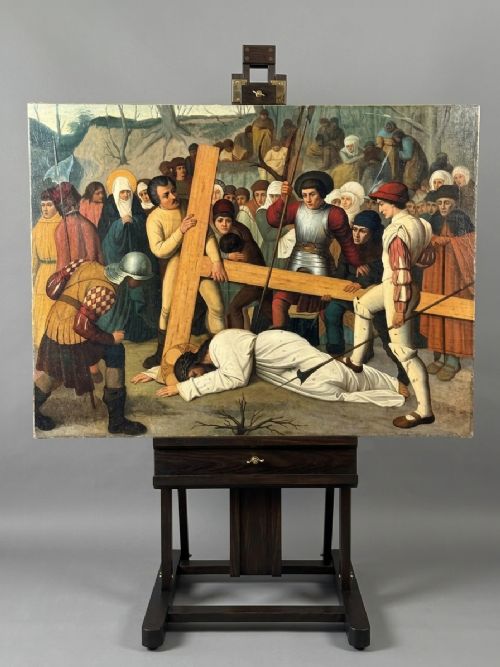
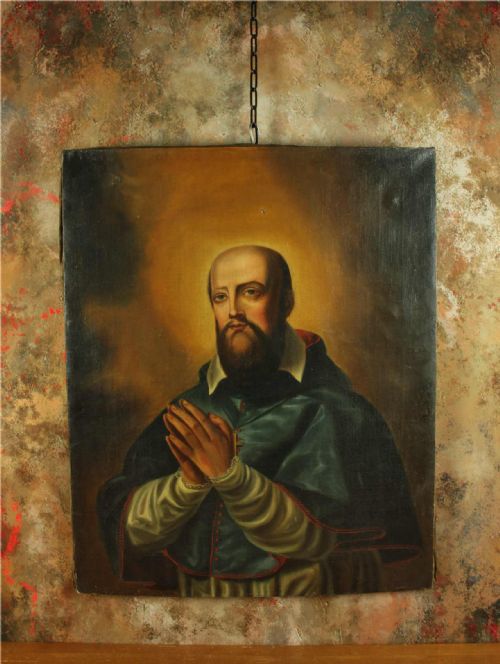
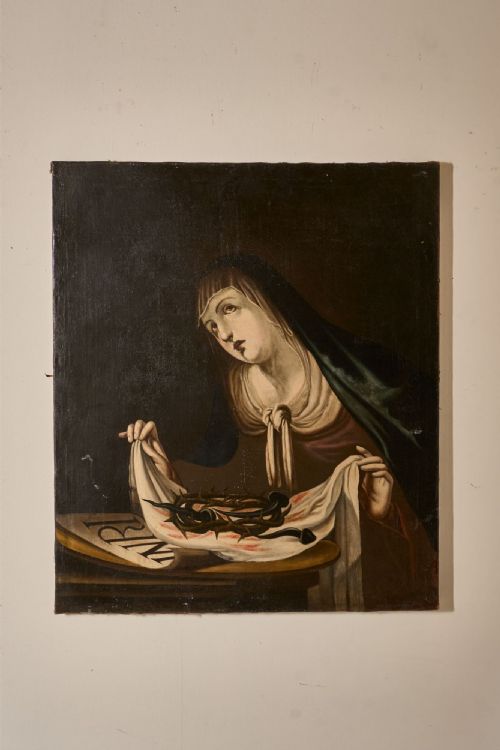
When a buyer searches for a catholic devotional painting, they encounter centuries of religious expression intended for private prayer and contemplation. These works range from intimate canvas portraits of saints to panel compositions and home altars created across Europe and colonial territories.
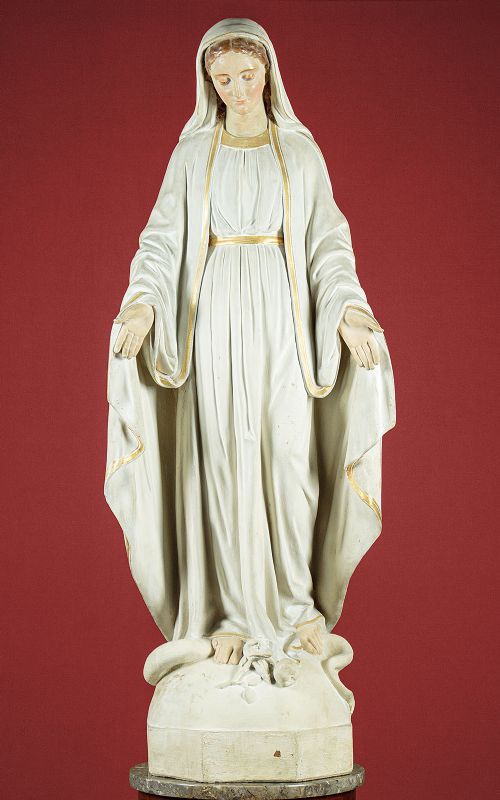
The pieces on this page draw from 16th-century Italian Renaissance traditions, 17th-century Baroque styles, and 18th- and 19th-century regional European schools. Oils on canvas and wood predominate, supplemented by carved and polychromed wooden statues, terracotta figures, and ceramic plaques.
Buyers are most likely to meet 19th-century oil paintings and revival works, alongside earlier Italian and Spanish school pieces. Smaller canvases depicting the Virgin Mary, Christ, and various saints appear frequently among the listings.
Materials and technique
Painters utilised oil paint applied to canvas and prepared wooden panels, often incorporating gold leaf to highlight sacred figures and backgrounds. Regional workshops relied on traditional priming methods, building up layers to achieve depth in drapery and flesh tones.
Sculptural devotional objects combine carved wood with polychrome paintwork and gesso. Terracotta and ceramic materials undergo shaping and firing before receiving surface colour and detail.
Framed works and home altars utilise secondary timbers for structural support, housing canvases or panels designed for domestic or chapel display.
Catholic Devotional Painting Retail Price Guide 2026
Typical asking prices for catholic devotional painting among the pieces listed under this phrase on Sellingantiques today, from the lower quarter to the upper quarter. They describe what is for sale here now, not the wider market.
Canvas and carved wood dominate the material palette, accompanied by terracotta, ceramic plaques, and gold leaf.
Judging quality
The distinction between standard decorative religious works and finer pieces rests upon the surety of the brushwork and the expressive capability of the portraiture. Master followers and regional schools demonstrate anatomical control and compositional balance that elevate the object.
Original material integrity matters significantly, including the preservation of early canvas, untouched oil layers, and authentic polychrome surfaces on carved wood and terracotta. Later repainting or structural intervention alters the visual hierarchy of the composition.
The hand of a named circle, workshop, or documented artist imparts historical weight to a piece, separating anonymous devotional items from works connected to known stylistic traditions.
Jozef Jansessens·Bernardino Luini·Costantino Frixione·Raffaello Sanzio Da Urbino·Gaspar de Figueroa·Guido Reni
The Catholic Devotional Painting Glossary
- Oil on canvas
- Pigments bound in drying oil applied to a woven fabric support. This technique allowed artists to achieve rich tonal gradations and durability.
- Polychromed
- Decorated in several colours, typically applied to carved wood or terracotta figures. This finish enhances realism and devotional impact.
- Renaissance Revival
- A 19th-century artistic movement that emulated the forms, composition, and techniques of 15th- and 16th-century masters. It informs many later religious paintings on this page.
- Home altar
- A domestic shrine or cabinet designed for private prayer, often housing sculptures, paintings, or relics. Spanish folk examples utilise painted timber.
- Circle of
- A designation used when a work originates from an unidentified artist working closely within the specific style and workshop practices of a master. It denotes proximity to a major hand.
Catholic Devotional Painting: Frequently Asked Questions
How do I identify a 17th-century painting?
Seventeenth-century works often exhibit Baroque characteristics, including dramatic lighting, deep shadows, and emotional intensity. Pigment analysis and canvas examination provide further chronological context.
Brushwork during this era tends to show fluid handling and rich layering, differing from later revival pieces.
What is a home altar?
A home altar served as a private focus for domestic prayer and devotion. These structures frequently housed small oil paintings, carved saints, or ceramic plaques.
Examples range from simple folk shrines to elaborate wooden cabinets with painted panels.
How should I care for oil on wood?
Paintings on wooden panels require stable environmental conditions to prevent the timber from warping or splitting. Keep them away from direct heat sources and dramatic humidity fluctuations.
Dust gently with a soft, dry brush and avoid applying liquid cleaners to the painted surface.
What distinguishes Spanish colonial art?
Spanish colonial pieces reflect European iconography adapted by local workshops in the Americas during the 17th century and later. They often combine traditional Catholic subjects with indigenous artistic techniques.
Palette choices and material preparation can point directly to regional American production.