





Antique Christ Portrait
These antique christ portrait pieces are devotional works spanning centuries, offering profound historical and spiritual resonance for any collector.
Antique Christ Portrait
An antique christ portrait represents sacred subjects rendered through centuries of devotional art, encompassing canvas paintings, patinated bronze busts, and gold pendants. These works emerge from diverse traditions, including Spanish Baroque, French religious art, and Northern Renaissance schools.
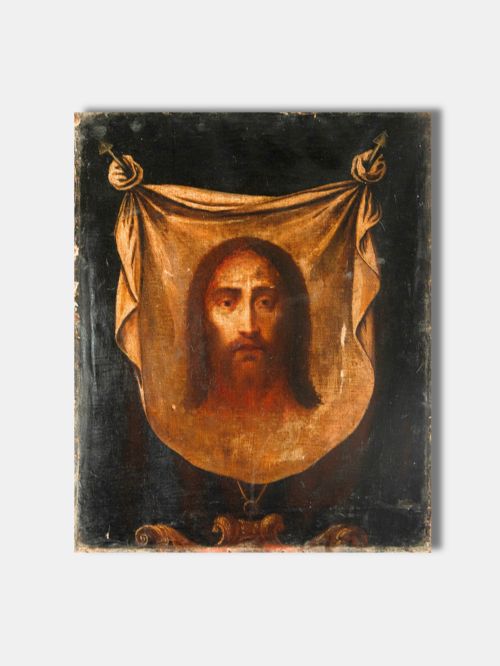
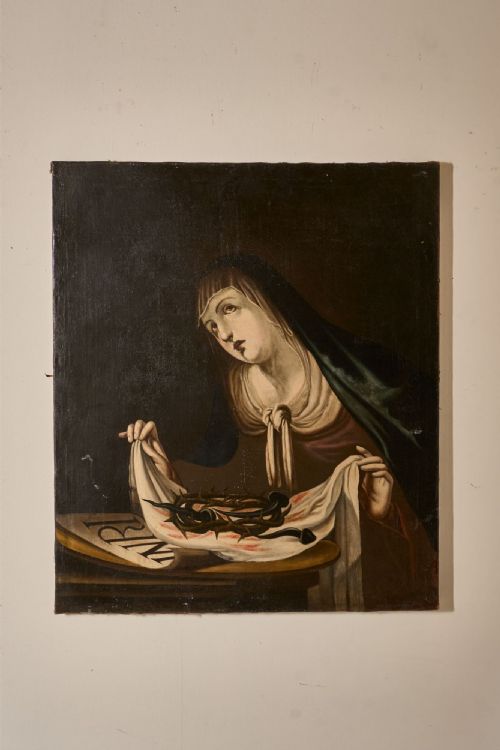
Buyers frequently encounter oil on canvas paintings depicting scenes such as the Holy Face of Jesus on Veronica's Veil or Christ Crowned with Thorns. Sculptural bronze busts and pendants also appear, reflecting the wide scope of devotional expression.
Originating from periods spanning the seventeenth to the mid-twentieth century, these pieces capture evolving religious iconography across European workshops. Central European and French schools feature prominently alongside Spanish devotional works.
How They Were Made
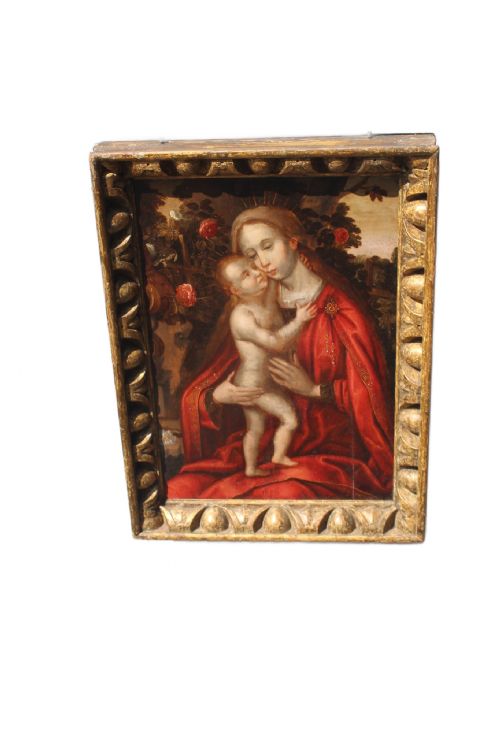
Painters utilised oil on canvas, applying pigments to woven supports to create detailed depictions of sacred figures. Frames often incorporate gilt wood and gesso, adding architectural depth to the paintings.
Sculptors cast bronze into patinated busts, capturing fine facial details and textures through traditional foundry methods. Goldsmiths fashioned smaller items like pendants from yellow gold using precision metalworking techniques.
Antique Christ Portrait Retail Price Guide 2026
Typical asking prices for christ portrait among the pieces listed under this phrase on Sellingantiques today, from the lower quarter to the upper quarter. They describe what is for sale here now, not the wider market.
A tiny gold crown of thorns charm proves that devotion can travel comfortably on a standard watch chain.
What Varies in Quality
The sophistication of brushwork and the depth of emotional expression distinguish finer paintings from simpler devotional pieces. Masterful handling of light and shadow, particularly in works referencing earlier traditions, elevates the overall artistic merit.
Sculptural quality relies on the crispness of the bronze casting and the richness of the patination. Well-executed chasing and finishing bring out subtle contours in both busts and smaller charms.
George Minne·Ambrious Benson·Guido Reni
The Antique Christ Portrait Glossary
- Patinated Bronze
- Bronze sculpture treated with chemical solutions to produce a specific surface colour and finish. This process protects the metal while enhancing visual depth.
- Gesso
- A plaster mix applied to wood panels or frames as a smooth base for gilding and painting. It provides a stable surface for intricate decorative details.
- Ex-Voto
- A votive offering presented in fulfilment of a vow, often depicting sacred figures. These pieces served as tokens of devotion or gratitude in religious settings.
- Spanish Baroque
- An artistic style characterised by intense emotion, dramatic contrast, and rich detail. Works from this tradition often focus on poignant religious narratives.
- Northern Renaissance
- The cultural and artistic movement in Europe north of the Alps, known for meticulous realism. Paintings from this school display fine attention to texture and symbolism.
Antique Christ Portrait: Frequently Asked Questions
What materials are used in antique christ portrait pieces?
These works primarily utilise oil paint on canvas supports, alongside cast bronze for sculptural busts. Finer examples may also feature gilt wood frames and yellow gold in pendant forms.
The choice of material often reflects the period and intended devotional use, ranging from portable personal charms to large altarpiece paintings.
How do I identify seventeenth-century paintings?
Seventeenth-century works often display characteristics of the Spanish Baroque or Northern Renaissance traditions. They typically employ dramatic lighting and rich oil pigments on canvas.
Examining the preparation layers, stretcher frames, and canvas weave helps confirm the age and origin of these historic religious artworks.
Where were these devotional artworks created?
The pieces originate from various European centres, with strong representations from French, Spanish, and Central European schools. Workshops in these regions produced distinct styles of religious portraiture.
Regional techniques and iconographic traditions provide clear clues regarding the geographic source of each painting or bronze.
How should I care for an oil on canvas painting?
Keep canvas artworks away from direct sunlight and fluctuating humidity to prevent pigment degradation and canvas warping. Gentle dusting with a soft, dry brush maintains the surface safely.
Avoid using liquid cleaners on both the canvas and any associated gilt wood frames to preserve the original materials.