






19th Century Ecclesiastical Art
These 19th century ecclesiastical art pieces bring devotional focus and historic ritual into modern interiors through carved wood, painted panels and prints.
19th Century Ecclesiastical Art
When you search for 19th century ecclesiastical art, you encounter sacred objects originating from churches, chapels and devotional spaces across Europe. These pieces reflect the varied liturgical requirements and aesthetic revivals of the eighteen hundreds, spanning from neoclassical restraint to exuberant baroque interpretations.
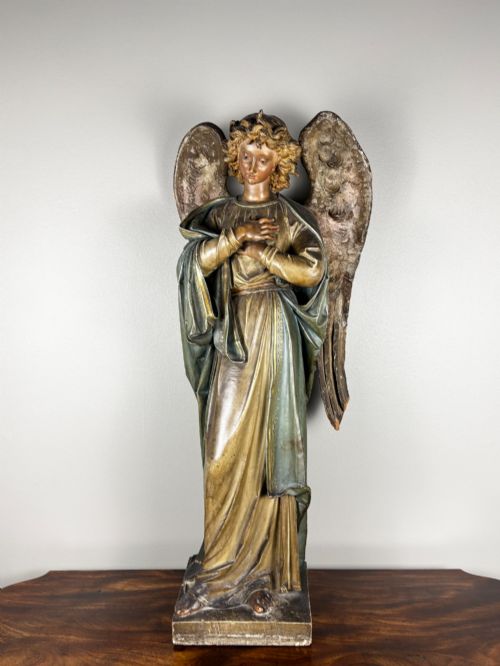
The selection here centres heavily on carved timber figures, architectural fragments and religious imagery. You are most likely to meet carved wood statues of saints and angels, alongside painted panels, architectural tracery and framed devotional prints.
Geographic origins vary widely across the inventory, moving from German folk carvings and Italian baroque figures to English architectural salvage and framed local views. Each object carries the specific material traditions and theological purpose of its regional workshop.
Materials and construction methods
Carvers utilised native and imported timbers, employing oak, pine and dense hardwoods for statues and architectural salvage. These wooden substrates were frequently finished with polychrome paint, gilded with gold leaf or left as bare carved wood to emphasise the sculptor's hand.
Flat works rely on traditional paper lithography, signed prints and oil on canvas paintings mounted on panels or stretchers. Architectural elements like church tracery panels demonstrate precise carpentry joinery designed to bear weight and span structural openings within sacred buildings.
19th Century Ecclesiastical Art Retail Price Guide 2026
Typical asking prices for 19th century ecclesiastical art among the pieces listed under this phrase on Sellingantiques today, from the lower quarter to the upper quarter. They describe what is for sale here now, not the wider market.
Angels carved by nineteenth century altarpieces occasionally sport surprisingly cheerful expressions derived from local folk traditions.
Distinguishing quality in sacred works
The standard of carving distinguishes ambitious workshop commissions from simpler folk art interpretations. Superior pieces show anatomical fluency in figures like angels and Christs, whereas simpler items rely on stylised, regional conventions of the period.
Surface preservation dictates much of the visual success in painted and gilded items. Original polychrome paint and intact gold leaf retain the intended devotional brilliance, whereas degraded finishes alter the dialogue between the viewer and the sacred subject.
The 19th Century Ecclesiastical Art Glossary
- Polychrome paint
- Decoration applied in several colours to sculpture or architectural elements. This finish was used across European workshops to render statues lifelike and devotional.
- Tracery
- Openwork stonework or timber framing forming geometric patterns in the upper part of Gothic windows or panels. It provides structural support while admitting light or dividing sacred spaces.
- Tin tabernacle
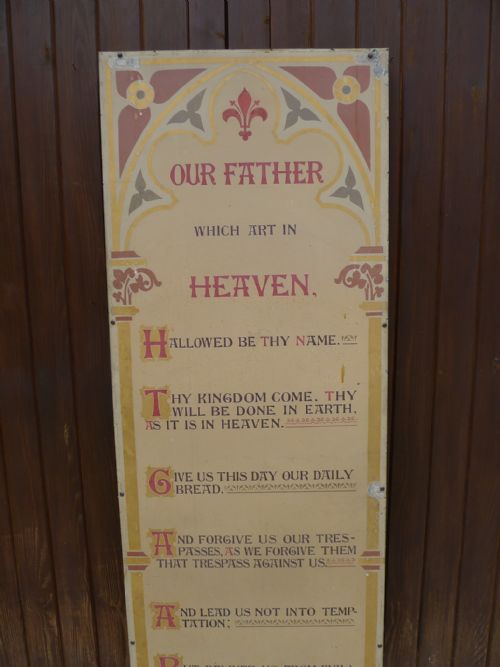
- A prefabricated corrugated iron church or chapel common in the late nineteenth century. These temporary structures housed simple congregations and often contained local illuminated texts.
- Baroque revival
- An architectural and artistic style drawing on the drama and ornamentation of the seventeenth century. Makers applied these theatrical motifs to alter angels and church furnishings.
- Lithograph
- A print made from a flat stone or metal plate prepared so that ink adheres only to the design. This technique allowed reproducible imagery of church interiors and religious scenes.
19th Century Ecclesiastical Art: Frequently Asked Questions
What is ecclesiastical art?
Ecclesiastical art encompasses visual objects created specifically for church interiors, private chapels and liturgical use. These items range from altar angels and devotional paintings to architectural fragments salvaged from religious buildings.
They served to instruct the faithful, adorn sacred spaces and facilitate prayer. Today, collectors acquire them to bring historic gravitas and sculptural presence into domestic settings.
How do I date these pieces?
Dating relies on stylistic markers, material analysis and documented origins within the nineteenth century. Gothic revival and baroque revival forms often point to specific decades of aesthetic resurgence.
Inscriptions, signatures and print publication dates provide further chronological anchors. Examining the handling of timber, pigments and paper helps confirm the period of manufacture.
Where were these items displayed?
Original locations included parish churches, cathedrals, tin tabernacles and private devotional chapels across Britain and continental Europe. Architectural salvage pieces formed part of screens, walls and altars.
Paintings and framed prints hung in vestries, transepts or domestic prayer rooms. Today, buyers mount them on interior walls or place them on furniture as focal points.
How should I care for carved wood?
Carved wood and polychrome surfaces require stable indoor humidity away from direct sunlight and heat sources. Sudden environmental changes cause timber to expand and contract, risking paint flaking.
Dust gently with a soft, dry brush without applying liquid cleaners or polishes. Preserving original finishes maintains both the historical integrity and the visual depth of the object.