


Cast Metal Sculpture
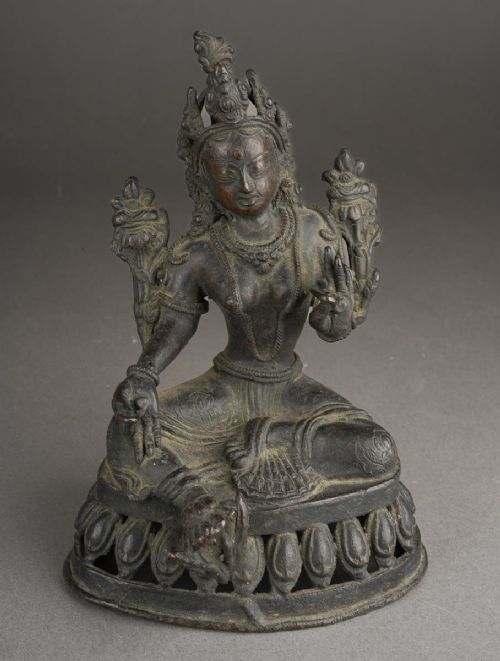
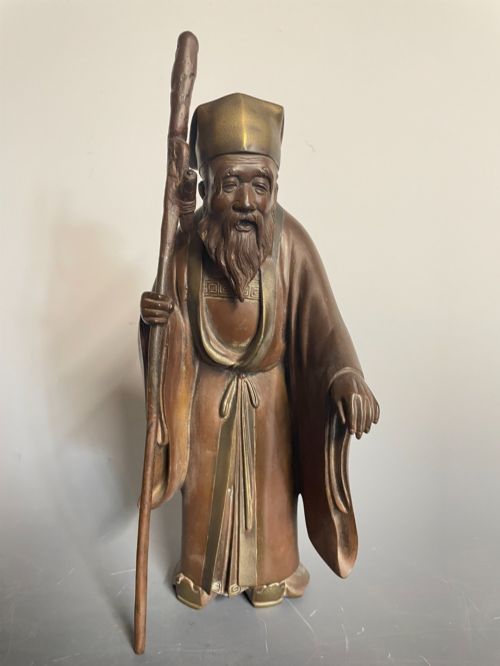
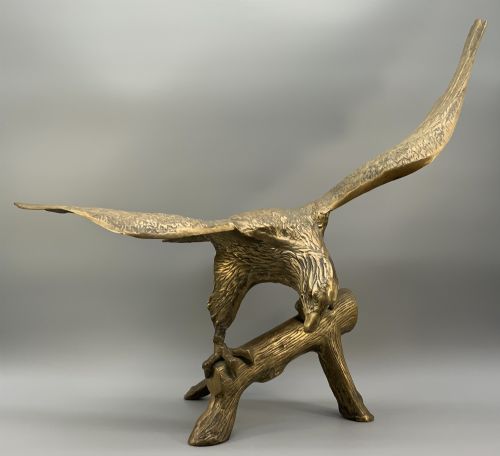
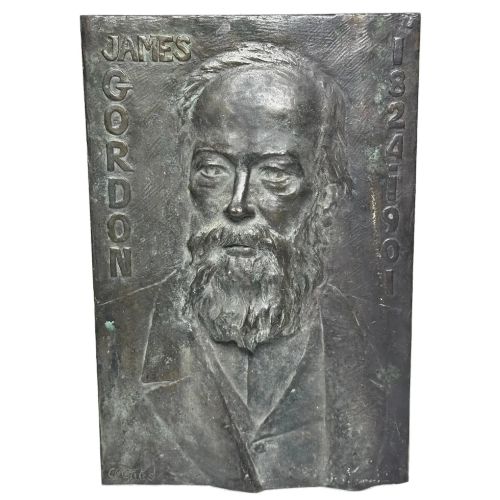
These cast metal sculpture examples span centuries of foundry work, offering solid bronze, iron, and brass forms that anchor any room with historical weight.
Cast Metal Sculpture
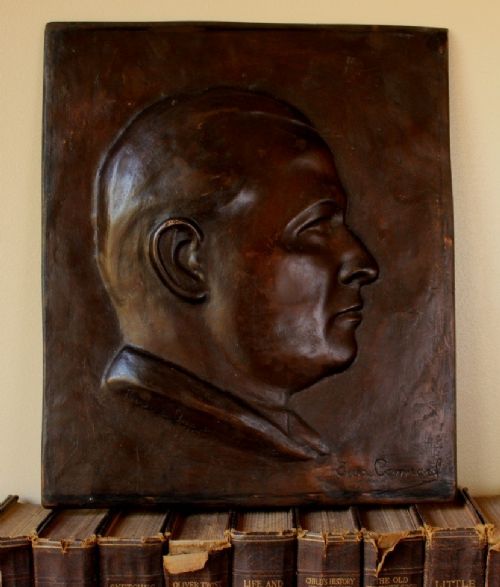
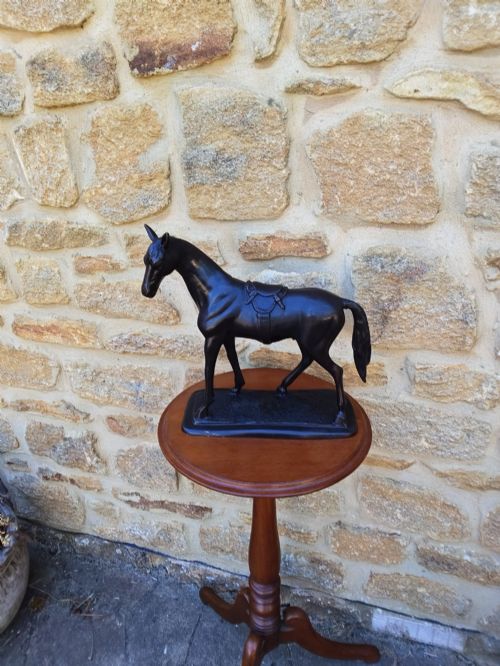
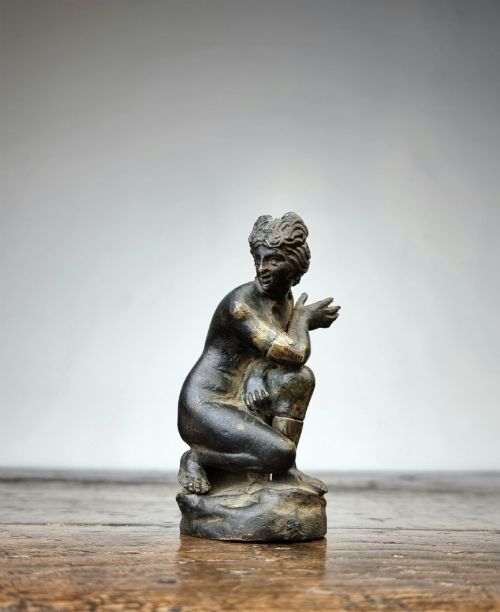
When searching for cast metal sculpture, buyers encounter a diverse range of objects spanning from seventeenth-century vessels and figures to nineteenth-century animalier studies and twentieth-century modernist pieces. The selections include domestic utilitarian items like doorstops and inkwells alongside freestanding figures, animal models, and architectural plaques.
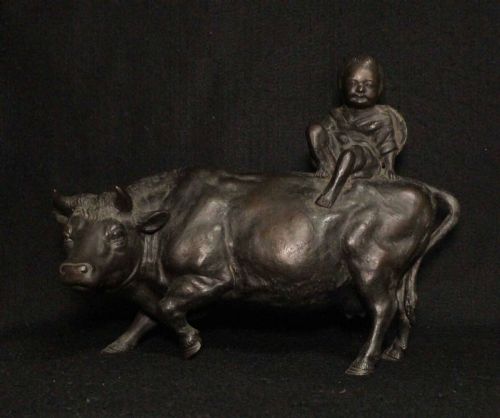
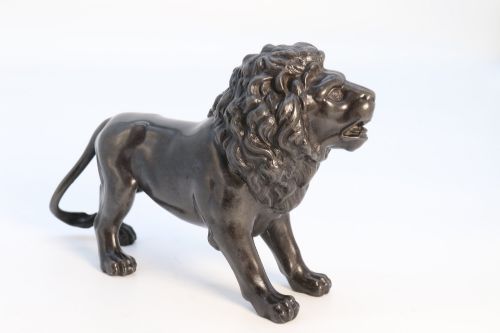
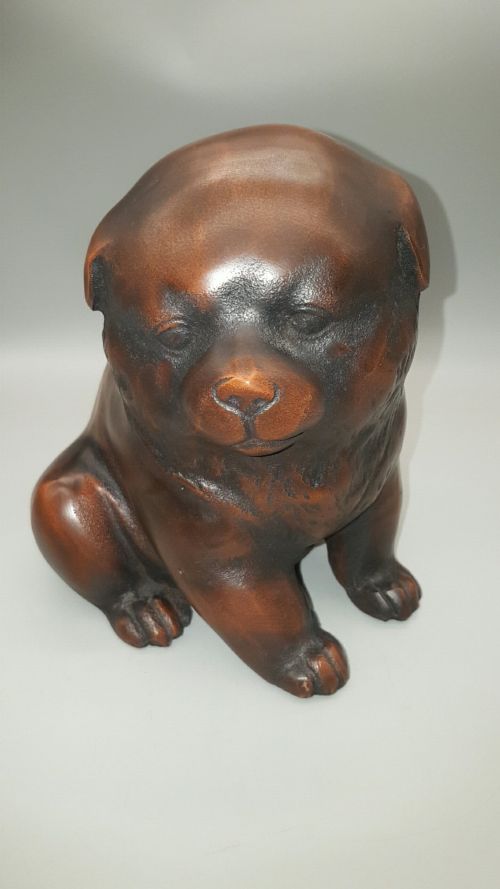
The objects derive from multiple cultural traditions, appearing in English Regency and Victorian domestic brasswork, Japanese Meiji period bronze animals, and continental European grand tour models. Forms shift fluidly between small cabinet figures and monumental life-sized animals cast in lead, iron, or bronze.
Most pieces on offer date from the nineteenth and early twentieth centuries, reflecting industrial advances in foundry practice that made metal casting more accessible. Buyers select these items for their durable materiality and the precise detail preserved in the metal surfaces.
Foundry methods and materials
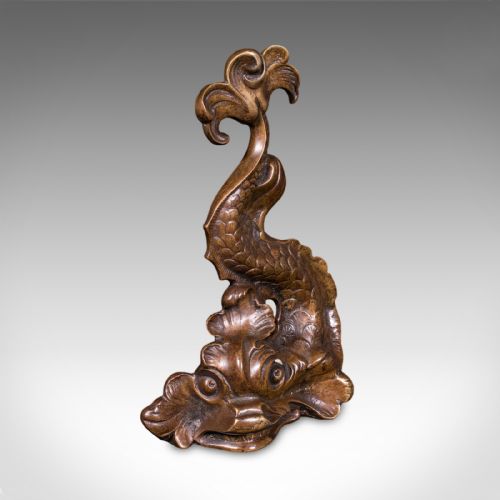
Material choice defined the weight and appearance of each piece, ranging from heavy cast iron for architectural doorstops to patinated bronze and cold-painted surfaces for cabinet figures. Silver plating and patination were applied to alter the outer layer, giving metals an aged dark tone or a bright reflective finish.
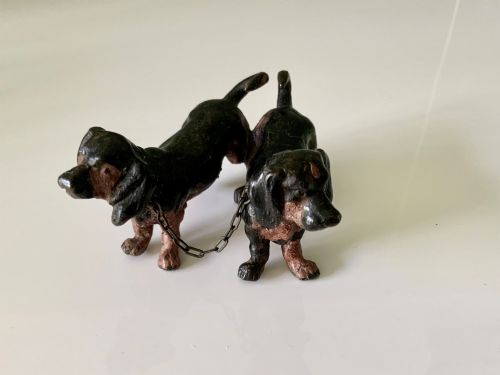
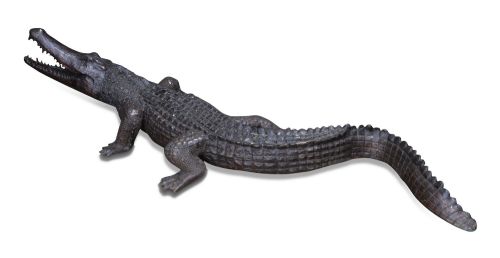
Foundries cast everything from life-sized crocodiles and heavy garden hounds down to microscopic rhinoceros beetles and dachshunds.
Assessing quality in metalwork
The integrity of the patina or original cold-painted finish dictates visual depth, where professional patination ages naturally across the metal substrate. Heavier gauge metal and secure joins between separate cast components indicate careful workshop production rather than hurried commercial output.
Eugene Canneel·Tsunemitsu·Frederic Remington·Christophe Fratin·Franz Bergman·Justo de Gandarias
The Cast Metal Sculpture Glossary
- Animalier
- A nineteenth-century artistic movement focused on the realistic depiction of animals, particularly predators and domestic beasts. Sculptors in this tradition studied anatomy closely in menagerie settings.
- Cold-painted bronze
- A technique where paint is applied to a bronze object without subsequent firing in a kiln. The finish remains delicate and prone to flaking if handled improperly.
- Lost-wax casting
- A historic method known as cire perdue where a model encased in wax creates a mould for molten metal. This process permits complex undercut forms and intricate surface details.
- Patination
- The natural or artificial process that alters the colour of a metal surface through chemical action or oxidation. A good patina enhances the perceived age and depth of the material.
- Spelter
- An alloy of zinc and lead often used as a cheaper substitute for bronze. It requires careful finishing to mimic the heavier, more durable material.
Cast Metal Sculpture: Frequently Asked Questions
How do I clean old bronze?
Dust surfaces gently with a soft dry brush to remove particulate matter without disturbing the underlying patina. Avoid harsh chemical cleaners or abrasive cloths that strip historical surface treatments.
Apply microcrystalline wax sparingly if protection from moisture is necessary, buffing lightly with a clean cloth. Professional conservation is recommended for pieces with delicate cold-painted surfaces.
What is the difference between brass and bronze?
Bronze is an alloy primarily composed of copper and tin, yielding a darker reddish-brown or golden tone that develops a rich natural patina over time. Brass consists of copper and zinc, producing a brighter yellow metallic appearance.
Both materials were cast into sculptures and decorative objects, but bronze generally permitted finer detail work in foundry production. Weight and colour help distinguish the two metals in historical pieces.
Where should I place heavy cast iron?
Heavy cast iron pieces like doorstops and garden figures require sturdy support due to their substantial weight. Ensure placement surfaces can bear the load without scratching timber or stone.
Keep iron objects away from damp environments to prevent rust formation on exposed metal. Indoor display areas with stable humidity levels preserve the integrity of nineteenth-century castings.
How do I date a metal sculpture?
Examine the casting technique, as sand-cast and lost-wax methods evolved across different centuries and workshop traditions. Tool marks, base construction, and mounting screws often provide clues to the period of manufacture.
Stylistic markers such as Victorian ornamentation or Art Deco geometries align objects with specific eras. Signatures, foundry stamps, and registration marks offer definitive dates when present.