


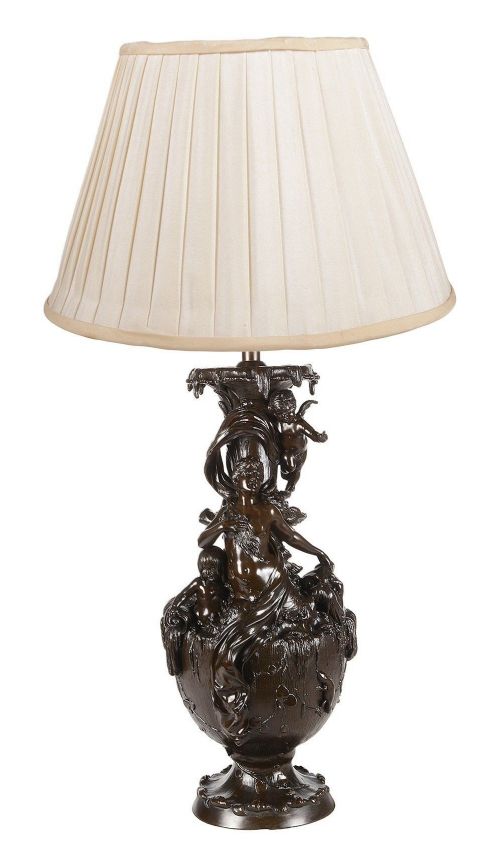


Cast Bronze Classical Vase
A cast bronze classical vase brings the grandeur of antiquity into your rooms through heavy metalwork modelled on ancient forms.
Cast Bronze Classical Vase
A cast bronze classical vase draws directly on archaeological discoveries from Rome and Greece, shaping heavy metal into forms like the campana or the Warwick urn. You will frequently encounter Grand Tour pieces produced during the nineteenth century, reflecting the enthusiasm of travellers collecting souvenirs abroad.
The selection ranges from pairs of lidded urns and decorative ewers featuring figural handles to large wine-coolers and table lamps mounted on marble bases. These objects bridge the gap between ancient design and nineteenth-century decorative arts, serving as ornamental centerpieces.
Origins span English Regency workshops and continental foundries, particularly French and Italian makers producing classical revival works. Pieces often incorporate black marble or giallo di siena marble plinths to elevate the bronze work.
Assessing quality in nineteenth-century bronze
The sharpness of the cast and the depth of the churing separate exceptional foundry work from standard production. Crisp detailing in figural handles, such as Bacchus motifs or dolphins, indicates superior skill.
The integration of materials dictates overall presence, particularly where bronze meets carved marble bases. Finer examples display meticulous patination and substantial weight that anchor the classical proportions.
Listings demonstrate materials including patinated bronze, gilt bronze, brass, black marble, and giallo di siena marble.
Barbedienne, Paris·Clodion
The Cast Bronze Classical Vase Glossary
- Campana-shaped
- Formed like an inverted bell with a flared rim and pedestal foot. This silhouette originates from ancient pottery and metal vessels.
- Grand Tour
- A cultural journey undertaken by wealthy young Europeans to study classical antiquities. Souvenirs purchased on these trips inspired the nineteenth-century revival pieces seen here.
- Patinated bronze
- Metal treated with chemical solutions to create a controlled surface colour or aged finish. This process enhances the definition of classical reliefs.
- Giallo di siena
- A bright yellow Italian marble with dark veining frequently used for classical bases. It provides a striking contrast to dark patinated bronze.
Cast Bronze Classical Vase: Frequently Asked Questions
What is a Grand Tour bronze?
A Grand Tour bronze is a nineteenth-century miniature or full-scale replica of an ancient monument, sculpture, or vessel. Wealthy travellers collected these pieces across Italy and France as tangible reminders of their classical education.
These objects were cast in European foundries and often mounted on marble plinths. They brought classical antiquity into nineteenth-century drawing rooms.
How do I care for antique bronze?
Dust your bronze gently with a soft, dry cloth to prevent particulate accumulation. Avoid using chemical polishes, which can strip away historic patina and damage the surface.
Keep the metal away from direct moisture and extreme temperature fluctuations. A light application of microcrystalline wax can protect the surface if handled infrequently.
Are these vases waterproof?
Most nineteenth-century decorative bronze vases and urns are not designed to hold water. Many feature construction seams or internal linings intended strictly for ornamental display.
Using them as cut-flower vases risks damaging the interior metal and any associated marble bases. Instead, enjoy them as sculptural objects or dry botanical displays.
How do I identify a Regency bronze?
Regency period bronze work typically dates from the early nineteenth century and adheres strictly to neoclassical design principles. These pieces often exhibit severe, clean lines inspired by Greek pottery and Roman architecture.
Look for heavy, dense casting and dark brown or black patination characteristic of English workshops from this era. Marble integration is also common on Regency bases.