

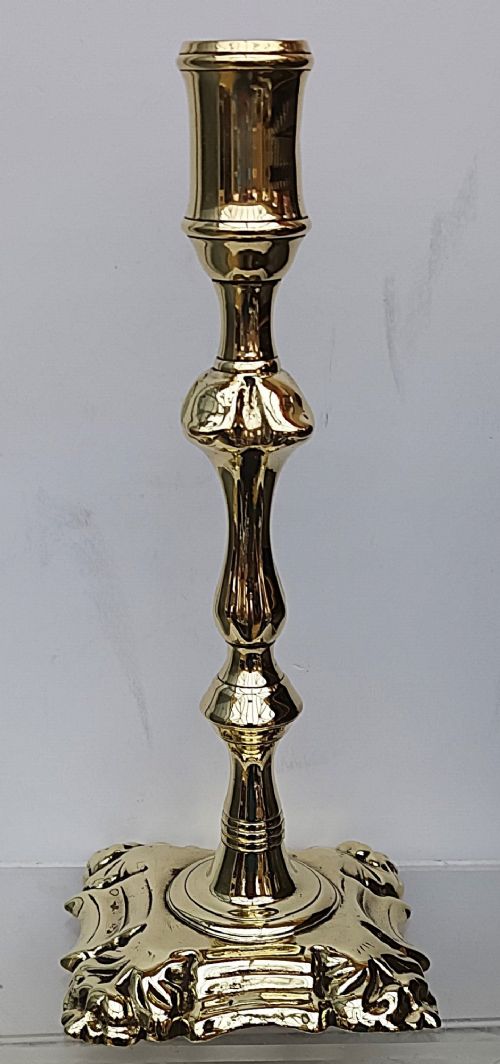


Cast Brass Taper Stand
Cast brass taper stand examples are compact holders designed for sealing wax taper candles, offering dependable utility alongside rich period character.
Cast Brass Taper Stand
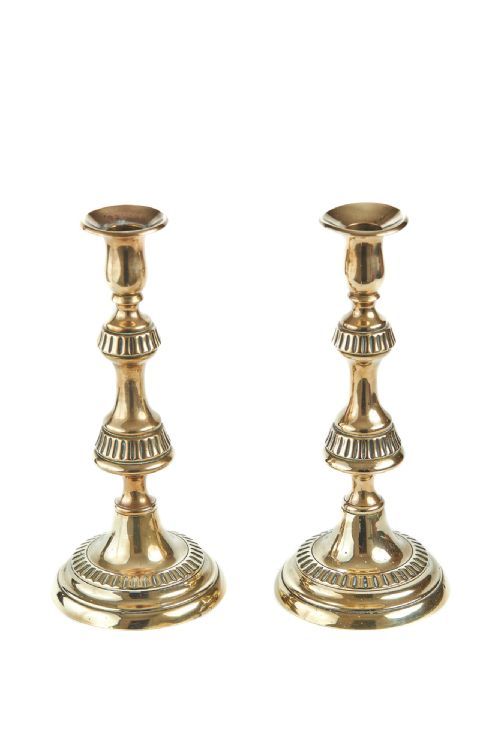
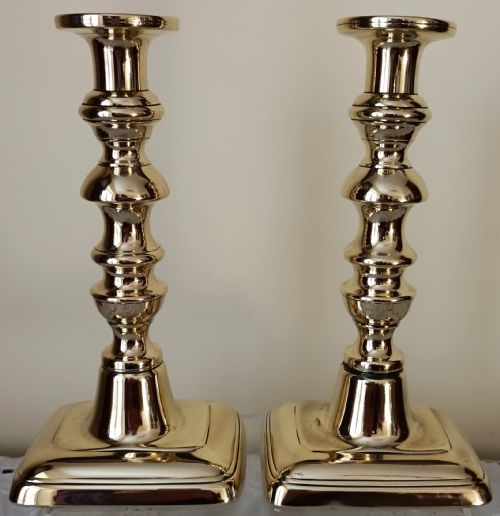
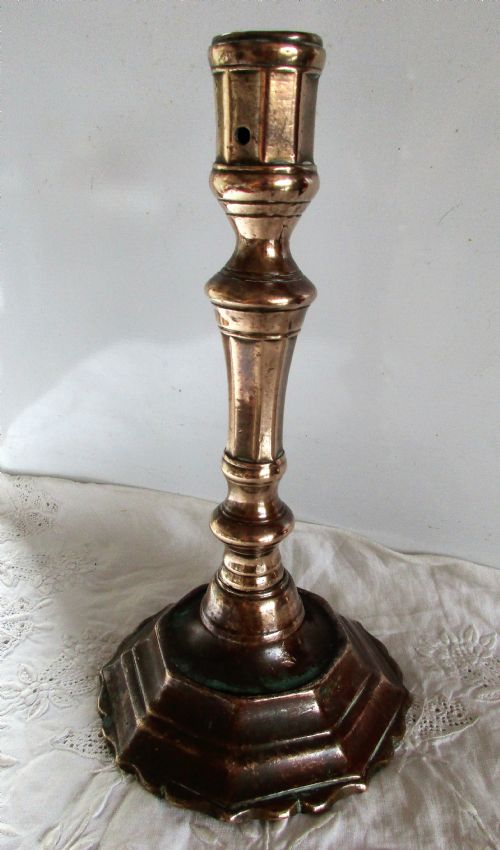
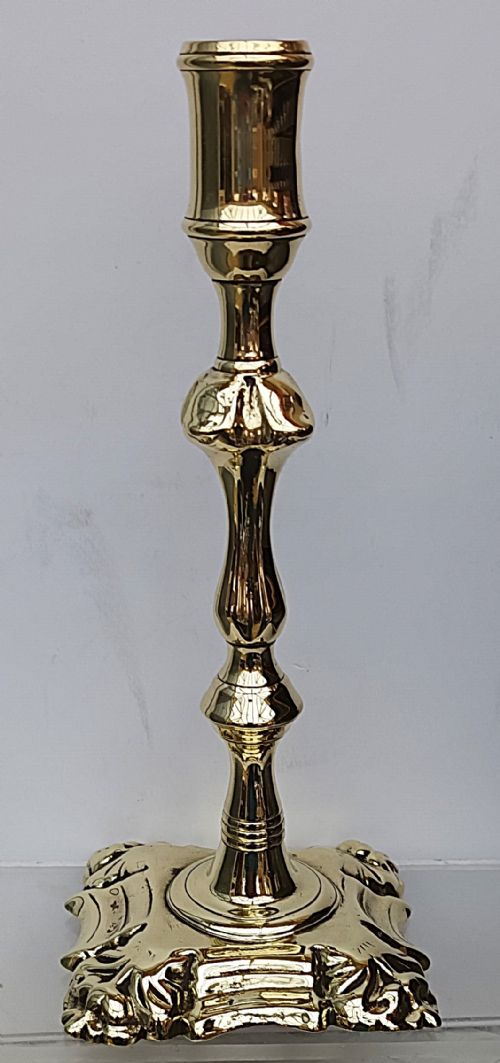
A cast brass taper stand represents a specific form within the broader category of candlesticks appearing across eighteenth and nineteenth-century domestic interiors. These domestic items served the vital daily task of melting sealing wax for correspondence before the widespread adoption of the envelope.
The selections available span multiple notable eras including Georgian, Victorian, and specific stylistic revivals such as Louis XV and Neo-Gothic. Most examples date from the eighteenth and nineteenth centuries, featuring sturdy cast construction designed for tabletop use.
Materials and construction methods
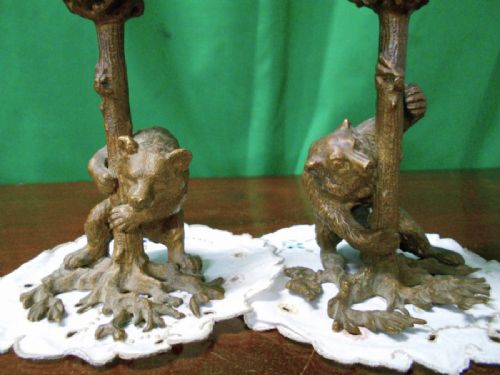
The primary material underpinning these objects is cast brass, though bronze, gilt bronze, ormolu, and porcelain also appear among related items in the record. Metalworkers utilised traditional casting techniques, sometimes incorporating seamed components or distinct baluster columns to build sturdy forms.
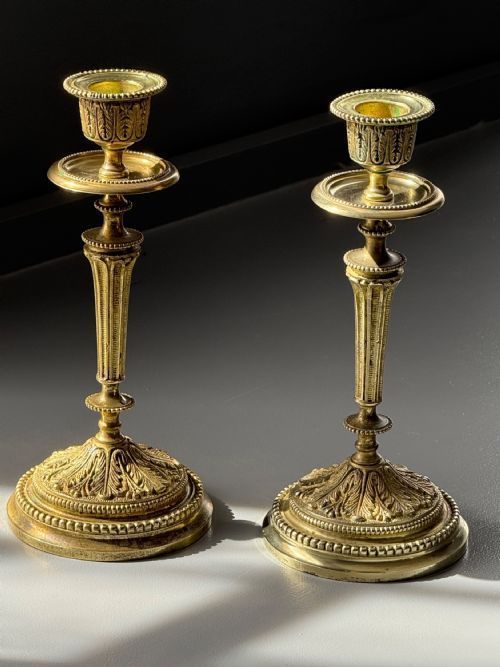
Surface finishing varied according to the specific style, ranging from polished brass to gilt bronze and ormolu applications seen on French-influenced designs. Artisans frequently combined heavy casting with turned elements to achieve balanced proportions.
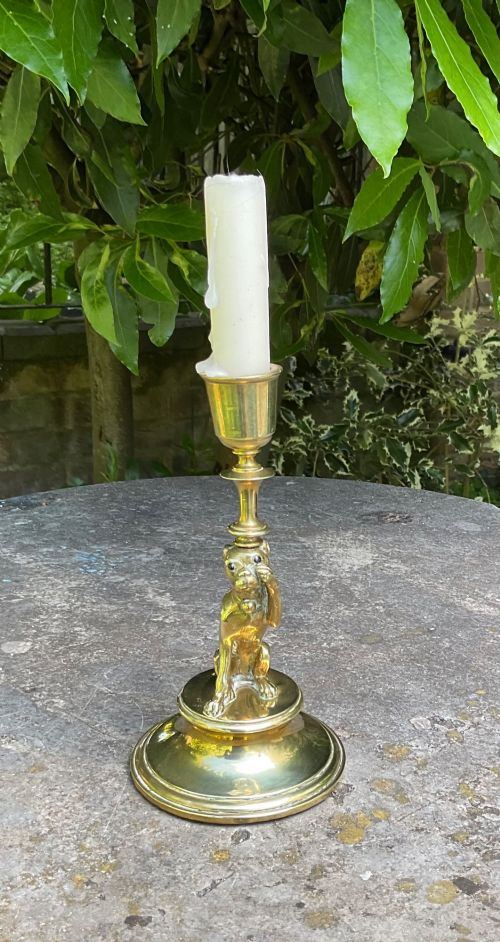
Pug dogs occasionally supervised the correspondence, appearing unexpectedly as the staunch metallic support for nineteenth-century sealing wax.
Distinguishing quality factors
The refinement of the casting and sharpness of detail separate standard production items from finer work. Superior examples display clean finishing on decorative motifs and well-balanced proportions across the base, stem, and socket.
Material choice and stylistic execution also define the upper tier of pieces. Items featuring integrated porcelain elements or complex cast ornamentation demonstrate greater manufacturing ambition than plain utilitarian variants.
J.T. & Co
The Cast Brass Taper Stand Glossary
- Cast brass
- Metal poured into a mould to form solid, three-dimensional objects. This method allows for thicker walls and sharper decorative details than spun or sheet metal alternatives.
- Baluster
- A moulded column shape resembling a swelling vase or architectural baluster. It provides both visual weight and a secure grip for the user.
- Ejector
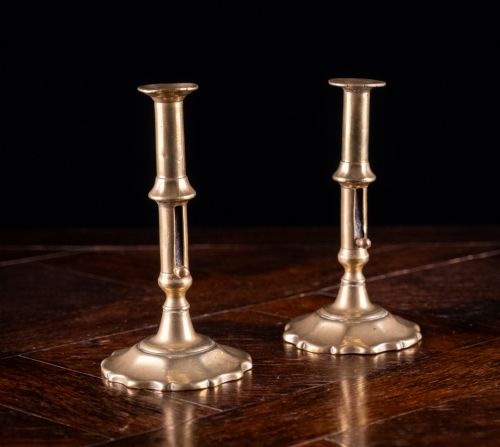
- A concealed internal mechanism featuring a small push-rod used to lift the remaining wax stub from the socket. This practical device simplifies cleaning after use.
- Ormolu
- Finely ground high-carat gold applied to a bronze base using a mercury amalgamation process. The technique imparts a rich, lasting metallic lustre to decorative metalwork.
- Petal base
- A distinctive foot design shaped like overlapping flower petals. This form appears frequently on mid-eighteenth-century English candlesticks.
Cast Brass Taper Stand: Frequently Asked Questions
What is a cast brass taper stand used for?
These small stands held short wax tapers specifically ignited to melt sealing wax for letters and documents. Their compact size kept the flame close at hand on a writing desk or an entrance hall table.
Unlike standard lighting candlesticks, their primary function supported correspondence rather than illuminating an entire room during evening hours.
How do I date an antique brass candlestick?
Dating relies on observing base shapes, column profiles, and manufacturing marks such as casting seams or maker stamps. Eighteenth-century examples often feature petal bases or heavy solid casting without threaded joins.
Victorian pieces frequently display more ornate decoration, sometimes incorporating novel animal forms, porcelain inserts, or machine-threaded components introduced during later industrial production.
Are these candlesticks made of solid brass?
The pieces recorded utilise solid cast brass or bronze rather than plated base metals. This heavy metal construction ensures the stand remains stable while supporting a burning taper.
Makers poured molten metal into sand or two-part moulds, resulting in sturdy items designed for decades of daily domestic service.
How should I clean antique brass?
Preserving the aged surface typically requires only gentle dusting with a soft cloth to remove accumulated particles. Avoid aggressive chemical polishes that strip away the desirable historic patina built up over centuries.
Leaving the natural oxidation intact maintains the visual depth and historical integrity of the metal.