


Traditional Brass Taper Candlestick
A traditional brass taper candlestick brings the warm reflection of candlelight to a room, appearing here in forms from the eighteenth to the early twentieth century.
Traditional Brass Taper Candlestick
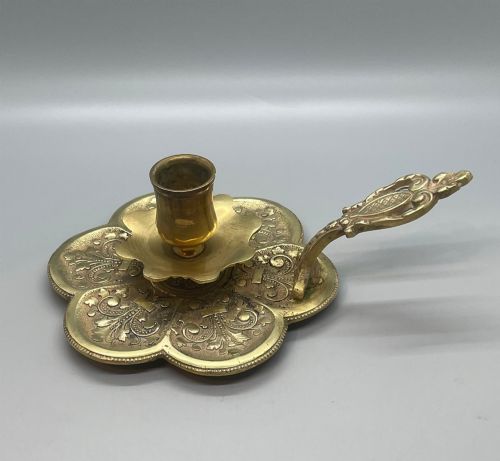
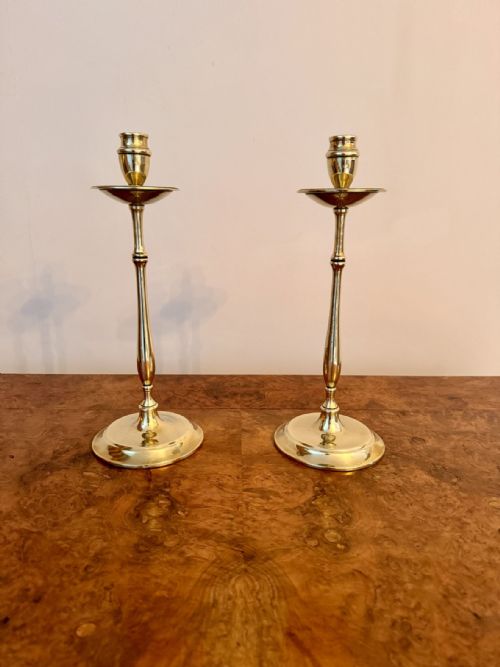
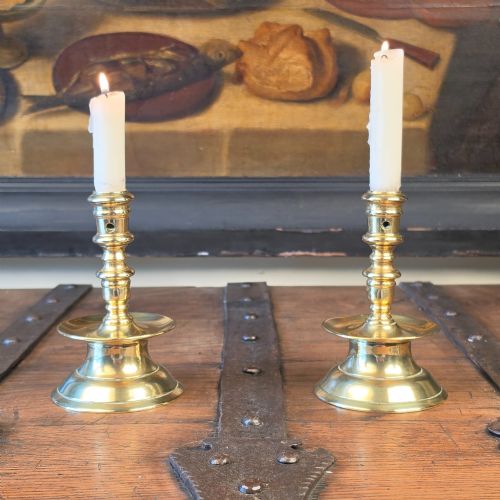
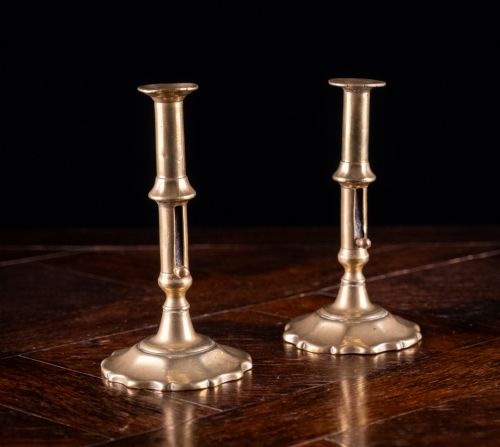
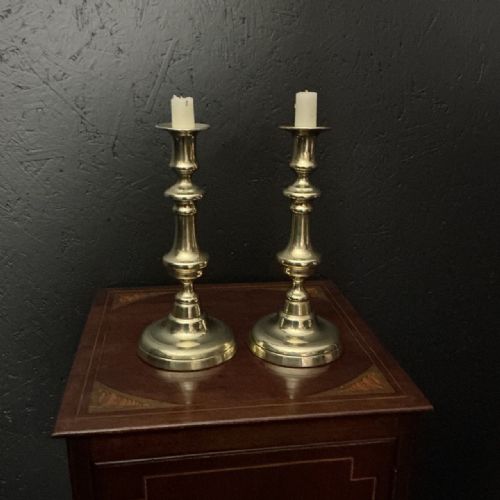
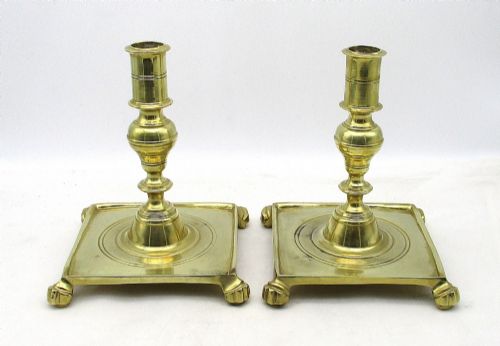
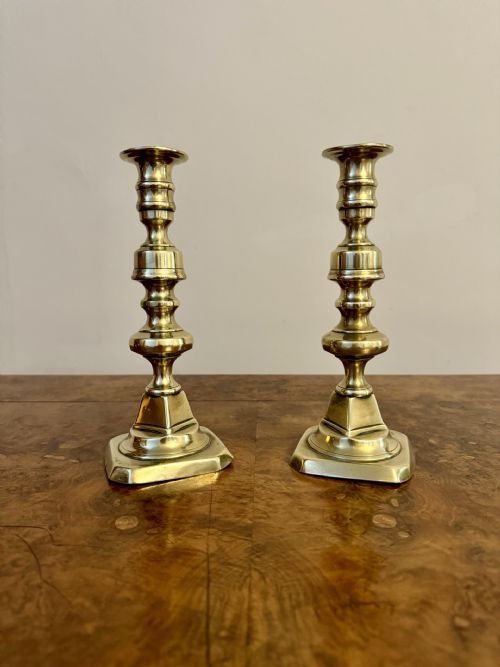
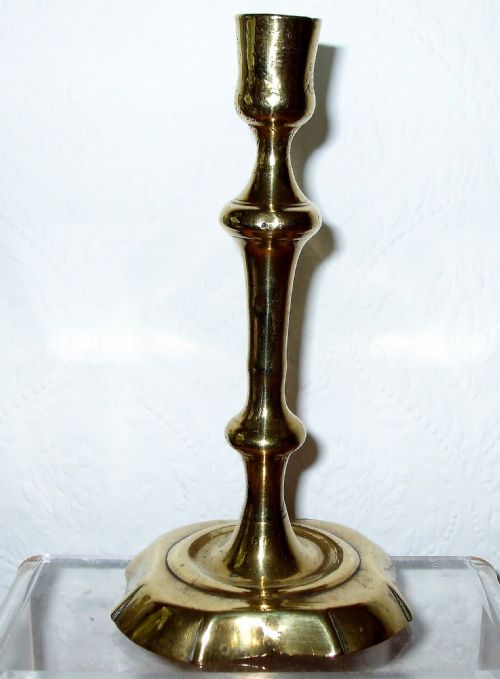
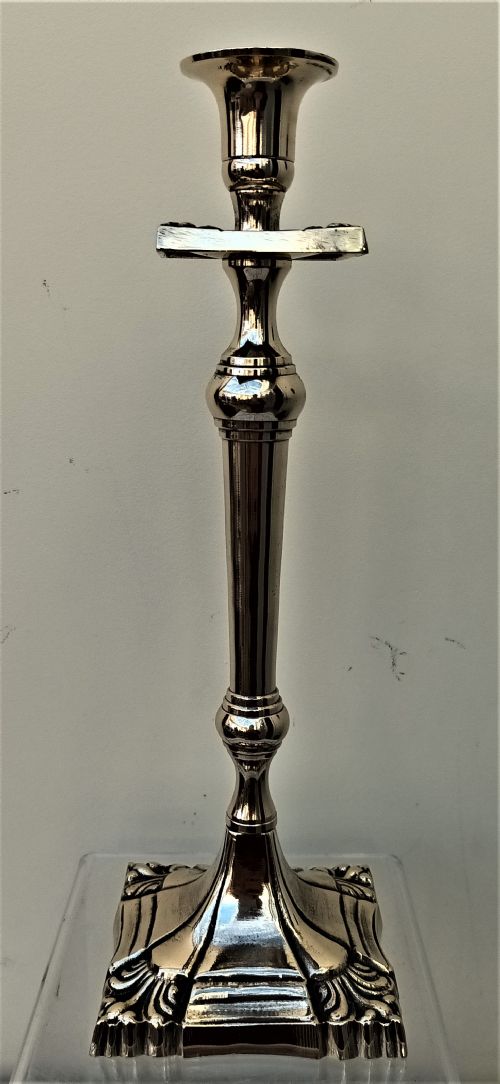
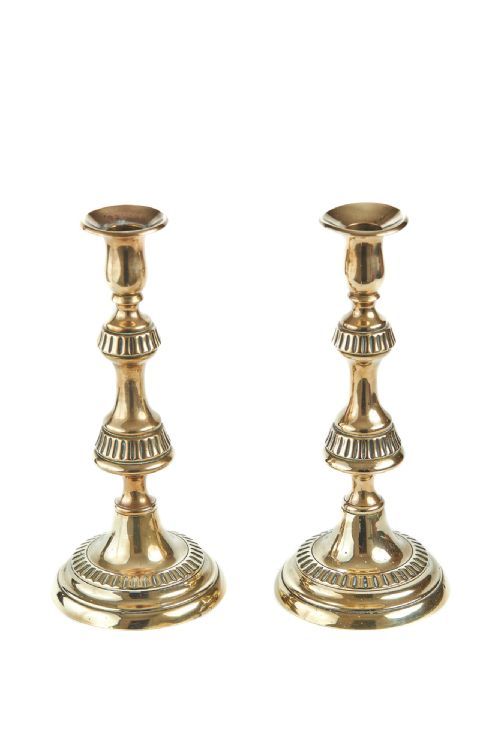
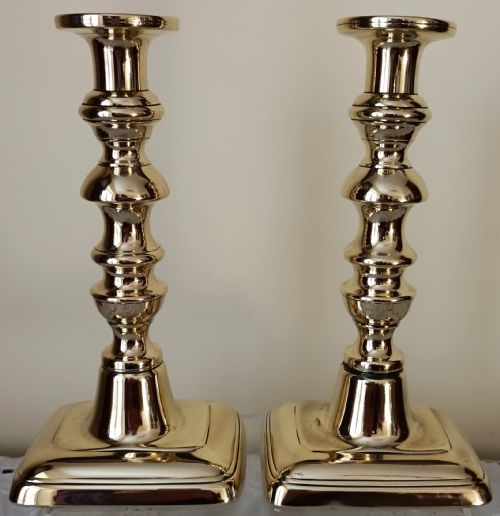
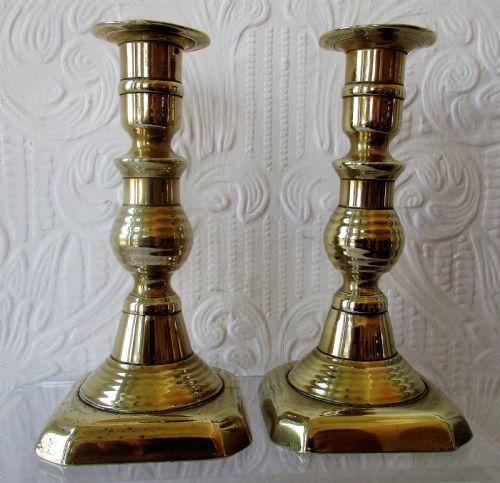
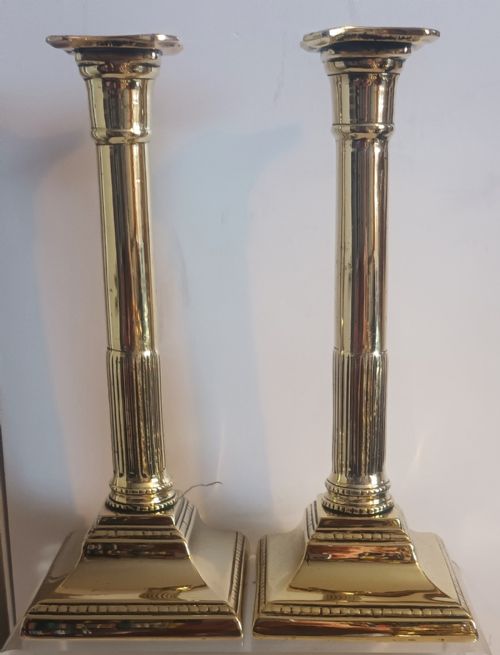
Traditional brass taper candlestick examples span multiple periods, with eighteenth-century Georgian pieces and nineteenth-century Victorian designs appearing frequently. Makers produced these items in varying heights, incorporating petal bases, ejector mechanisms, and vase-shaped columns.
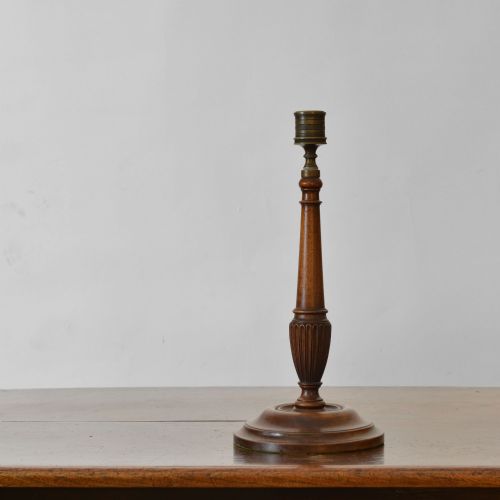
The selection includes singles and pairs, ranging from small desk versions to tall church or Edwardian models. Alongside solid brass, the listings contain occasional variations in mahogany, oak, bronze, and cast bronze.
Materials and construction
Metalworkers utilised brass, bronze, and cast brass to produce these items, employing seaming and casting techniques. Mid-eighteenth-century examples often use an ejector mechanism inside the stem to lift the remaining wax.
Wood appears in select pieces, utilising mahogany and oak for turned columns or fitted bases. Makers shaped the metal components into twisted, scalloped, or vase-shaped profiles.
Listings span from eighteenth-century Georgian and George II examples through to Victorian, Edwardian, and early twentieth-century pieces.
Craftsmanship and proportion
Quality rests in the precision of the casting and the crispness of the turned details on the column. Superior examples display balanced proportions between the base, stem, and drip pan.
Weight and metal density distinguish sturdier pieces from lighter alternatives. Maker marks or specialised forms, such as seamed ejector stems or petal bases, elevate the standard of an item.
J.T. & Co·WM Tonks & Sons
The Traditional Brass Taper Candlestick Glossary
- Taper candlestick
- A small candlestick designed to hold a thin taper rather than a thick household candle. These were commonly used for melting sealing wax on correspondence.
- Ejector candlestick
- A design containing an internal sliding mechanism operated by a thumbpiece. This device pushed the remaining candle stub out of the socket.
- Petal base
- A moulded base shaped like overlapping flower petals, frequently seen on eighteenth-century examples. This form adds stability and decorative weight to the lower section.
- Seamed brass
- Metal rolled into a cylinder and joined along a vertical seam, typical of earlier manufacturing methods before advanced extrusion techniques.
- George II style
- Design characteristics originating from the reign of George II, noted for restrained classical ornamentation and sturdy proportions.
Traditional Brass Taper Candlestick: Frequently Asked Questions
What is a taper candlestick used for?
These small candlesticks held thin taper candles intended for lighting pipes, cigars, or melting sealing wax on letters.
Their compact size allowed them to sit easily on a desk or a small writing table.
How do I date a brass candlestick?
Dating relies on manufacturing methods such as seamed construction versus solid casting, alongside stylistic indicators like petal bases or Georgian proportions.
Later Victorian and Edwardian examples often feature heavier cast components and machine-finished threads or fittings.
Are they sold as pairs?
The listings contain both individual candlesticks and matched pairs. Pairs were traditionally placed on mantelpieces or dining tables for visual balance.
Singles frequently served functional tasks on desks or bedside tables.
What is an ejector mechanism?
An internal rod and thumb button allowed the user to push the remaining candle stump out of the socket without digging it out.
This practical feature became common during the eighteenth century on brass designs.