


Brass Dining Table Accent
Brass dining table accent items bring warmth and period character to dining spaces through polished metal fittings and hardware.
Brass Dining Table Accent
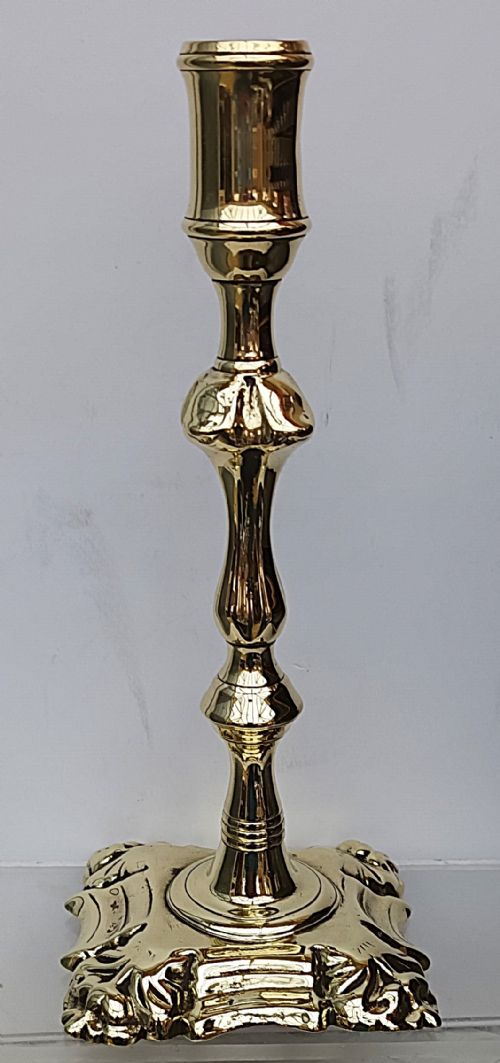
A brass dining table accent search typically reveals items associated with dining and serving furniture, such as candlesticks and drop-leaf tables. These pieces encompass items used to illuminate tables or support dining environments across several historic eras.
The most common items found under this heading are brass candlesticks from the Georgian and Victorian periods, alongside mahogany tables featuring brass components. These tables frequently take the form of Pembroke tables with drop leaves and subtle brass fittings.
Origins span the eighteenth and nineteenth centuries, capturing the Georgian, Regency, and Victorian eras. Buyers encounter pieces that reflect the domestic routines and dining customs of these distinct periods.
Materials and construction
Makers utilised solid brass to cast candlesticks, often employing traditional foundry techniques to achieve weighted bases and smooth sockets. This metal provides durability and a distinct metallic lustre that deepens with age.
Tables combine mahogany timber with brass castors, hinges, and drawer pulls. Cabinet makers shaped the timber frames by hand, integrating metal hardware to assist with mobility and leaf support on drop-leaf designs.
Slender spider legs allow some drop-leaf tables to look as though they might scuttle away if left unattended.
Judging quality in period items
Quality rests upon the crispness of casting detail in metalware and the grain selection in timber furniture. Superior candlesticks display sharp profiles and solid weight, while finer tables utilise well-figured mahogany boards.
The integration of brass fittings into wooden furniture indicates the standard of original manufacture. Cleanly recessed hinges and robust drop-leaf mechanisms separate higher tier items from simpler utilitarian examples.
The Brass Dining Table Accent Glossary
- Pembroke table
- A small, versatile table with folding leaves on either side, often featuring a single drawer. This form gained popularity during the Georgian period for breakfast or occasional use.
- Drop-leaf table
- A table featuring hinged flaps that fold down when not in use to save space. Support brackets or swing legs hold the leaves steady when raised.
- Castor
- A small wheel mounted in a swivel housing attached to the foot of a table leg. It allows heavy furniture to move easily across floor coverings.
- Spider leg
- A style of furniture construction utilising very slender turned legs to support a drop-leaf table. This design creates a lightweight appearance while maintaining structural stability.
Brass Dining Table Accent: Frequently Asked Questions
What is a pembroke table?
A pembroke table is a compact table with hinged drop leaves on two opposing sides. They often include a small drawer and were historically used for light dining, writing, or sewing.
These versatile tables fit easily into smaller rooms or against walls when the leaves are dropped. Their adaptable design made them a staple of Georgian and Victorian parlours.
How do I date a mahogany table?
Dating a mahogany table involves examining the timber grain, construction methods, and hardware. Earlier pieces often display hand-cut joinery and dense, dark timber.
Metal components like brass castors also help narrow the period. Regency and Georgian examples exhibit specific turning styles and proportions typical of their respective decades.
Were brass candlesticks used at dining tables?
Brass candlesticks provided essential illumination for dining rooms before the advent of gas lighting and electricity. They stood on tables or sideboards to cast light during evening meals.
Pairs were standard, creating a balanced appearance on either side of a centrepiece. Heavier bases prevented accidental tipping during busy domestic service.
How do I care for antique brass?
Antique brass benefits from gentle dusting and occasional cleaning with appropriate non-abrasive metal polishes. Preserving the dark undertones often enhances the historic character.
Avoiding harsh chemical dips protects the natural patina that develops over centuries. Regular soft cloth maintenance keeps the metal stable without stripping its age.